Fernweh: Home
    ExploreTravel GuidesPlan a tripMy tripLast visited
    de|en
    All Places & RegionsAll highlightsAbout FernwehFAQPrivacy PolicyImprint
    ExploreTravel GuidesPlan a tripMy tripLast visited
    • Neighborhoods & highlights
    • Eat & drink
    • Food culture
    • Culture
    • Getting around
    • Accommodation
    • Plan trip
    • Nearby
    Lötzen (Giżycko)

    Poland

    Lötzen (Giżycko)

    City

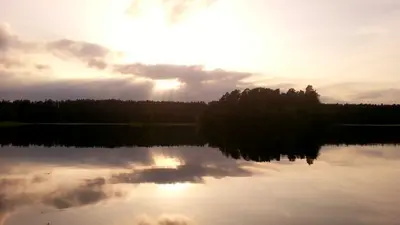
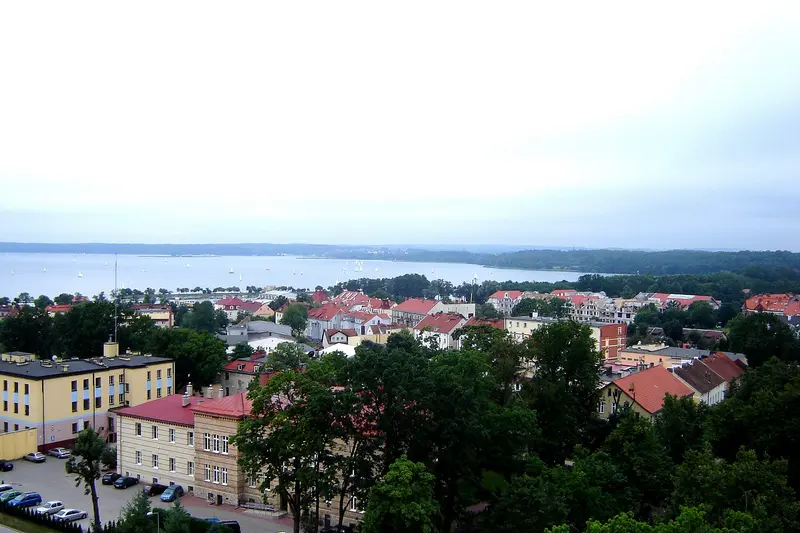
    Lötzen (Giżycko), with roughly 27,000 residents, is one of the larger towns in the Masurian Lake District. It's situated on an isthmus between Lake Löwentin (Niegocin) and the Lake Mamry system, including Lake Kisajno.

    by Felix Gillen

    1. Home
    2. Destinations
    3. Poland
    4. Warmian-Masurian
    5. Lötzen (Giżycko)
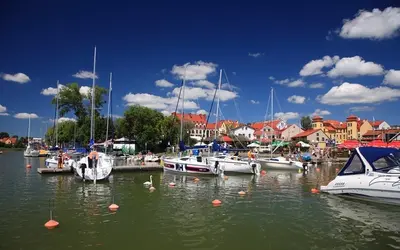
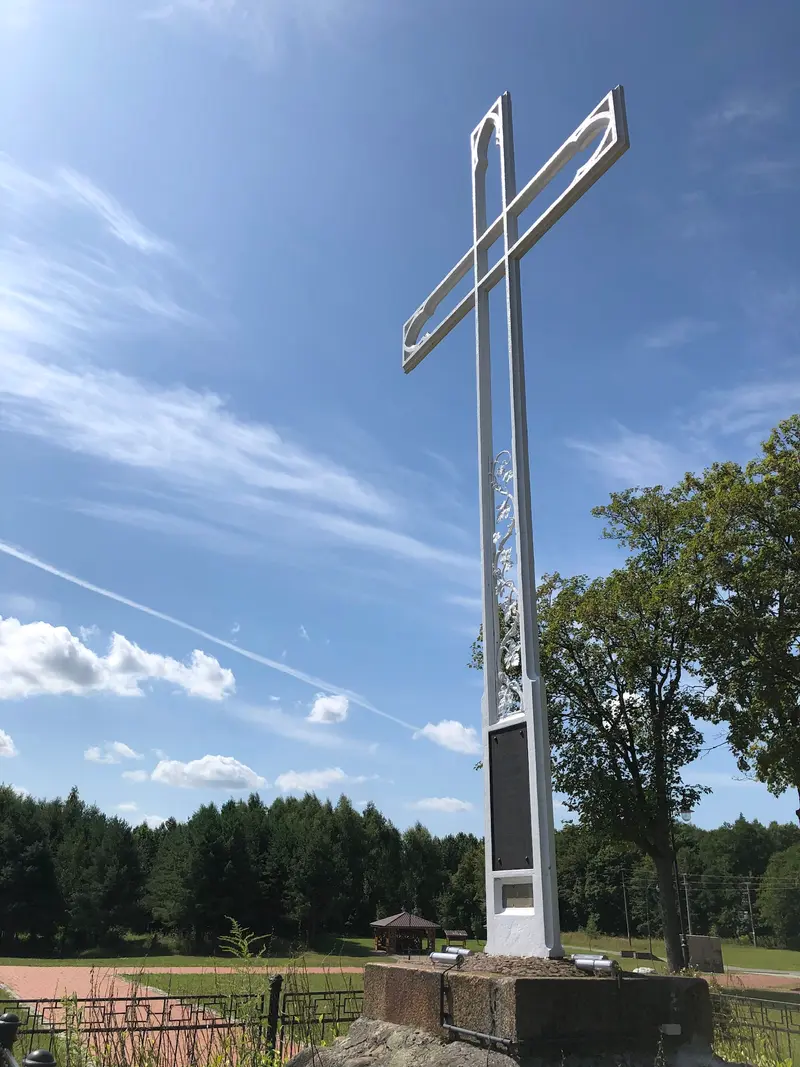
    Lötzen (Giżycko), with roughly 27,000 residents, is one of the larger towns in the Masurian Lake District. It's situated on an isthmus between Lake Löwentin (Niegocin) and the Lake Mamry system, including Lake Kisajno. First mentioned in 1340, Lötzen gained town rights in 1612 and has been connected to the rail network since 1868. On Lake Löwentin's shore are harbours, including the municipal Ekomarina, plus the town beach and adjacent park. The Lötzener Canal (Kanał Łuczański) is spanned by an 1898 swing bridge, still hand-operated today. West of town lies the extensive Boyen Fortress grounds, plus a water tower with a viewing café and Bruno's Hill with the 1909 Bruno Cross. Lötzen thrives primarily on water sports. From here, sailing trips and excursion boats depart across the large Masurian lakes, and in summer, the town hosts events like the Sea Shanty Festival.

    Sights in Lötzen (Giżycko)

    Discover the most important sights and attractions

    Bruno Cross
    Place of Worship

    1Bruno Cross

    The 1909 cross stands on Brunohügel on Lötzener Island (Wyspa Giżycka) and is dedicated to Saint Brun von Querfurt.
    Open in Google Maps
    Water tower
    Attraction

    2Water tower

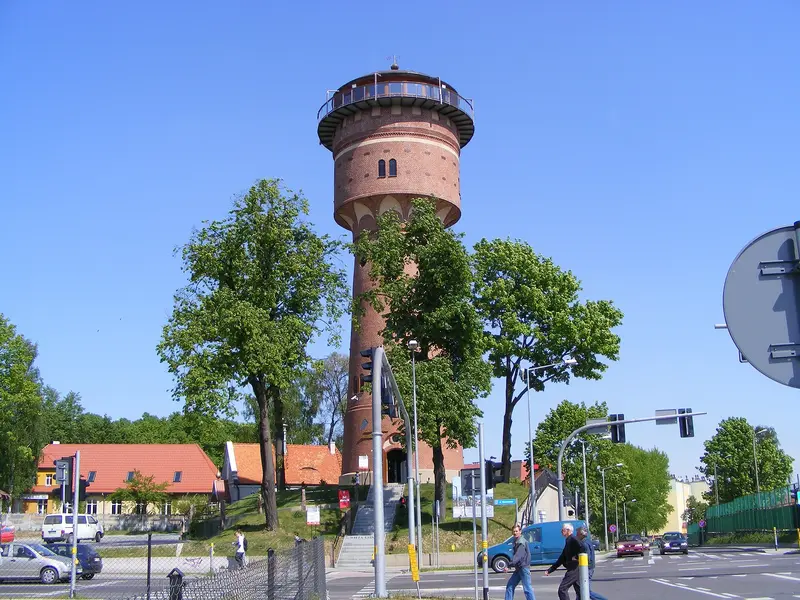
    The 1900 water tower supplied the city with water until 1996 and reopened in 2009 after a renovation. By elevator or via 129 steps, you reach the rooftop café, whose terrace offers a wide view over the city and lakes. The tower is open only during the summer season.
    Open in Google Maps
    Boyen Fortress (Twierdza Boyen)
    Attraction

    3Boyen Fortress (Twierdza Boyen)

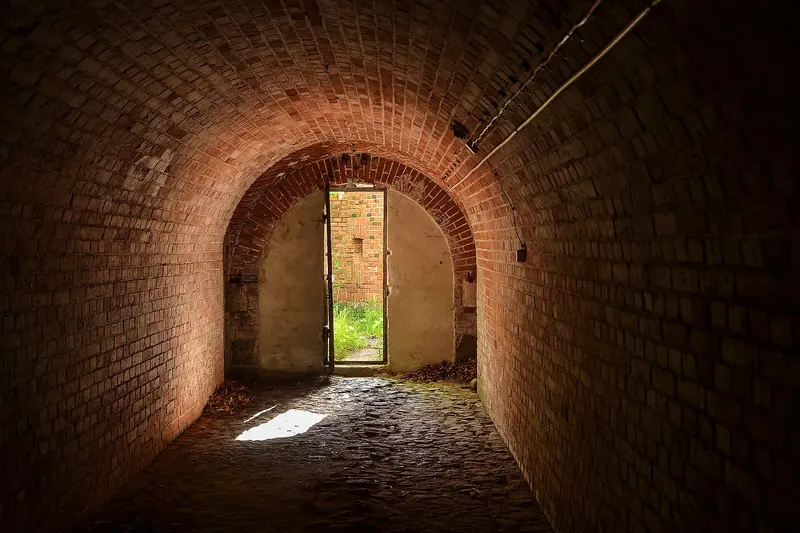
    The Prussian fortress, built 1844-1856 on the isthmus between Kisajno and Löwentin Lakes, is named after General Hermann von Boyen. This star-shaped complex, with six bastions, covers about 100 hectares. A club maintains the site; the barracks at Lötzener Gate house a museum and youth hostel, and the amphitheater of a ravelin hosts concerts and historical re-enactments.
    Open in Google Maps
    Swingbridge
    Point of Interest

    4Swingbridge

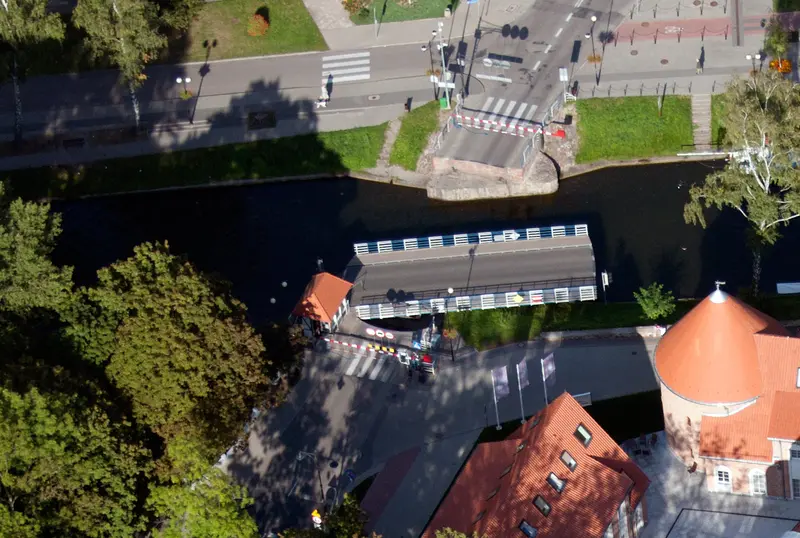
    The swing bridge over the Lötzener Canal (Kanał Łuczański) was built in 1898 by the company Beuchelt from Grünberg. It is still operated by a single bridge operator by hand, taking approximately five minutes. It opens according to a fixed daily schedule, coordinated with the excursion boats, and remains closed for boats from November to March.
    Open in Google Maps

    Restaurants in Lötzen (Giżycko)

    1

    Tavern Anchorage

    Tavern with Polish cuisine on the town beach of Lötzen on the shore of Löwentin Lake.
    Show on Google Maps
    2

    Pan Kartacz

    Small eatery with Polish cuisine in the center of Lötzen.
    Show on Google Maps

    Food and Drink

    Smoked Whitefish (Sielawa)

    The Masurian Lakes' vendace is a regional specialty, smoked and served at local smokehouses and fish restaurants.

    Pierogi with blueberries

    Sweet dumplings with blueberry filling are a seasonal feature on many menus in Masuria, also in Lötzen.

    Sękacz

    The Sękacz mazurski is a traditional regional cake, often served for afternoon coffee.

    Culture and History

    Fortress City Boyen Fortress was constructed between 1844 and 1856 by order of King Friedrich Wilhelm IV and named after Prussian General Hermann von Boyen. The star-shaped complex spans some 100 hectares and was designed for around 3,000 soldiers. Three of the six bastions bear the General's first names, the other three his motto's terms: Recht, Schwert, Licht. Today, an association maintains the fortress, which houses a museum and a youth hostel in the barracks at Lötzener Tor. From Teutonic Castle to Watersports Hub The 14th-century castle, the city's nucleus, now functions as a hotel. Until 1945, Lötzen was part of East Prussia; in 1946, it received its Polish name, honouring Pastor Gustav Gisevius. Cultural life is organized by the Giżyckie Centrum Kultury, which also runs the Nowa Fala cinema and hosts the Sea Shanty Festival (Szanty w Giżycku).

    Getting There & Around

    Getting ThereLötzen lies on the railway line from Allenstein (Olsztyn) via Korsze and Ełk to Białystok. Find current schedules with Polish Railways. During the season, Żegluga Mazurska excursion boats connect the port with other places in the Masurian Lakeland.Getting AroundThe city center, port, canal, and swing bridge are all easily accessible on foot, and Feste Boyen is close by. The swing bridge opens on a fixed daily schedule for boat traffic, closing to cars and pedestrians for several minutes. For those arriving by car, use the signposted parking at the city's edge.

    Accommodations in Lötzen (Giżycko)

    Find perfect stay in Lötzen (Giżycko)

    Booking.com* (Affiliate link)
    Search Hotels
    Agoda* (Affiliate link)
    Search Hotels
    Airbnb
    Vacation Rentals

    * Affiliate link: if you book through it, we earn a small commission. The price stays the same for you.

    Campgrounds in Lötzen (Giżycko)

    Find perfect campground in Lötzen (Giżycko)

    Search via Google Maps
    Campgrounds nearby (15km)
    Camping.info
    Find Campgrounds
    Park4Night
    RV Parks & Camping

    Plan your trip to Lötzen (Giżycko)

    Save places, build a route and plan your city trip, all in one place.

    1. 1
      Sunrise over alpine peaks and a sea of clouds
      1234

      Round trip

      12 days · 4 stops

      Saved

      Pick a route

      Pick a ready-made one or save places and plan your own.

      Open bookmarks
    2. 2

      Trip to Lötzen (Giżycko)

      Live
      • 1Bruno Cross3 days
      • 2Water tower4 days
      • 3Boyen Fortress (Twierdza Boyen)5 days
      Budget

      Plan your trip

      The planner sorts stops, days and budget. Plan together in real time.

      Start trip planning
    3. 3
      9:41 No signal
      Lötzen (Giżycko)
      Available offline

      Use it on the road

      Download the guide to your phone and use it on site, even offline.

    Nearby

    Nikolaiken (Mikołajki)

    Nikolaiken (Mikołajki)

    Nikolaiken (Mikołajki) is a small town with over 3,300 inhabitants in the heart of the Masurian Lake District. The town lies at the narrow passage between Lake Tałty and Lake Mikołajki, which merge here, and only a few kilometres from Lake Śniardwy, Poland's largest lake. Nikolaiken was first mentioned in 1444; it received town privileges in 1726. Today, Mikołajki is one of Masuria's most important sailing centres. Along the shore are a marina, excursion boat piers, and houseboat rentals. The centre is small: restaurants and guesthouses line the market square and church square, and a pedestrian bridge, completed in 2016, connects the waterfront promenades across the narrow lake passage. About five kilometres to the east lies Lake Łuknajno, a nature reserve and UNESCO Biosphere Reserve with one of Europe's largest mute swan colonies. In the vicinity is also the Krutynia, a popular river for canoe trips.
    Warmian-Masurian

    Warmian-Masurian

    The Warmian-Masurian Voivodeship (Warmińsko-Mazurskie) in northeastern Poland unites two historic landscapes. Ermland (Warmia) in the west was shaped for centuries by the Warmian Cathedral Chapter, whose castles and cathedrals in Allenstein (Olsztyn) and Frauenburg (Frombork) still stand today. Masuren (Mazury) in the east is known for the Masurian Lake District, featuring Lake Spirdingsee (Śniardwy), the largest lake in Poland. Until 1945, the region predominantly belonged to East Prussia. For travelers, Ermland-Masuren is primarily a destination for water sports and nature: sailing on the large lakes, excursion boats between lakeside towns, and canoe tours on rivers like the Krutynia. Additionally, there are testimonies to a turbulent history, from Copernicus and baroque pilgrimage churches to the ruins of the Wolf's Lair.
    Allenstein (Olsztyn)

    Allenstein (Olsztyn)

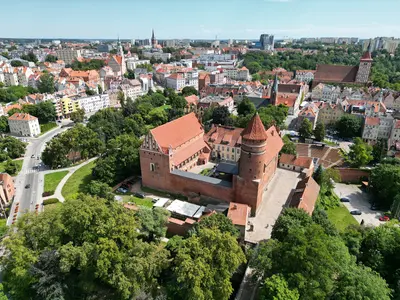
    Allenstein (Olsztyn) is the capital of the Warmian-Masurian Voivodeship and, with over 165,000 inhabitants, the largest city in the region. It is situated on the Łyna River (Alle) in historical Warmia and was founded in 1353. Above the Old Town stands the Castle of the Warmian Cathedral Chapter, where Nicolaus Copernicus lived from 1516 as the administrator of the chapter's estates. Since 1999, Allenstein has also been home to the University of Warmia and Masuria. Its core is the Old Town (Stare Miasto) with the High Gate, remnants of the medieval city wall, the late-Gothic Old Town Hall, and the Co-Cathedral of St. James. Surrounding it are the City Centre (Śródmieście) and districts such as Kortowo, Zatorze, and Jaroty; in total, the city is divided into 23 districts. Unusual for a large city is its proportion of water and forest: within the city limits lie more than ten lakes, the largest being Lake Ukiel with its city beach, plus a large municipal forest. Allenstein is therefore an excellent starting point for excursions into Warmia and the Masurian Lake District.
    Podlachia

    Podlachia

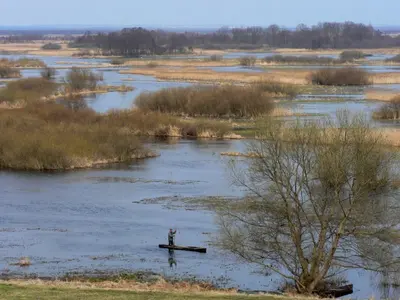
    Podlachia (Podlasie) is located in the far north-east of Poland, bordering Belarus. The regional capital is Białystok. For centuries, the region has been shaped by multiple cultures: Alongside the Polish majority, the Belarusian minority lives here, Orthodox churches stand beside Catholic ones, and until World War II, Jews constituted a large part of the population in many towns. For travellers, Podlachia is primarily a destination for nature experiences. In the south-east lies the Białowieża Forest with its European bison, north-west of Białystok is the vast marsh and river valley of the Biebrza, home to Poland's largest national park. In between are small towns like Tykocin on the Narew, whose history is closely tied to the region's Jewish heritage.
    Białystok

    Białystok

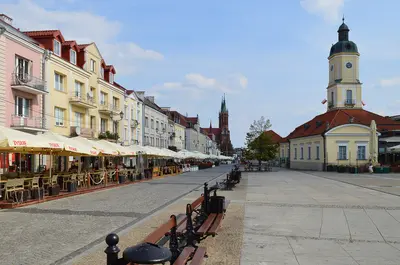
    Białystok is the capital of Podlaskie Voivodeship and, with approximately 290,000 inhabitants, its only large city. It lies northeast of Warsaw (Warszawa), not far from the border with Belarus. Białystok received city rights around 1691, and owes its appearance primarily to the Branicki magnate family, whose baroque palace is known as the 'Versailles of Podlachia'. In the 19th century, the city grew into an industrial center. The heart of the city center (Centrum) is Kościuszko Market (Rynek Kościuszki) with its baroque town hall. To its west, on ul. Lipowa, stand the Orthodox St. Nicholas Cathedral and, a little further on, the modernist St. Roch's Church. To the east, the Branicki Palace with its gardens and the Bojary district connect, known for its old wooden architecture and home to the Zamenhof Center. For centuries, Białystok was a city of many cultures. In 1931, around 40,000 of the approximately 100,000 inhabitants were Jewish, and there were more than 60 synagogues. Today, a Belarusian minority lives in the city, visible among other things in its Orthodox churches. Białystok is a good starting point for excursions to the Białowieża National Park in the southeast of the region.

    Sources & method

    • Photos: Wikimedia Commons, Google Maps. Each photo carries its credit.
    • Place data such as addresses and ratings comes from Google Maps.
    • The content is based on web research from public, traceable sources. How the content is made · The role of AI