The Warmian-Masurian Voivodeship (Warmińsko-Mazurskie) in northeastern Poland unites two historic landscapes. Ermland (Warmia) in the west was shaped for centuries by the Warmian Cathedral Chapter, whose castles and cathedrals in Allenstein (Olsztyn) and Frauenburg (Frombork) still stand today. Masuren (Mazury) in the east is known for the Masurian Lake District, featuring Lake Spirdingsee (Śniardwy), the largest lake in Poland. Until 1945, the region predominantly belonged to East Prussia.
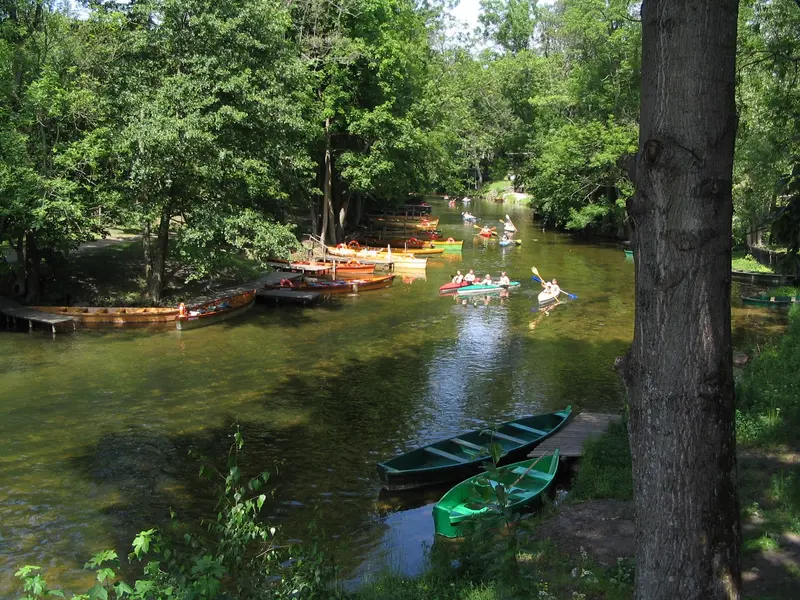
For travelers, Ermland-Masuren is primarily a destination for water sports and nature: sailing on the large lakes, excursion boats between lakeside towns, and canoe tours on rivers like the Krutynia. Additionally, there are testimonies to a turbulent history, from Copernicus and baroque pilgrimage churches to the ruins of the Wolf's Lair.
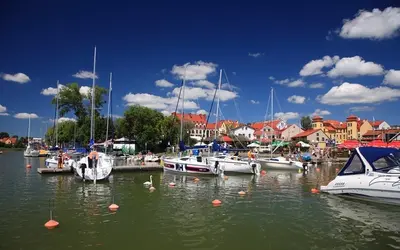
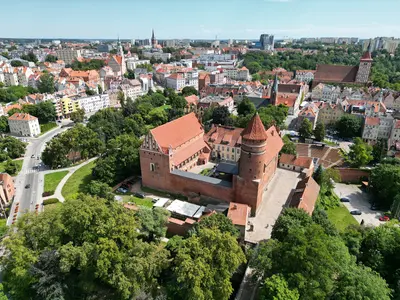
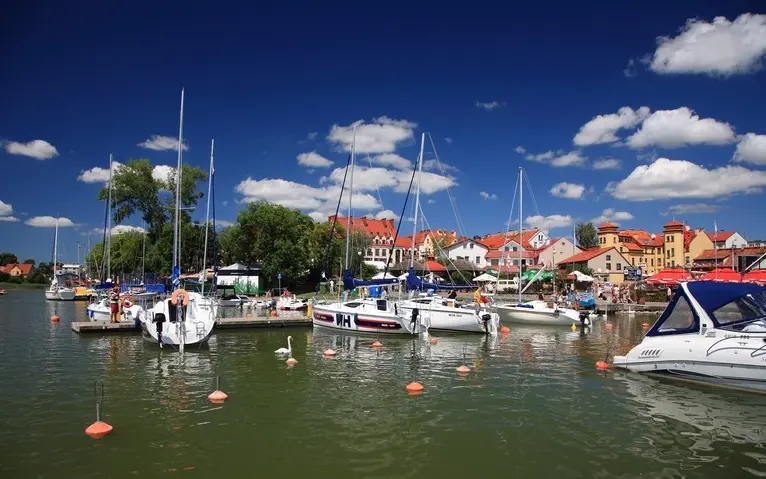
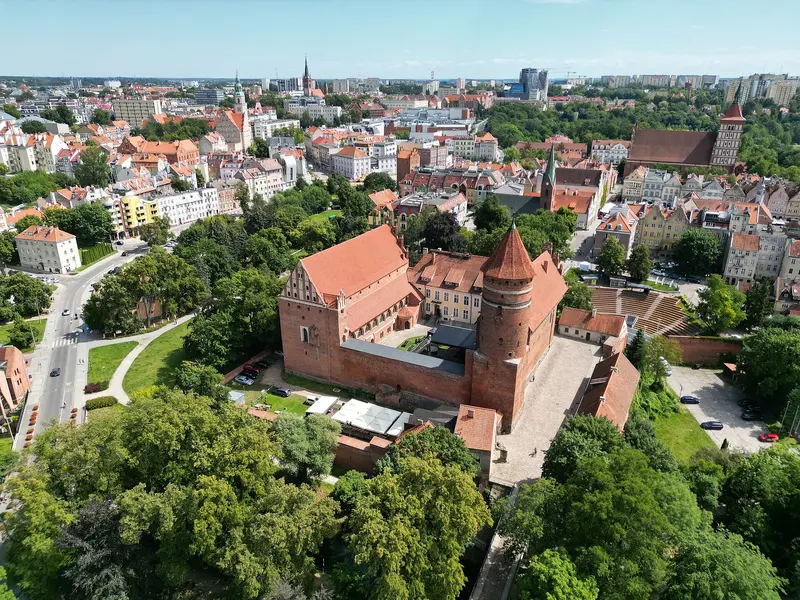
Olsztyn (Allenstein), the capital of the voivodeship, is the gateway to the region. The city on the Łyna river boasts an Old Town featuring the High Gate, the Chapter's Castle, and a Co-cathedral, alongside over ten lakes within the city area. Nicolaus Copernicus lived here from 1516 as the administrator of the Chapter's estates. From Olsztyn, you can also reach Giżycko (Lötzen) by train and continue to Białystok.In the heart of the Masurian Lake District lie the two most important watersports resorts. Mikołajki (Nikolaiken) is situated on a narrows near Lake Śniardwy (Spirdingsee), features a Żegluga Mazurska harbour, and the Swan Reserve on Lake Łuknajno is right on its doorstep. Giżycko (Lötzen), located between Lake Niegocin (Löwentinsee) and Lake Kisajno, is famous for the 19th-century Boyen Fortress and the hand-operated swing bridge over the Giżycko Canal (Lötzener Kanal).Between these towns, side trips are worthwhile: The Baroque Basilica of Święta Lipka (Heiligelinde) is considered one of Poland's most famous Marian pilgrimage sites; near Kętrzyn are the ruins of the Wolf's Lair (Wolfsschanze); and on the Krutynia River, the most popular canoe route spans approximately 91 kilometers from Sorkwity to Ruciane-Nida. In the northwest, on the Vistula Lagoon (Frisches Haff), lies Frombork (Frauenburg), where Copernicus lived almost continuously from 1510 until his death in 1543.
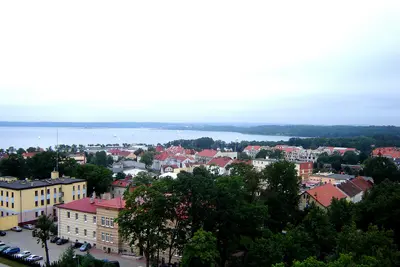
Lötzen (Giżycko), with roughly 27,000 residents, is one of the larger towns in the Masurian Lake District. It's situated on an isthmus between Lake Löwentin (Niegocin) and the Lake Mamry system, including Lake Kisajno.
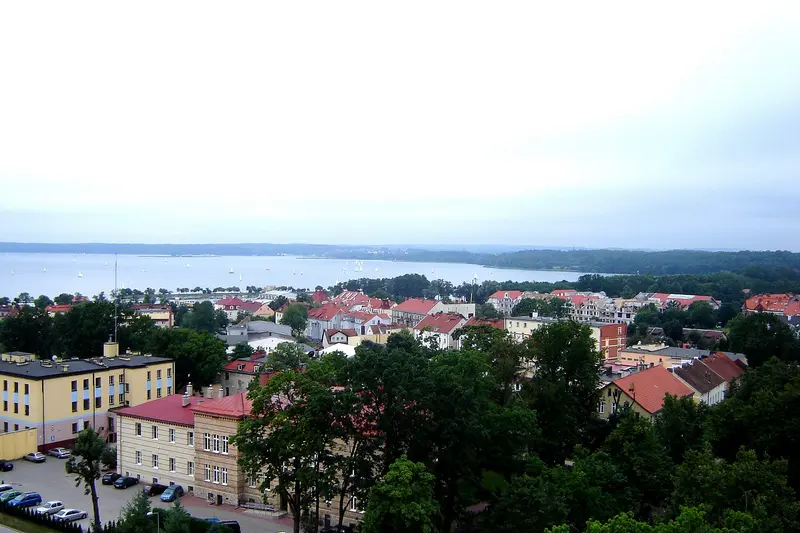
Allenstein (Olsztyn) is the capital of the Warmian-Masurian Voivodeship and, with over 165,000 inhabitants, the largest city in the region. It is situated on the Łyna River (Alle) in historical Warmia and was founded in 1353.
Discover the most important sights and attractions
Museum
Wolfsschanze (Wilczy Szaniec)
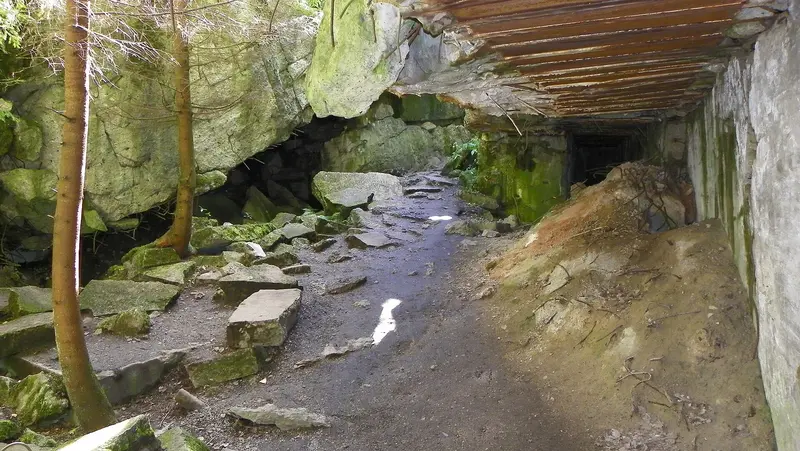
In the forest near Gierłoż, close to Kętrzyn (Rastenburg), from autumn 1940, the Nazi leadership had a Führer Headquarters, with bunkers and barracks spanning approximately 250 hectares, constructed by the Organisation Todt, traversed by the Kętrzyn–Węgorzewo railway line. Hitler resided here intermittently from June 1941 to November 1944. On July 20, 1944, the assassination attempt by Claus Schenk Graf von Stauffenberg failed here, which has been commemorated by a memorial plaque since 1992. On the night of January 25, 1945, German pioneers blew up the facilities. The ruins have been accessible since 1959 and are visited today as a site of history and remembrance.
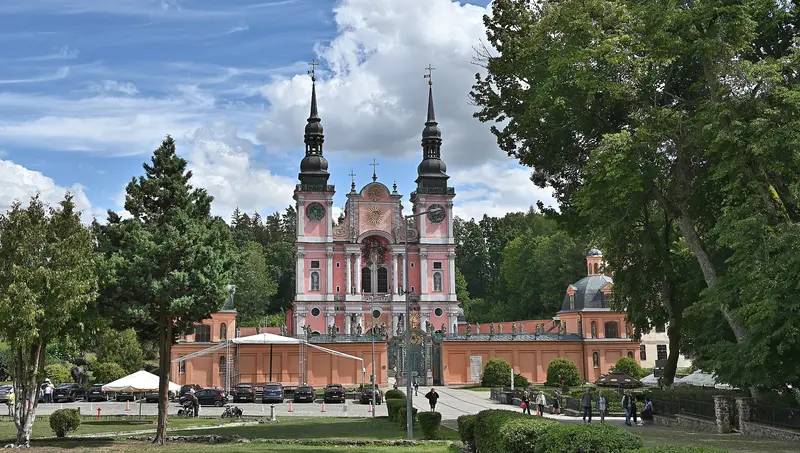
The basilica lies between Lakes Wirowe and Dejnowa in the municipality of Reszel (Rößel) and is among Poland's most famous Marian pilgrimage sites. The Jesuits built the present Baroque church from 1688 to 1693, its facade completed around 1730. The organ by Johann Josua Mosengel from Königsberg (1719-1721) is known for its movable figures. It has been a Basilica minor since 1983.
The Krutynia is 99 kilometers long. Its canoe trail is around 91 kilometers long; the most popular route leads from Sorkwity, via lakes and river sections, to Ruciane-Nida, through the Piska Heath (Puszcza Piska) and the Masurian Landscape Park.
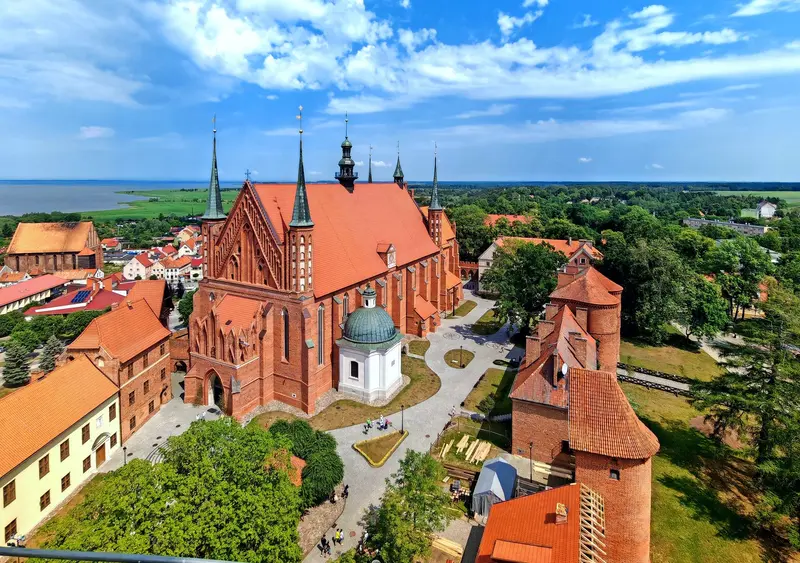
On the fortified Cathedral Hill of Frauenburg (Frombork) on the Vistula Lagoon stands the Gothic Cathedral, seat of the Warmian Cathedral Chapter. Nicolaus Copernicus lived and worked here as a canon from 1510 almost continuously until his death in 1543, wrote his magnum opus De revolutionibus here, and is buried in the Cathedral. On the hill are the Copernicus Museum, a planetarium in the Radziejowski Tower, and a Foucault pendulum.
Die SWR-Journalistin Julia Finkernagel steuert ein Hausboot von Danzig durch Ermland-Masuren bis zu den Masurischen Seen, fährt bergauf durch den Oberlandkanal und probiert die ermländische Küche.
Judith Rakers reist für ARD Reisen durch die Masurische Seenplatte: per Kajak…