Fernweh: Home
    ExploreTravel GuidesPlan a tripMy tripLast visited
    de|en
    All Places & RegionsAll highlightsAbout FernwehFAQPrivacy PolicyImprint
    ExploreTravel GuidesPlan a tripMy tripLast visited
    • Neighborhoods & highlights
    • Eat & drink
    • Culture
    • Nightlife
    • Getting around
    • Accommodation
    • Plan trip
    • Nearby
    Wicker Park and Logan Square
    Logan_Square_Monument.jpg: Jeff Hottinger, derivative work: Eco84 / Wikimedia Commons / CC BY-SA 2.0

    United States

    Wicker Park and Logan Square

    City

    Wicker Park and Logan Square sit northwest of downtown on the Blue Line, 15 to 25 minutes from the Loop.

    by Felix Gillen

    1. Home
    2. Destinations
    3. United States
    4. Chicago
    5. Wicker Park and Logan Square
    Wicker Park and Logan Square sit northwest of downtown on the Blue Line, 15 to 25 minutes from the Loop. Come for the record stores, bookshops and vintage boutiques, restaurants locals cross town for, and bars that often stay open until 2 a.m.Wicker Park centers on Six Corners, where Milwaukee, Damen and North avenues meet, with Bucktown just to the north. Farther northwest, Logan Square has wide boulevards, greystone two-flats and the Illinois Centennial Monument. The 606, an elevated trail, ties the two together.Both are residential neighborhoods without big-ticket sights. The draw is browsing, eating and going out, so come in the late afternoon and stay into the evening.

    Sights in Wicker Park and Logan Square

    Discover the most important sights and attractions

    The 606 (Bloomingdale Trail)
    Attraction

    1The 606 (Bloomingdale Trail)

    The 4.3 km elevated path, a former freight line, spans Bloomingdale Avenue from Bucktown to Humboldt Park, with small parks, art installations, rooftop views. Free, open 6 AM to 11 PM. Weekends busy with joggers/cyclists. For calmer visits, go early or weekdays. Access points near Blue Line stations Damen & Western.
    Open in Google Maps
    Illinois Centennial Monument
    Historic Landmark

    2Illinois Centennial Monument

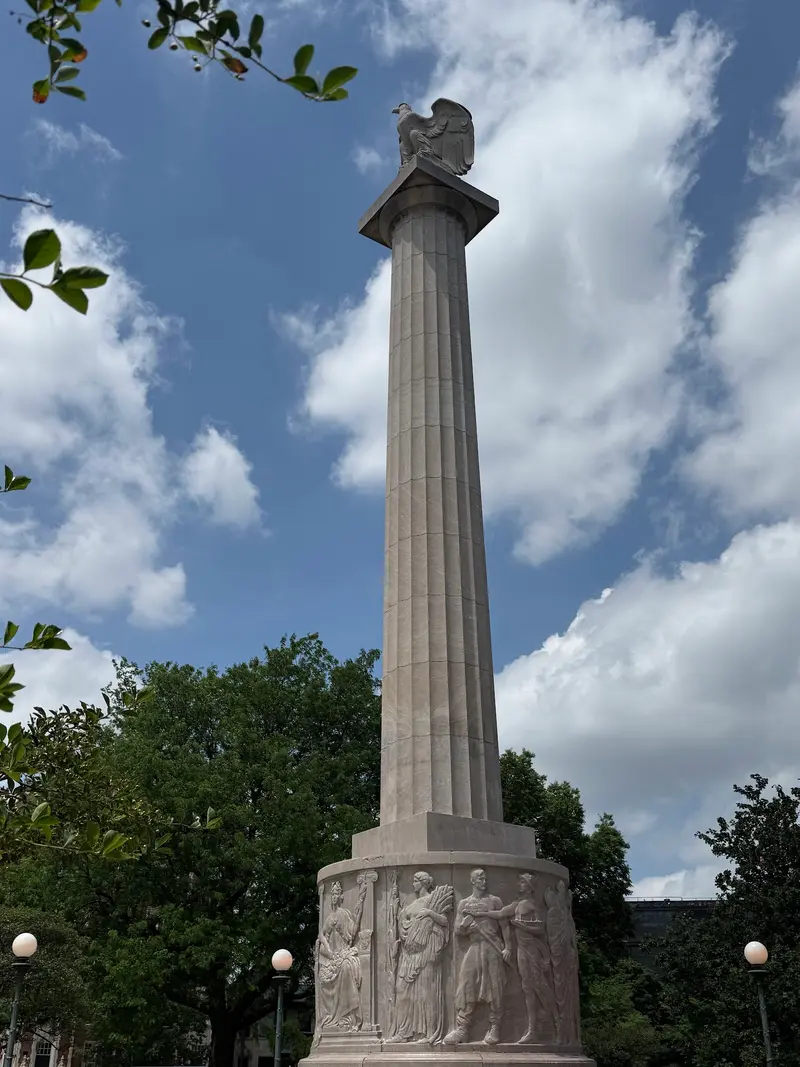
    The 21-meter white column, topped with an eagle, was erected in 1918 for Illinois' 100th anniversary. It was designed by Henry Bacon, architect of the Lincoln Memorial, with reliefs by Evelyn Beatrice Longman. It stands centrally in the square at the Logan Square Blue Line exit, surrounded by boulevards and Greystone houses.
    Open in Google Maps
    Myopic Books
    Point of Interest

    3Myopic Books

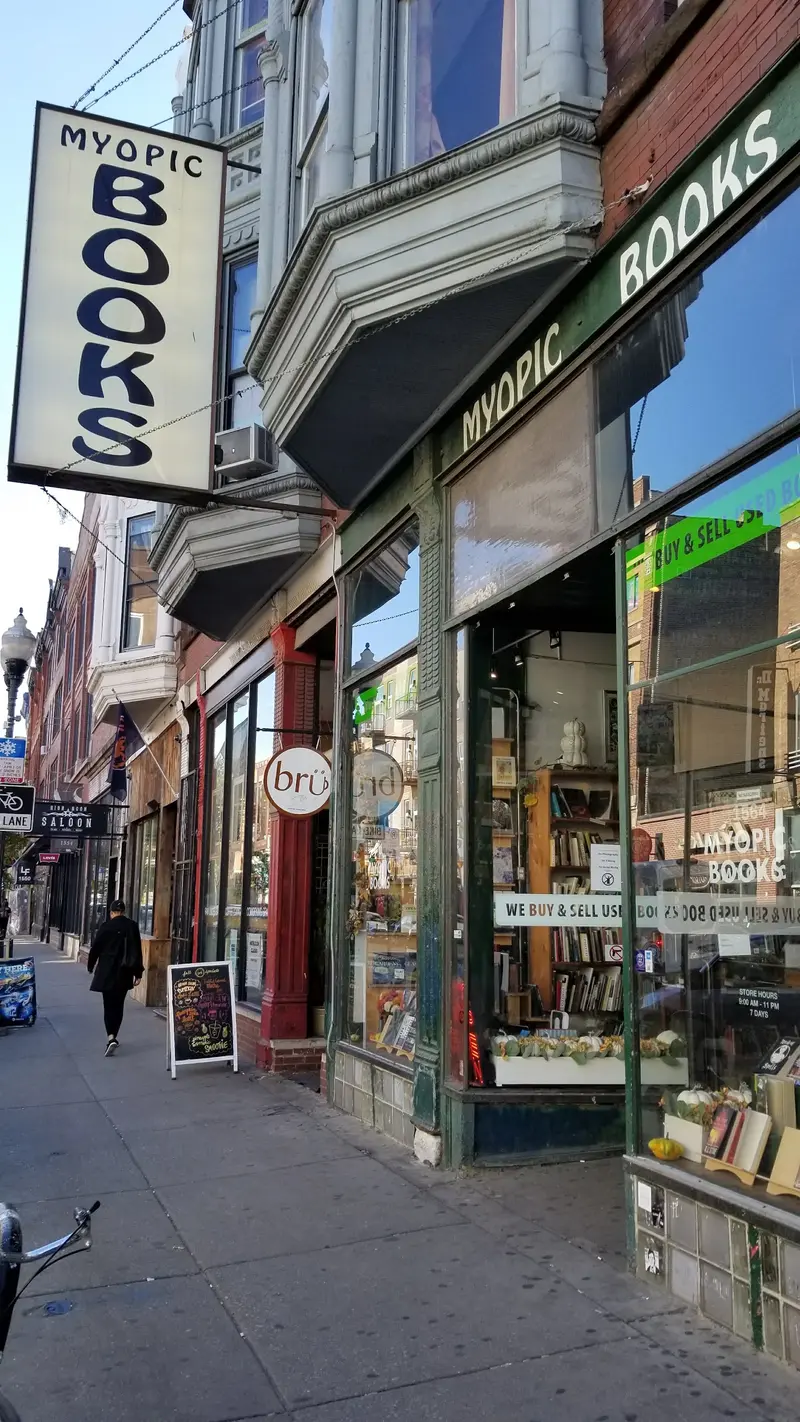
    Used bookstore on three floors at 1564 North Milwaukee Avenue, right at Six Corners. Narrow shelves reach the ceiling; regular readings are held. Open daily approx. 9 AM to 11 PM, a good spot when it rains or snows. Diagonally opposite is the 1913 Flatiron Arts Building with studios.
    Open in Google Maps
    Logan Theatre
    Point of Interest

    4Logan Theatre

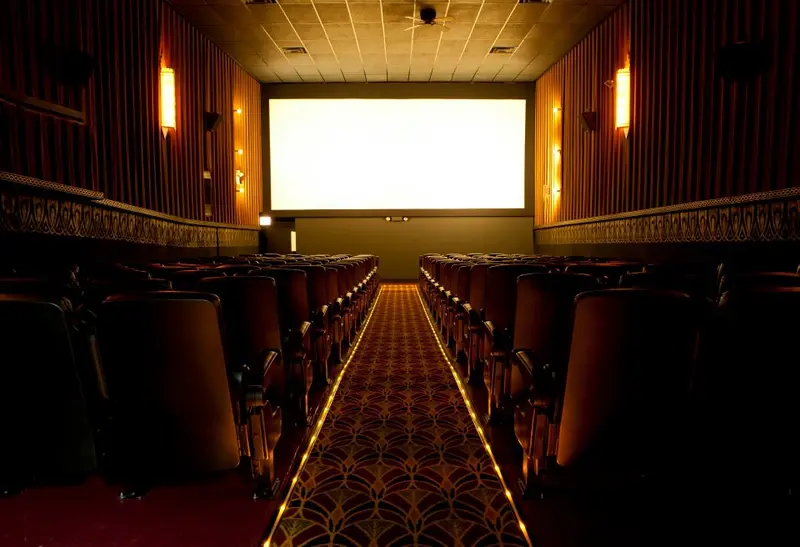
    The cinema at 2646 North Milwaukee Avenue opened in 1915 and, after a renovation, shows current films and classics, plus there's a bar with a 1920s-style lounge. The neon sign on the facade is one of Logan Square's landmarks. Tickets are cheaper than in the big downtown cinemas, good for a rainy evening.
    Open in Google Maps

    Restaurants in Wicker Park and Logan Square

    1

    Big Star

    Taqueria and bar at 1531 North Damen Avenue, diagonally opposite the Damen Blue Line station. Known for Tacos al Pastor, bourbon, and cheap whiskey shots; Time Out calls its patio one of the best spots for daytime drinking. Open daily until 2 AM, Saturdays until 3 AM; from 8 PM, 21+ only.
    Show on Google Maps
    2

    Lula Cafe

    Restaurant at 2537 Kedzie Boulevard, right by Logan Square, and one of the pioneers of farm-to-table cuisine in Chicago. The menu changes with the seasons and farm deliveries. On weekends, brunch is so popular that you should expect a wait; in the evening, a reservation is recommended.
    Show on Google Maps
    3

    Andros Taverna

    Greek restaurant at 2542 North Milwaukee Avenue in Logan Square, featuring a lush, green dining room, grilled fish, and sharing meze. Choose Chicago names it one of the city's premier addresses for upscale Greek cuisine. Reservations are recommended for weekend evenings.
    Show on Google Maps

    Culture and history

    Brothers Charles and Joel Wicker began developing the area in 1870. After the Great Fire of 1871, well-off German and Scandinavian families built mansions here alongside workers' cottages. Milwaukee Avenue later became the main street of Polish Chicago, and from the 1960s many Puerto Rican families moved in.In the 1990s Wicker Park was the center of the city's indie-rock scene; today boutiques and restaurants line the main drags. Logan Square followed a similar path in the 2000s and is now one of Chicago's go-to dining neighborhoods.The 1918 Illinois Centennial Monument, a 70-foot Doric column topped by an eagle, was designed by Henry Bacon, architect of the Lincoln Memorial. It marks the spot where Kedzie Boulevard, Logan Boulevard and Milwaukee Avenue meet.

    Nightlife

    1

    Subterranean

    Music club in a century-old industrial building at 2011 West North Avenue, just steps from Six Corners. It primarily features smaller indie bands and local acts, and there's a bar. Schedule and tickets are available on the website; for popular acts, it's best to buy in advance.
    Show on Google Maps
    2

    Billy Sunday

    Cocktail bar at 3143 West Logan Boulevard, just steps from the Logan Square Monument. Fodor's praises its collection of vintage spirits and classic cocktails with unusual ingredients. The space is small and dark, good for two post-dinner drinks in the neighborhood; on weekends, there can be a wait.
    Show on Google Maps
    3

    The Violet Hour

    Cocktail bar behind an unassuming facade at 1520 North Damen Avenue, opposite Big Star. Inside, it's dim and quiet, and the menu is long and carefully curated. According to Fodor's, you often have to wait for a spot, so it's best to arrive early in the evening or during the week.
    Show on Google Maps

    Getting around Wicker Park and Logan Square

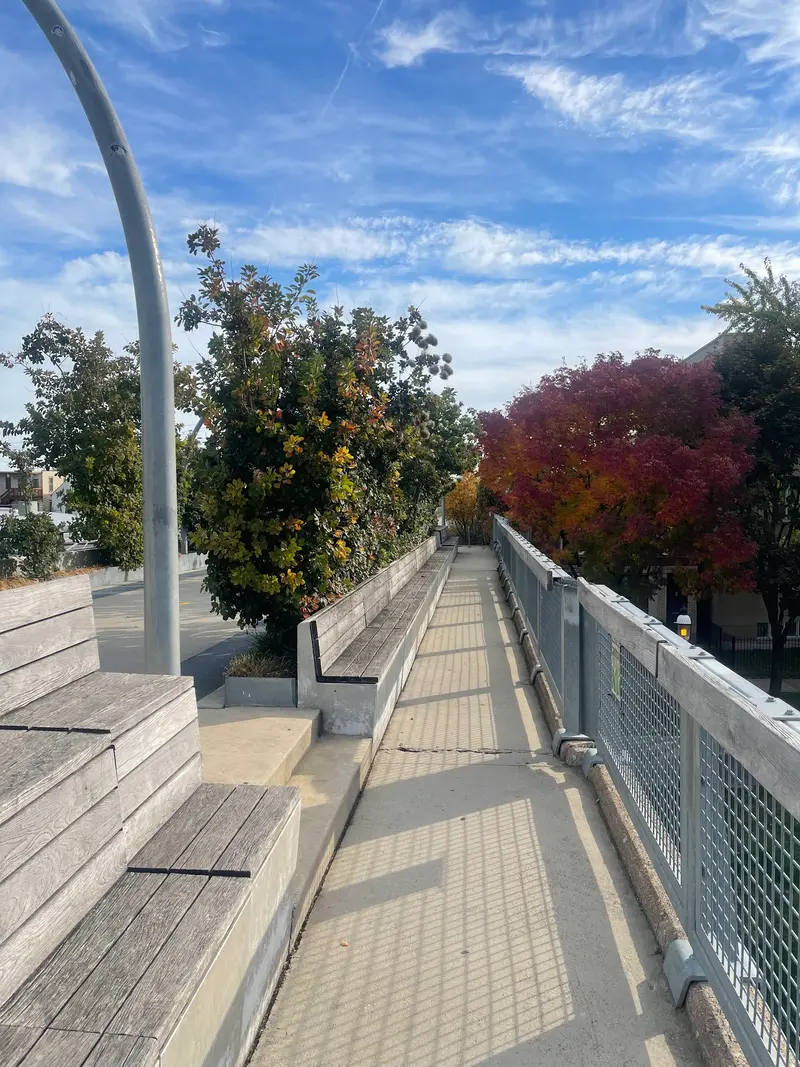
    The Blue Line is your main link: about 15 minutes from the Loop to the Division and Damen stops in Wicker Park, 20 to 25 to Logan Square and California. It runs 24/7 and is also the direct line to O'Hare. A ride is about $2.50.The 606: This 2.7-mile elevated trail links Wicker Park, Bucktown, Humboldt Park and Logan Square and is open roughly 6 a.m. to 11 p.m. On foot or by bike, it's the nicest way between neighborhoods.Divvy: Bike-share docks are on many corners, including right at the 606 access ramps.Driving: Street parking is tight and metered, and some blocks require a residential permit. Take the train.

    Accommodations in Wicker Park and Logan Square

    Find perfect stay in Wicker Park and Logan Square

    Booking.com* (Affiliate link)
    Search Hotels
    Agoda* (Affiliate link)
    Search Hotels
    Airbnb
    Vacation Rentals

    * Affiliate link: if you book through it, we earn a small commission. The price stays the same for you.

    Campgrounds in Wicker Park and Logan Square

    Find perfect campground in Wicker Park and Logan Square

    Search via Google Maps
    Campgrounds nearby (15km)
    Camping.info
    Find Campgrounds
    Park4Night
    RV Parks & Camping

    Plan your trip to Wicker Park and Logan Square

    Save places, build a route and plan your city trip, all in one place.

    1. 1
      Sunrise over alpine peaks and a sea of clouds
      1234

      Round trip

      12 days · 4 stops

      Saved

      Pick a route

      Pick a ready-made one or save places and plan your own.

      Open bookmarks
    2. 2

      Trip to Wicker Park and Logan Square

      Live
      • 1The 606 (Bloomingdale Trail)3 days
      • 2Illinois Centennial Monument4 days
      • 3Myopic Books5 days
      Budget

      Plan your trip

      The planner sorts stops, days and budget. Plan together in real time.

      Start trip planning
    3. 3
      9:41 No signal
      Wicker Park and Logan Square
      Available offline

      Use it on the road

      Download the guide to your phone and use it on site, even offline.

    Nearby

    River North, Magnificent Mile and Streeterville

    River North, Magnificent Mile and Streeterville

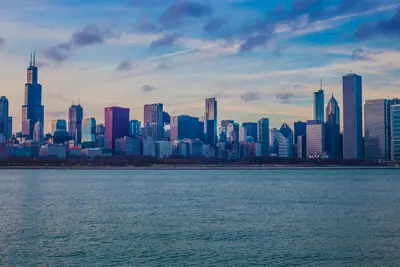
    River North, the Magnificent Mile and Streeterville sit just north of the Chicago River, between the river, the lake and Chicago Avenue. This is where most visitors stay, and where you'll find the big shopping streets, hotels, restaurants and galleries.The Magnificent Mile is the stretch of North Michigan Avenue from the river up to Oak Street, lined with department stores and flagship shops. To the west, River North is a former warehouse district now full of galleries, steakhouses and bars. East toward the lake, Streeterville is high-rise apartments, the hospital district and Northwestern's downtown campus.Navy Pier and 360 Chicago are covered on the main Chicago page. If you're picking one area for your hotel, this is the most practical: the Loop, the lakefront and the Red Line are all within walking distance.
    The Loop and Millennium Park

    The Loop and Millennium Park

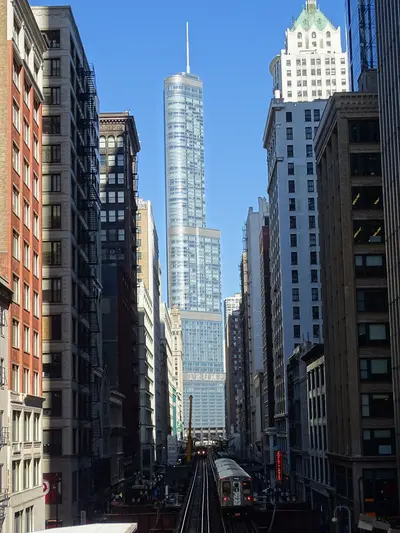
    The Loop is Chicago's downtown, wedged between the Chicago River and Lake Michigan and named for the elevated tracks that circle it. Come for more than a century of skyscraper architecture, public art on every other plaza, and the lakefront parks.The Great Chicago Fire of 1871 leveled nearly everything here, and the rebuild gave rise to the Chicago School of architecture. Within a few blocks, 1880s office towers stand next to Mies van der Rohe glass boxes. To the east, Grant Park, Millennium Park and Maggie Daley Park run along the lake.Millennium Park and Cloud Gate, the Art Institute, Willis Tower and the Riverwalk are covered on the main Chicago page. On weekdays the Loop is packed with office workers; evenings and weekends the side streets go quiet, except for the theater district around State Street.
    Chicago

    Chicago

    Chicago, on the southwest shore of Lake Michigan, is where the skyscraper was born. After the Great Fire of 1871 the city rebuilt fast, and the Home Insurance Building of 1885 is generally counted as the first modern high-rise. Architecture is still the main draw, along with the lakefront museums and a food scene built on deep-dish pizza and Italian beef.Downtown is the Loop, named for the elevated tracks that circle the business district. Millennium Park and Cloud Gate, the Art Institute of Chicago and the Riverwalk are all within a few blocks. The best introduction is the Chicago Architecture Center's 90-minute river cruise, which passes more than 50 buildings. It runs from mid-March into the fall; book ahead for summer weekends.For the view from the top you have two choices: the Skydeck on the 103rd floor of Willis Tower, with the glass boxes of The Ledge, or 360 Chicago on the 94th floor on the Magnificent Mile, closer to the lake. From O'Hare, the Blue Line runs 24 hours a day and reaches downtown in 40 to 45 minutes; from Midway, the Orange Line takes 20 to 25 minutes.The neighborhoodsThe Loop and Millennium Park: downtown, with Chicago School skyscrapers, plaza art and the lakefront parks.River North, Magnificent Mile and Streeterville: just north of the river, with the big shopping strip, galleries, steakhouses and most of the hotels.Museum Campus and South Loop: the aquarium and planetarium on the lake, Printers Row and jazz clubs.Wicker Park and Logan Square: residential neighborhoods on the Blue Line with record stores, restaurants, cocktail bars and The 606 trail.
    Museum Campus and South Loop

    Museum Campus and South Loop

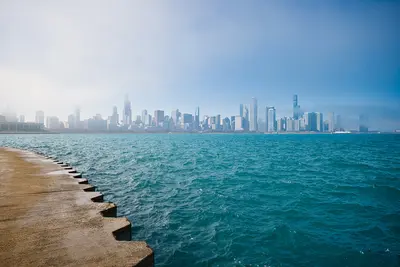
    The Museum Campus and the South Loop lie just south of downtown, between Roosevelt Road and the lakefront. Come for the three big museums on the lake, the skyline views, and a night of jazz or blues in clubs that have been around for decades.The Museum Campus is parkland built on landfill, with the Shedd Aquarium, Adler Planetarium and Field Museum clustered together and Soldier Field just behind. To the west, the South Loop was once a district of print shops and rail terminals; today it's residential, with historic Printers Row and the mansions of Prairie Avenue.The Field Museum and Buddy Guy's Legends are covered on the main Chicago page. Set aside a full day for the Museum Campus if you want to see more than one museum.
    Illinois

    Illinois

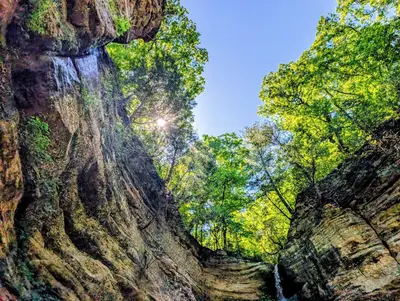
    Illinois runs from Lake Michigan in the northeast to the Ohio and Mississippi rivers in the south and west. Once you leave Chicago, the highlights are Abraham Lincoln's Springfield, the Mississippian earthworks across the river from St. Louis, and the sandstone canyons along the Illinois River.Springfield, the state capital, is the place for Lincoln: his home, his tomb and the Presidential Museum are all close together, and one full day covers the essentials. It sits on old Route 66, about a 3.5-hour drive from Chicago.Cahokia Mounds, near Collinsville and about 15 minutes from downtown St. Louis, was the largest city north of Mexico around 1100. You can climb the roughly 100-foot Monks Mound by a staircase. The grounds and parking are free and open daily from dawn to dusk.Starved Rock State Park, about 100 miles southwest of Chicago, has 18 sandstone canyons, eight with waterfalls that run best from March through June. In the northwest, the old lead-mining town of Galena has Ulysses S. Grant's home; down south, the hills of Shawnee National Forest are a different Illinois altogether.

    Sources & method

    • Photos: Wikimedia Commons, Google Maps. Each photo carries its credit.
    • Place data such as addresses and ratings comes from Google Maps.
    • The content is based on web research from public, traceable sources. How the content is made · The role of AI