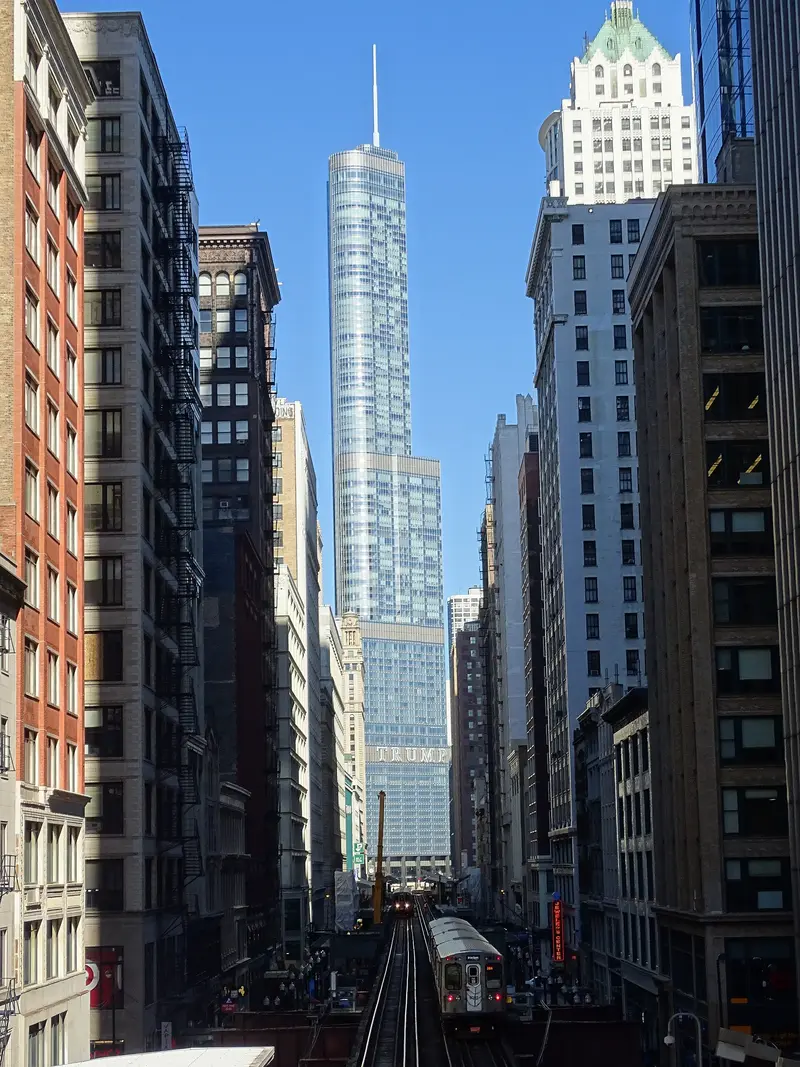
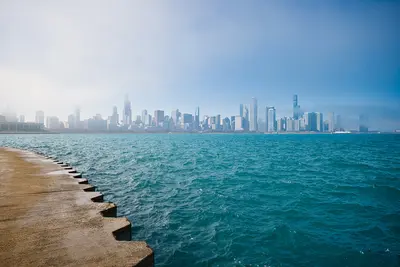
The Loop is Chicago's downtown, wedged between the Chicago River and Lake Michigan and named for the elevated tracks that circle it. Come for more than a century of skyscraper architecture, public art on every other plaza, and the lakefront parks.The Great Chicago Fire of 1871 leveled nearly everything here, and the rebuild gave rise to the Chicago School of architecture. Within a few blocks, 1880s office towers stand next to Mies van der Rohe glass boxes. To the east, Grant Park, Millennium Park and Maggie Daley Park run along the lake.Millennium Park and Cloud Gate, the Art Institute, Willis Tower and the Riverwalk are covered on the main Chicago page. On weekdays the Loop is packed with office workers; evenings and weekends the side streets go quiet, except for the theater district around State Street.
Sights in The Loop and Millennium Park
Discover the most important sights and attractions
Attraction
1Chicago Cultural Center
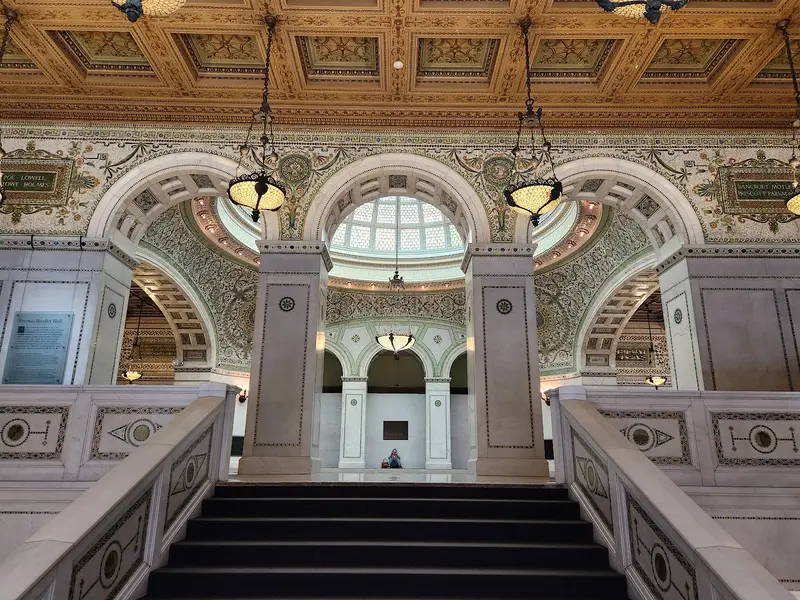
The former main library, built in 1897 at 78 East Washington Street, opposite Millennium Park, boasts the world's largest Tiffany glass dome in Preston Bradley Hall. Open daily from 10 AM to 5 PM, admission to the building and exhibitions is free. Free building tours are available Thursdays and Fridays at 1:15 PM. A good place to warm up in winter.
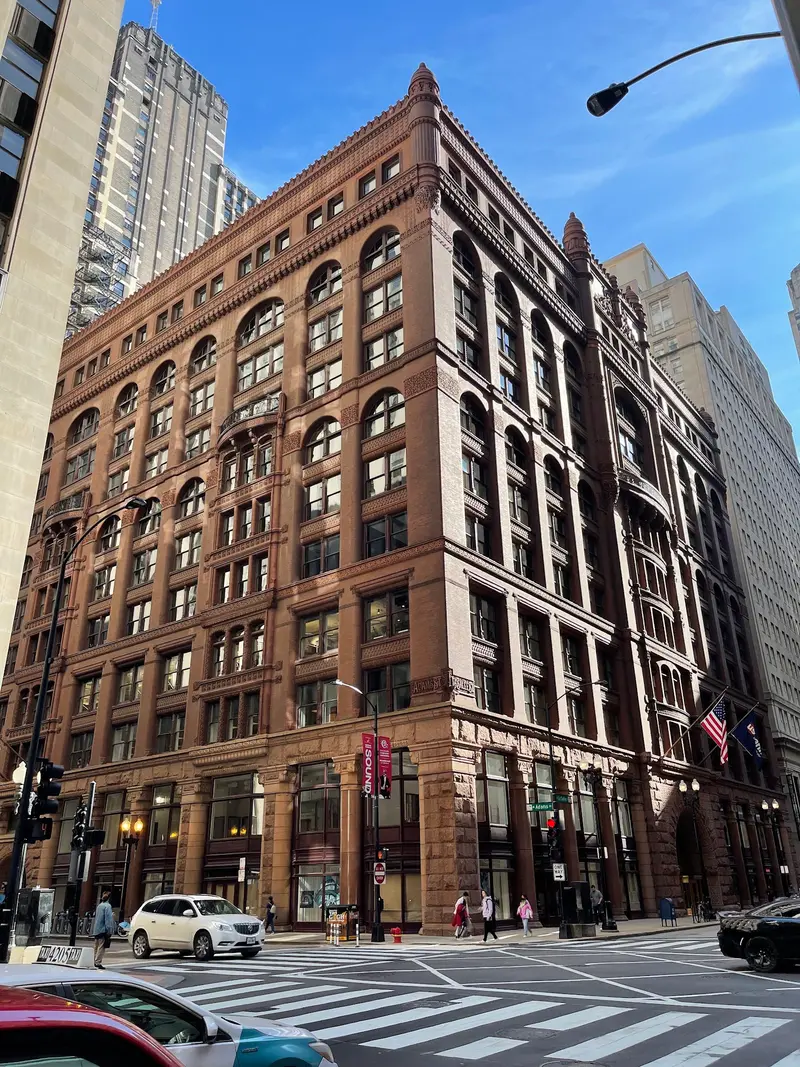
The office building at 209 South LaSalle Street, completed in 1888 by Burnham and Root, is one of the city's oldest surviving skyscrapers. Its glass-roofed atrium was redesigned by Frank Lloyd Wright between 1905 and 1907, bright and in white and gold. You can usually enter the atrium during business hours without a tour; the Frank Lloyd Wright Trust offers interior tours on weekdays.
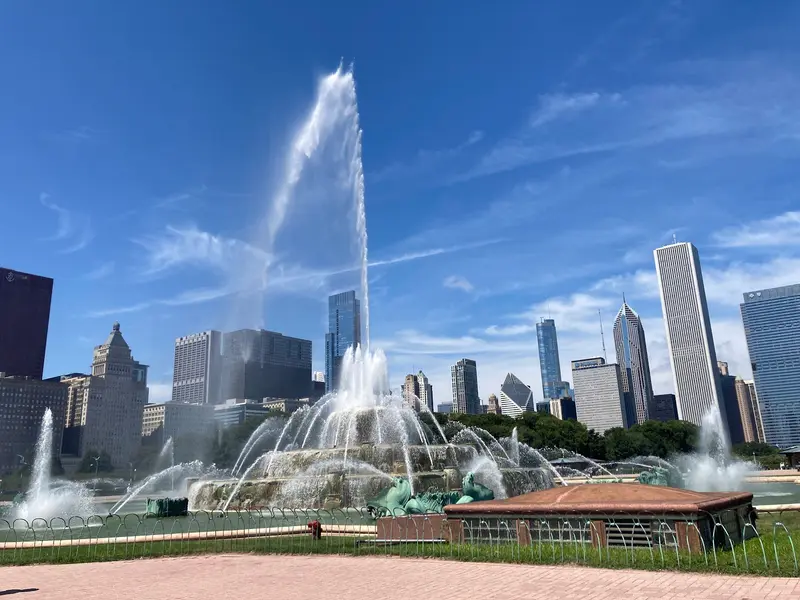
The pink marble fountain from 1927 stands in the middle of Grant Park at the end of Congress Plaza. Approximately from early May to mid-October, it comes on every full hour for around 20 minutes, with the central jet then reaching up to 46 meters; after nightfall, it is colorfully illuminated. In winter, it is dry.
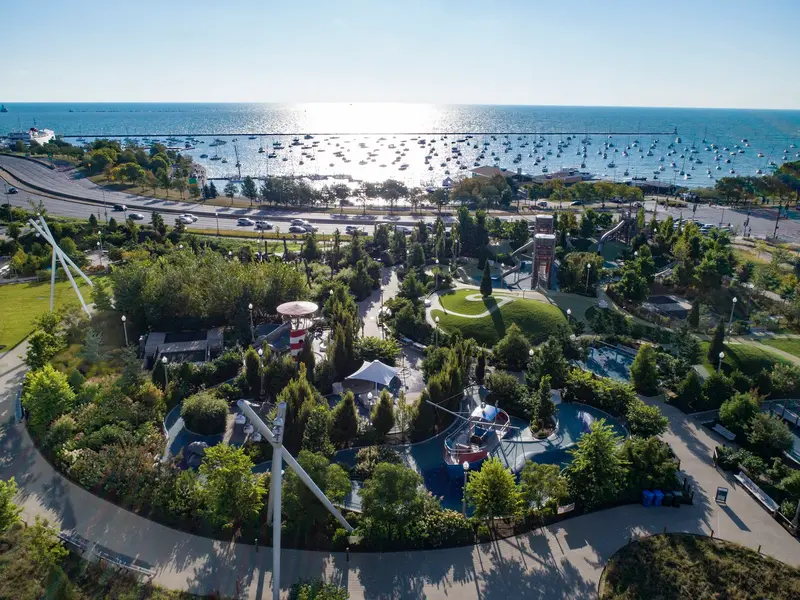
The 2014-opened park between Millennium Park and the lakeshore is reachable via Frank Gehry's curved BP Pedestrian Bridge. Children climb in the large play garden; climbing walls cater to all age groups. In winter, a roughly 400-meter-long ice ribbon winds through the park; skates can be rented on site. Open daily, 6 AM to 11 PM.
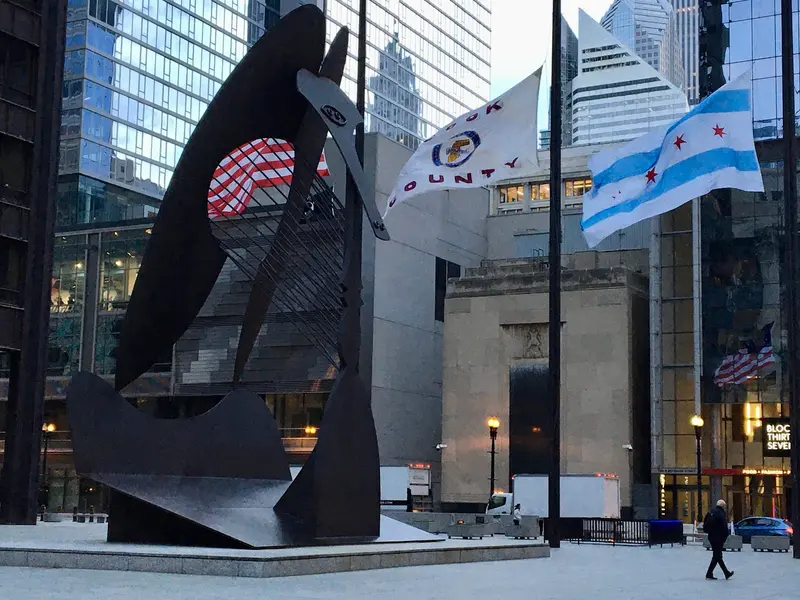
This roughly 15-meter-tall, rust-brown Cor-Ten steel sculpture was unveiled in 1967 at the Richard J. Daley Center. Picasso declined a $100,000 fee and gifted it to the city; its meaning remains open to interpretation. Children enjoy sliding down its slanted base. In summer, the square hosts a seasonal farmers' market.
Traditional restaurant at 77 East Adams Street, just one block from the Art Institute, with red upholstery and samovars. The menu features borscht, blini with caviar, Beef Stroganoff, and honey cake, plus flights of homemade vodkas. Popular before concerts at the nearby Symphony Center; reservations recommended.
Restaurant on the corner of State and Washington Street, right in the Loop. Serving reinterpreted American classics like orzo with pesto and banana pudding on brioche. A good midday break between museum and architecture tours, a quiet choice in the evening before the theater. Time Out lists it among the reliable addresses in the Loop.
Rooftop restaurant on the Chicago Athletic Association Hotel at 12 South Michigan Avenue, with views over Millennium Park to the lake. Serving sharing plates and strong cocktails; according to Time Out, the view is especially worth it. For a table at sunset on the weekend, you should make a reservation; the bar gets crowded in the evenings.
The Great Chicago Fire of 1871 burned almost all of what is now the Loop. During the rebuild, architects such as Daniel Burnham, John Root and Louis Sullivan experimented with steel frames, big windows and elevators, and the Chicago School they created shaped the skyscraper.Public art has been part of the Loop since the 1960s. Picasso gave the city his steel sculpture in Daley Plaza in 1967, and works by Chagall, Miró and Calder followed on the plazas nearby. Grant Park on the lake has been protected by court rulings since the 1800s as "forever open, clear and free."Summer brings big festivals, including Lollapalooza in late July or early August. Parts of Grant Park are fenced off then, and downtown hotel rates jump.
The pub at 134 South Wabash Avenue under the El has been an institution in the Loop for over 80 years: a long wooden bar, spacious booths, celebrity photos on the walls. The kitchen is open late, a great spot for a beer and a late bite after a concert or theater.
Pub at 205 West Lake Street, styled like a monastery cellar. A regular haunt for office workers after hours since the 1970s. Free peanuts on the tables; just toss the shells on the floor. Packed from 5 PM on weekdays, much quieter later in the evening and on weekends.
The Loop is compact: Wacker Drive to Congress Parkway is about a 20-minute walk.The L: The Brown, Green, Orange, Pink and Purple lines run on the elevated Loop; the Red and Blue lines run in subway tunnels underneath and operate 24/7. A ride is about $2.50 with a Ventra card, the Ventra app or a contactless bank card.From the airports: The Blue Line runs straight from O'Hare into the Loop, the Orange Line from Midway.Metra: Commuter trains end at Union Station, Ogilvie, LaSalle Street and Millennium Station.Driving: The garages under Grant Park and Millennium Park are pricey and street parking is close to impossible. Leave the car at the hotel.Winter: The Pedway, a network of underground passages, links many buildings and stations when the wind off the lake gets brutal.