Fernweh: Home
    ExploreTravel GuidesPlan a tripMy tripLast visited
    de|en
    All Places & RegionsAll highlightsAbout FernwehFAQPrivacy PolicyImprint
    ExploreTravel GuidesPlan a tripMy tripLast visited
    • Neighborhoods & highlights
    • Eat & drink
    • Culture
    • Getting around
    • Accommodation
    • Plan trip
    • Nearby
    Trincomalee
    Ceylon Hunt / Wikimedia Commons / CC BY-SA 4.0

    Sri Lanka

    Trincomalee

    City

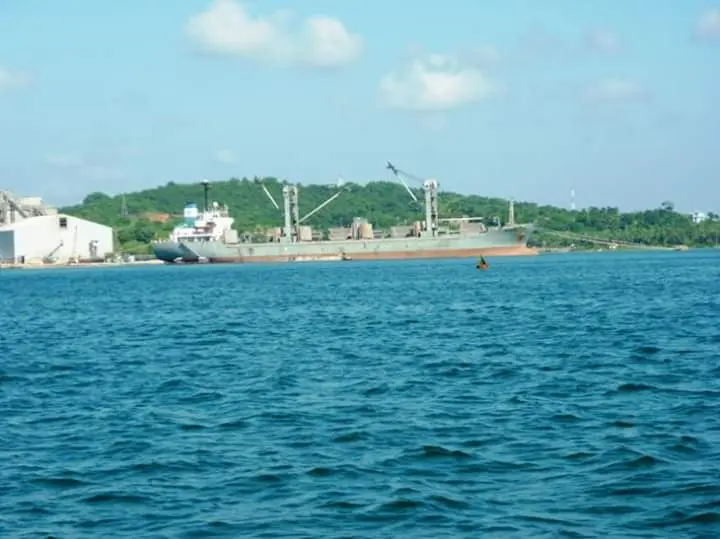
    Trincomalee, the capital of the Eastern Province, is home to one of the world's largest natural harbours.

    by Felix Gillen

    1. Home
    2. Destinations
    3. Sri Lanka
    4. East Coast
    5. Trincomalee
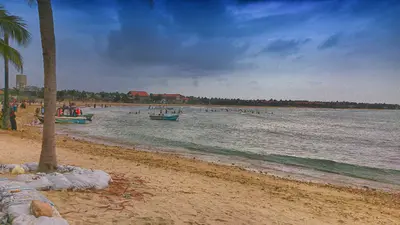
    Trincomalee, the capital of the Eastern Province, is home to one of the world's largest natural harbours. You come here for the Koneswaram Temple high above the sea, Fort Frederick, and the beaches north of the city, which are at their best from May to September.The circular harbour is framed by two headlands and terraced hills; Admiral Horatio Nelson reportedly called it the most beautiful harbour in the world. Fort Frederick is situated on the peninsula between the harbour and the open sea, with Swami Rock and the temple rising at its tip.Most accommodation and restaurants are not found in the centre, but in the northern beach district of Uppuveli, which is considered the city's resort area. From here, it's just a few kilometres to Nilaveli and Pigeon Island National Park.

    Sights in Trincomalee

    Discover the most important sights and attractions

    Fort Frederick
    Historic Landmark

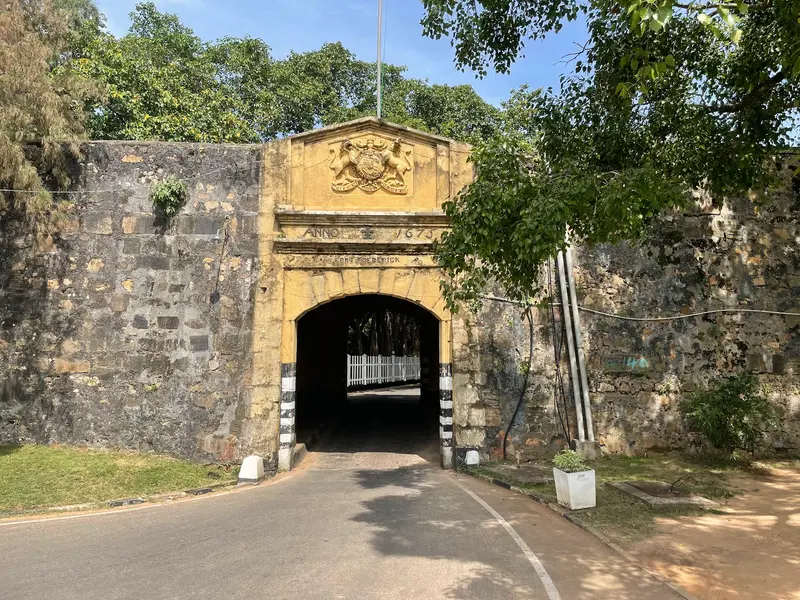
    1Fort Frederick

    The Portuguese built the fortress in the 17th century on the Konamamalai headland; the Dutch expanded and named it Fort Frederick. From 1795, it was a British garrison. Today, the military uses part of the site, but visitors can move freely on the grounds.
    Open in Google Maps
    The Hot Springs of Kanniya
    Park

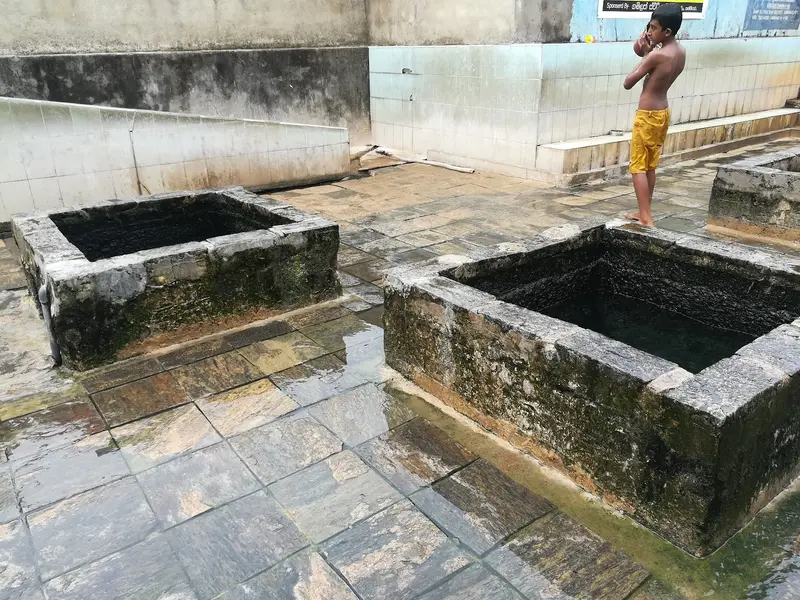
    2The Hot Springs of Kanniya

    Seven square-arranged wells, about a meter deep, each with varying water temperatures. Locals attribute healing properties to the water; a legend links the site with King Ravana. The springs lie a few kilometers outside on the road to Anuradhapura.
    Open in Google Maps
    Commonwealth War Cemetery Trincomalee
    Attraction

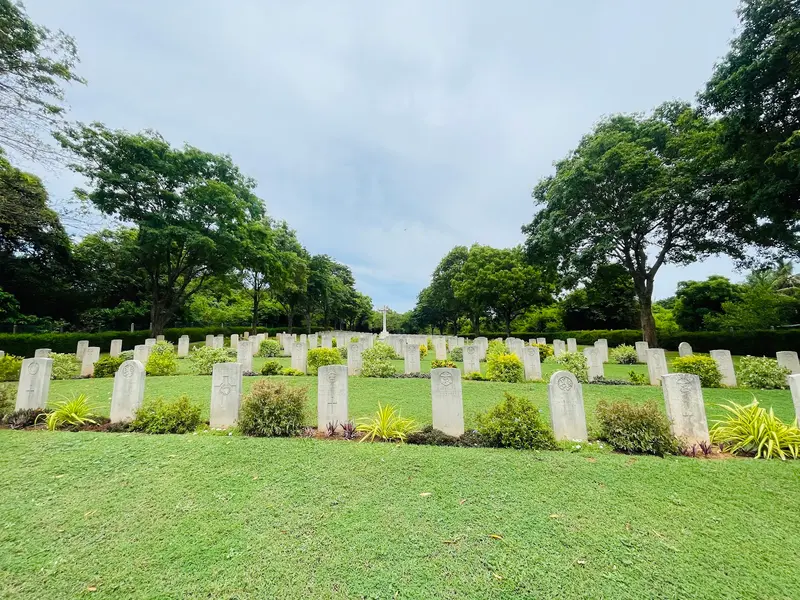
    3Commonwealth War Cemetery Trincomalee

    One of six Commonwealth War Cemeteries in Sri Lanka, on the road from Trincomalee to Nilaveli. Here lie those who fell in World War II, including victims of the 1942 Japanese attack on the harbour.
    Open in Google Maps
    Uppuveli Beach
    Beach

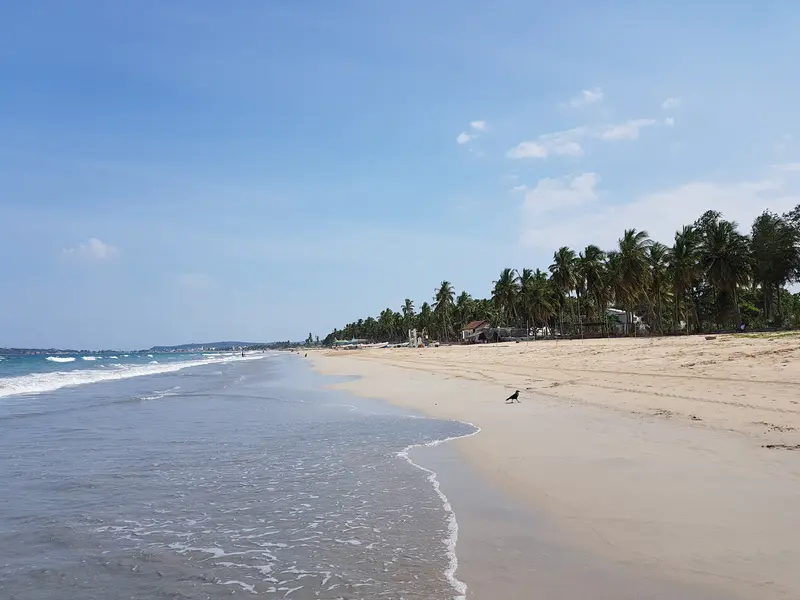
    4Uppuveli Beach

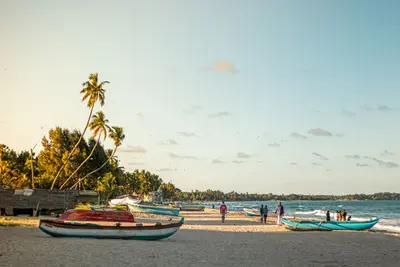
    The beach in the north of the city is Trincomalee's tourist district, complete with guesthouses, restaurants, and bars. In the background, the Konesar Malai headland rises.
    Open in Google Maps
    Natural harbor of Trincomalee
    Natural Feature

    5Natural harbor of Trincomalee

    The circular natural harbour is described as one of the largest in the world and guarded by two headlands. Admiral Nelson called it the most beautiful harbour in the world. You get a good view over the water from the grounds of Koneswaram Temple.
    Open in Google Maps
    Koneswaram Temple
    Temple

    6Koneswaram Temple

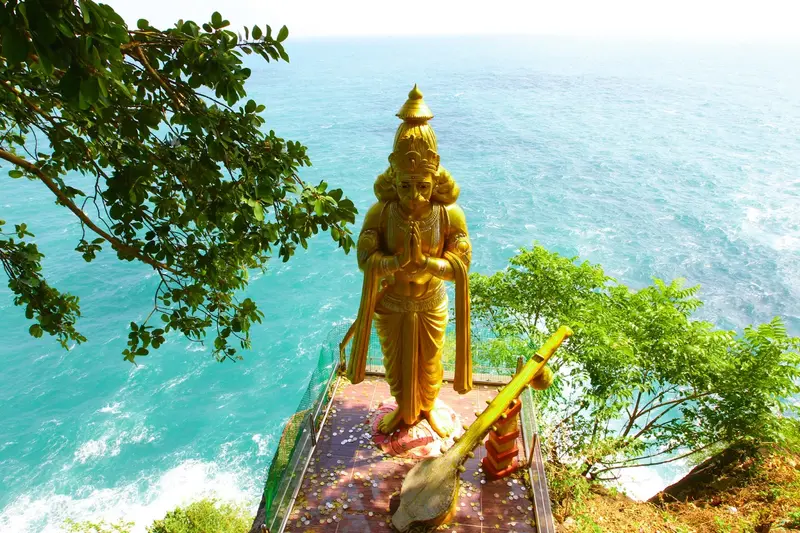
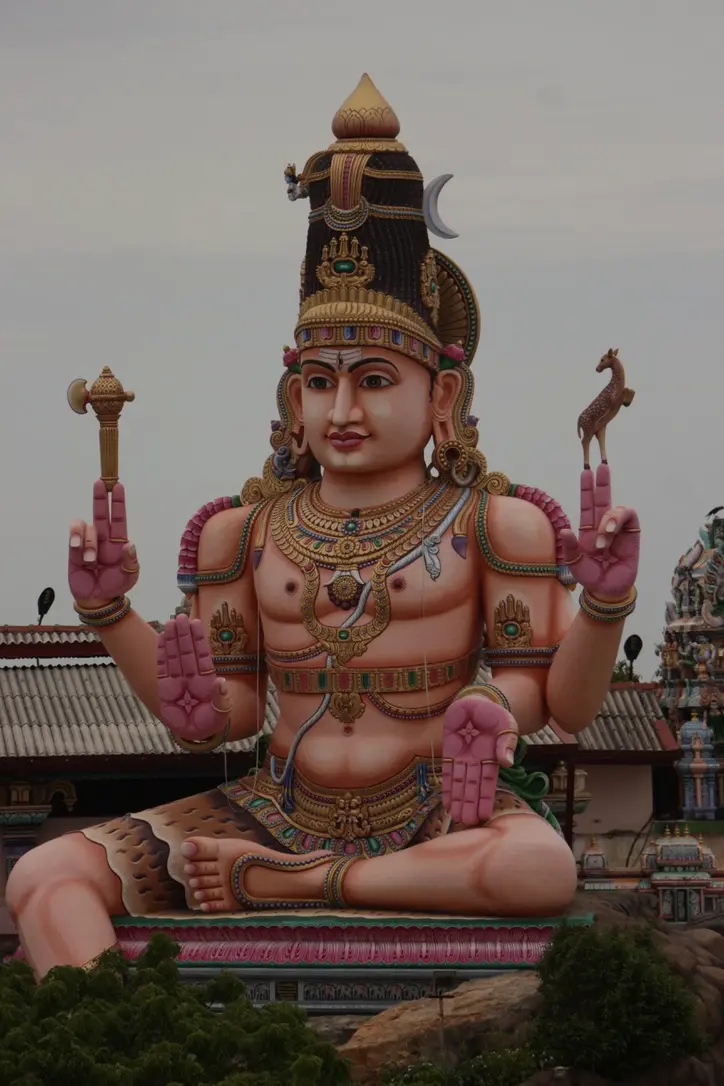
    The Shiva Temple, perched on Swami Rock above the sea, is considered one of Sri Lanka's five great Shiva shrines. The Portuguese destroyed the old temple in 1624 and threw statues into the sea; some were recovered centuries later. The present, significantly smaller structure was built starting in 1963.
    Open in Google Maps

    Restaurants in Trincomalee

    1

    Be Cool Sea Food Restaurant

    Fish restaurant on Beach Road in Uppuveli with seafood like crab and fresh juices, served in coconut shells.
    Show on Google Maps
    2

    Cafe on the 18th

    Breakfast café in Alles Garden, Uppuveli, known for coffee, pancakes, oat and banana porridge, and paninis. It's among the Eastern Province's top-rated spots on TripAdvisor.
    Show on Google Maps
    3

    New Parrot Restaurant

    Casual spot on Main Street downtown with Sri Lankan cuisine like Rice and Curry and Kottu, also vegetarian and vegan dishes.
    Show on Google Maps

    Temples, Festivals & Etiquette

    Koneswaram and the Hindu TraditionThe Koneswaram Temple is considered one of the island's five great Shiva shrines (Pancha Ishwarams) and is an important pilgrimage site. The current structure was built starting in 1963 on part of the original grounds, after the Portuguese destroyed the old temple in 1624.Dress Code and AccessFor temple visits, cover shoulders and knees, and remove shoes before entering.The temple is located within the militarily used Fort Frederick; you will pass checkpoints on the way.Please behave respectfully on the grounds of the Commonwealth War Cemetery.SafetyYou can find current travel and security advice for the region from the UK government's FCDO travel advice (gov.uk/foreign-travel-advice).

    Getting There & Around

    By Train and Bus from ColomboTrains to Trincomalee usually depart from Colombo Fort. A day train, according to timetable portals, leaves at 5:45 AM and arrives in Trincomalee around 11:30 AM; night trains take about 8 hours.Buses take about 6.5 to 9 hours, depending on traffic and stops; air-conditioned Super-Luxury buses mostly run overnight.Timetables change; check them beforehand with Sri Lanka Railways or the bus operator.LocallyBetween the center, Fort Frederick, Uppuveli, and Nilaveli, the easiest way to get around is by tuk-tuk. The Kanniya hot springs are located a few kilometers outside, on the road towards Anuradhapura.

    Accommodations in Trincomalee

    Find perfect stay in Trincomalee

    Booking.com* (Affiliate link)
    Search Hotels
    Agoda* (Affiliate link)
    Search Hotels
    Airbnb
    Vacation Rentals

    * Affiliate link: if you book through it, we earn a small commission. The price stays the same for you.

    Plan your trip to Trincomalee

    Save places, build a route and plan your city trip, all in one place.

    1. 1
      Sunrise over alpine peaks and a sea of clouds
      1234

      Round trip

      12 days · 4 stops

      Saved

      Pick a route

      Pick a ready-made one or save places and plan your own.

      Open bookmarks
    2. 2

      Trip to Trincomalee

      Live
      • 1Fort Frederick3 days
      • 2The Hot Springs of Kanniya4 days
      • 3Commonwealth War Cemetery Trincomalee5 days
      Budget

      Plan your trip

      The planner sorts stops, days and budget. Plan together in real time.

      Start trip planning
    3. 3
      9:41 No signal
      Trincomalee
      Available offline

      Use it on the road

      Download the guide to your phone and use it on site, even offline.

    Nearby

    Nilaveli & Pigeon Island

    Nilaveli & Pigeon Island

    Nilaveli is a beach resort about 16 kilometers northwest of Trincomalee on the east coast. You come here for the long sandy beach and, above all, for Pigeon Island National Park, which is only about one kilometer offshore and is considered one of Sri Lanka's best snorkeling spots.After the 2004 Tsunami and the civil war, visitors stayed away for a long time, but tourism has recovered since 2010. The village itself mainly consists of hotels, guesthouses, and simple restaurants along the coast; tourist life is concentrated on the beach section opposite the island.The name is often interpreted as a combination of Tamil Nilā (moonlight) and vèli (open land). The best time for boat trips and snorkeling is from about April or May to September; outside these months, the Northeast Monsoon makes the sea rough.
    Polonnaruwa

    Polonnaruwa

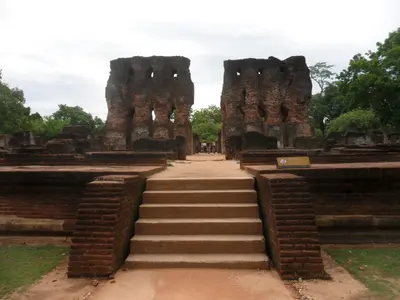
    Polonnaruwa, Sri Lanka's second great royal city after Anuradhapura, boasts an extensive ruined city, a UNESCO World Heritage site since 1982. Palace complexes, temples, and the rock sculptures of Gal Vihara can be easily explored by bike in a day.The city lies east of the Cultural Triangle, by the Parakrama Samudra reservoir. Its archaeological zone stretches north of the current city, while the modern center with train and bus stations is about three kilometers south in the Kaduruwela district.After Vijayabahu I captured the city in 1070, it flourished under Parakramabahu I in the 12th century. From this era derive the Royal Palace, the Sacred Quadrangle with the Vatadage, and irrigation systems surpassing those of the Anuradhapura period.
    Minneriya National Park

    Minneriya National Park

    Minneriya National Park, located in the Cultural Triangle, protects the catchment area of an ancient reservoir and is famous for the so-called Gathering: during the dry season, large numbers of elephants gather on its banks. Estimates range from 150 to 200 animals, with some reports mentioning up to 700.The park is situated approximately 182 kilometres from Colombo, between Sigiriya and Polonnaruwa, and covers nearly 8,900 hectares. King Mahasena commissioned the Minneriya Reservoir in the 3rd century.Declared a protected area in 1938, Minneriya became a National Park in 1997. Besides elephants, Sambar deer, White-bearded langurs, Toque macaques, and rarely leopards live here; additionally, around 160 bird species are recorded, including Grey Pelicans and Painted Storks.
    East Coast

    East Coast

    Sri Lanka's east coast stretches from Trincomalee in the north to Arugam Bay in the south, forming the Eastern Province with the districts of Trincomalee, Batticaloa, and Ampara. This is where you travel primarily in summer: While the monsoon brings rain to the southwest coast, the east coast is dry and the sea calm from around May to September.The region combines long sandy beaches and shallow bays with a rich, layered history. Tamil, Muslim, and Sinhalese communities shape the towns and cuisine, while Portuguese and Dutch forts recall the colonial era.
    Pasikudah

    Pasikudah

    Pasikudah is a coastal resort on the east coast, about 35 kilometres northwest of Batticaloa. You come here for the sheltered bay: a reef runs across the beach, the water remains shallow far out, and you can walk about 50 metres into the sea.The once small Tamil hamlet was severely affected by the civil war and the 2004 tsunami. Since 2009, several resorts have emerged along the bay, but strict environmental regulations have prevented mass development. Pasikudah lies north of the headland, and to its south is the quieter beach of Kalkudah.For a day trip, Batticaloa is worthwhile, with its Portuguese-Dutch fort, the extensive lagoon, and the legend of the singing fish.

    Sources & method

    • Photos: Wikimedia Commons, Google Maps. Each photo carries its credit.
    • Place data such as addresses and ratings comes from Google Maps.
    • The content is based on web research from public, traceable sources. How the content is made · The role of AI