ExploreTravel GuidesPlan a trip
    de|en
    All Places & RegionsAbout FernwehFAQPrivacy PolicyImprint
    ExploreTravel GuidesPlan a trip
    • Neighborhoods & highlights
    • Eat & drink
    • Nightlife
    • Accommodation
    • Plan trip
    • Nearby
    Inner New Town
    CEphoto, Uwe Aranas / Wikimedia Commons / CC BY-SA 3.0

    Germany

    Inner New Town

    City

    Die Innere Neustadt liegt gegenüber der Altstadt in einem Bogen der Elbe und geht auf das frühere Altendresden zurück. Nach einem Stadtbrand wurde sie bis 1732 im Barockstil als "Neue Königliche Stadt" wiederaufgebaut, daher ihr Name.

    1. Home
    2. Destinations
    3. Germany
    4. Dresden
    5. Inner New Town
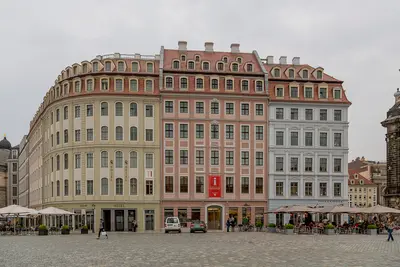
    Die Innere Neustadt liegt gegenüber der Altstadt in einem Bogen der Elbe und geht auf das frühere Altendresden zurück. Nach einem Stadtbrand wurde sie bis 1732 im Barockstil als "Neue Königliche Stadt" wiederaufgebaut, daher ihr Name. Die Hauptstraße führt als Fußgängerzone von der Augustusbrücke über den Neustädter Markt mit dem Goldenen Reiter zum Albertplatz. Barocke Bürgerhäuser stehen vor allem im Barockviertel an der Königstraße.Hier besuchst du das Japanische Palais, die Dreikönigskirche, deren Turm du ganzjährig besteigen kannst, und das Museum für Sächsische Volkskunst im Jägerhof. Aus dem Palaisgarten blickst du über die Elbe auf die Brühlsche Terrasse. Von der Altstadt kommst du zu Fuß über die Augustusbrücke herüber, wichtigste Straßenbahnhaltestelle ist der Albertplatz. Fernzüge halten am Bahnhof Dresden-Neustadt im Nordwesten des Stadtteils.
    The Innere Neustadt is located opposite the Altstadt in a bend of the Elbe and was rebuilt after a city fire by 1732 in Baroque style as the "Neue Königliche Stadt". The Hauptstraße, a pedestrian zone, leads from the Augustusbrücke over the Neustädter Markt with the Goldenen Reiter to the Albertplatz; you'll find baroque townhouses mainly along the Königstraße. The Japanisches Palais, Dreikönigskirche, and the Museum für Sächsische Volkskunst in the Jägerhof are worth a visit. From the Altstadt, you simply walk over the Augustusbrücke.

    Sights in Inner New Town

    Discover the most important sights and attractions

    Golden Rider
    Historic Landmark

    1Golden Rider

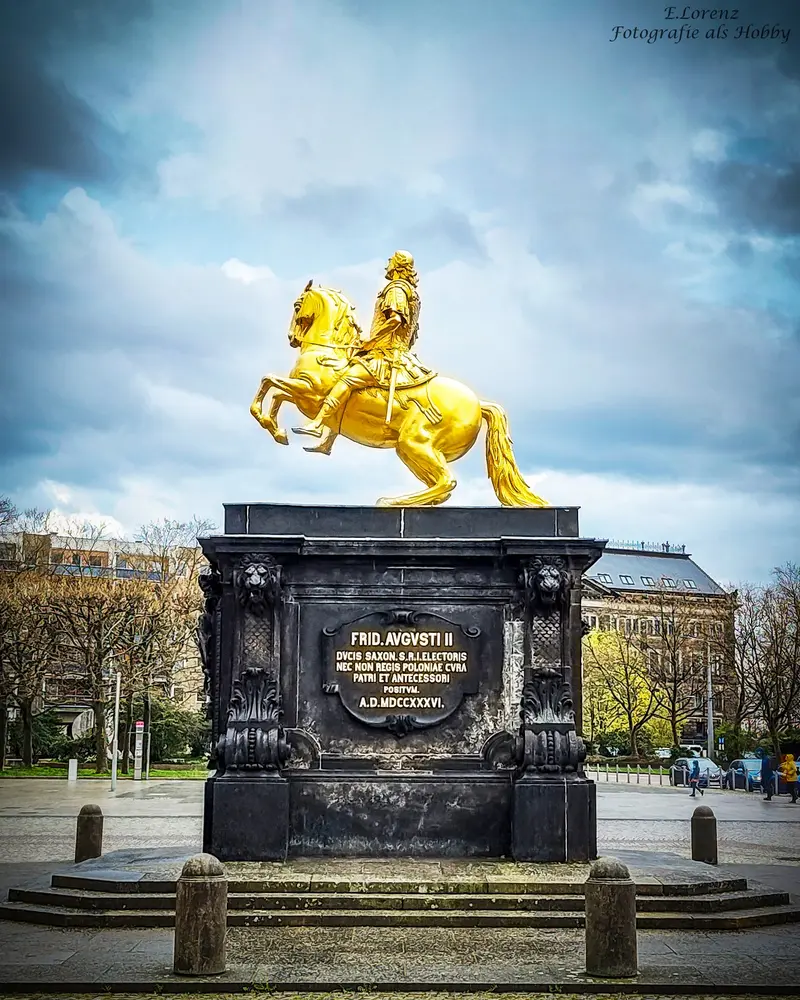
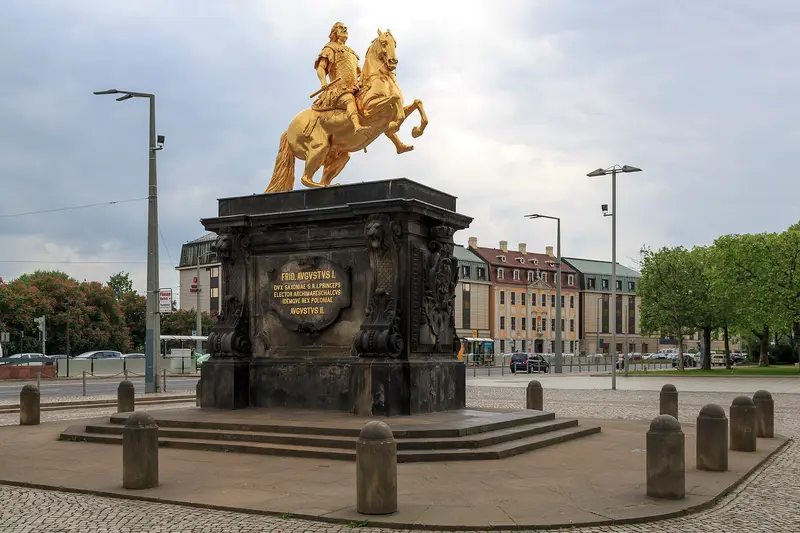
    The fire-gilded copper statue on the Neustadt Market depicts August the Strong as a Roman Caesar in armor, riding northeast towards Poland. Ludwig Wiedemann crafted the figure in copper 1732-1734; it was unveiled November 26, 1736.
    Open in Google Maps
    Japanese Residence
    Museum

    2Japanese Residence

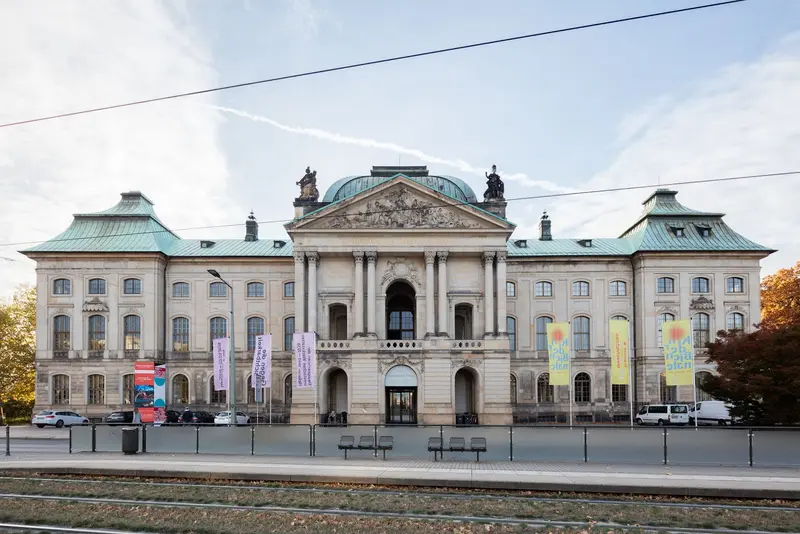
    August the Strong had the former Dutch Palace extended into the Porcelain Palace between 1727 and 1733, based on plans by Pöppelmann, Longuelune, and de Bodt; it has borne its current name since 1732. Today, the Museum of Ethnology and the Senckenberg Natural History Collections, among others, feature exhibitions here. From the Palace Garden, you look out over the Elbe to Brühl's Terrace.
    Open in Google Maps
    Three Kings Church
    Church

    3Three Kings Church

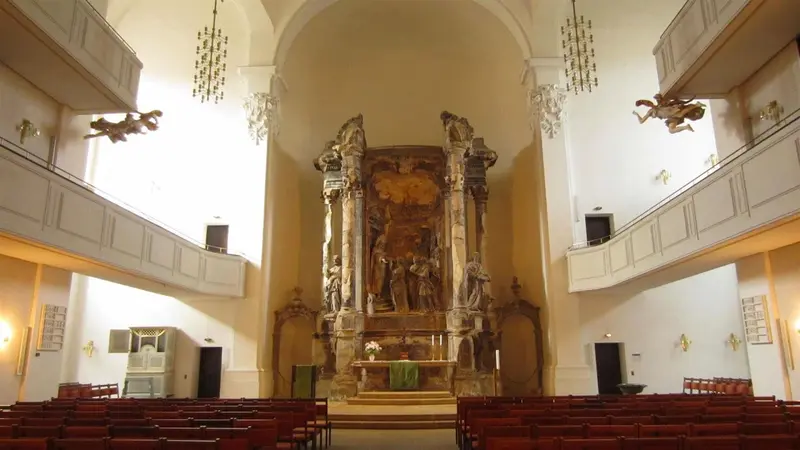
    Construction began in 1732 following Pöppelmann's plans; after his death, George Bähr continued it; the church was consecrated in 1739. After its destruction in 1945, it was rebuilt by 1991; inside hangs the approximately 12.5-meter-long Dresdner Totentanz, and you can climb the 87.5-meter-high tower year-round.
    Open in Google Maps
    Museum for Saxon Folk Art in the Jägerhof
    Museum

    4Museum for Saxon Folk Art in the Jägerhof

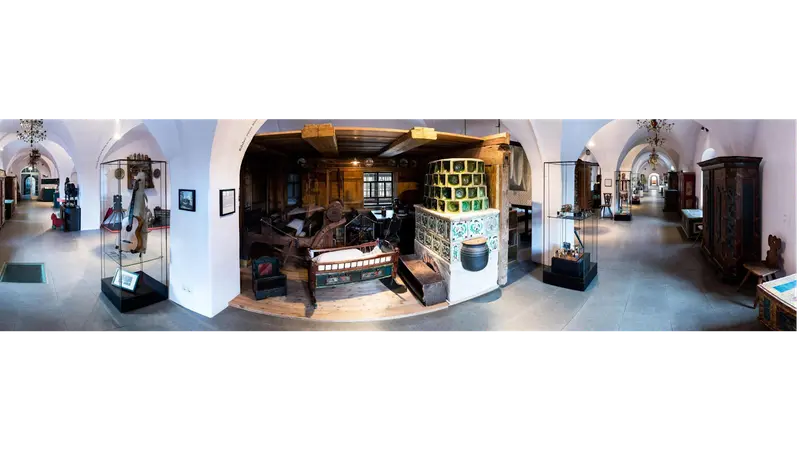
    Opened in 1913, the museum in the Renaissance building of the Jägerhof showcases over 27,000 objects, including Ore Mountain folk art, Plauen lace, and Seiffen toys. The Puppet Theatre Collection of the Dresden State Art Collections is located under the same roof.
    Open in Google Maps
    Erich Kästner Museum
    Museum

    5Erich Kästner Museum

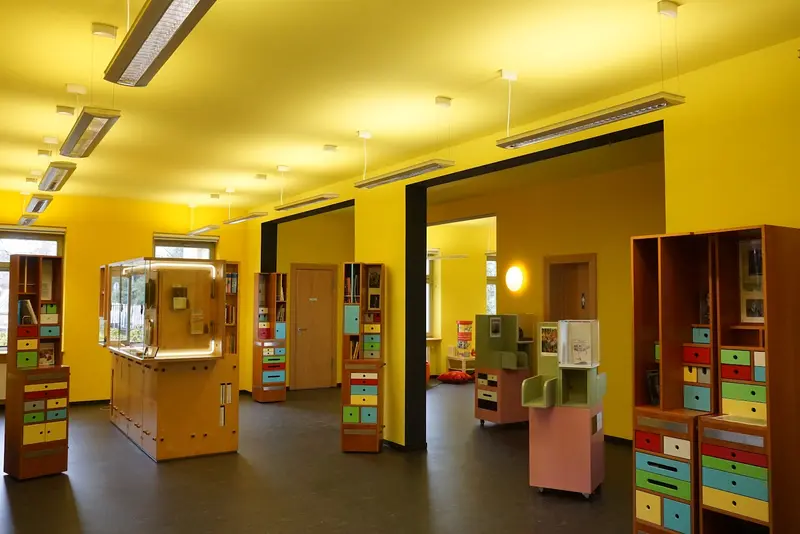
    Opened in 2000, the Micromuseum in Villa Augustin on Albertplatz showcases the life and work of the Dresden-born writer through movable modules and drawers. Kästner's uncle Franz Augustin lived in the villa, a place the young Kästner often visited.
    Open in Google Maps

    Restaurants in Inner New Town

    1

    Watzke at the Golden Rider

    Large brewpub on Neustädter Markt with house-brewed Pils and hearty German cuisine; a large bell chimes hourly.
    Show on Google Maps
    2

    Augustusgarden

    Spacious, casual beer garden near Augustus Bridge with classic seasonal dishes, wine, and beer.
    Show on Google Maps
    3

    Acheron

    Greek-Mediterranean cuisine with classic dishes and grilled meats, served in the vaulted cellar or courtyard.
    Show on Google Maps

    Nightlife

    1

    The Red Rooster

    Cozy pub with over 100 Scottish single malt whiskies, Irish Stew, hearty dishes and live music.
    Show on Google Maps
    2

    Herz American Bar

    Bar at Wallgäßchen 4, a few steps from the main street.
    Show on Google Maps

    Accommodations in Inner New Town

    Find perfect stay in Inner New Town

    Booking.com* (Affiliate link)
    Search Hotels
    Agoda* (Affiliate link)
    Search Hotels
    Airbnb
    Vacation Rentals

    * Affiliate link: if you book through it, we earn a small commission. The price stays the same for you.

    Campgrounds in Inner New Town

    Find perfect campground in Inner New Town

    Search via Google Maps
    Campgrounds nearby (15km)
    Camping.info
    Find Campgrounds
    Park4Night
    RV Parks & Camping

    Plan your trip to Inner New Town

    Save places, build a route and plan your city trip, all in one place.

    1. 1
      1234

      Round trip

      12 days · 4 stops

      Saved

      Pick a route

      Pick a ready-made one or save places and plan your own.

      Open bookmarks
    2. 2

      Trip to Inner New Town

      Live
      • 1Golden Rider3 days
      • 2Japanese Residence4 days
      • 3Three Kings Church5 days
      Budget

      Plan your trip

      The planner sorts stops, days and budget. Plan together in real time.

      Start trip planning
    3. 3
      9:41 No signal
      Available offline

      Use it on the road

      Download the guide to your phone and use it on site, even offline.

    Nearby

    Inner Old Town

    Inner Old Town

    The Inner Old Town, situated on the left bank of the Elbe, is Dresden's historic core, stretching from the Terrassenufer in the north to the City Hall in the south. Its borders follow the old city fortifications, which were dismantled at the beginning of the 19th century: Postplatz lies on the western edge, Pirnaischer Platz on the eastern. The air raids in February 1945 almost completely destroyed the district. From 1953, buildings in the style of Socialist Classicism arose on Altmarkt; around the Frauenkirche, Neumarkt has been rebuilt quarter by quarter since 2004, with some prominent buildings following historical models.Between Theaterplatz, Schloßplatz, Neumarkt, and Altmarkt, the city's major attractions are so close together that you can reach everything on foot. Along the Elbe riverbank stretches the Brühlsche Terrasse; every December, the Striezelmarkt, held since 1434, takes place on Altmarkt. Wilsdruffer Straße crosses the district; to the south, Prager Straße connects in the Seevorstadt. You can get here quickly by tram: Of the twelve DVB lines, only 10 and 13 do not run through the Inner Old Town, with Postplatz being the most important hub.
    Dresden

    Dresden

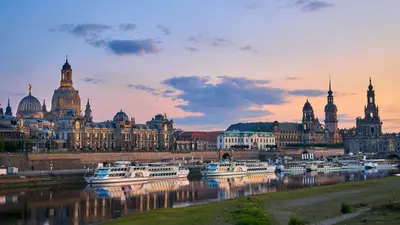
    Dresden lies on both sides of the Elbe in the Elbe Valley Basin and is known as 'Florence on the Elbe' due to its art collections. Under August the Strong, the city gained cultural significance through the Dresden Baroque. Following the air raids from February 13 to 15, 1945, the historic Old Town south of the Elbe was partially rebuilt; the Frauenkirche, however, only between 1993 and 2005.On the Old Town side, the Zwinger, Semperoper, Residenzschloss, and Brühl's Terrace stand together. Opposite, on the right bank of the Elbe, is the Neustadt. The Äußere Neustadt, almost undamaged in the war, is now the main entertainment district for Dresdeners, with cafés, pubs, bars, and small shops.
    Outer New Town

    Outer New Town

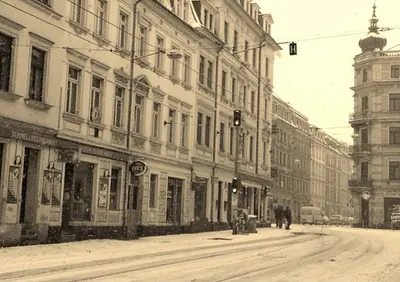
    The Äußere Neustadt, also Antonstadt, named for King Anton of Saxony, lies north of Albertplatz and Bautzner Straße on the right Elbe bank. In 1745, the land was parcelled out and most present-day streets laid, many defining houses arose during the late 19th-century boom. The district was barely hit during the Dresden air raids. Its cohesive Gründerzeit architecture is among Germany's largest of its kind and is heritage protected.Today, Äußere Neustadt is the city's scene and nightlife quarter. Alaunstraße and Louisenstraße host most pubs, bars, cafés, and small shops; many facades are painted. Since 1990, the district annually hosts the Bunte Republik Neustadt, East Germany's largest district festival. Tram lines 3, 6, 7, 8, 11 serve Albertplatz (south edge); line 13 runs through the scene quarter (Bischofsplatz to Hoyerswerdaer Straße).
    Loschwitz & Blasewitz

    Loschwitz & Blasewitz

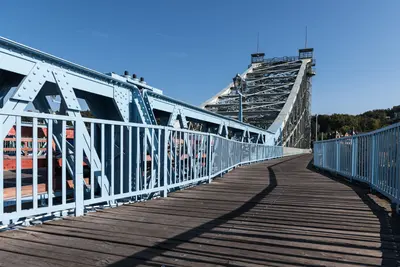
    Loschwitz on the right and Blasewitz on the left Elbe bank have been connected since 1893 by the Loschwitzer Bridge, which everyone simply calls the Blue Wonder. Loschwitz was first mentioned in 1227 and was long a wine-growing village. On former vineyards on the Elbe slope today stand the three Elbe Castles Albrechtsberg, Lingnerschloss, and Schloss Eckberg. Friedrich Schiller lived from 1785 to 1787 in the Schillerhäuschen. Blasewitz developed into a villa suburb during the Gründerzeit. Both places have belonged to Dresden since 1921.From Körnerplatz in Loschwitz, two historic mountain railways ascend to the Elbe heights: the funicular to Weißer Hirsch and the suspension railway to Oberloschwitz, whose top station has a viewing tower. Down by the river, you can stroll across the Elbe meadows. Bus lines 61, 63, and 84 run to Körnerplatz, and tram lines 6 and 12 to Schillerplatz in Blasewitz. From there, you walk across the Blue Wonder.
    Pillnitz

    Pillnitz

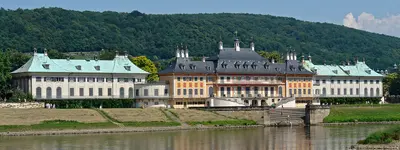
    Pillnitz is located about 15 kilometers upstream from the city center on the right bank and has been part of Dresden since 1950. From 1720, August the Strong commissioned a summer residence here according to plans by Matthäus Daniel Pöppelmann and Zacharias Longuelune: the Water Palace with its grand staircase to the Elbe and the Mountain Palace, both with Chinoiserie-style roofs, with the Baroque pleasure garden in between. The Neoclassical New Palace was built between 1819 and 1826, after the old Renaissance castle had burned down in 1818. Viticulture has been documented in Pillnitz since 1403.In the palace park, you'll find the English and Chinese Pavilions, the year-round open Palm House, and the over 230-year-old Pillnitz Camellia, which blooms from February to April. The Water and Mountain Palaces house the Museum of Decorative Arts, while the Palace Museum in the New Palace is open from late March to early November. You can get there by bus 63, by tram line 2 to the final stop and then by ferry across the Elbe, or by paddle steamer of the Sächsische Dampfschiffahrt, which docks directly at the palace.