Fernweh: Home
    ExploreTravel GuidesPlan a tripMy tripLast visited
    de|en
    All Places & RegionsAll highlightsAbout FernwehFAQPrivacy PolicyImprint
    ExploreTravel GuidesPlan a tripMy tripLast visited
    • Places in the region
    • Round trips
    • Nearby
    Dublin & East Coast

    Ireland

    Dublin & East Coast

    Region

    The East is the starting point for most travelers: The capital Dublin lies at the mouth of the Liffey into the Irish Sea and, with its airport and ferry port, is the gateway to the country.

    by Felix Gillen

    1. Home
    2. Destinations
    3. Ireland
    4. Dublin & East Coast
    The East is the starting point for most travelers: The capital Dublin lies at the mouth of the Liffey into the Irish Sea and, with its airport and ferry port, is the gateway to the country. To the south, the Wicklow Mountains begin with the monastic valley of Glendalough; to the north, the Boyne Valley with the over 5,000-year-old passage tombs of Brú na Bóinne.All three destinations are accessible from Dublin as day trips; for Wicklow and the Boyne Valley, a car or a guided tour is most convenient.
    Dublin

    Place 1 of 4

    Dublin

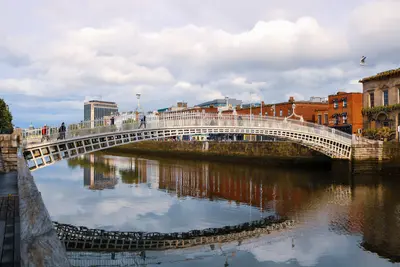
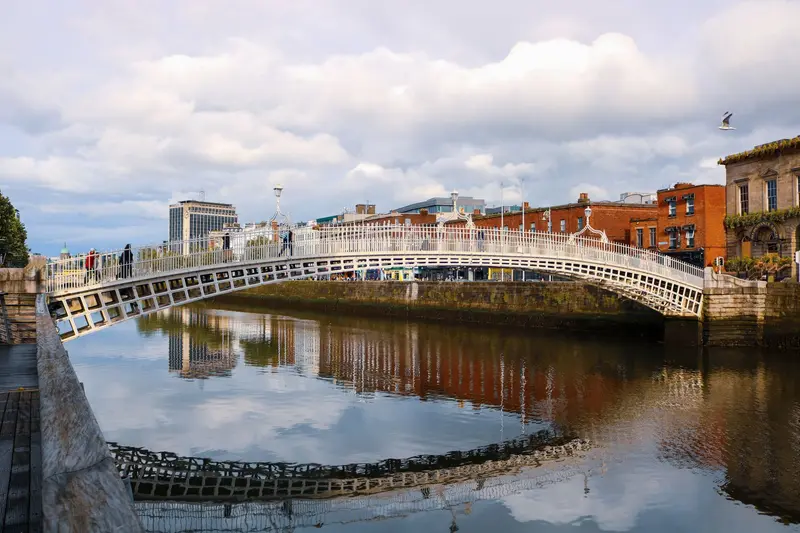
    Dublin is the capital of Ireland and, with around 1.26 million inhabitants in the urban area including suburbs, is by far the country's largest city. The Liffey divides it into Northside and Southside; on its banks, Vikings established a fortified base in 841.

    Discover
    Glendalough & Wicklow Mountains

    Place 2 of 4

    Glendalough & Wicklow Mountains

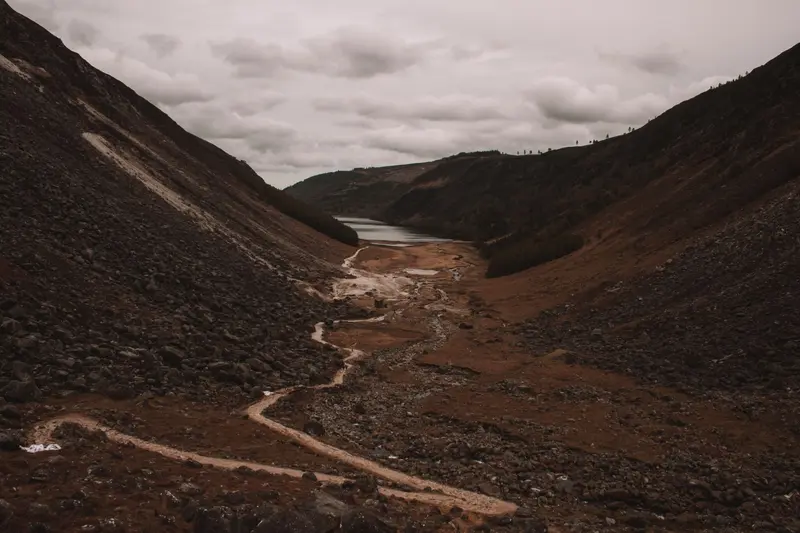
    Glendalough is a glacial valley with two lakes in the Wicklow Mountains south of Dublin, where Saint Kevin founded a monastery in the 6th century.

    Discover

    Place 3 of 4

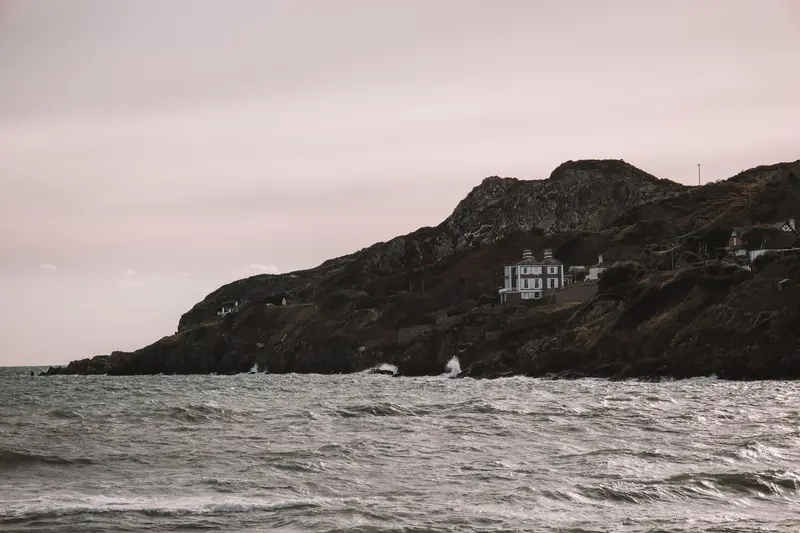
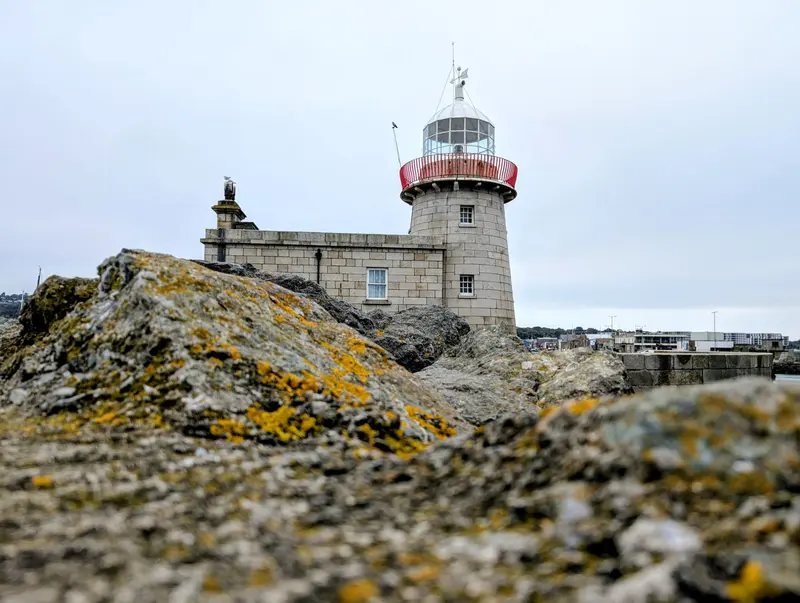
    Howth is located on a peninsula at the northern edge of Dublin Bay and is directly accessible from the city centre via the DART coastal train.

    Discover
    Brú na Bóinne (Newgrange)
    Graham Hogg / Wikimedia Commons / CC BY-SA 2.0

    Place 4 of 4

    Brú na Bóinne (Newgrange)

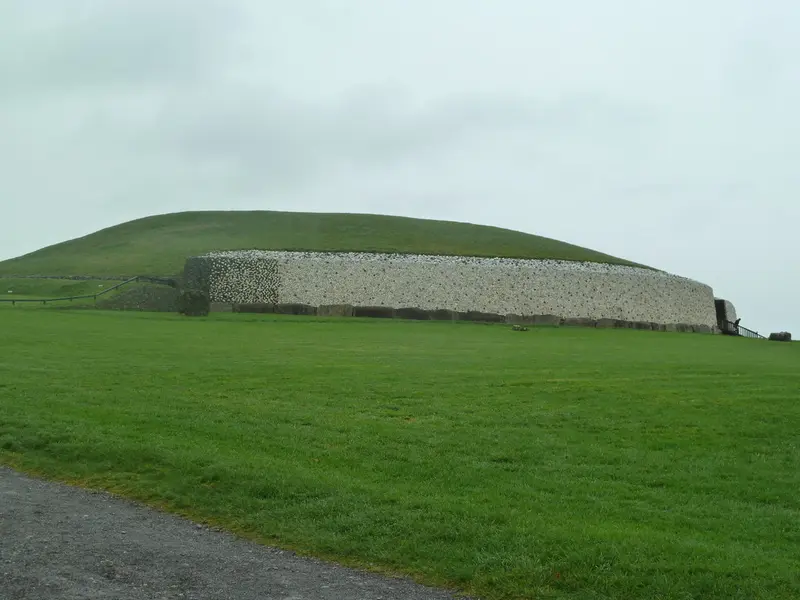
    Brú na Bóinne in the Boyne Valley north of Dublin is one of Europe's most significant Stone Age landscapes and has been a UNESCO World Heritage site since 1993.

    Discover

    Round trips through this region

    Ireland Classics: South & West in 12 Days

    Ireland Classics: South & West in 12 Days

    The classic route connects the capital with medieval Kilkenny, the lakes and peninsulas of Kerry, and the west coast between the Cliffs of Moher and Galway. Along the way lie the Rock of Cashel, the Ring of Kerry, the Dingle Peninsula, and the Burren; from Galway you can reach Connemara or the Aran Islands as a day trip.

    13 Days
    7 stops

    Nearby

    Dublin

    Dublin

    Dublin is the capital of Ireland and, with around 1.26 million inhabitants in the urban area including suburbs, is by far the country's largest city. The Liffey divides it into Northside and Southside; on its banks, Vikings established a fortified base in 841.You can easily reach the Book of Kells at Trinity College, the medieval cathedrals Christ Church and St Patrick's, Dublin Castle and Kilmainham Gaol prison, where 14 leaders of the 1916 Easter Rising were executed. You'll also find Georgian squares like Merrion Square, the brewery district The Liberties with the Guinness Storehouse, the modern Docklands and the fishing village of Howth at the end of the DART coastal line.
    Temple Bar & Historic Medieval Dublin

    Temple Bar & Historic Medieval Dublin

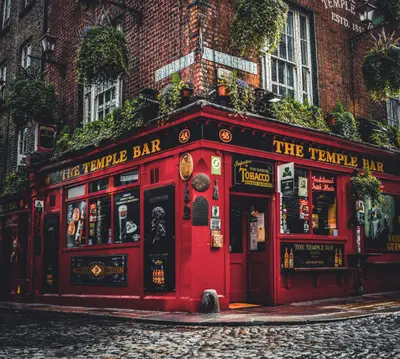
    Temple Bar is located on the south bank of the Liffey between Dame Street and the river and is considered the city's cultural quarter. Its cobblestone streets date back to the 18th century; at Meeting House Square there's a food market on Saturdays and open-air cinema in summer, next to which is the Irish Film Institute.A few minutes' walk to the west, medieval Dublin begins with Christ Church Cathedral, whose crypt dates from 1172/73, the Dublinia Viking and Medieval Museum, connected by a bridge, and Dublin Castle, of whose medieval fortress only the Record Tower remains.
    Docklands

    Docklands

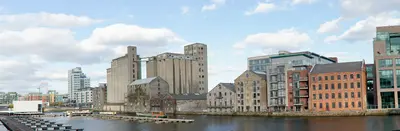
    The Docklands, east of the city center, are Dublin's modern face: Around the Grand Canal Dock, also known as "Silicon Docks" due to the tech companies, you'll find office towers, the Bord Gáis Energy Theatre designed by Daniel Libeskind, and water sports stations.At Custom House Quay, EPIC showcases the history of Irish emigration within the vaults of the CHQ Building. Nearby lies the Jeanie Johnston, a replica of an emigration ship from the Famine era, which you can explore with a guided tour.
    Georgian-era Dublin

    Georgian-era Dublin

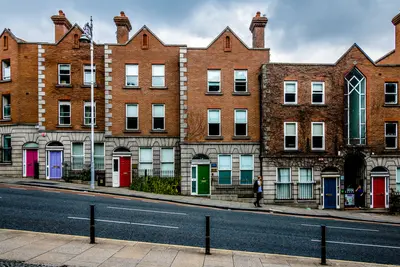
    Southeast of Trinity College are the 18th-century Georgian squares with their red brick houses and colorful doors. Merrion Square was laid out from 1762, and almost all original houses are preserved; Oscar Wilde grew up on the north side, and a statue of him stands in the park.On the west side of the square are the National Gallery, the parliament building Leinster House, and the government buildings. The Natural History Museum on Merrion Street has been closed since September 2024 for a multi-year renovation.

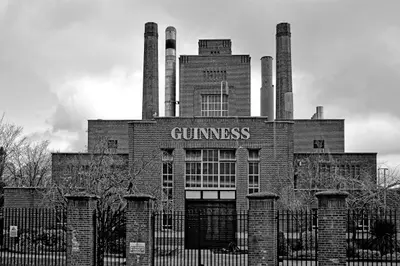
    The Liberties is one of Dublin's oldest quarters; its name dates back to Anglo-Norman districts of the 12th century with their own jurisdiction. Today, brewery and distillery history shapes the district: At the Guinness Storehouse on St. James's Gate, an exhibition across seven floors tells the story of the stout, and upstairs, the Gravity Bar offers panoramic views over the city.The Teeling Distillery opened in 2015 as Dublin's first new whiskey distillery in over 125 years. Nearby are St Patrick's Cathedral, Ireland's largest church, and street markets on Meath Street and Thomas Street.

    Sources & method

    • Photos: Pexels. Each photo carries its credit.
    • The content is based on web research from public, traceable sources. How the content is made · The role of AI