Fernweh
    ExploreTravel GuidesMy Trips
    de|en
    About FernwehImprintFAQPrivacy Policy
    ExploreTravel GuidesMy Trips
    Seiser Alm

    Seiser Alm

    CityMountainsNatureFor FamiliesCulinary
    1. Home
    2. Destinations
    3. Italy
    4. Südtirol
    5. Seiser Alm
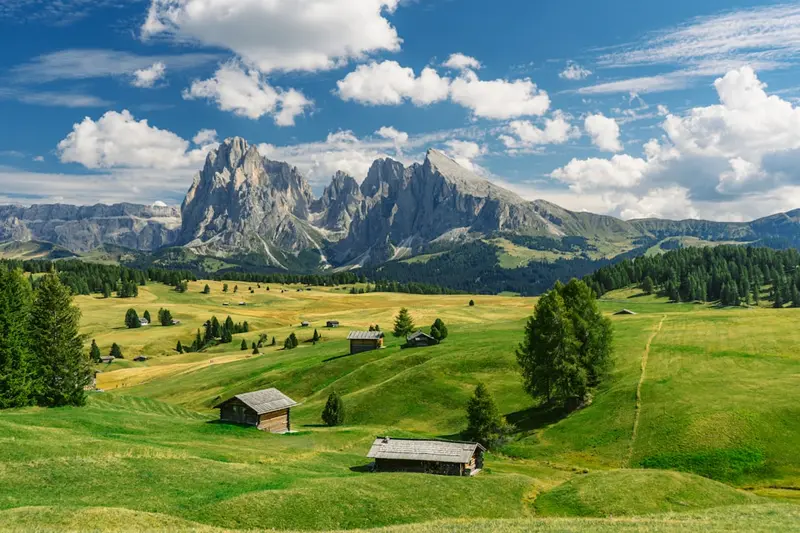
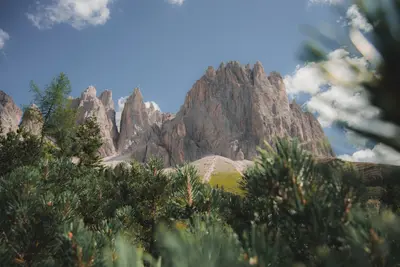
    Welcome to Seiser Alm, Europe's largest high-alpine pasture and a true gem in the South Tyrolean Dolomites. Imagine standing amidst breathtaking mountain scenery, surrounded by gentle alpine meadows and the majestic peaks of Langkofel, Plattkofel, and Schlern – a UNESCO World Natural Heritage site that invites you to unforgettable nature experiences, whether hiking, biking, or skiing.
    • Neighborhoods & highlights
    • Eat & drink
    • Culture
    • Getting around
    • Accommodation
    • Plan trip
    • Nearby
    • Neighborhoods & highlights
    • Eat & drink
    • Culture
    • Getting around
    • Accommodation
    • Plan trip
    • Nearby

    Overview

    Die Seiser Alm, Europas größte Hochalm, ist ein UNESCO-Weltnaturerbe in den Südtiroler Dolomiten und bietet eine einzigartige alpine Kulisse. Du erlebst hier eine weitläufige Hochebene, umrahmt von majestätischen Gipfeln wie dem Schlern, Langkofel und Plattkofel, die beeindruckende Ausblicke garantieren. Das Gebiet ist im Sommer ein Paradies für Wanderer und Mountainbiker mit einem weitläufigen Wegenetz, während es im Winter zum Skigebiet Dolomiti Superski gehört. Besuche die traditionellen Almhütten, um authentische Südtiroler Spezialitäten zu probieren und die regionale Kultur kennenzulernen. Für eine entspannte Anreise und um das Hochplateau zu erkunden, nutze die Seiser Alm Bahn von Seis oder Kastelruth aus. Die Monate Juni bis Oktober eignen sich ideal zum Wandern, während die Skisaison von Dezember bis April optimale Bedingungen bietet.

    Places in Seiser Alm

    Discover the most important sights and attractions
    Sights in Seiser Alm

    1Panoramablick Langkofel & Plattkofel

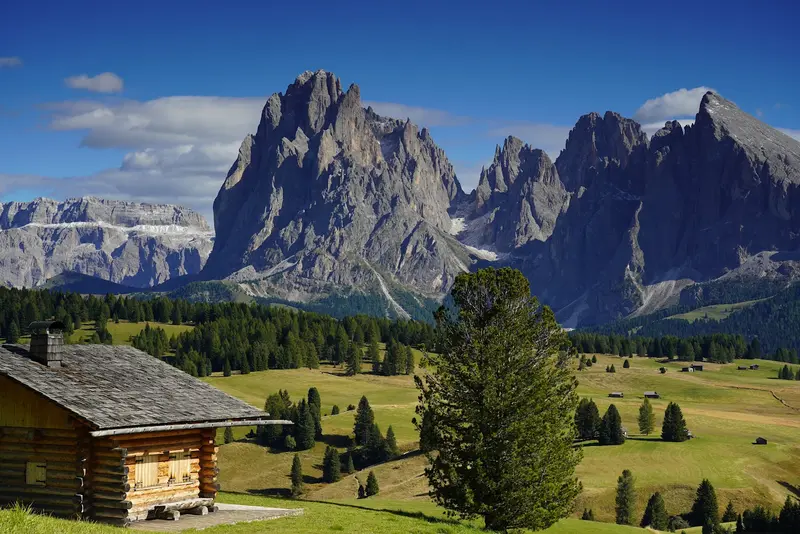
    From the Seiser Alm, you are treated to a breathtaking panoramic view of the striking Langkofel Group, comprising Langkofel and Plattkofel. These iconic peaks are not only geological masterpieces of the Dolomites, which are part of the UNESCO World Heritage, but are also deeply rooted in the local Ladin culture. You gaze upon majestic rock formations that rise above gentle alpine meadows, painting a classic picture of the South Tyrolean mountain world. The Langkofel Group is a popular destination for hikers and climbers and has shaped the landscape for millions of years as former coral reefs. Our Tip: For the best experience, we recommend visiting in the early morning hours, when the air is clearest and the first sunbeams bathe the rock faces in warm light. This is also the best time to avoid the crowds and take undisturbed photos. An ideal photo spot can be found along the Panorama Trail, which offers you various perspectives of the peaks.
    Open in Google Maps

    2Schlernhaus & Schlern

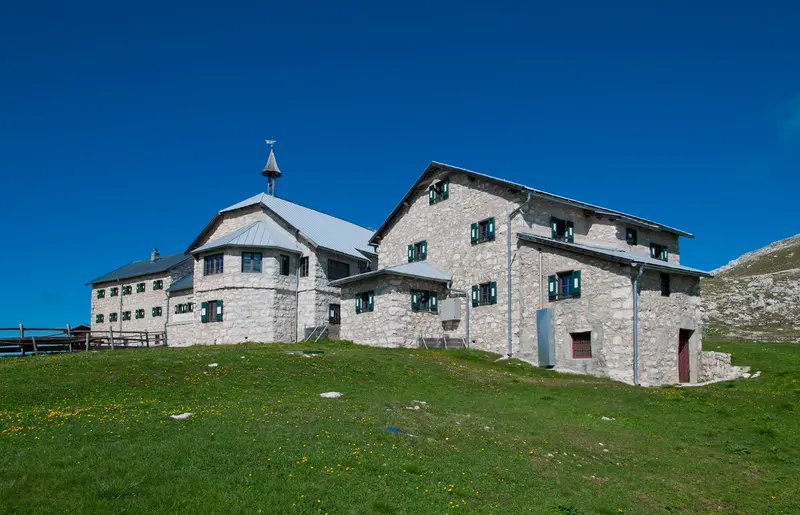
    The Schlernhaus, a historic mountain hut at 2,457 meters, majestically perches on the high plateau of the Schlern, one of the most distinctive mountains in the Dolomites. This South Tyrolean landmark, part of the UNESCO World Natural Heritage, is known for its unmistakable shape with the striking Santner and Euringer peaks. The hut itself was built back in 1885/1886 and has since served hikers as an important hub and accommodation option. From here, you enjoy a breathtaking 360-degree view that stretches across the Seiser Alm, the Rosengarten, and the Langkofel. The Schlern is also deeply rooted in local legends, especially those about the so-called Schlern Witches, which lends the place a mystical aura. Our Tip: Start your ascent early in the morning to best enjoy the tranquility of the mountain world and the clear morning light for photos, and to avoid the biggest crowds. Sturdy footwear and weather-resistant clothing are essential due to the alpine conditions.
    Open in Google Maps

    3Puflatsch-Rundwanderung & Hexenbänke

    The Puflatsch circular hike offers you breathtaking views over the Seiser Alm and the surrounding Dolomites. You start comfortably from the mountain station of the Puflatsch gondola lift. Along the well-marked path, you'll encounter the famous Witches' Benches, unique rock formations deeply rooted in local legends. These benches are considered an ancient meeting place for the Schlern Witches and are a fascinating testament to regional folklore. The moderately challenging hike leads you through diverse alpine landscapes and offers insights into the geology and cultural history of the region. You will experience the tranquility of nature and the impressive mountain world firsthand. Our tip: It's best to start your hike early in the morning to enjoy the tranquility and beat the crowds. The early light is also ideal for impressive photos of the rock formations and expansive panoramas. Pay attention to sturdy footwear and weather-appropriate clothing, as the weather in the mountains can change quickly.
    Open in Google Maps

    4Marinzen Alm

    The Marinzen Alm, located above Kastelruth and easily accessible from Seiser Alm, is a classic example of a working alpine pasture in South Tyrol. Here, you'll find not only a traditional alpine hut offering regional specialties, but also a small petting zoo, which is particularly popular with families. For centuries, the Alm has served as grazing land and is a testament to the alpine cultural landscape, where summer retreats and livestock farming are closely intertwined. From here, you can enjoy sweeping views of the surrounding Dolomites, including the Schlern and the Santnerspitze. The gentle slopes invite you to relaxed hikes, which are also suitable for less experienced hikers. Our Tip: Visit Marinzen Alm in the morning to enjoy the fresh mountain air and avoid the peak midday rush. For an authentic experience, try the homemade Knödel or a Kaiserschmarrn on the sun terrace.
    Open in Google Maps

    5Plattmühle

    The Plattmühle on the Seiser Alm is an authentic testament to alpine rural culture and technology. As a historic structure, it once served local communities for grinding grain, playing a central role in the self-sufficiency of mountain farms. You'll find a well-preserved mill here, offering insight into traditional work methods and the region's reliance on hydropower. Its wooden and stone construction blends harmoniously into the alpine landscape, recounting a time when craftsmanship and natural resource use were essential. Often, the mill wheels and internal mechanisms are still functional or restored, allowing you to grasp their mechanics. Our Tip: Visit the Plattmühle preferably in the early morning hours to enjoy the Alm's tranquility and experience the gentle splashing of water undisturbed. For an atmospheric photo, position yourself so the surrounding meadows and the Dolomiten are visible in the background.
    Open in Google Maps

    6Plattmühle

    The Plattmühle on the Seiser Alm is an authentic testament to alpine rural culture and technology. As a historic structure, it once served local communities for grinding grain, playing a central role in the self-sufficiency of mountain farms. You'll find a well-preserved mill here, offering insight into traditional work methods and the region's reliance on hydropower. Its wooden and stone construction blends harmoniously into the alpine landscape, recounting a time when craftsmanship and natural resource use were essential. Often, the mill wheels and internal mechanisms are still functional or restored, allowing you to grasp their mechanics. Our Tip: Visit the Plattmühle preferably in the early morning hours to enjoy the Alm's tranquility and experience the gentle splashing of water undisturbed. For an atmospheric photo, position yourself so the surrounding meadows and the Dolomiten are visible in the background.
    Open in Google Maps

    Restaurants & Cafés

    Cultural Heritage of the Seiser Alm

    The Seiser Alm, one of Europe's largest high-alpine pastures, is deeply rooted in the alpine culture and history of South Tyrol. Its development is closely linked to traditional agriculture and its use as grazing land, which shaped the landscape and way of life over centuries. The architecture on the Seiser Alm reflects alpine tradition, with robust farmhouses and alpine huts, often built from wood and stone, blending harmoniously into the landscape. In the surrounding villages, there are also sacred buildings, testifying to a rich religious history and exhibiting Romanesque, Gothic, and Baroque influences. Cultural peculiarities manifest themselves in traditional customs and festivals, often linked to the agricultural year, such as the traditional 'Almabtrieb'. South Tyrol's trilingualism – German, Italian, and Ladin – creates a unique cultural mosaic, reflected in language, cuisine, and music, and underscores the strong regional identity of the Seiser Alm.

    Exploring Locally

    The Seiser Alm, Europe's largest high-alpine pasture, focuses on gentle mobility and is largely car-free. Urban transport like metros, subways, or trams naturally don't exist here; instead, the ultra-modern Seiser Alm Cable Car and a well-developed bus network open up the region.With the Seiser Alm Card, often included in accommodations, you can use buses and cable cars unlimitedly, making exploring the extensive landscape effortless. The Alm is a paradise for pedestrians, with countless hiking trails starting directly from your accommodation.For longer distances or to reach higher alpine pastures, bicycles and e-bikes are the perfect choice; rental stations are easy to find. Taxis are available for arrivals and departures or special transfers, whereas ride-sharing is uncommon here. It's best to plan your tours in advance to fully enjoy the idyllic tranquility and sustainable movement.

    Accommodations in Seiser Alm

    Accommodations in Seiser Alm

    Find perfect stay in Seiser Alm

    Booking.com
    Search Hotels
    Agoda
    Search Hotels
    Airbnb
    Vacation Rentals
    Hotels.com
    Hotels Worldwide
    Hostelworld
    Hostels

    Campgrounds in Seiser Alm

    Find perfect campground in Seiser Alm
    Search via Google Maps
    Campgrounds nearby (15km)
    Camping.info
    Find Campgrounds
    Park4Night
    RV Parks & Camping

    Plan your trip to Seiser Alm

    Save places, build a route and plan your city trip — all in one place.

    Save places

    Bookmark sights, restaurants and neighborhoods you're interested in.

    Build your route

    Turn your bookmarks into a route — define order, days and budget.

    Refine with AI

    Let Mein Fernweh suggest experiences and put together a tailored daily plan.

    Start trip planningOpen bookmarks

    Locations nearby

    These places are nearby — perfect for additional days or a day trip.

    Bozen

    Bozen

    In Bozen, the pulsating heart of South Tyrol, you'll encounter a fascinating blend of Alpine warmth and Mediterranean flair. This bilingual city, nestled in a breathtaking landscape at the foot of the Dolomites, enchants with its medieval Old Town, lively squares, and a unique culture that unites the best of two worlds. Here, discover not only Ötzi, but also a vibrant wine region and excellent cuisine.
    Südtirol

    Südtirol

    South Tyrol, where the majestic Dolomites meet Mediterranean flair, is a region that will immediately captivate you with its unique blend of alpine nature and Italian way of life. Discover a world where traditional alpine huts stand alongside elegant vineyards and the cuisine celebrates both Knödel and pasta. Here you can hike and cycle on breathtaking trails, then relax in charming towns with a glass of local wine.
    Meran (Merano)

    Meran (Merano)

    Meran, nestled in the South Tyrolean Alps, combines Alpine charm with Mediterranean lightness. Here you'll find a unique blend of historic buildings and lush gardens, testifying to its past as a spa town. Stroll along the Tappeinerweg or the Passerpromenade to enjoy the diverse flora and the impressive mountain scenery. The Gardens of Trauttmansdorff Castle offer a botanical world tour and were once a beloved retreat of Empress Sisi. The charming old town, with its arcades, invites you to browse and discover local specialities. For a relaxed experience, a visit in spring or autumn is recommended, when the climate is mild and the tourist crowds are smaller. Be sure to try the regional products in the traditional guesthouses.
    Pragser Wildsee

    Pragser Wildsee

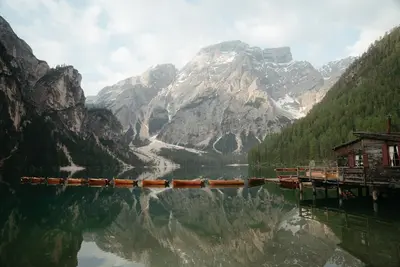
    Immerse yourself in the emerald fairy-tale world of Pragser Wildsee, a true pearl of the Dolomites, where imposing mountain peaks reflect in the crystal-clear water. This idyllic mountain lake in South Tyrol not only invites you to marvel, but also to unforgettable hikes and a ride in the traditional wooden boats that complete the picture.
    Cortina d’Ampezzo

    Cortina d’Ampezzo

    Cortina d’Ampezzo, often referred to as the “Queen of the Dolomites,” is not only synonymous with glamorous winter sports but also a year-round paradise for nature lovers and those who appreciate the finer things in life. Here, you'll find a breathtaking backdrop of majestic peaks, exclusive alpine elegance, and a wealth of outdoor activities. Whether hiking, climbing, or simply enjoying the sweet idleness – Cortina offers something for everyone and makes your stay unforgettable.