Fernweh: Home
    ExploreTravel GuidesPlan a tripMy tripLast visited
    de|en
    All Places & RegionsAll highlightsAbout FernwehFAQPrivacy PolicyImprint
    ExploreTravel GuidesPlan a tripMy tripLast visited
    Vicuña
    René Bongard / Wikimedia Commons / CC BY-SA 3.0

    Chile

    Vicuña

    TownCulture

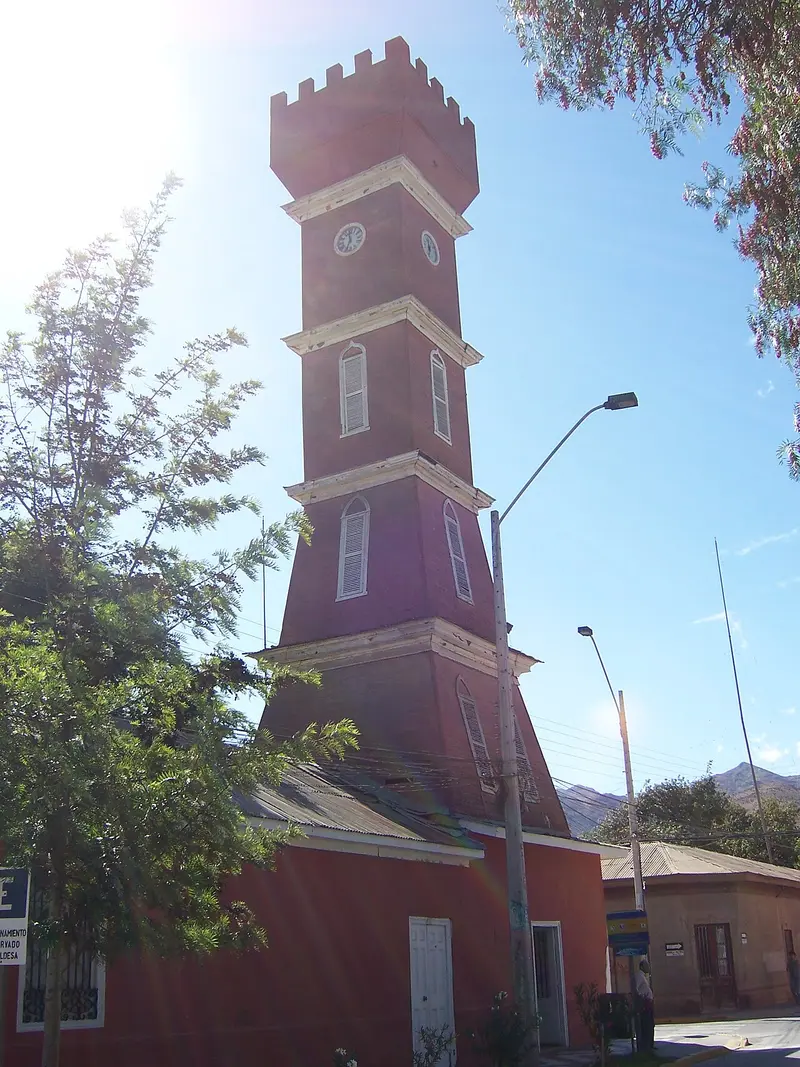
    Vicuña is the main town of the Elqui Valley and the birthplace of the poet Gabriela Mistral. Around the shady Plaza de Armas with the red Torre Bauer, you'll find museums, Pisco distilleries, and eateries.

    by Felix Gillen

    1. Home
    2. Destinations
    3. Chile
    4. Elqui Valley (Valle del Elqui)
    5. Vicuña
    Vicuña is the main town of the Elqui Valley and the birthplace of the poet Gabriela Mistral. Around the shady Plaza de Armas with the red Torre Bauer, you'll find museums, Pisco distilleries, and eateries. In the evenings, tours to the surrounding observatories depart from here.

    Sehenswürdigkeiten

    Discover the most important sights and attractions

    Letters of Villaseca

    1Letters of Villaseca

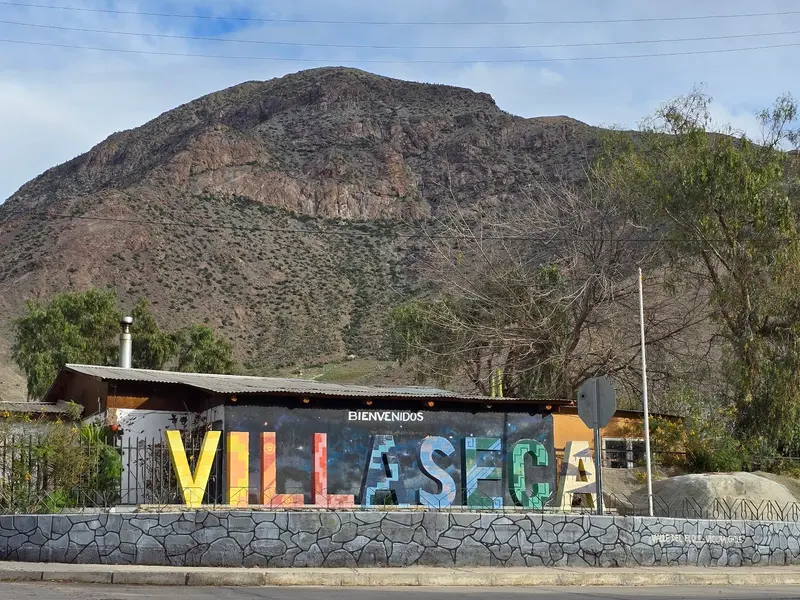
    Large letters with the village name in Villaseca, about eight kilometers from Vicuña, make for a photo opportunity on the way to the solar restaurants. Since the late 1980s, families in Villaseca have been cooking in solar ovens; today, several restaurants serve guests dishes from solar cuisine.
    Open in Google Maps
    World of Gnomes

    2World of Gnomes

    Small visitor attraction on Calle Sarmiento, southeast of Vicuña Plaza. Google lists it as a tourist attraction, but no further details on opening hours are available. Ask at the tourist information in Torre Bauer.
    Open in Google Maps
    Gabriela Mistral Museum
    Museum

    3Gabriela Mistral Museum

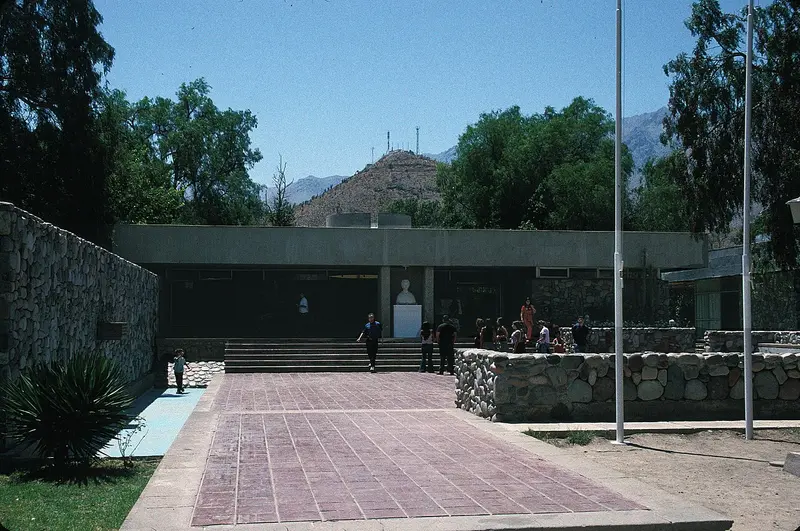
    The museum commemorates the Nobel laureate in literature born in Vicuña. It originated from a cultural center of the 1930s and has been a museum since 1957. On display are personal items and documents; a reconstructed house stands at the entrance. Mistral's actual birthplace was a few houses away and is not preserved.
    Open in Google Maps
    Torre Bauer

    4Torre Bauer

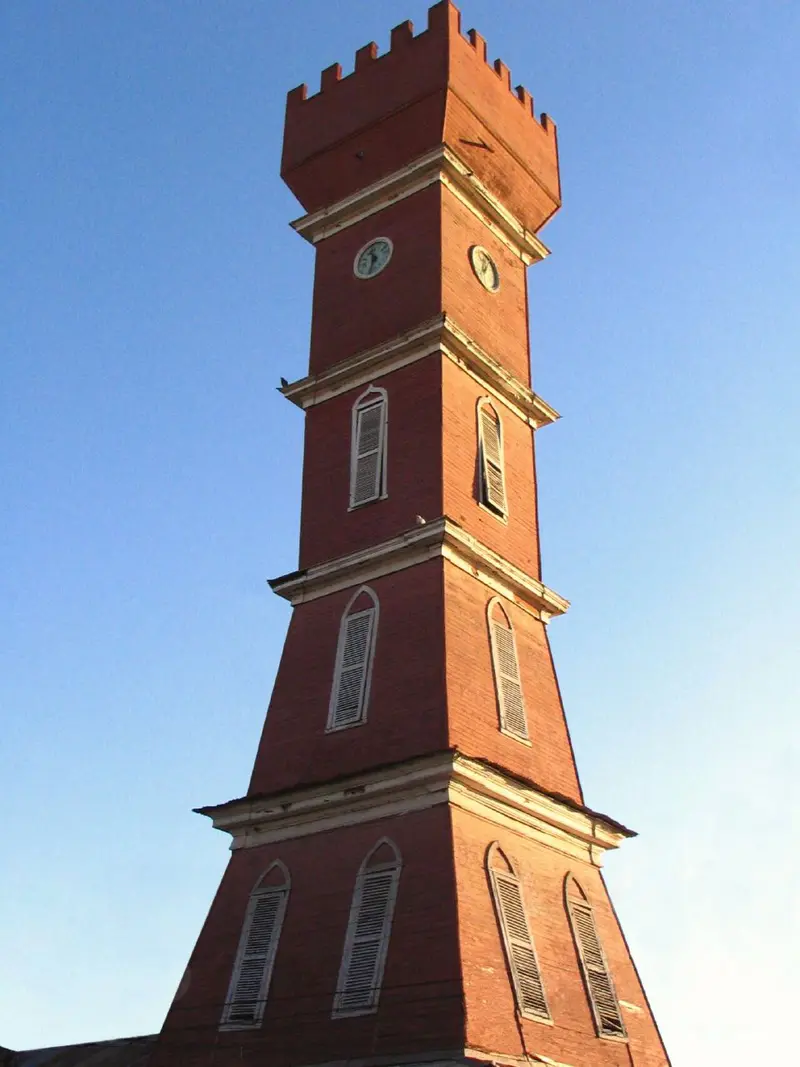
    The 28-meter-high red clock tower on the Plaza de Armas is the tallest building in Vicuña. Mayor Adolfo Bauer, originally from Ulm, had it erected in 1904 above the old Cabildo; it was inaugurated in 1905: a metal frame clad with Oregon pine. The municipal tourist information office is housed on the ground floor.
    Open in Google Maps
    Mamalluca Observatory

    5Mamalluca Observatory

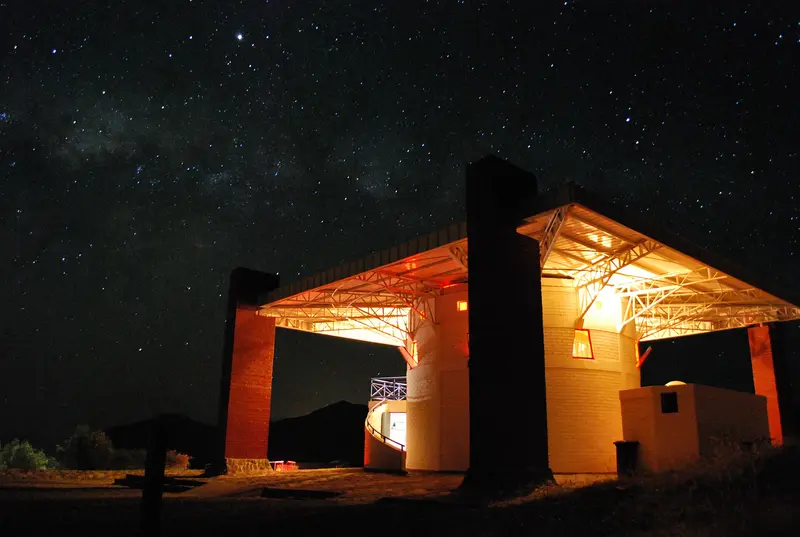
    The community-run visitor observatory is located on Cerro Mamalluca, approximately nine kilometers north of Vicuña. It offers evening astronomical tours with an introduction and telescope observation, as well as planetarium shows, combined tours, a premium and a sunset tour, plus tours in English. Book online or at the office on Calle San Martín 275 in Vicuña.
    Open in Google Maps
    Tourist Center Capel

    6Tourist Center Capel

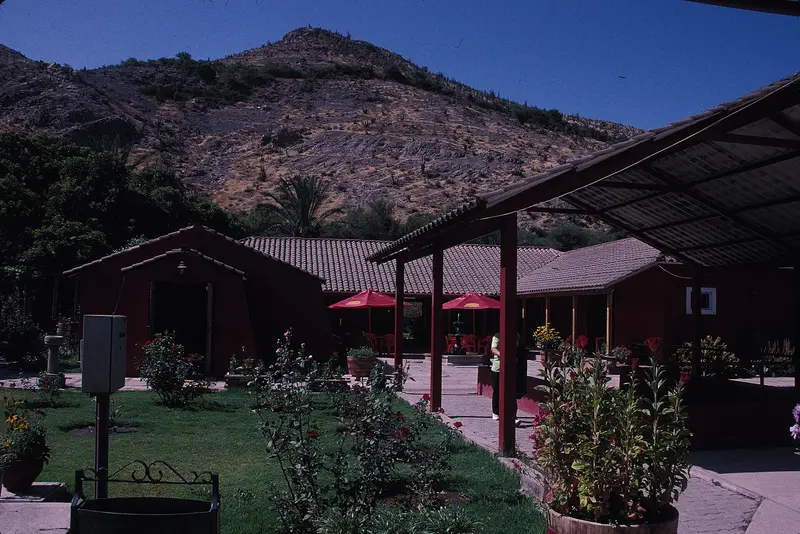
    The Capel cooperative is Chile's largest Pisco producer and operates its production and bottling plant on the outskirts of Vicuña. The plant is a stop on the Ruta del Pisco; inquire on site or at the tourist information office in Torre Bauer for current tours and tastings.
    Open in Google Maps

    Essen & Trinken

    1

    Elqui Papas

    Simple place with burgers and fries on Calle José Miguel Carrera, near the Plaza.
    Show on Google Maps
    2

    El Chivato Negro

    Restaurant near the Plaza with nostalgic decor and a large rear courtyard. The menu primarily features sandwiches.
    Show on Google Maps
    3

    Cuoca Yasna Ristorante

    Italian restaurant on Avenida Gabriela Mistral near the Plaza, personally run by owner Yasna. The menu offers homemade pasta, especially lasagna, and Italian desserts.
    Show on Google Maps
    4

    Restaurante Tupananchis

    Peruvian restaurant on Avenida Gabriela Mistral, a few steps from the Plaza.
    Show on Google Maps
    5

    Sunny Delights

    The restaurant in Villaseca, about eight kilometers from Vicuña, cooks most of its dishes in solar ovens. Chilean classics like Pastel de Choclo and goat kid are on the menu; from the slope, you overlook the Mamalluca and Peralillo hills. Since cooking depends on the sun, visit at lunchtime.
    Show on Google Maps
    6

    Sun and Cinnamon

    Restaurant at the corner of Arturo Prat and Gabriela Mistral in downtown Vicuña, just a few steps from the Plaza de Armas.
    Show on Google Maps

    Eating & Drinking in Vicuña

    Vicuña's cuisine blends simple Chilean home cooking with products from the valley. Many eateries line Avenida Gabriela Mistral around the Plaza.

    Pisco

    Grape brandy is made in Vicuña both industrially and by small family businesses. Distillery tours almost always end with a tasting.

    Comida solar

    In Villaseca, about eight kilometers away, families have been cooking their dishes in solar ovens since the late 1980s; today several restaurants do the same. Typical dishes are Pastel de Choclo and goat kid, and lunchtime is the ideal time to visit.

    Papaya Products

    The Chilean mountain papaya is sold as compote, jam, or preserved in syrup. Cervecería Guayacán brews a lager with papaya pulp for its 15th anniversary.

    Craft Beer

    Cervecería Guayacán was founded in 2010 in neighboring Diaguitas and is the Elqui Valley's first brewery. Besides its original site in Diaguitas, it operates beer gardens in Vicuña and Pisco Elqui, serving pizza and sandwiches.

    Culture and History in Vicuña

    Gabriela MistralThe poet Lucila Godoy Alcayaga, known as Gabriela Mistral, was born on April 7, 1889, in Vicuña and was the first Latin American author to receive the Nobel Prize in Literature in 1945. The museum on Avenida Gabriela Mistral originated from a 1930s cultural center and has been a museum since 1957. It displays personal items and documents; a reconstructed house stands at the entrance. Her actual birthplace was a few houses away and no longer exists. Quotes and monuments can be found throughout the town, including in the Plaza.Townscape and PiscoThe Torre Bauer is a 28-meter-high clock tower, a metal framework clad with Oregon pine. Mayor Adolfo Bauer, originally from Ulm, had it built in 1904 and inaugurated in 1905, modeled after medieval architecture from his hometown. In addition, single-story adobe houses with courtyards characterize the town center.Economically, Vicuña thrives on viticulture and Pisco production. The Capel cooperative, Chile's largest Pisco producer, operates its production and bottling plant in the municipality, alongside smaller family distilleries in the surrounding area. Additionally, astrotourism contributes, notably with the municipal Observatorio Mamalluca, after which the band Los Jaivas named an album in 1999.

    Getting there and around in Vicuña

    Getting ThereVicuña is located on Ruta 41, about 60 kilometers inland from La Serena. Buses depart regularly from the terminal in La Serena; the journey takes about an hour. Colectivos are also available. The nearest airport is La Florida in La Serena.In and Around VicuñaOn Foot: The Plaza, Museo Gabriela Mistral, Torre Bauer, and most eateries are just a few minutes' walk apart.To the Upper Valley: Buses and colectivos run from Vicuña's bus terminal via Paihuano to Montegrande and Pisco Elqui.Observatories: Tours to Mamalluca can be booked online or at the office on Calle San Martín 275; spaces are limited. You'll need a car or transfer for the journey to the observatory.Villaseca and Capel: The village of Villaseca, known for its solar kitchens, is about eight kilometers outside town and can be reached, like the Capel facility, by taxi, colectivo, or bike.

    Accommodations in Vicuña

    Find perfect stay in Vicuña

    Booking.com* (Affiliate link)
    Search Hotels
    Agoda* (Affiliate link)
    Search Hotels
    Airbnb
    Vacation Rentals

    * Affiliate link: if you book through it, we earn a small commission. The price stays the same for you.

    Nearby

    Elqui Valley (Valle del Elqui)

    Elqui Valley (Valle del Elqui)

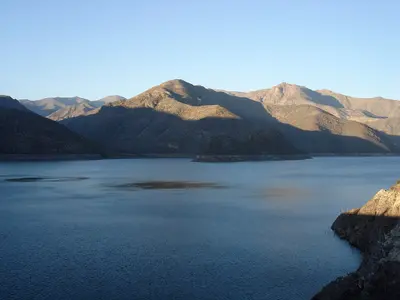
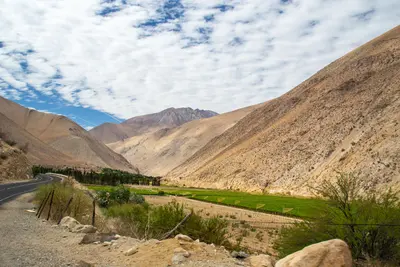
    The Elqui Valley is a dry Andean valley in northern Chile, where Pisco is distilled and research observatories stand under one of the darkest night skies in the world. You come for the visitor observatories, the distilleries nestled between green vineyards and barren mountainsides, and for the traces of the poet Gabriela Mistral.The valley stretches eastward from La Serena on the Pacific coast into the precordillera of the Región de Coquimbo; Vicuña is its main town.
    Montegrande

    Montegrande

    Montegrande is a small village in the Río-Claro Valley between Paihuano and Pisco Elqui, where Gabriela Mistral spent her childhood. The Casa Escuela, where she learned to read, and her grave on the edge of the village make it the most important memorial site for the poet.
    Pisco Elqui

    Pisco Elqui

    Pisco Elqui, located at around 1,300 meters in the upper Río Claro Valley, has borne the name of the grape brandy distilled here since 1936. The village, with its small plaza, is surrounded by vineyards and barren mountain slopes, serving many travelers as a base for distillery visits, stargazing, and excursions to Cochiguaz.
    Aconcagua Provincial Park

    Aconcagua Provincial Park

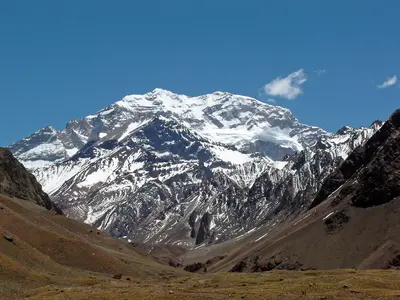
    Aconcagua, at 6,961 meters, is the highest mountain in the Americas. The provincial park protecting it is located about 180 kilometers west of Mendoza on Ruta Nacional 7 towards Chile, just past Puente del Inca and approximately 15 kilometers before the border. The drive there passes the Potrerillos reservoir and through the Andean village of Uspallata.Even without summit ambitions, a visit is worthwhile: A short circular trail leads to Laguna de Horcones with views of the massive south face; those with more time can hike in a day to the first base camp, Confluencia. For all trails, you need a permit, which you acquire in advance. The main season for trekking and ascents runs from mid-November to mid-March. Just before the park, a stop at Puente del Inca, a natural rock bridge over the river, is recommended.
    Valparaíso

    Valparaíso

    Valparaíso is Chile's historic port city on the Pacific coast west of Santiago, stretching steeply up the hills from a narrow strip along the harbor. Colorfully painted houses, stair-filled alleys, murals, and historic funiculars characterize the city, whose historic port quarter has been a UNESCO World Heritage site since 2003.

    Sources & method

    • Photos: Wikimedia Commons, Google Maps. Each photo carries its credit.
    • Place data such as addresses and ratings comes from Google Maps.
    • The content is based on web research from public, traceable sources. How the content is made · The role of AI