Fernweh: Home
    ExploreTravel GuidesPlan a tripMy tripLast visited
    de|en
    All Places & RegionsAll highlightsAbout FernwehFAQPrivacy PolicyImprint
    ExploreTravel GuidesPlan a tripMy tripLast visited
    • Overview
    • Places in the region
    • Recommendations
    • Food culture
    • Best travel time
    • Culture
    • Getting around
    • Nearby
    Elqui Valley (Valle del Elqui)
    Pablo Rodríguez from Barcelona, Spain / Wikimedia Commons / CC BY-SA 2.0

    Chile

    Elqui Valley (Valle del Elqui)

    Region

    The Elqui Valley is a dry Andean valley in northern Chile, where Pisco is distilled and research observatories stand under one of the darkest night skies in the world.

    by Felix Gillen

    1. Home
    2. Destinations
    3. Chile
    4. Elqui Valley (Valle del Elqui)
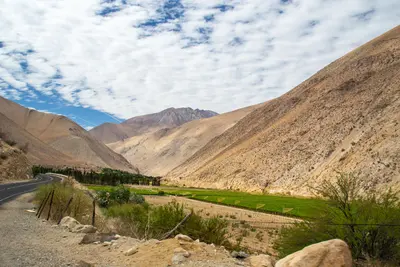
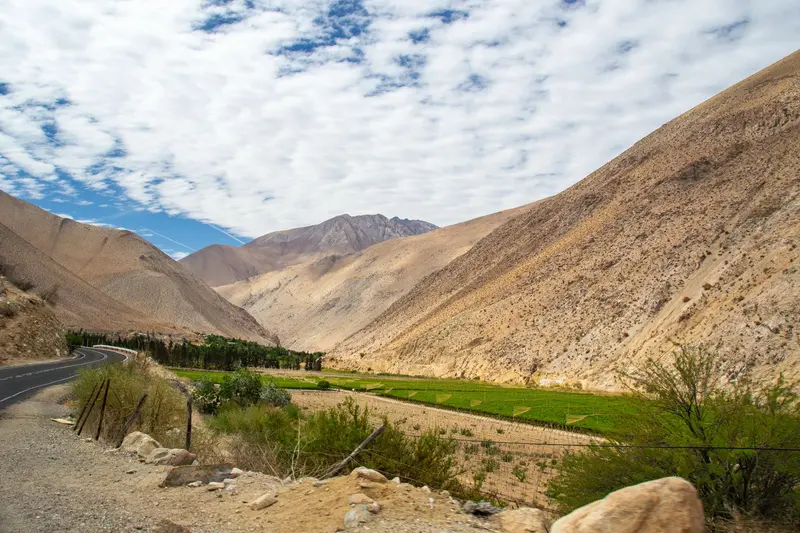
    The Elqui Valley is a dry Andean valley in northern Chile, where Pisco is distilled and research observatories stand under one of the darkest night skies in the world. You come for the visitor observatories, the distilleries nestled between green vineyards and barren mountainsides, and for the traces of the poet Gabriela Mistral.The valley stretches eastward from La Serena on the Pacific coast into the precordillera of the Región de Coquimbo; Vicuña is its main town.
    The Elqui Valley follows the Río Elqui inland from La Serena up to the foothills of the Andes. Its main town is Vicuña, the birthplace of Nobel laureate in Literature Gabriela Mistral, with a museum, pisco distilleries, and the municipal Mamalluca Observatory nearby. Near Rivadavia, the valley divides: Paihuano, Montegrande, and Pisco Elqui are situated along the Río Claro, and from Montegrande, a track leads into the side valley of Cochiguaz. The sites of the research observatories Cerro Tololo and Cerro Pachón were designated in 2015 as the world's first International Dark Sky Sanctuary and named after Gabriela Mistral. During the day, vineyards for pisco, orchards, and villages with adobe houses shape the landscape.
    Montegrande
    Arturo Rinaldi Villegas / Wikimedia Commons / CC BY-SA 3.0

    Place 1 of 3

    Montegrande

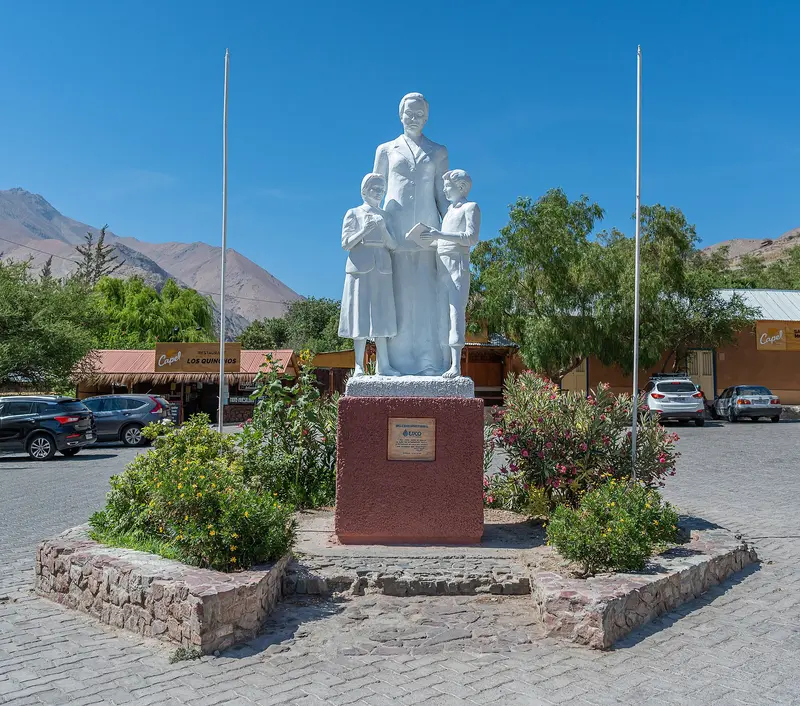
    Montegrande is a small village in the Río-Claro Valley between Paihuano and Pisco Elqui, where Gabriela Mistral spent her childhood.

    Discover
    Pisco Elqui

    Place 2 of 3

    Pisco Elqui

    Pisco Elqui, located at around 1,300 meters in the upper Río Claro Valley, has borne the name of the grape brandy distilled here since 1936.

    Discover
    Vicuña
    René Bongard / Wikimedia Commons / CC BY-SA 3.0

    Place 3 of 3

    Vicuña

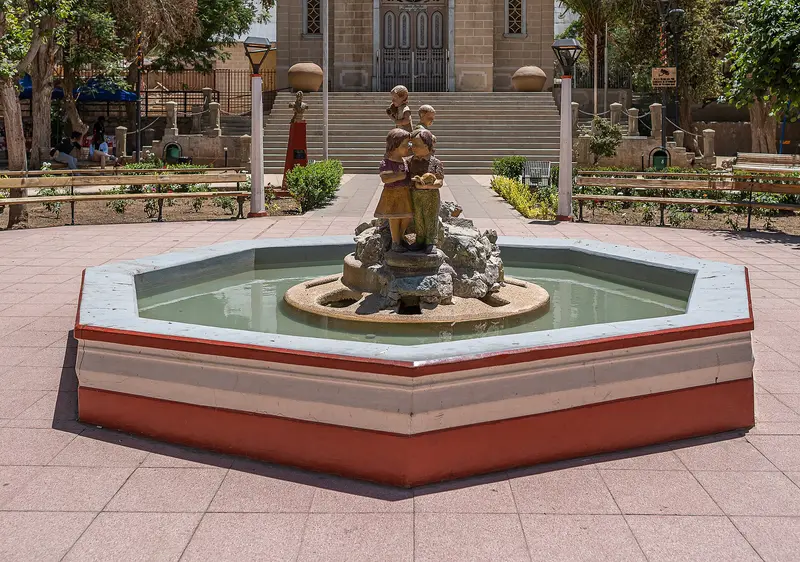
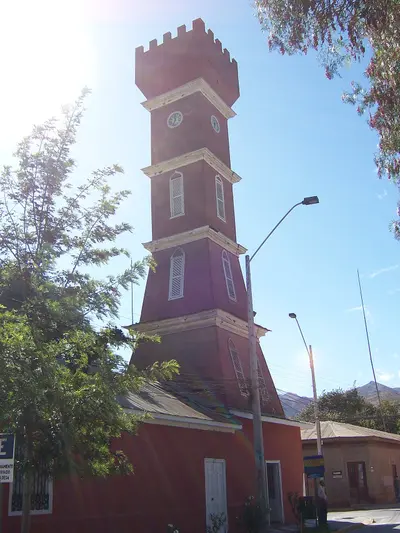
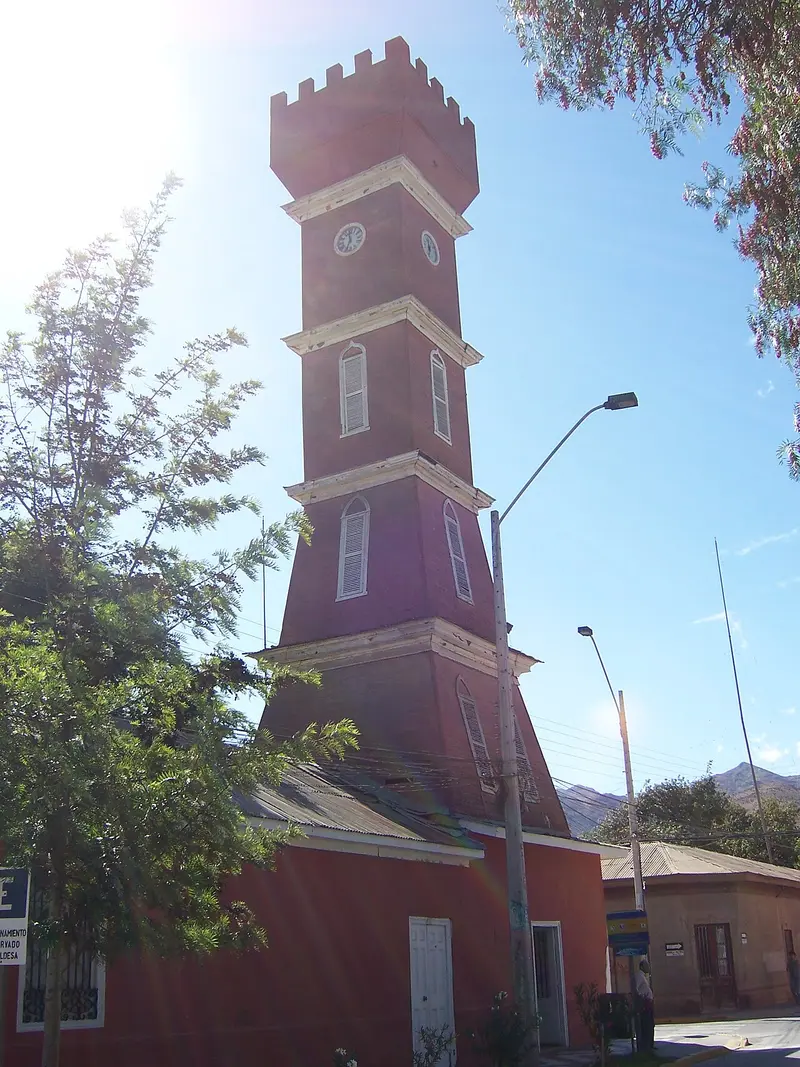
    Vicuña is the main town of the Elqui Valley and the birthplace of the poet Gabriela Mistral. Around the shady Plaza de Armas with the red Torre Bauer, you'll find museums, Pisco distilleries, and eateries.

    Discover

    Sights in Elqui Valley (Valle del Elqui)

    Discover the most important sights and attractions

    Cerro Tololo Observatory

    Cerro Tololo Observatory

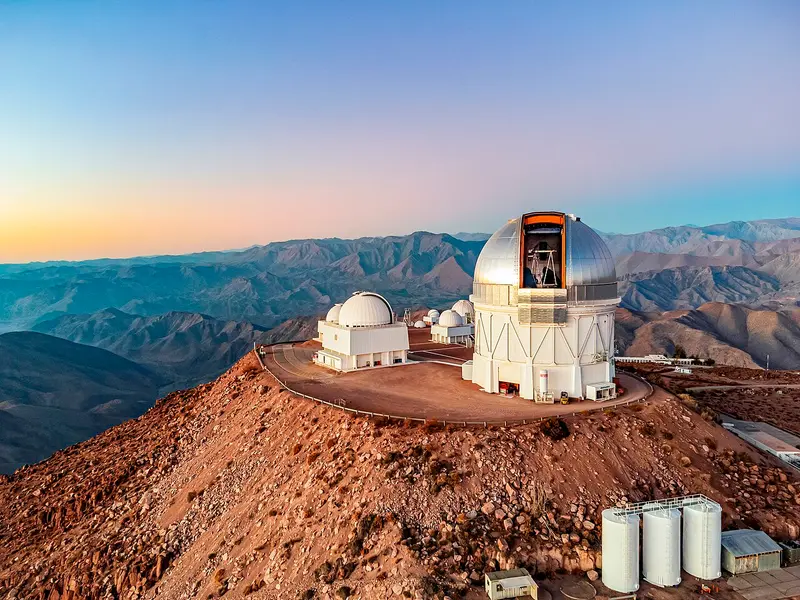
    The international research observatory, located on a peak southwest of Vicuña, is operated by NOIRLab. Every Saturday, free morning tours are offered. The meeting point is the access gate on Ruta 41 (Km 50), from where a bus transports the group to the telescopes. Reserve online at least 24 hours in advance, and bring a form of identification. Children under six years of age are not permitted.
    Open in Google Maps
    Embalse Puclaro

    Embalse Puclaro

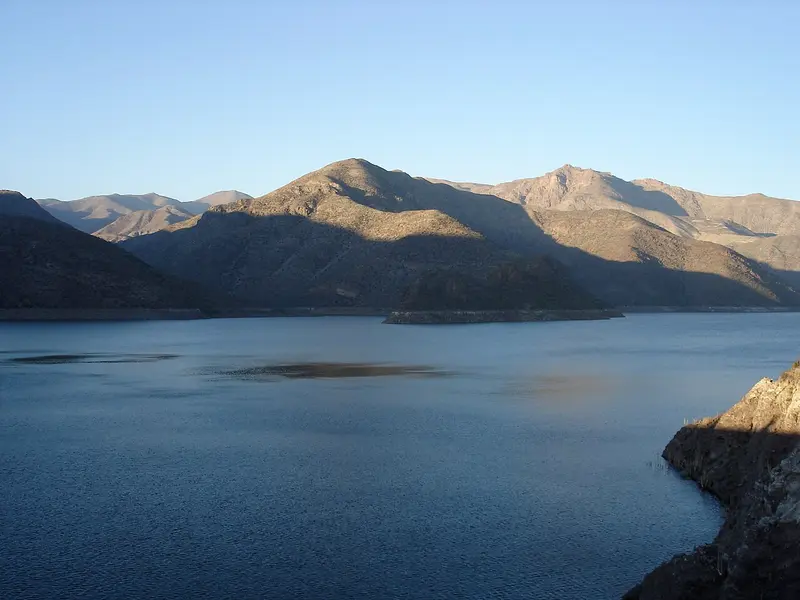
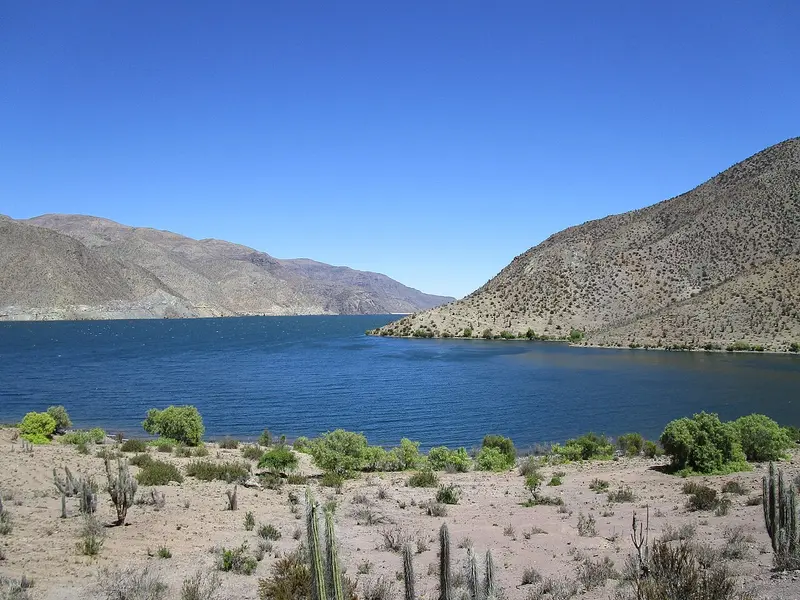
    The reservoir west of Vicuña was built starting in 1996, with flooding beginning in 1999. The water covers around 760 hectares and the former villages of La Polvada, Punta Azul, and old Gualliguaica; new Gualliguaica now lies on the shore. From noon onwards, a strong westerly wind usually picks up, making the beach near Gualliguaica a spot for windsurfers and kitesurfers; the best time is September to April. Motorboats are prohibited, and schools are available in the lakeside towns.
    Open in Google Maps
    Montegrande

    Montegrande

    Gabriela Mistral spent her childhood in this small village, where she is also buried. Her former schoolhouse on the Plaza is now a museum, and her grave on a hill at the village's edge is a National Monument.
    Open in Google Maps
    Pisco Elqui

    Pisco Elqui

    Until 1936, the village, at approx. 1300m in the upper Elqui Valley, was La Unión, then renamed after the Pisco distilled here. Nearby are distilleries like Los Nichos, small observatories, and many accommodations.
    Open in Google Maps

    Food & Drink in the Elqui Valley

    The valley's cuisine relies on grapes, fruits, and goat farming. Beyond Pisco, you'll encounter papaya products, goat cheese, and the dishes prepared in Villaseca's solar kitchens.

    Pisco

    The grape spirit is the valley's most famous product. In Vicuña, Pisco Elqui, and smaller villages, you can visit large and artisanal distilleries with tastings.

    Pisco Sour

    This Pisco cocktail of lemon juice, sugar, and egg white is a must in every local spot.

    Papaya

    The small Chilean mountain papaya is rarely eaten raw, but sold as compote, jam, or preserved in syrup. Cervecería Guayacán in Diaguitas brews a Papaya Lager with its fruit pulp.

    Craft Beer

    Founded in Diaguitas in 2010, Cervecería Guayacán is considered the valley's first brewery and operates beer gardens in Diaguitas, Vicuña, and Pisco Elqui. Additionally, in Pisco Elqui, Cerveza Brother brews on Calle Manuel Rodríguez.

    Solar food

    In Villaseca near Vicuña, families have cooked in solar ovens since the late 1980s; today, several restaurants do too. Dishes like Pastel de Choclo or kid slow-cook in the sun, making midday the ideal time to visit.

    Best Time to Visit

    When is the best time for your trip?

    March
    April
    September
    October
    November
    14–18°C·0–9 mm(little rain)
    In spring and autumn, days are pleasantly warm and nights are dry. In midsummer from December to February, it is warmer and busier with Chilean tourists; in winter, the few rainy days occur and nights become cold.
    Climate data for Vicuña station (620 m). The valley is dry for most of the year, with sparse rainfall mainly between May and August. Summer days are warm, but nights cool significantly in all seasons, even more so in the upper valley than in Vicuña.

    Seasons

    Jan
    Feb
    Mar
    Apr
    May
    Jun
    Jul
    Aug
    Sep
    Oct
    Nov
    Dec
    Summer break, high season
    Spring and Autumn
    Winter with occasional rain
    Best Time to Visit
    ▶Show detailed monthly data
    MonthTemp (°C)Rain (mm)
    January19.80
    February19.63
    March17.90
    April15.35
    May13.320
    June11.450
    July11.428
    August12.036
    September14.04
    October15.59
    November16.90
    December19.32

    Culture & History in the Elqui Valley

    The Elqui Valley in Chile's Norte Chico boasts a distinct cultural identity, shaped by its geography and indigenous roots. From approximately the 10th to the 16th century, the Diaguita people lived here and in the valleys up to Choapa. In the middle sections of the valley, they cultivated quinoa, beans, and squash, while also utilizing coastal resources. They are primarily known for their red, black, and white painted pottery with geometric patterns. From around 1470, the area came under the influence of the Inca.With Spanish colonization, the valley became an agricultural center, primarily for viticulture, which forms the basis of regional Pisco production.Today, the Elqui Valley is also renowned for its connection to the night sky. Astrotourism and spiritually oriented visitors, particularly those settled in Cochiguaz, shape its image, as do the Pisco distilleries. The Nobel Prize-winning author Gabriela Mistral, born here, is present throughout the valley, with a museum in Vicuña and her tomb in Montegrande.

    Getting to and Around the Elqui Valley

    Getting ThereThe starting point is La Serena, home to La Florida Airport and long-distance bus connections to Santiago. From there, Ruta 41 leads about 60 kilometers through the valley to Vicuña; expect around an hour by bus or car. Buses run regularly from La Serena's bus terminal to Vicuña, with some continuing via Paihuano to Montegrande and Pisco Elqui.Getting Around the ValleyBus and Colectivo: Buses and shared taxis (colectivos) operate between Vicuña and the villages in the upper valley, though much less frequently in the evenings and to side valleys.Rental Car: A rental car is worthwhile if you plan to visit Puclaro Reservoir, Valle de Cochiguaz, or observatories outside the towns. The road to Cochiguaz is unpaved.Night Tours: For guided tours at observatories outside the towns, you'll need your own car or a transfer provided by the tour operator. Confirm this when booking, as places are limited.Night Drives: The road in the upper valley is winding and unlit. Plan return trips after stargazing to be appropriately slow.

    Nearby

    Vicuña

    Vicuña

    Vicuña is the main town of the Elqui Valley and the birthplace of the poet Gabriela Mistral. Around the shady Plaza de Armas with the red Torre Bauer, you'll find museums, Pisco distilleries, and eateries. In the evenings, tours to the surrounding observatories depart from here.
    Montegrande

    Montegrande

    Montegrande is a small village in the Río-Claro Valley between Paihuano and Pisco Elqui, where Gabriela Mistral spent her childhood. The Casa Escuela, where she learned to read, and her grave on the edge of the village make it the most important memorial site for the poet.
    Pisco Elqui

    Pisco Elqui

    Pisco Elqui, located at around 1,300 meters in the upper Río Claro Valley, has borne the name of the grape brandy distilled here since 1936. The village, with its small plaza, is surrounded by vineyards and barren mountain slopes, serving many travelers as a base for distillery visits, stargazing, and excursions to Cochiguaz.
    Aconcagua Provincial Park

    Aconcagua Provincial Park

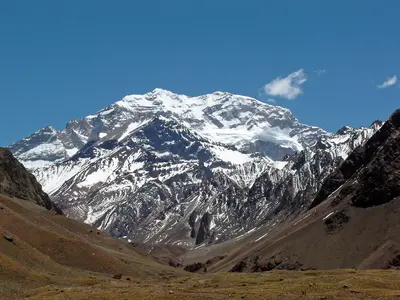
    Aconcagua, at 6,961 meters, is the highest mountain in the Americas. The provincial park protecting it is located about 180 kilometers west of Mendoza on Ruta Nacional 7 towards Chile, just past Puente del Inca and approximately 15 kilometers before the border. The drive there passes the Potrerillos reservoir and through the Andean village of Uspallata.Even without summit ambitions, a visit is worthwhile: A short circular trail leads to Laguna de Horcones with views of the massive south face; those with more time can hike in a day to the first base camp, Confluencia. For all trails, you need a permit, which you acquire in advance. The main season for trekking and ascents runs from mid-November to mid-March. Just before the park, a stop at Puente del Inca, a natural rock bridge over the river, is recommended.
    Valparaíso

    Valparaíso

    Valparaíso is Chile's historic port city on the Pacific coast west of Santiago, stretching steeply up the hills from a narrow strip along the harbor. Colorfully painted houses, stair-filled alleys, murals, and historic funiculars characterize the city, whose historic port quarter has been a UNESCO World Heritage site since 2003.

    Sources & method

    • Photos: Wikimedia Commons. Each photo carries its credit.
    • The content is based on web research from public, traceable sources. How the content is made · The role of AI