Fernweh
    ExploreTravel GuidesMy Trips
    de|en
    About FernwehImprintFAQPrivacy Policy
    ExploreTravel GuidesMy Trips
    Lesbos (Lesvos)

    Lesbos (Lesvos)

    CityCulture
    1. Home
    2. Destinations
    3. Greece
    4. North Aegean Islands
    5. Lesbos (Lesvos)
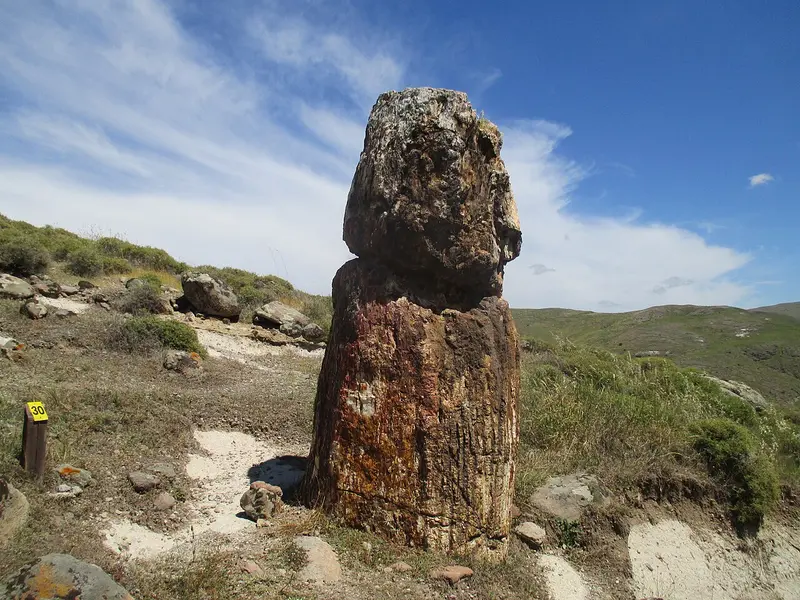
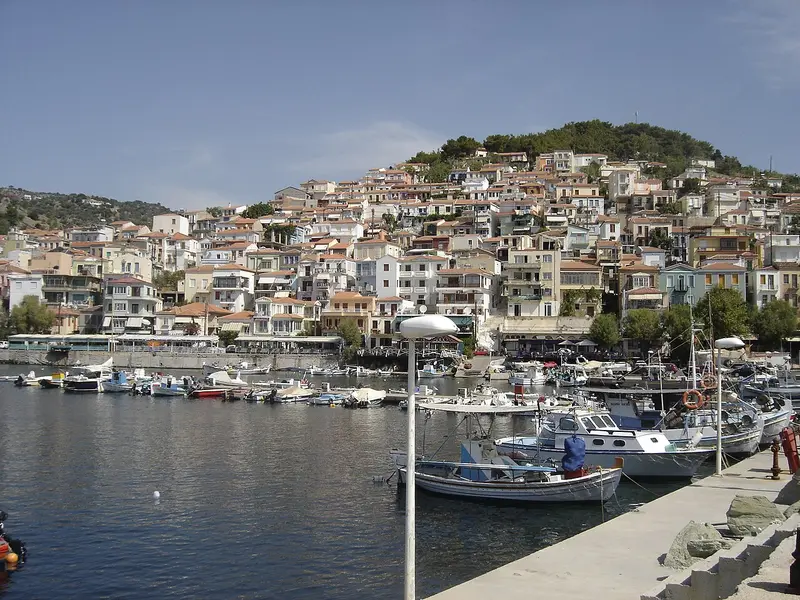
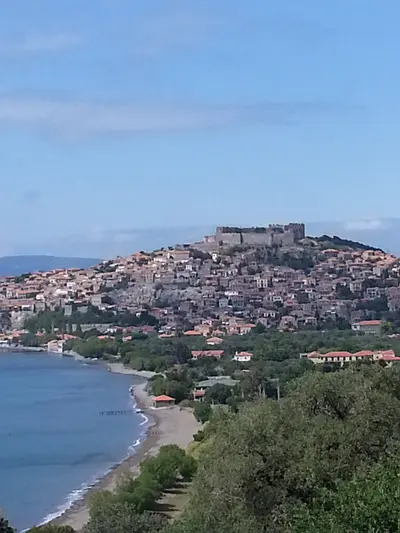
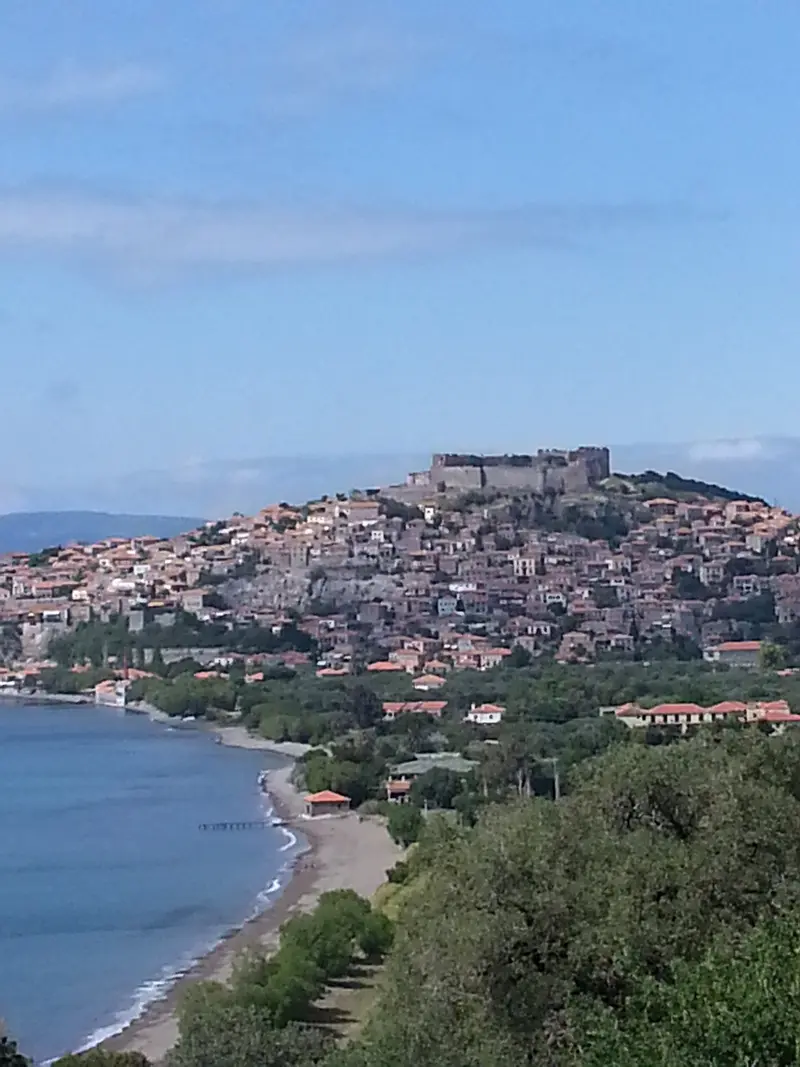
    The island of Lesbos (Lesvos), Greece's third largest, is characterized by its authentic atmosphere and vast olive groves that shape the landscape. In the capital Mytilene, you can explore the Byzantine castle and the Archaeological Museum, which illuminate the island's long history. Lesbos is famous for its production of high-quality olive oil and traditional ouzo, whose making you can experience in towns like Plomari. The picturesque village of Molyvos (Mithymna) with its impressive fortress also offers insight into traditional Aegean architecture. Unique is the Petrified Forest of Lesbos, a UNESCO Global Geopark that preserves prehistoric tree trunks. For a relaxed exploration, the off-season in spring or autumn is recommended, to quietly enjoy the thermal springs, such as in Eftalou or Polichnitos, and to sample local specialties.
    • Neighborhoods & highlights
    • Walking tours
    • Eat & drink
    • Culture
    • Getting around
    • Accommodation
    • Plan trip
    • Nearby
    • Neighborhoods & highlights
    • Walking tours
    • Eat & drink
    • Culture
    • Getting around
    • Accommodation
    • Plan trip
    • Nearby

    Overview

    Lesbos (Lesvos) offers olive groves and an authentic atmosphere away from mass tourism. In Mytilene, the Byzantine castle and Archaeological Museum bear witness to a rich history. Molyvos (Mithymna) impresses with its fortress and traditional Aegean architecture. The Petrified Forest of Lesbos is a unique UNESCO Geopark. High-quality olive oil and ouzo, whose production you can experience in Plomari, culturally characterize the island. For relaxed explorations and local specialties, the shoulder season in spring or autumn is recommended, also ideal for the thermal springs in Eftalou or Polichnitos.

    Places in Lesbos (Lesvos)

    Discover the most important sights and attractions

    Sights in Lesbos (Lesvos)

    Μυτιλήνη Λέσβος

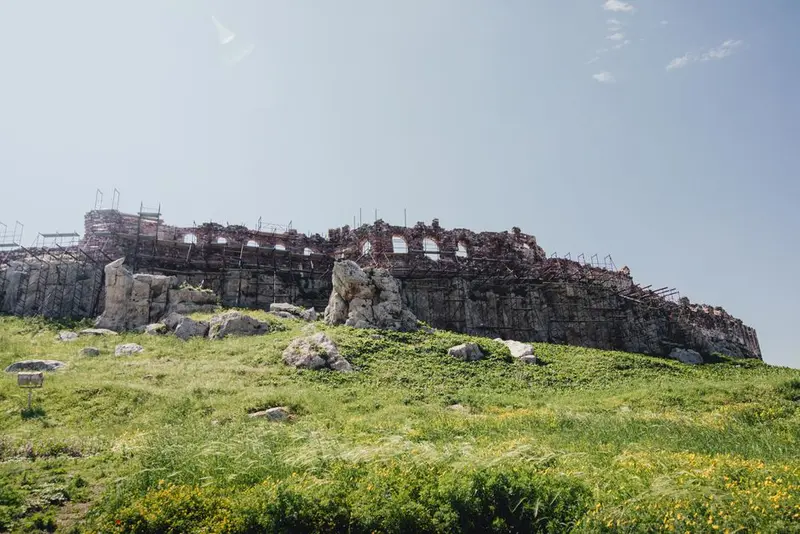
    Mytilene, the capital of Lesbos, is a fascinating place with a deep-rooted history dating back to antiquity. Here, you'll find traces of Roman, Byzantine, and Ottoman influences that shape the cityscape. The imposing Kastro of Mytilene, one of the largest fortresses in the Mediterranean, majestically overlooks the city and offers sweeping views over the Aegean Sea. A stroll through the narrow streets of the Old Town reveals magnificent neoclassical mansions and bustling markets. Also visit the Archaeological Museum to learn more about the island's rich past, or the remains of the Roman Aqueduct of Moria, an impressive testament to ancient engineering. Our Tip: Explore the Kastro early in the morning to enjoy the tranquility and capture the best photos without crowds. For an authentic glimpse into local life, a visit to the fish market at the harbor is recommended.
    Open in Google Maps

    Wall Painting

    The wall paintings on Lesbos offer you a rare glimpse into the artistic traditions and daily life of the island's ancient inhabitants. Here, you will often discover fragmentary yet fascinating remains of frescoes and wall paintings, primarily dating from the Roman and Early Byzantine periods. These artworks typically feature geometric patterns, floral motifs, or figural representations, providing insights into the mythology, daily life, or religious practices of that era. Their significance lies in documenting Lesbos' cultural development. They illustrate the influence of Roman art and later the beginnings of Christian iconography, making them valuable testimonies of their respective epochs. To better appreciate the details of these delicate artworks, a visit during good, diffused daylight is recommended. Look out for signage at archaeological sites or visit local museums where many of these finds are exhibited for better preservation. Our Tip: Take your time to study the fine brushstrokes and colour pigments that have been preserved over centuries.
    Open in Google Maps

    LEFT LIGHTHOUSE

    The Lighthouse, often referred to as 'LEFT LIGHTHOUSE', is a prominent landmark on the coast of Lesbos. Its primary function has always been to ensure safe navigation for ships in the Aegean waters, known for their changeable conditions. While its exact construction history may vary, such lighthouses stand in a long tradition of maritime safety, crucial for islands like Lesbos. Here you will find robust, functional architecture that withstands the elements while offering expansive sea views.Visitors can enjoy the tranquility of the coast and soak in the vastness of the horizon. The lighthouse's surroundings are often sparse but scenically charming. It's an ideal spot to experience the maritime atmosphere and understand the significance of these structures for navigation. For photographers, the lighthouse offers excellent motifs, especially in the early morning or late afternoon, when the light is softer. Our tip: Plan your visit outside peak season to best enjoy the silence and unobstructed views. Ensure you wear sturdy footwear, as the path to the lighthouse can often be unpaved.
    Open in Google Maps

    Taxiárches

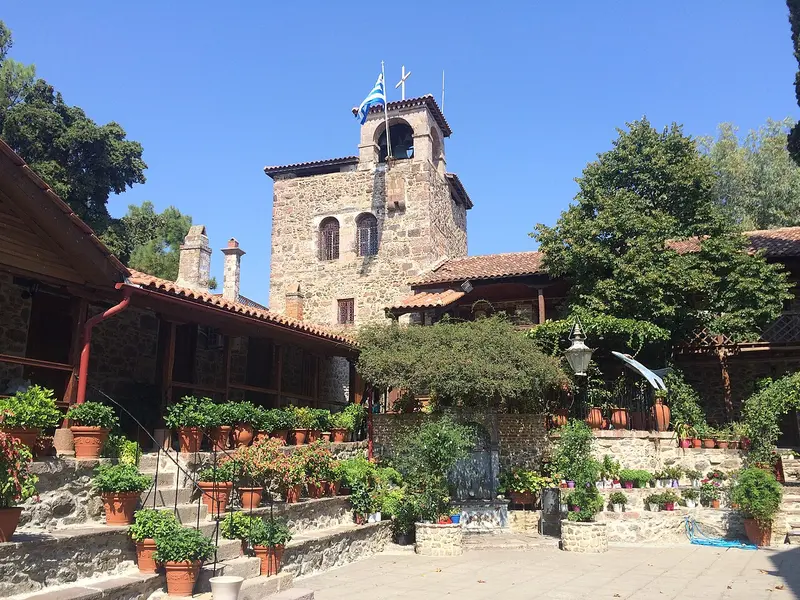
    The Monastery of Taxiárches in Mantamados on Lesbos is a significant religious center dedicated to Archangel Michael. Here you will find one of Greece's most revered icons, depicting Archangel Michael and attributed with miraculous powers. Legend has it that this unique icon was formed by a monk from clay and the blood of martyrs after pirates had raided the monastery. Architecturally, the monastery features an impressive stone facade and a bell tower that reflects traditional Byzantine construction. Inside, you'll discover an atmosphere of deep spirituality, surrounded by elaborate frescoes and other religious artifacts. Especially on holidays, Taxiárches attracts numerous pilgrims seeking solace and blessings. Our Tip: Visit the monastery in the early morning or late afternoon to capture the tranquility and unique light for photos and avoid the largest crowds. Ensure appropriate attire that covers shoulders and knees.
    Open in Google Maps

    Street Art

    The street art in Lesbos is a vibrant expression of the island's identity and its recent history, often shaped by the impact of the refugee crisis. Here, you won't find a static exhibition, but rather a dynamic gallery on the alleys and walls of towns like Mytilene. These artworks range from large-scale murals to subtle stencils, offering profound commentaries or thought-provoking portraits. Our Tip: Begin your exploration in the winding alleys of Mytilene's Old Town and around the harbor, where the art constantly evolves. For optimal photos, we recommend the morning or late afternoon to avoid harsh shadows.
    Open in Google Maps

    City walks in Lesbos (Lesvos)

    Curated walking tours through the city's highlights — handpicked by experienced travel journalists.

    Mytilene: Ein Spaziergang durch Geschichte und lebendiges Flair

    Entdecken Sie bei diesem zweistündigen Rundgang die faszinierende Hauptstadt von Lesbos. Von der belebten Hafenpromenade über historische Gassen bis zur imposanten Burg erleben Sie die vielfältige Seele Mytilenes. Tauchen Sie ein in die reiche Geschichte und das authentische griechische Inselleben.

    ~2 Std.
    In Google Maps öffnen
    Stopps (7)

    Dining & Drinks

    Cultural Heritage and History on Lesbos

    The Greek island of Lesbos possesses a deeply rooted cultural and historical heritage. Its history spans from antiquity through Byzantine and Ottoman rule into modern times, shaping the island's landscape and its inhabitants' way of life to this day. Lesbos is closely linked to significant figures in world history and has preserved a rich tradition in art and craftsmanship.Inhabited since antiquity, Lesbos was an important center for the Aeolian Greeks. It is inextricably linked with the poetess Sappho, who lived and worked here in the 7th century BC, and whose lyric poetry established the island as the birthplace of emotional verse. Archaeological finds from this period attest to highly developed civilizations in the Aegean Sea.The island's architecture reflects its turbulent history. Byzantine churches, such as the Panagia Agiasou, stand alongside Ottoman mosques and baths. Also prominent are the Venetian and Genoese fortifications, including the Kastro of Mytilene, which underscored the island's strategic importance for centuries.Cultural distinctiveness is evident in local festivals, music, and craft traditions. Lesbos is known for its olive oil production, which is deeply rooted in the island's identity. Furthermore, the island produced notable artists like the naive painter Theophilos Hatzimichael, whose works depict rural life.

    Getting Around Here

    To explore Lesbos, buses from the local operator KTEL are the backbone of public transport. They connect larger towns and many villages, but frequency can be limited outside high season. There is no metro or tram on the island, which emphasizes the importance of individual transport.For maximum flexibility, a rental car or scooter is recommended to reach remote beaches and charming mountain villages; book these in advance, especially during high season. Taxis are readily available in larger towns, but ride-sharing services like Uber are uncommon and not widespread on Lesbos.In the centers of Mytilini or Molyvos, the narrow streets are often pedestrian-friendly and invite strolling, but for longer distances or island-wide trips, a vehicle is essential. E-scooters and bicycles are suitable for short distances in tourist areas. Always plan your routes in advance and check current timetables to make the most of your trip.

    Accommodations in Lesbos (Lesvos)

    Accommodations in Lesbos (Lesvos)

    Find perfect stay in Lesbos (Lesvos)

    Booking.com
    Search Hotels
    Agoda
    Search Hotels
    Airbnb
    Vacation Rentals
    Hotels.com
    Hotels Worldwide
    Hostelworld
    Hostels

    Campgrounds in Lesbos (Lesvos)

    Find perfect campground in Lesbos (Lesvos)

    Search via Google Maps
    Campgrounds nearby (15km)
    Camping.info
    Find Campgrounds
    Park4Night
    RV Parks & Camping

    Plan your trip to Lesbos (Lesvos)

    Save places, build a route and plan your city trip — all in one place.

    Save places

    Bookmark sights, restaurants and neighborhoods you're interested in.

    Build your route

    Turn your bookmarks into a route — define order, days and budget.

    Refine with AI

    Let Mein Fernweh suggest experiences and put together a tailored daily plan.

    Start trip planningOpen bookmarks

    Locations nearby

    These places are nearby — perfect for additional days or a day trip.

    North Aegean Islands

    North Aegean Islands

    The North Aegean Islands offer an authentic side of Greece, far from the mass tourism of the Cyclades. Here, visitors can expect lush landscapes, rich history, and an unspoiled culture, shaped by local traditions and warm hospitality. Discover ancient sites, picturesque fishing villages, and some of the most beautiful beaches of the Aegean Sea.
    Chios

    Chios

    The island of Chios in the eastern Aegean is renowned for its unique mastic production and rich history.Here you'll discover medieval mastic villages like Pyrgi and Mesta with distinctive sgraffito architecture, as the mastic tree thrives only here.The UNESCO World Heritage Site Nea Moni, a Byzantine monastery, features impressive mosaics.In Chios Town, the fortress and Archaeological Museum offer insights into the island's complex history.For authentic mastic experiences, explore the southern Mastichochoria; spring and autumn offer ideal conditions.
    Samos

    Samos

    Samos, a green island in the eastern Aegean, combines rich history with picturesque coastal towns. The capital, Samos-Town (Vathy), captivates with its neoclassical architecture and lively harbour. Visit Pythagoreion, a UNESCO World Heritage site, home to ancient ruins like the Heraion – birthplace of the goddess Hera – and the Eupalinos Tunnel. Here you'll also discover the home of the famous mathematician Pythagoras. The island is known for its sweet Muscat wine, which you can sample in local wineries. For relaxed beach days or hikes, spring and autumn are ideal to take advantage of the mild temperatures and fewer crowds.
    Limnos (Lemnos)

    Limnos (Lemnos)

    The island of Limnos (Lemnos) in the northeastern Aegean captivates with its untouched nature and authentic atmosphere, far from mass tourism. Its capital, Myrina, is dominated by an imposing Venetian castle, majestically perched above the harbour and traditional mansions. Culturally significant are the prehistoric settlement of Poliochni, one of Europe's oldest cities, as well as the ancient sites of Kavirio and Hephaistia, which offer insights into the island's rich history. Limnos also offers a diverse landscape, from fertile plains to the unique sand dunes of Pachies Ammoudies. Explore picturesque beaches like Plati or Thanos and be sure to try the local specialities, including Muscat wine and Kalathaki Limnou cheese. A rental car is recommended for flexible exploration of the island; the best time to visit is late spring or early autumn.
    Ikaria

    Ikaria

    Ikaria, one of the world-renowned 'Blue Zones', is famous for the exceptional longevity of its inhabitants and their relaxed pace of life. Here you'll find an island that has preserved its authenticity and is characterized by a strong sense of community. Discover the picturesque Seychelles Beach with its turquoise waters or the charming fishing village of Armenistis. In the mountain village of Christos Rachon, shops often open only in the late evening, a testament to the unique 'Ikarian Rhythm'. The ancient ruins at Nas Beach offer not only historical insights but also an idyllic beach. For a deep cultural experience, visit one of the traditional Panigyria with music and dance in summer. It is recommended to use a rental car to explore the island's diverse landscapes and thermal springs.