Fernweh
    ExploreTravel GuidesMy Trips
    de|en
    About FernwehImprintFAQPrivacy Policy
    ExploreTravel GuidesMy Trips
    Chios

    Chios

    CityCulture
    1. Home
    2. Destinations
    3. Greece
    4. North Aegean Islands
    5. Chios
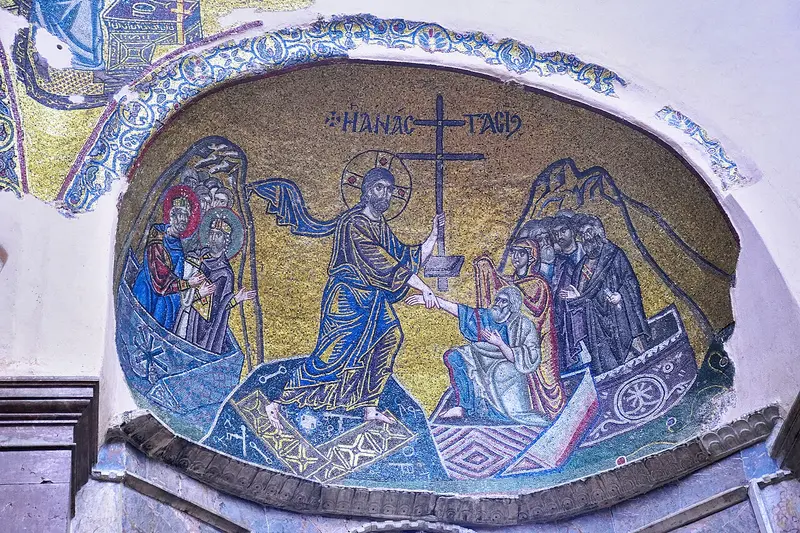
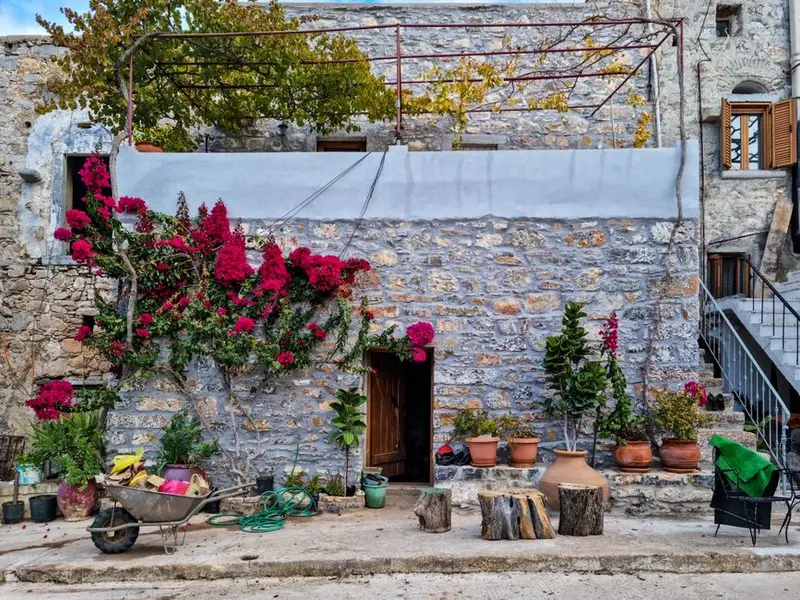
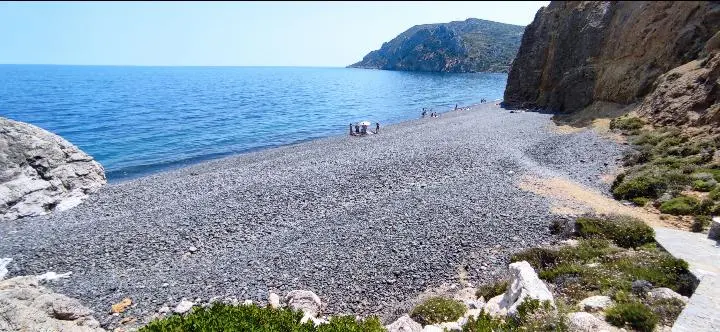
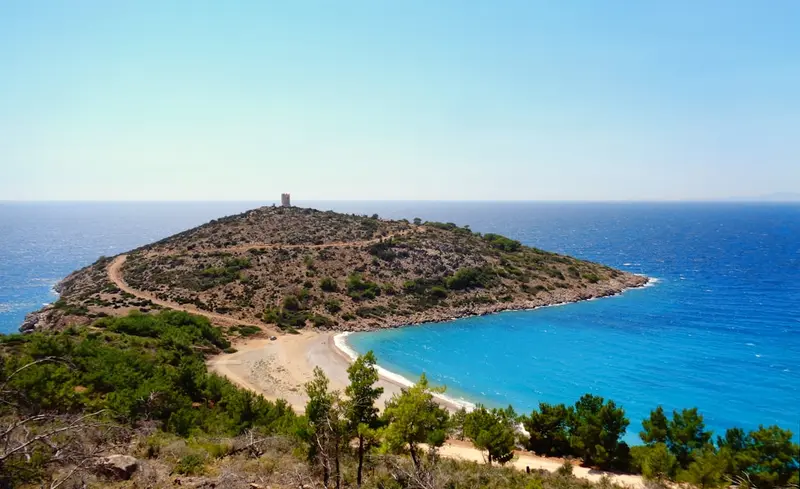
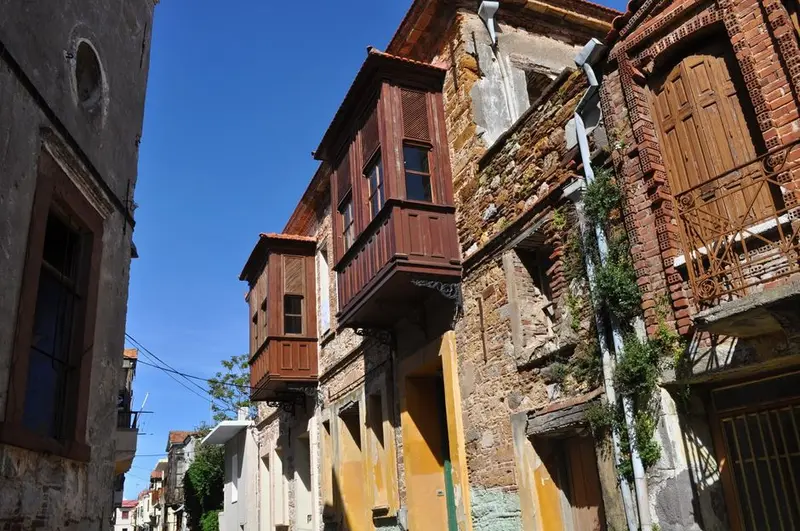
    The island of Chios in the eastern Aegean is renowned for its unique mastic production and rich history.Here you'll discover medieval mastic villages like Pyrgi and Mesta with distinctive sgraffito architecture, as the mastic tree thrives only here.The UNESCO World Heritage Site Nea Moni, a Byzantine monastery, features impressive mosaics.In Chios Town, the fortress and Archaeological Museum offer insights into the island's complex history.For authentic mastic experiences, explore the southern Mastichochoria; spring and autumn offer ideal conditions.
    • Neighborhoods & highlights
    • Eat & drink
    • Culture
    • Getting around
    • Accommodation
    • Plan trip
    • Nearby
    • Neighborhoods & highlights
    • Eat & drink
    • Culture
    • Getting around
    • Accommodation
    • Plan trip
    • Nearby

    Overview

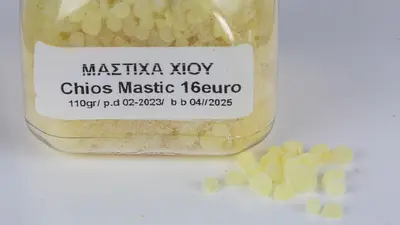
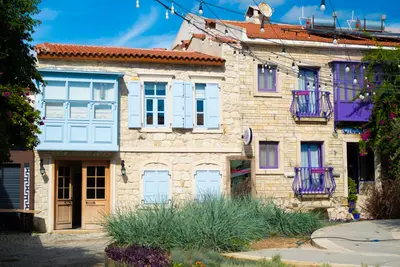
    The island of Chios in the eastern Aegean is famous for its unique mastic production, which shapes its culture and architecture.Here you'll find the Mastichochoria in the south, such as Pyrgi and Mesta, known for their distinctive sgraffito architecture.These villages are the center of mastic harvesting, a resin that only thrives here and has been used since antiquity.The UNESCO World Heritage Site of Nea Moni, a Byzantine monastery, houses impressive mosaics.In Chios Town, the fortress and Archaeological Museum offer insights into the island's rich history.Spring and autumn are ideal for explorations, as temperatures are mild and fewer tourists visit the island.

    Places in Chios

    Discover the most important sights and attractions

    Sights in Chios

    Υδραγωγείο

    The Υδραγωγείο on Chios, often known as 'Kamares', is an impressive testament to Roman engineering. It was built in the 2nd century AD to supply the city of Chios with fresh water from the springs of Pispilounta. This monumental structure played a crucial role in the development and survival of the ancient settlement. You can still admire well-preserved sections of the arcades and pillars, which majestically stretch through the landscape. The remains extend over several kilometers and offer a fascinating insight into the water supply technology of that era. Particularly worth seeing are the arches near the village of Kambos, where the construction is best preserved. Our Tip: Visit the aqueduct in the early morning or late afternoon to take advantage of the soft light for photos and enjoy the tranquility of the surroundings. A walk along the preserved sections will give you a sense of the grandeur of this historic structure.
    Open in Google Maps

    Windmill of Chios

    The **Windmill of Chios** is a characteristic testament to the island's agricultural history. These historic structures, often strategically placed along coasts or on hilltops, once served to mill grain or pump water, tasks vital for the local economy. Their simple yet robust architecture, with cylindrical stone walls and a conical roof, is typical of the Aegean and blends harmoniously into the landscape. When you visit the windmill, you not only experience a piece of the past but also often enjoy a _picturesque view_ of the azure sea and the surrounding nature. For the best photos and to enjoy the site's tranquility undisturbed, a visit in the early morning or just before sunset is recommended. This way you avoid the midday heat and larger visitor groups.
    Open in Google Maps

    Osmanische Bäder

    The Ottoman Baths on Chios are a significant testament to the long Ottoman rule on the island, which spanned centuries. These public baths, also known as hamams, were not only places for personal hygiene but also important social hubs where the local population interacted and relaxed. Here you'll find architectural elements typical of Ottoman bath culture, such as domes and vaulted rooms, which were once filled with steam. Although the baths are often no longer in operation today, they offer a deep insight into the daily life and cultural practices of past eras. Our Tip: It's best to visit the complex in the early morning hours to enjoy the tranquility and admire the details of the historic architecture undisturbed. Pay attention to the remaining structures, which hint at the original function of the various rooms.
    Open in Google Maps

    Filoproodos Omilos Vrontadou (F.O.V.)

    The Filoproodos Omilos Vrontadou (F.O.V.) is an important cultural association in Vrontados, Chios, which has cultivated and promoted local traditions since its establishment in 1924. Here you'll find a small but informative folklore museum, offering insight into the region's traditional life. It houses a collection of everyday objects, tools, and historical photographs, documenting Vrontados' rich history. The F.O.V. is also inextricably linked with the famous Rouketopolemos, the annual Rocket War at Easter, where the village's two churches, Agios Markos and Panagia Erithiani, engage in a spectacular fireworks competition. The association plays a key role in organizing and preserving this unique custom. Our Tip: If you have the opportunity, visit Vrontados during Easter to experience this extraordinary event live. Outside this peak season, the museum offers a quiet way to learn about local culture. Inquire in advance about the museum's exact opening hours, as these can vary.
    Open in Google Maps

    Chios Fountain

    The Chios Fountain, often found in the heart of Chios town, stands as a silent witness to the island's rich history. Here, you'll encounter a structure that once played a central role in the water supply and served as a gathering point for residents. Its architecture often reflects the various eras that shaped Chios, possibly with Ottoman or Genoese influences evident in its details or overall form. As you observe the fountain, you'll often discover finely crafted stonework or inscriptions that tell stories from bygone times. It is not just a historical relic but also a place of tranquility amidst the urban hustle and bustle. You can take a short break here and let the atmosphere wash over you, as you imagine what life was like here centuries ago. Our Tip: Visit the fountain in the early morning to capture the special lighting and study its details without large crowds. For an atmospheric photo, consider a perspective that shows the fountain in the context of the surrounding historic buildings. This way, you'll capture not only the fountain itself but also its historical environment.
    Open in Google Maps

    Dining & Drinks

    Chios: Culture, Art & History

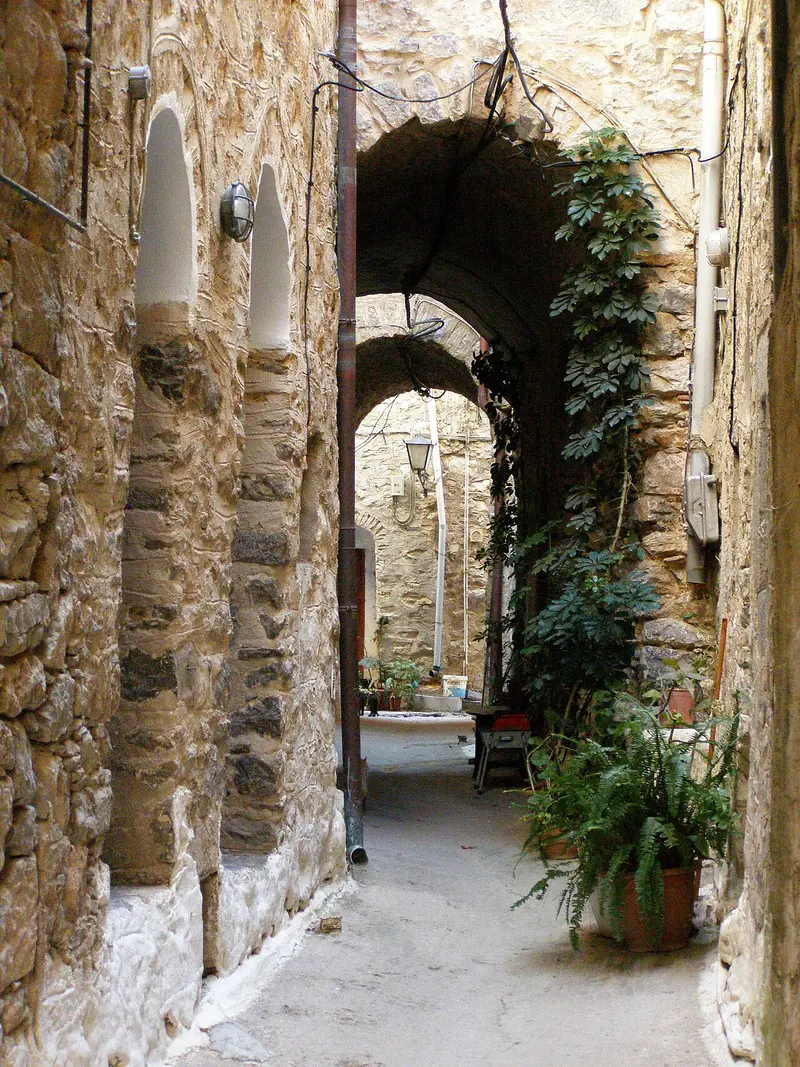
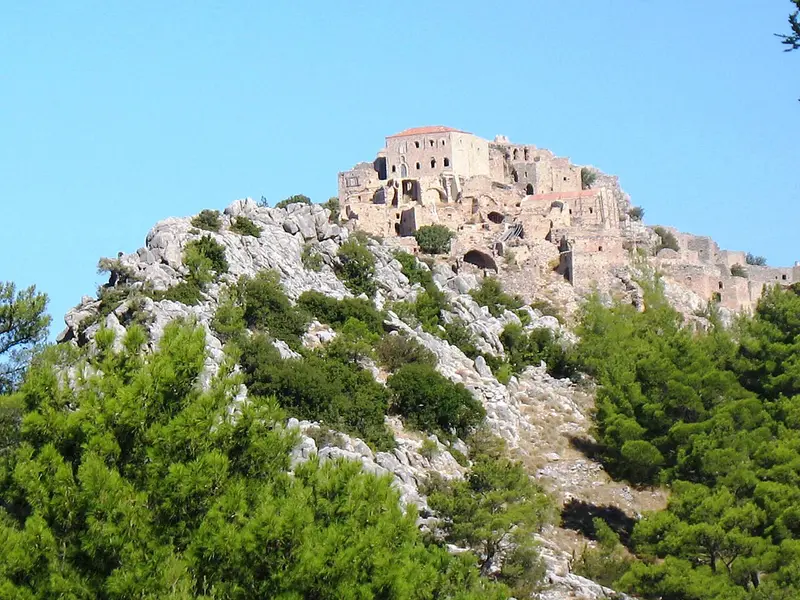
    Chios possesses a rich and multifaceted cultural history, deeply rooted in ancient origins and shaped by numerous epochs. From its possible connection to Homer to Byzantine splendor and the defining era of the Genoese, the island offers a unique cultural landscape. This historical depth is reflected in its architecture, local customs, and the extraordinary significance of a natural product.The history of Chios dates back to antiquity, with traces of Mycenaean settlements and the legend that Homer was born or lived here. The island's strategic location led to a succession of rulers, including Romans and Byzantines, with the Nea Moni Monastery from the 11th century, a UNESCO World Heritage site, representing an outstanding example of Byzantine art and architecture. Particularly defining was the almost 250-year rule of the Genoese (1346–1566), who strengthened the trading center of Chora and shaped the unique fortified “Mastihochoria” like Pyrgi, Mesta, and Olympi.The architecture of these Mastihochoria is globally unique, characterized by their labyrinthine alleys, interconnected houses for protection against pirates, and the famous “Xysta” facades in Pyrgi, elaborate geometric black and white patterns. Chios' cultural heritage is inextricably linked to mastic resin extraction, a tradition cultivated since antiquity that significantly shaped the economy and society of the southern villages. This unique product remains a central part of the island's identity to this day. The memory of tragic events such as the Chios Massacre in 1822 during the Greek War of Independence is also deeply embedded in the collective identity.

    Local Getting Around

    The picturesque island of Chios is best explored flexibly. There is no metro or tram system here; transport primarily relies on the local bus network (KTEL Chios), connecting major towns and beaches with Chios Town. Bus tickets are available directly on the bus or at main bus stops; dedicated timetable apps are rare, so checking notice boards or the official KTEL website is recommended.For shorter distances within Chios Town and surrounding areas, bicycles or e-scooters are a charming option, though they become more challenging outside city limits due to the hilly terrain. Taxis are available, especially in Chios Town and at tourist hotspots; ride-sharing services like Uber are not established on Chios. Chios Town's city centre is excellent for exploring on foot, with its narrow streets and harbour promenade. To truly experience the island's diverse beauty, from the Mastichochoria villages to secluded beaches, renting your own vehicle – be it a car or a scooter – is the most recommended and flexible choice.

    Accommodations in Chios

    Accommodations in Chios

    Find perfect stay in Chios

    Booking.com
    Search Hotels
    Agoda
    Search Hotels
    Airbnb
    Vacation Rentals
    Hotels.com
    Hotels Worldwide
    Hostelworld
    Hostels

    Campgrounds in Chios

    Find perfect campground in Chios

    Search via Google Maps
    Campgrounds nearby (15km)
    Camping.info
    Find Campgrounds
    Park4Night
    RV Parks & Camping

    Plan your trip to Chios

    Save places, build a route and plan your city trip — all in one place.

    Save places

    Bookmark sights, restaurants and neighborhoods you're interested in.

    Build your route

    Turn your bookmarks into a route — define order, days and budget.

    Refine with AI

    Let Mein Fernweh suggest experiences and put together a tailored daily plan.

    Start trip planningOpen bookmarks

    Locations nearby

    These places are nearby — perfect for additional days or a day trip.

    Ikaria

    Ikaria

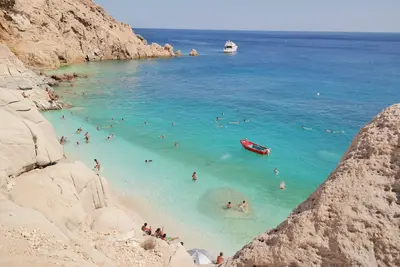
    Ikaria, one of the world-renowned 'Blue Zones', is famous for the exceptional longevity of its inhabitants and their relaxed pace of life. Here you'll find an island that has preserved its authenticity and is characterized by a strong sense of community. Discover the picturesque Seychelles Beach with its turquoise waters or the charming fishing village of Armenistis. In the mountain village of Christos Rachon, shops often open only in the late evening, a testament to the unique 'Ikarian Rhythm'. The ancient ruins at Nas Beach offer not only historical insights but also an idyllic beach. For a deep cultural experience, visit one of the traditional Panigyria with music and dance in summer. It is recommended to use a rental car to explore the island's diverse landscapes and thermal springs.
    Lesbos (Lesvos)

    Lesbos (Lesvos)

    The island of Lesbos (Lesvos), Greece's third largest, is characterized by its authentic atmosphere and vast olive groves that shape the landscape. In the capital Mytilene, you can explore the Byzantine castle and the Archaeological Museum, which illuminate the island's long history. Lesbos is famous for its production of high-quality olive oil and traditional ouzo, whose making you can experience in towns like Plomari. The picturesque village of Molyvos (Mithymna) with its impressive fortress also offers insight into traditional Aegean architecture. Unique is the Petrified Forest of Lesbos, a UNESCO Global Geopark that preserves prehistoric tree trunks. For a relaxed exploration, the off-season in spring or autumn is recommended, to quietly enjoy the thermal springs, such as in Eftalou or Polichnitos, and to sample local specialties.
    North Aegean Islands

    North Aegean Islands

    The North Aegean Islands offer an authentic side of Greece, far from the mass tourism of the Cyclades. Here, visitors can expect lush landscapes, rich history, and an unspoiled culture, shaped by local traditions and warm hospitality. Discover ancient sites, picturesque fishing villages, and some of the most beautiful beaches of the Aegean Sea.
    Samos

    Samos

    Samos, a green island in the eastern Aegean, combines rich history with picturesque coastal towns. The capital, Samos-Town (Vathy), captivates with its neoclassical architecture and lively harbour. Visit Pythagoreion, a UNESCO World Heritage site, home to ancient ruins like the Heraion – birthplace of the goddess Hera – and the Eupalinos Tunnel. Here you'll also discover the home of the famous mathematician Pythagoras. The island is known for its sweet Muscat wine, which you can sample in local wineries. For relaxed beach days or hikes, spring and autumn are ideal to take advantage of the mild temperatures and fewer crowds.
    Patmos

    Patmos

    Patmos, often referred to as the "Holy Island," is a significant pilgrimage destination in the Aegean and boasts a unique spiritual atmosphere. At its heart stands the imposing Monastery of Saint John the Theologian, a UNESCO World Heritage Site, whose fortress architecture dominates the Chora. Directly below the Monastery lies the Cave of the Apocalypse, where, according to tradition, the Apostle John received the Revelation. The picturesque Chora, also a UNESCO site, invites exploration with its whitewashed houses and narrow lanes. Down at Skala harbor, you'll find lively tavernas and small shops. For a quieter experience, a visit during the off-season is recommended, such as in late spring or early autumn. Explore the winding paths of the Chora best on foot in the early morning hours to experience its unique tranquility.