Fernweh
    ExploreTravel GuidesMy Trips
    de|en
    About FernwehImprintFAQPrivacy Policy
    ExploreTravel GuidesMy Trips
    North Aegean Islands

    North Aegean Islands

    Region
    1. Home
    2. Destinations
    3. Greece
    4. North Aegean Islands
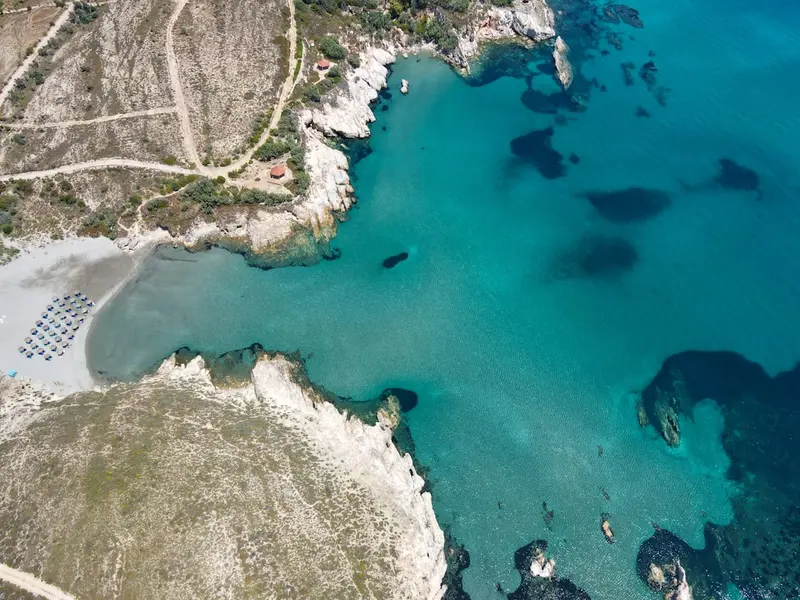
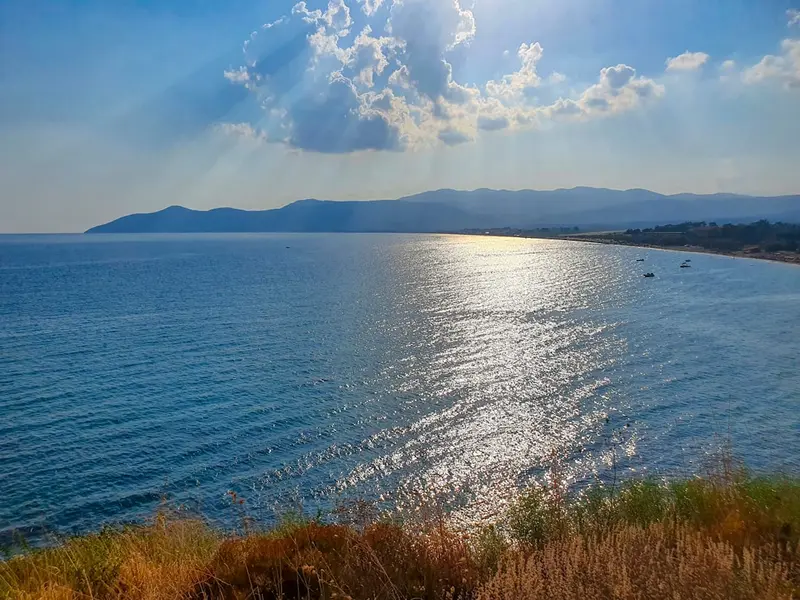
    The North Aegean Islands offer an authentic side of Greece, far from the mass tourism of the Cyclades. Here, visitors can expect lush landscapes, rich history, and an unspoiled culture, shaped by local traditions and warm hospitality. Discover ancient sites, picturesque fishing villages, and some of the most beautiful beaches of the Aegean Sea.
    • Overview
    • Places in the region
    • Eat & drink
    • Culture
    • Nearby
    • Overview
    • Places in the region
    • Eat & drink
    • Culture
    • Nearby
    The North Aegean Islands represent an authentic Greece, away from the busier routes of the Cyclades. Here you will find a combination of lush vegetation, rich history, and a deeply rooted local culture. On Samos, you'll discover the UNESCO World Heritage Sites Pythagoreion and Heraion, while Chios impresses with its unique Mastic villages and the Nea Moni Monastery. The island of Lesbos offers, alongside the charming capital Mytilini, the Petrified Forest, a rare natural phenomenon. The region is known for its relaxed way of life and local products, which you can find in traditional markets. For a relaxed trip, it is advisable to visit the islands during the shoulder seasons from May to June or September to October. This way you'll experience pleasant weather and fewer tourists, allowing you to fully enjoy the authentic atmosphere.

    Places in North Aegean Islands

    Chios

    Chios

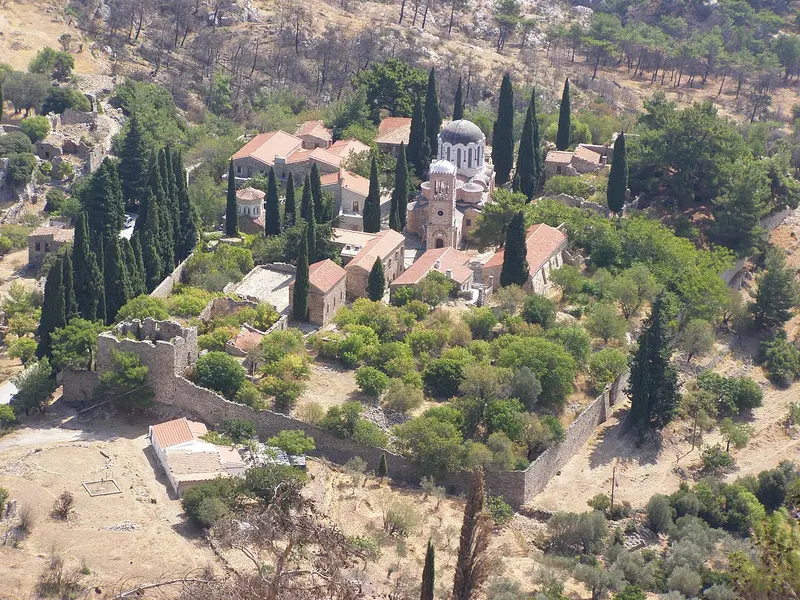
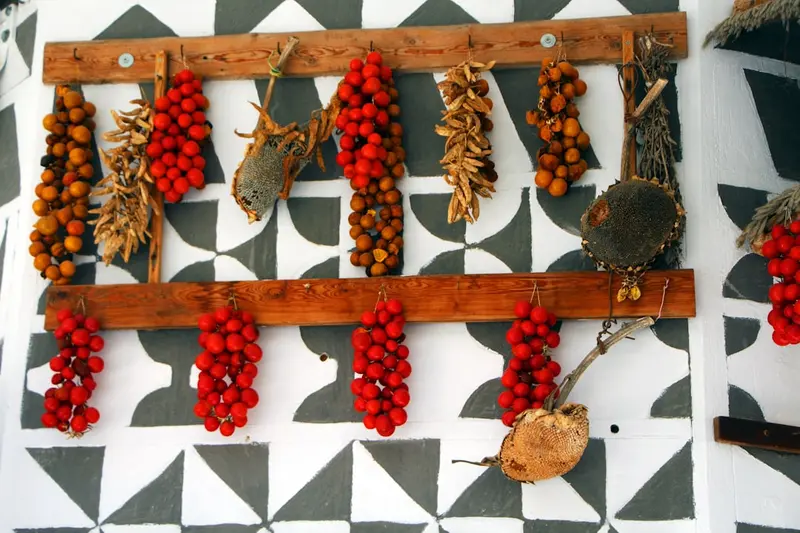
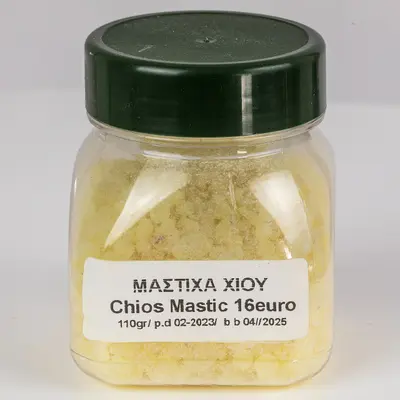
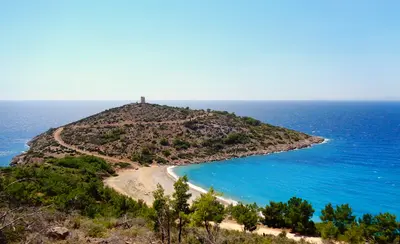
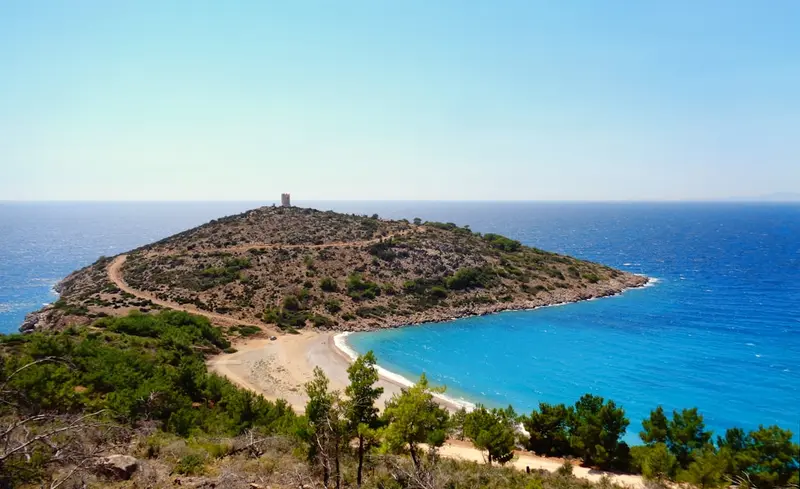
    The island of Chios in the eastern Aegean is renowned for its unique mastic production and rich history.Here you'll discover medieval mastic villages like Pyrgi and Mesta with distinctive sgraffito architecture, as the mastic tree thrives only here.The UNESCO World Heritage Site Nea Moni, a Byzantine monastery, features impressive mosaics.In Chios Town, the fortress and Archaeological Museum offer insights into the island's complex history.For authentic mastic experiences, explore the southern Mastichochoria; spring and autumn offer ideal conditions.
    Ikaria

    Ikaria

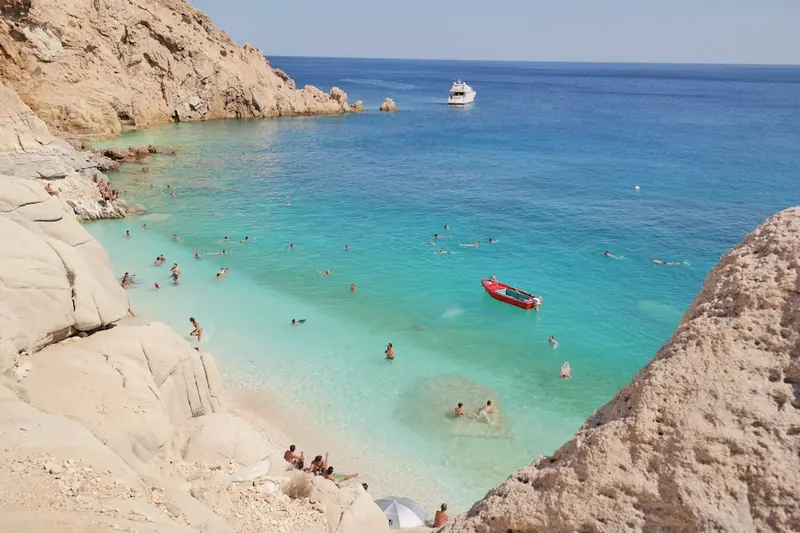
    Ikaria, one of the world-renowned 'Blue Zones', is famous for the exceptional longevity of its inhabitants and their relaxed pace of life. Here you'll find an island that has preserved its authenticity and is characterized by a strong sense of community. Discover the picturesque Seychelles Beach with its turquoise waters or the charming fishing village of Armenistis. In the mountain village of Christos Rachon, shops often open only in the late evening, a testament to the unique 'Ikarian Rhythm'. The ancient ruins at Nas Beach offer not only historical insights but also an idyllic beach. For a deep cultural experience, visit one of the traditional Panigyria with music and dance in summer. It is recommended to use a rental car to explore the island's diverse landscapes and thermal springs.
    Lesbos (Lesvos)

    Lesbos (Lesvos)

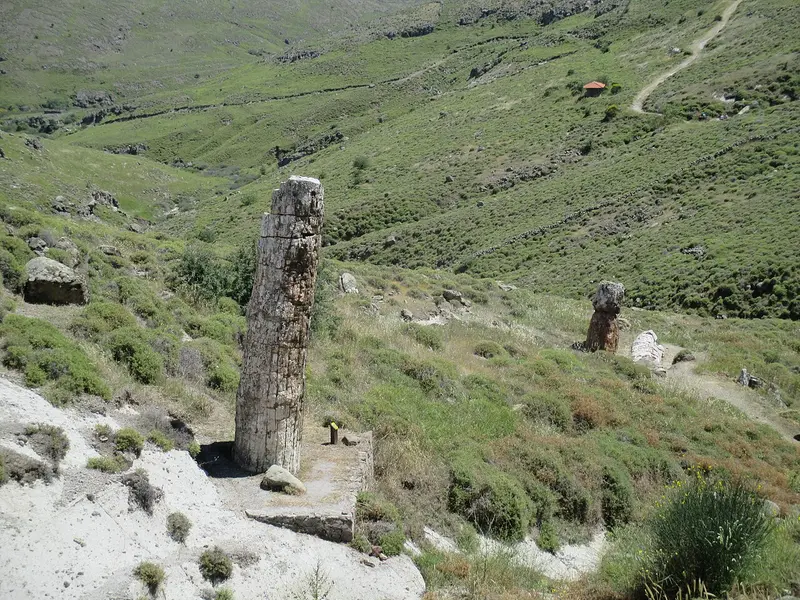
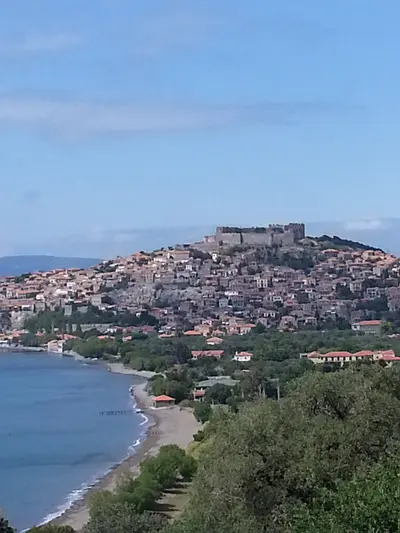
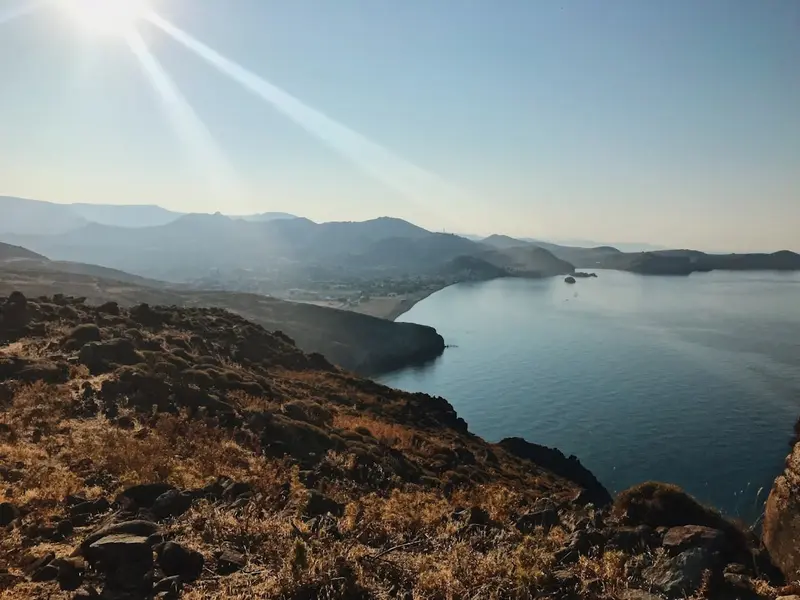
    The island of Lesbos (Lesvos), Greece's third largest, is characterized by its authentic atmosphere and vast olive groves that shape the landscape. In the capital Mytilene, you can explore the Byzantine castle and the Archaeological Museum, which illuminate the island's long history. Lesbos is famous for its production of high-quality olive oil and traditional ouzo, whose making you can experience in towns like Plomari. The picturesque village of Molyvos (Mithymna) with its impressive fortress also offers insight into traditional Aegean architecture. Unique is the Petrified Forest of Lesbos, a UNESCO Global Geopark that preserves prehistoric tree trunks. For a relaxed exploration, the off-season in spring or autumn is recommended, to quietly enjoy the thermal springs, such as in Eftalou or Polichnitos, and to sample local specialties.
    Limnos (Lemnos)

    Limnos (Lemnos)

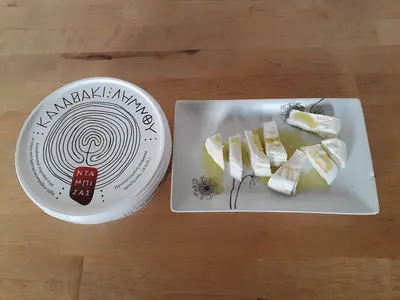
    The island of Limnos (Lemnos) in the northeastern Aegean captivates with its untouched nature and authentic atmosphere, far from mass tourism. Its capital, Myrina, is dominated by an imposing Venetian castle, majestically perched above the harbour and traditional mansions. Culturally significant are the prehistoric settlement of Poliochni, one of Europe's oldest cities, as well as the ancient sites of Kavirio and Hephaistia, which offer insights into the island's rich history. Limnos also offers a diverse landscape, from fertile plains to the unique sand dunes of Pachies Ammoudies. Explore picturesque beaches like Plati or Thanos and be sure to try the local specialities, including Muscat wine and Kalathaki Limnou cheese. A rental car is recommended for flexible exploration of the island; the best time to visit is late spring or early autumn.
    Samos

    Samos

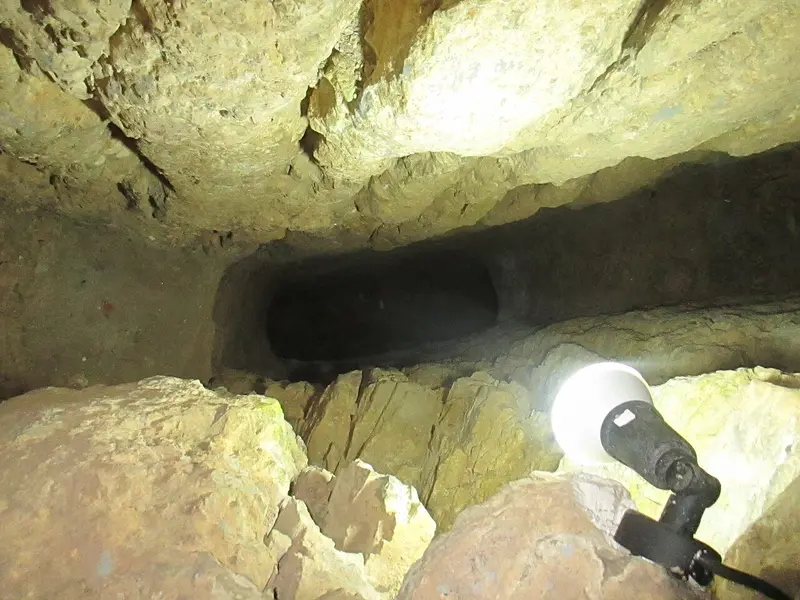
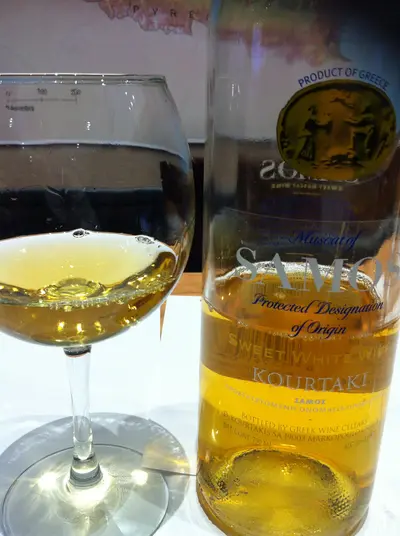
    Samos, a green island in the eastern Aegean, combines rich history with picturesque coastal towns. The capital, Samos-Town (Vathy), captivates with its neoclassical architecture and lively harbour. Visit Pythagoreion, a UNESCO World Heritage site, home to ancient ruins like the Heraion – birthplace of the goddess Hera – and the Eupalinos Tunnel. Here you'll also discover the home of the famous mathematician Pythagoras. The island is known for its sweet Muscat wine, which you can sample in local wineries. For relaxed beach days or hikes, spring and autumn are ideal to take advantage of the mild temperatures and fewer crowds.

    Sights in North Aegean Islands

    Discover the most important sights and attractions

    Μυτιλήνη Λέσβος

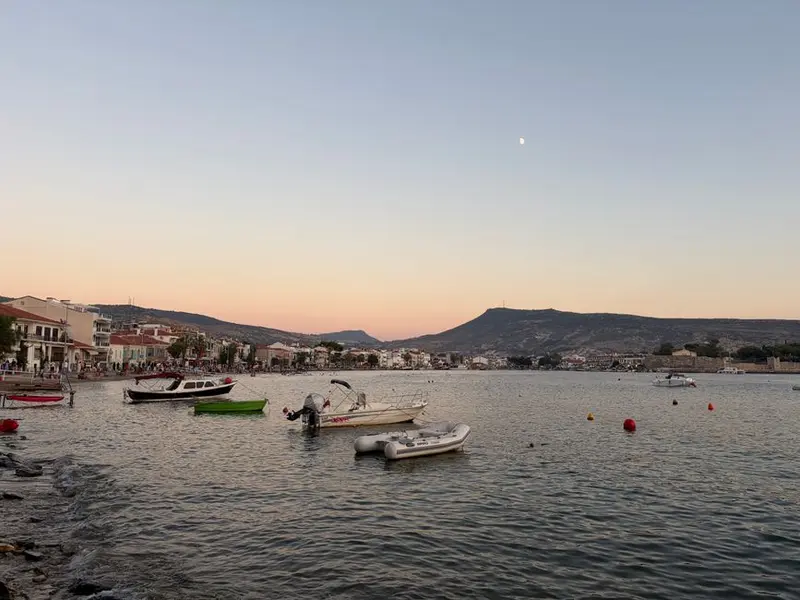
    Mytilene, the capital of Lesbos island, is a fascinating center with a deeply rooted history stretching back to antiquity. Here you'll find a lively port city dominated by the imposing Mytilene Fortress, one of the largest castles in the Mediterranean. This fortress, whose origins date back to Byzantine times and which was later expanded by the Genoese and Ottomans, offers you an impressive insight into the island's eventful past.As you explore the city, you will encounter a mix of architectural styles, from elegant neoclassical mansions to traditional Greek buildings. Visit the Archaeological Museum to see artifacts from Lesbos' rich history, or stroll through the narrow streets of the old quarter, where small shops and tavernas line up. The harbor is a bustling hub, ideal for observing local life.For a breathtaking panoramic view of the city and the Aegean Sea, we recommend a climb to the fortress in the late afternoon. This way you can take advantage of the golden hour for photos and avoid the daytime crowds. A stroll along the waterfront also offers you the opportunity to enjoy the local cuisine in one of the many restaurants.
    Open in Google Maps

    Wall Painting

    You'll often discover traces of ancient civilizations on the North Aegean Islands, and a mural is a particularly fascinating find. These rare remnants offer direct insight into the aesthetics and worldview of their ancient inhabitants. Often these are frescoes, depicting scenes from daily life, mythological narratives, or religious rituals, impressively demonstrating the artistic skill of their creators. You'll notice that the colors have faded over the centuries, yet the fine lines and composition remain discernible, telling their own story. Our Tip: To optimally appreciate the details, we recommend a morning visit, when natural light is best and visitor numbers are still low. Pay attention to the signage or ask a local guide to understand the full cultural context.
    Open in Google Maps

    LEFT LIGHTHOUSE

    The **LEFT LIGHTHOUSE**, a prominent landmark in the North Aegean Islands, has played a crucial role in navigation in this often challenging maritime region since its construction. Its robust construction, typical of late 19th or early 20th-century maritime architecture, testifies to the engineering prowess of its era and its enduring function. Often built from local stone, it blends harmoniously into the rugged coastal landscape, standing as a silent guardian over the sea lanes.From this historic vantage point, you can enjoy an *unparalleled panoramic view* across the vast, azure Aegean Sea and the rugged coastline. The vista often extends to neighboring islands, offering an impressive long-range view, especially in clear weather. It is a place of tranquility and reflection, making the significance of seafaring to Greek culture palpable.Our Tip: The lighthouse is best visited in the early morning or late afternoon. The light is most flattering for photos then, and you can enjoy the serenity of the surroundings away from peak visiting hours. A walk along the coastal path to the lighthouse also offers the chance to explore the unique Mediterranean vegetation and feel the fresh sea breeze.
    Open in Google Maps

    Taxiárches

    The Church of Taxiárches, dedicated to Archangels Michael and Gabriel, represents a typical example of Byzantine sacred architecture, as you often find on the North Aegean Islands. Here you encounter a deeply rooted spiritual history, often reaching back centuries and closely intertwined with local belief. Inside, you can typically expect impressive frescoes depicting biblical scenes and saints, as well as an intricately carved iconostasis. Pay special attention to the fine details of the woodwork and the often well-preserved wall paintings, which bear witness to past eras. These churches are mostly small, yet architecturally significant structures, offering a quiet and contemplative atmosphere. A practical tip: Visit Taxiárches early in the morning to capture the special lighting and enjoy the silence before other visitors arrive. This allows you to quietly observe the details of the architecture and artworks. Often, the locations of these churches also offer picturesque views of the surrounding landscape or the sea, further enriching your visit.
    Open in Google Maps

    Street Art

    On the North Aegean Islands, you'll discover a vibrant street art scene, often contrasting with the traditional architecture. These artworks are more than mere decoration; they reflect local culture, social commentary, and sometimes historical events. You'll find a variety of styles, from colorful murals depicting mythological figures or everyday scenes, to more subtle stencil works conveying political messages. Particularly in port towns and the winding alleys off the main tourist paths, you can encounter impressive works that often remain undiscovered. This art transforms unassuming walls into canvases, telling stories about the islands and their inhabitants. Our Tip: Take your time to wander off the beaten path, especially in the older quarters. Many of the best pieces are found in unexpected corners. Look for details and the messages the artists aim to convey. Morning hours are ideal for photographing the art in good light and without large crowds.
    Open in Google Maps

    Μυτιλήνη Λέσβος

    Mytilene, the capital of Lesbos island, is a fascinating center with a deeply rooted history stretching back to antiquity. Here you'll find a lively port city dominated by the imposing Mytilene Fortress, one of the largest castles in the Mediterranean. This fortress, whose origins date back to Byzantine times and which was later expanded by the Genoese and Ottomans, offers you an impressive insight into the island's eventful past.As you explore the city, you will encounter a mix of architectural styles, from elegant neoclassical mansions to traditional Greek buildings. Visit the Archaeological Museum to see artifacts from Lesbos' rich history, or stroll through the narrow streets of the old quarter, where small shops and tavernas line up. The harbor is a bustling hub, ideal for observing local life.For a breathtaking panoramic view of the city and the Aegean Sea, we recommend a climb to the fortress in the late afternoon. This way you can take advantage of the golden hour for photos and avoid the daytime crowds. A stroll along the waterfront also offers you the opportunity to enjoy the local cuisine in one of the many restaurants.
    Open in Google Maps

    Food & Drink

    North Aegean Cultural Heritage

    The North Aegean Islands – including Lesbos, Chios, and Samos – are rich in historical depth that profoundly shaped their cultural identity. Their history spans from antiquity, when they were home to renowned poets and philosophers, through the Roman and Byzantine eras, to Ottoman and Genoese rule.This multi-layered past manifests itself in the architecture: Byzantine monasteries and churches with valuable frescoes, medieval fortresses, and elegant neoclassical buildings can be found in the main towns. Traditional stone houses characterize the mountain villages, preserving the islands' original charm.Local traditions play a central role to this day. Maritime customs are deeply rooted, and the annual Panigyria, festivals held in honor of the patron saints, are vibrant expressions of island culture. They offer insights into authentic ways of life, shaped by hospitality, regional music, dance, and specific culinary specialties, which make the region's rich heritage come alive.

    Locations nearby

    These places are nearby — perfect for additional days or a day trip.

    Lesbos (Lesvos)

    Lesbos (Lesvos)

    The island of Lesbos (Lesvos), Greece's third largest, is characterized by its authentic atmosphere and vast olive groves that shape the landscape. In the capital Mytilene, you can explore the Byzantine castle and the Archaeological Museum, which illuminate the island's long history. Lesbos is famous for its production of high-quality olive oil and traditional ouzo, whose making you can experience in towns like Plomari. The picturesque village of Molyvos (Mithymna) with its impressive fortress also offers insight into traditional Aegean architecture. Unique is the Petrified Forest of Lesbos, a UNESCO Global Geopark that preserves prehistoric tree trunks. For a relaxed exploration, the off-season in spring or autumn is recommended, to quietly enjoy the thermal springs, such as in Eftalou or Polichnitos, and to sample local specialties.
    Chios

    Chios

    The island of Chios in the eastern Aegean is renowned for its unique mastic production and rich history.Here you'll discover medieval mastic villages like Pyrgi and Mesta with distinctive sgraffito architecture, as the mastic tree thrives only here.The UNESCO World Heritage Site Nea Moni, a Byzantine monastery, features impressive mosaics.In Chios Town, the fortress and Archaeological Museum offer insights into the island's complex history.For authentic mastic experiences, explore the southern Mastichochoria; spring and autumn offer ideal conditions.
    Samos

    Samos

    Samos, a green island in the eastern Aegean, combines rich history with picturesque coastal towns. The capital, Samos-Town (Vathy), captivates with its neoclassical architecture and lively harbour. Visit Pythagoreion, a UNESCO World Heritage site, home to ancient ruins like the Heraion – birthplace of the goddess Hera – and the Eupalinos Tunnel. Here you'll also discover the home of the famous mathematician Pythagoras. The island is known for its sweet Muscat wine, which you can sample in local wineries. For relaxed beach days or hikes, spring and autumn are ideal to take advantage of the mild temperatures and fewer crowds.
    Limnos (Lemnos)

    Limnos (Lemnos)

    The island of Limnos (Lemnos) in the northeastern Aegean captivates with its untouched nature and authentic atmosphere, far from mass tourism. Its capital, Myrina, is dominated by an imposing Venetian castle, majestically perched above the harbour and traditional mansions. Culturally significant are the prehistoric settlement of Poliochni, one of Europe's oldest cities, as well as the ancient sites of Kavirio and Hephaistia, which offer insights into the island's rich history. Limnos also offers a diverse landscape, from fertile plains to the unique sand dunes of Pachies Ammoudies. Explore picturesque beaches like Plati or Thanos and be sure to try the local specialities, including Muscat wine and Kalathaki Limnou cheese. A rental car is recommended for flexible exploration of the island; the best time to visit is late spring or early autumn.
    Ikaria

    Ikaria

    Ikaria, one of the world-renowned 'Blue Zones', is famous for the exceptional longevity of its inhabitants and their relaxed pace of life. Here you'll find an island that has preserved its authenticity and is characterized by a strong sense of community. Discover the picturesque Seychelles Beach with its turquoise waters or the charming fishing village of Armenistis. In the mountain village of Christos Rachon, shops often open only in the late evening, a testament to the unique 'Ikarian Rhythm'. The ancient ruins at Nas Beach offer not only historical insights but also an idyllic beach. For a deep cultural experience, visit one of the traditional Panigyria with music and dance in summer. It is recommended to use a rental car to explore the island's diverse landscapes and thermal springs.