Fernweh: Home
    ExploreTravel GuidesPlan a tripMy tripLast visited
    de|en
    All Places & RegionsAll highlightsAbout FernwehFAQPrivacy PolicyImprint
    ExploreTravel GuidesPlan a tripMy tripLast visited
    • Neighborhoods & highlights
    • Eat & drink
    • Food culture
    • Culture
    • Getting around
    • Accommodation
    • Plan trip
    • Nearby
    Limnos (Lemnos)

    Greece

    Limnos (Lemnos)

    City

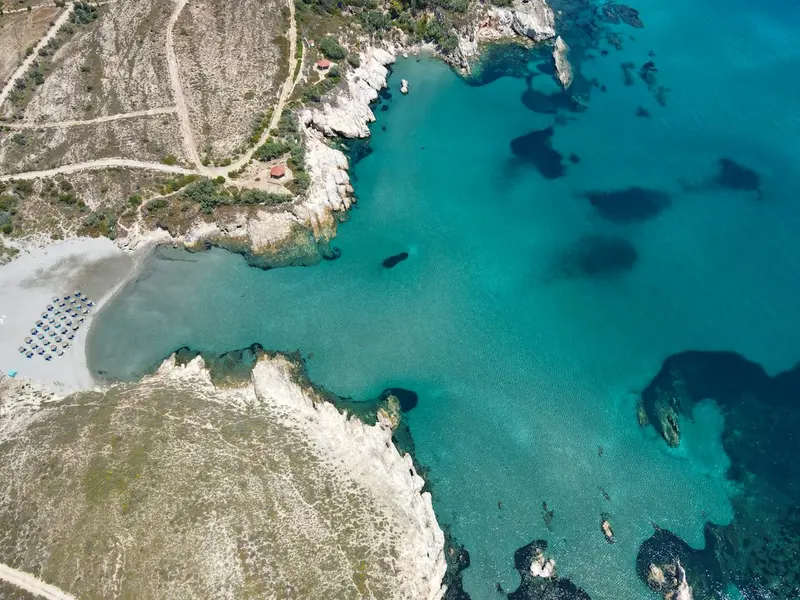
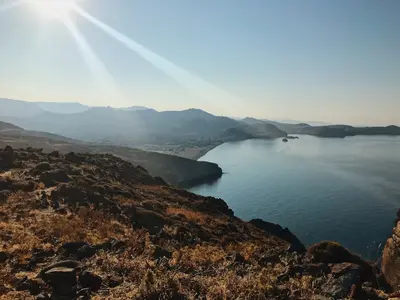
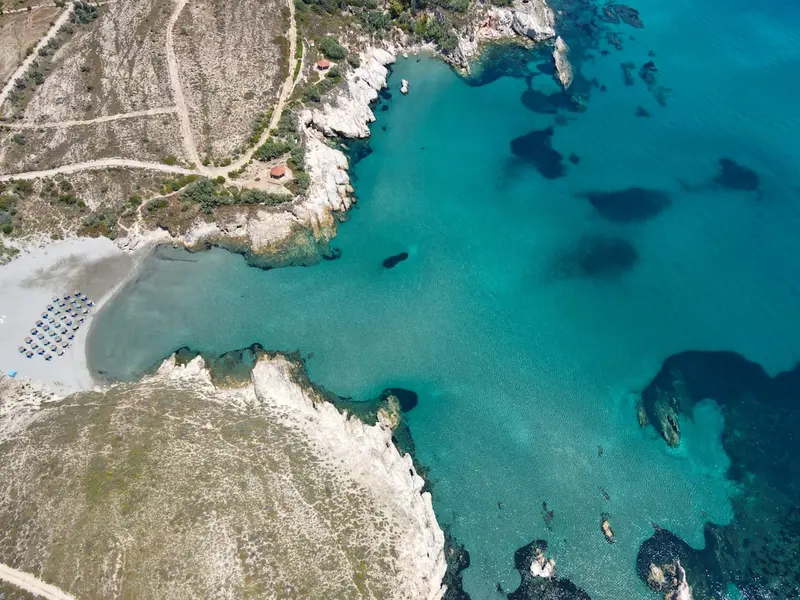
    Limnos is located in the northern Aegean, roughly halfway between Mount Athos and the Turkish coast. The island is volcanic, but only hilly: instead of high mountains, grain fields, vineyards, salt lakes, and dunes define the scenery.

    by Felix Gillen

    1. Home
    2. Destinations
    3. Greece
    4. North Aegean Islands
    5. Limnos (Lemnos)
    Limnos is located in the northern Aegean, roughly halfway between Mount Athos and the Turkish coast. The island is volcanic, but only hilly: instead of high mountains, grain fields, vineyards, salt lakes, and dunes define the scenery.You come for the quiet sandy beaches, the wind for surfing, and the Early Bronze Age settlement of Poliochni, one of Europe's oldest urban sites. Plus, there's Myrina with its castle, Muscat wine, and Kalathaki cheese.

    Sights in Limnos (Lemnos)

    Discover the most important sights and attractions

    1Panagia Kakaviotissa

    The chapel Panagia Kakaviotissa stands on Kakavos Hill, about four kilometers from Thanos village. It is built into a rock cavity, with the overhanging rock forming its roof. It was erected in the early 14th century by monks from the island of Agios Efstratios, who belonged to the Megisti Lavra Monastery on Athos. From the end of the road, a dirt track leads up in about 20 minutes; from the top, you can gaze over the west coast and the sea. The church festival is celebrated on the Tuesday after Easter.
    Open in Google Maps
    Kastro of Myrina

    2Kastro of Myrina

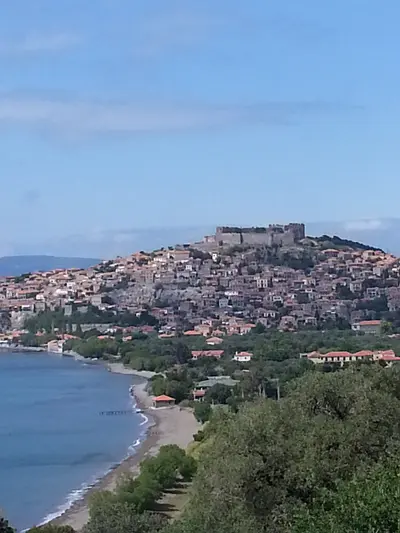
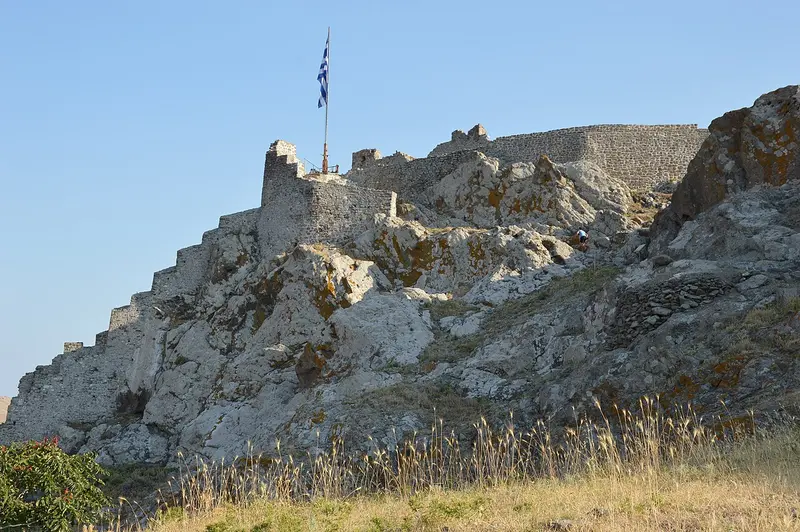
    The Kastro, perched on a rocky ridge dividing Myrina into two bays, is one of the Aegean's largest castle complexes. It originated in the early 12th century under Byzantine rule; Emperor Andronikos I Komnenos had it strengthened in 1185, and from 1207, the Venetians expanded it. Remains of a mosque from Ottoman times are present, reflecting the mixed masonry, gates, and cisterns.Fallow deer live on the grounds, primarily appearing near the walls in the evenings. On clear days, the view extends over the sea to Mount Athos.The climb starts at the northern edge of the harbour and takes about 20 minutes over scree and steps. Sturdy shoes are recommended; there is no shade en route.
    Open in Google Maps
    Old Port of Myrina

    3Old Port of Myrina

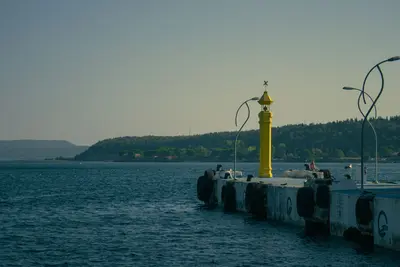
    To the south of the castle, Tourkikos Gialos is Myrina's old working port and still serves as a mooring for fishing boats. In the mornings, the catch is unloaded here and passed directly to the tavernas.On the other side of the castle rock lies Romeikos Gialos, featuring 19th-century neoclassical houses commissioned by wealthy merchants. A promenade with cafés runs along this side, and the Archaeological Museum is housed in one of these buildings.Both sides are just a few minutes' walk apart. The fish tavernas open in the evenings; at midday, it is quiet here.
    Open in Google Maps
    Archaeological Museum Myrina

    4Archaeological Museum Myrina

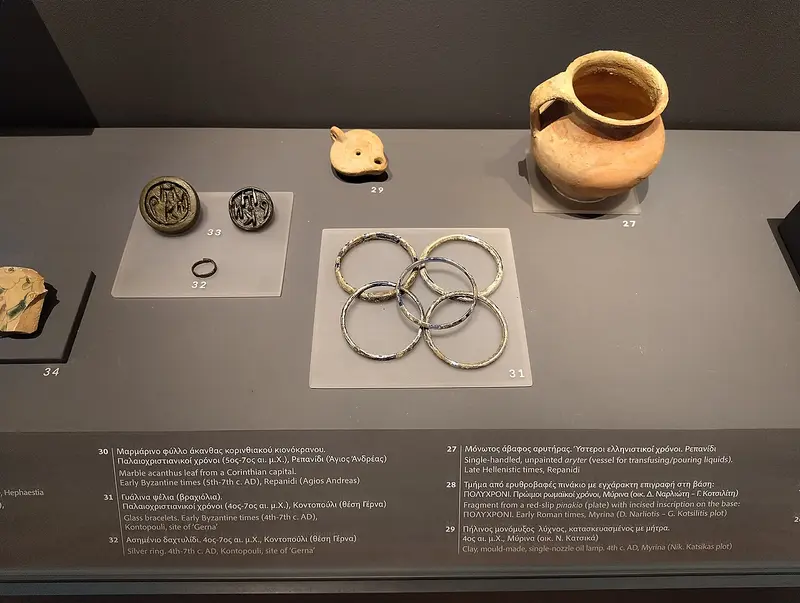
    The Archaeological Museum of Limnos is housed in a neoclassical building on Romeikos Gialos in Myrina, collecting finds from excavations on the island. The exhibition is organized by archaeological sites: Poliochni, Hephaistia, the Kabeirio, and the Sanctuary of Chloi.On display are ceramics, tools, jewelry, and terracotta figures dating from the Bronze Age to the Roman Imperial period. Notable are the finds from Poliochni, which attest to trade with Anatolia and the Aegean, as well as vessels bearing the little-understood Lemnian script.The collection can be viewed in just over an hour. The building is located directly on the waterfront promenade, a few minutes from the ascent to the castle.
    Open in Google Maps

    5Myrina

    Myrina, the capital and main port of Limnos, is a historically significant place that welcomes you with its picturesque setting and rich past. The townscape is dominated by the imposing Byzantine castle, perched on a rocky peninsula. Its origins date back to antiquity, with the present structure primarily stemming from Byzantine, Venetian, and Ottoman periods. A walk through the ruins not only offers insights into the island's eventful history but also spectacular views over the Aegean Sea and the town itself.Below the castle stretches the charming old town with its narrow streets and neoclassical buildings, inviting exploration. Along the waterfront promenade, you'll find numerous cafés and tavernas, perfect for lingering. Our Tip: Visit the castle in the late afternoon to experience the sunset over the sea; the lighting conditions are then ideal for photos. To avoid the crowds during peak season, it's advisable to explore the castle right after opening in the morning.
    Open in Google Maps
    Poliochni

    6Poliochni

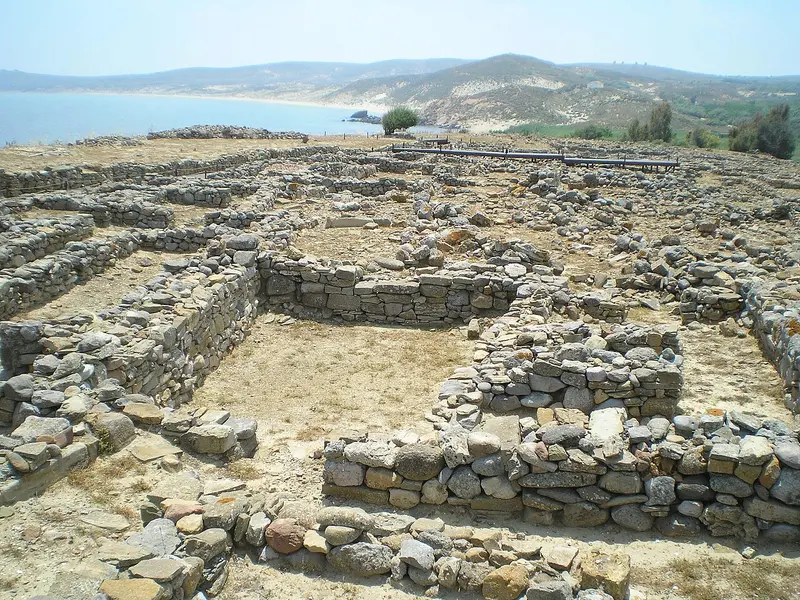
    Poliochni on the east coast is considered one of Europe's oldest urban settlements. Starting in the late Copper Age, it was built in seven successive phases, which archaeologists name by colors, from the Black to the Mycenaean Phase. The oldest layers predate Troy I; later, Troy on the other side of the Aegean was likely its most important trade rival.Visible are the ring wall, paved streets, wells, storage buildings, and a building with tiered seating, interpreted as an assembly hall. A small exhibition building at the entrance explains the phases.The site is openly exposed above the sea and offers no shade. Access is via the village of Kaminia, and signage is sparse.
    Open in Google Maps

    Food and Drink

    1

    Κίτρινη Σκάλα

    The Κίτρινη Σκάλα (Yellow Staircase) is a street food spot in the center of Myrina, just a few minutes' walk from the harbor. The menu primarily features burgers and salads, also available for takeout.
    Show on Google Maps
    2

    Cheesy slice

    The Cheesy slice is a pizzeria in Myrina that also offers takeaway pizza. It's perfect for a quick snack between the port and the castle hill.
    Show on Google Maps
    3

    Στο Κάστρο

    The Στο Κάστρο (Am Kastro) is in Myrina at the foot of the castle hill, between the old port and the fortress. It serves Greek cuisine.
    Show on Google Maps
    4

    Μεταξύ Μας

    The Μεταξύ Μας (Among us) is a restaurant on Poseidonos in the center of Myrina, near the old port. The cuisine is Greek.
    Show on Google Maps
    5

    Το Ποδήλατο

    The To Podilato (The Bicycle) is a café with a crêperie on Pavlou Kountourioti in Myrina, offering outdoor seating. In addition to coffee, it serves crêpes and light meals.
    Show on Google Maps

    Food & Drink

    Limnos is an agricultural island: cereals, wine, cheese and honey come from here, fish is secondary. Two products bear a Protected Designation of Origin.

    Kalathaki Limnou

    The sheep's cheese ripens in small rush baskets, which give it its ridged pattern and its name; Kalathaki means 'basket'. It is firm, salty, and keeps in brine. It is eaten plain, fried, or with watermelon.

    Muscat from Limnos

    On the volcanic soils, Muscat of Alexandria grows predominantly, alongside the native red variety Limnio, which is mentioned in ancient sources. The cooperative and some small estates produce dry white wines and sweet dessert wines. Sales are direct from the winery and in the shops of Myrina.

    Flomari

    This handmade ribbon pasta of durum wheat and egg is the island's signature side dish, served with braised meats or cheese. Dried, you'll find it in nearly every food shop. It's produced in small workshops in the island's interior.

    Melichloro

    The island's second known cheese is made in spring and ripens into a hard, strong variety that can be grated. Young, it tastes milder and is eaten for breakfast. You'll find it at the market in Myrina.

    Thyme Honey

    Die trockenen Hügel der Insel tragen viel Thymian, entsprechend dunkel und kräftig fällt der Honig aus. Imker verkaufen direkt, oft mit Hinweisschild an der Straße. Dazu passt der Schafsjoghurt der Insel.

    Culture and History of Limnos

    Bronze Age and MythLimnos is among the earliest settled islands in the Aegean. Poliochni on the east coast was built in seven superimposed phases, which archaeologists name after colors, from the Black to the Mycenaean Phase. The settlement is considered one of Europe's oldest urban centers and was likely a trade rival of Troy. In myth, Limnos is the island of Hephaestus, after whom the ancient city of Hephaistia is named. At the Kabeirio near Hephaistia, the Kabeiri were worshipped in a mystery cult.Castles and Foreign RuleMyrina Castle was built in the early 12th century under Byzantine rule and expanded from 1207 under the Venetians. Later, the island belonged to the Ottoman Empire until 1912. In Moudros Bay, the Allied fleet for the Gallipoli Campaign was stationed during World War I; at the war cemeteries near Moudros and Portianou lie fallen soldiers from Great Britain, Australia, and New Zealand.Wine and CheeseAgriculture continues to shape the island to this day. Sweet and dry wines are produced from Muscat grapes; the sheep and goat cheese Kalathaki Limnou bears a protected designation of origin. In summer, the villages celebrate their church festivals with music and communal meals.

    Exploring locally

    Getting ThereThe airport is located about 18 kilometers east of Myrina and has domestic connections to Athens and Thessaloniki. Ferries dock in Myrina, connecting Limnos with Piraeus, Lavrio, Thessaloniki, and Kavala, as well as with Lesbos and Agios Efstratios. Schedules change seasonally; check them shortly before travel.Bus and TaxiKTEL buses connect Myrina with the larger villages but run infrequently and are limited outside of summer. Tickets are usually bought from the driver. Taxis are available in Myrina and at the airport.Rental Car and On FootFor the ancient sites in the east, the dunes in the north, and the surf beaches near Keros, you need your own vehicle; rental cars and scooters are found in Myrina and at the airport. The eastern sites are about an hour's drive from Myrina, and some access roads are gravel tracks. Myrina itself is explored on foot; the castle and promenade are minutes from the harbor.

    Accommodations in Limnos (Lemnos)

    Find perfect stay in Limnos (Lemnos)

    Booking.com* (Affiliate link)
    Search Hotels
    Agoda* (Affiliate link)
    Search Hotels
    Airbnb
    Vacation Rentals

    * Affiliate link: if you book through it, we earn a small commission. The price stays the same for you.

    Campgrounds in Limnos (Lemnos)

    Find perfect campground in Limnos (Lemnos)

    Search via Google Maps
    Campgrounds nearby (15km)
    Camping.info
    Find Campgrounds
    Park4Night
    RV Parks & Camping

    Plan your trip to Limnos (Lemnos)

    Save places, build a route and plan your city trip, all in one place.

    1. 1
      Sunrise over alpine peaks and a sea of clouds
      1234

      Round trip

      12 days · 4 stops

      Saved

      Pick a route

      Pick a ready-made one or save places and plan your own.

      Open bookmarks
    2. 2

      Trip to Limnos (Lemnos)

      Live
      • 1Panagia Kakaviotissa3 days
      • 2Kastro of Myrina4 days
      • 3Old Port of Myrina5 days
      Budget

      Plan your trip

      The planner sorts stops, days and budget. Plan together in real time.

      Start trip planning
    3. 3
      9:41 No signal
      Limnos (Lemnos)
      Available offline

      Use it on the road

      Download the guide to your phone and use it on site, even offline.

    Nearby

    Troy

    Troy

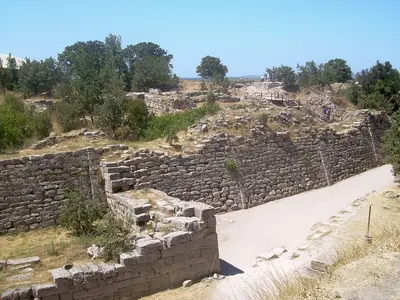
    Troy is located on Hisarlık Hill, about 30 kilometers southwest of Çanakkale, near the southern entrance of the Dardanelles. The excavation site reveals settlement layers spanning approximately 4,000 years and has been a UNESCO World Heritage site since 1998. The modern Troy Museum in the village of Tevfikiye complements the visit with its archaeological finds.
    Molyvos (Mithymna)

    Molyvos (Mithymna)

    Molyvos, officially Mithymna, is the best-known town on the north coast of Lesbos. Stone houses with red tiled roofs stretch from a small fishing harbour up to a medieval castle, from which the view extends across the strait to the Turkish coast.You come for the castle, the harbour tavernas, and the combination with Petra, Eftalou, and the beaches of the north coast. The town is ideal as a base for exploring the north of the island.
    Çanakkale

    Çanakkale

    Çanakkale lies at the narrowest point of the Dardanelles, on the Asian side of the strait connecting the Marmara and Aegean Seas. This lively student city is the starting point for the battlefields of Gallipoli and the excavations of Troy. Life unfolds on the Kordon, the waterfront promenade with the Trojan Horse, and in the alleys around the Clock Tower. Opposite, on the European side, are Kilitbahir and Eceabat, connected by short ferry rides.
    Chalkidiki

    Chalkidiki

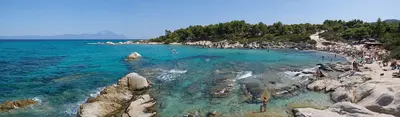
    The Chalkidiki peninsula, southeast of Thessaloniki, extends into three narrow fingers: Kassandra, Sithonia, and Athos. Pine forests here stretch to sandy beaches and clear bays. Additionally, there are the Monastic Republic on the Holy Mountain, the Petralona stalactite cave, and Stagira, the birthplace of Aristotle.
    Lesbos (Lesvos)

    Lesbos (Lesvos)

    Lesbos, at approximately 1,630 square kilometers, is Greece's third-largest island and still thrives on olive oil, ouzo, and sheep's cheese. Between Mytilini in the east and the Petrified Forest in the west lie extensive olive groves, two large bays, and a landscape that becomes increasingly barren and volcanic towards the west.You'll come for the ouzeries of Mytilini and Plomari, the mountain villages around Olymbos, the birdwatching at the Gulf of Kalloni, and the UNESCO Geopark in the west. For the entire island, you'll need at least a week.

    Sources & method

    • Photos: Wikimedia Commons, Unsplash. Each photo carries its credit.
    • The content is based on web research from public, traceable sources. How the content is made · The role of AI