Fernweh
    ExploreTravel GuidesMy Trips
    de|en
    About FernwehImprintFAQPrivacy Policy
    ExploreTravel GuidesMy Trips
    Samos

    Samos

    CityCulture
    1. Home
    2. Destinations
    3. Greece
    4. North Aegean Islands
    5. Samos
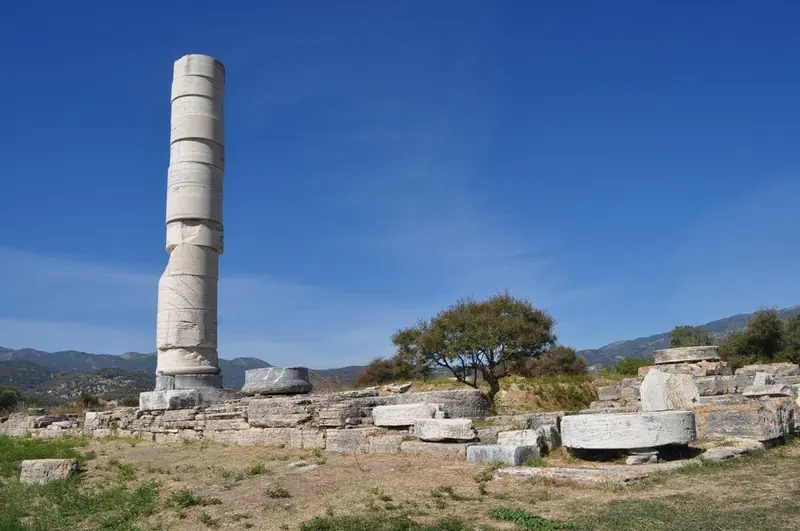
    Samos, a green island in the eastern Aegean, combines rich history with picturesque coastal towns. The capital, Samos-Town (Vathy), captivates with its neoclassical architecture and lively harbour. Visit Pythagoreion, a UNESCO World Heritage site, home to ancient ruins like the Heraion – birthplace of the goddess Hera – and the Eupalinos Tunnel. Here you'll also discover the home of the famous mathematician Pythagoras. The island is known for its sweet Muscat wine, which you can sample in local wineries. For relaxed beach days or hikes, spring and autumn are ideal to take advantage of the mild temperatures and fewer crowds.
    • Neighborhoods & highlights
    • Walking tours
    • Eat & drink
    • Culture
    • Getting around
    • Accommodation
    • Plan trip
    • Nearby
    • Neighborhoods & highlights
    • Walking tours
    • Eat & drink
    • Culture
    • Getting around
    • Accommodation
    • Plan trip
    • Nearby

    Overview

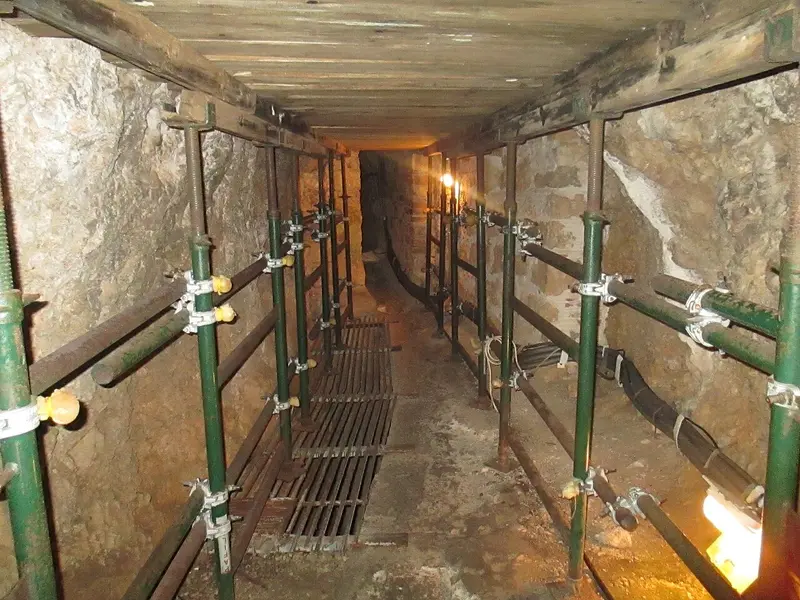
    Samos, an island in the eastern Aegean, captivates with its lush nature and a rich history dating back to antiquity. The UNESCO World Heritage Site Pythagorion with its ancient harbor and the Heraion of Samos, a sanctuary of the goddess Hera, testifies to the island's significance in ancient times. You can also explore the impressive Eupalinos Tunnel, a masterpiece of ancient engineering that once supplied the city with water. The capital Vathy (Samos Town) offers a picturesque waterfront promenade and neoclassical buildings, while traditional mountain villages like Manolates provide authentic insights into island life. The island is also known for its hiking trails through pine-covered hills and its excellent sweet wines, which you should try at local wineries. For a relaxed experience, avoid the high season in July and August; the months of May, June, and September offer milder temperatures and fewer tourists.

    Places in Samos

    Discover the most important sights and attractions

    Sights in Samos

    View Point

    The View Point on Samos offers you an impressive panoramic view over the Aegean Sea and the surrounding landscape. From this elevated vantage point, you can survey the vastness of the sea, often reaching the Turkish coast on clear days. Historically, such elevated points on Samos, an island of strategic importance, were often used as observation posts to detect sea trade or potential attackers early on. While this specific point primarily serves tourist purposes today, it still conveys a sense of the island's geographical location and its maritime history. You see the gentle hills stretching down to the sea, and can admire the coastline with its coves and beaches. Our Tip: Visit the View Point in the late afternoon to capture the golden light of the setting sun over the sea. For undisturbed photos, it's advisable to visit early in the morning during peak season, before most visitors arrive.
    Open in Google Maps

    Πλατεία Αγίου Νικολάου Saint Nicholas Square

    The Platia Agiou Nikolaou, Saint Nicholas Square, forms the vibrant heart of Samos Town (Vathy) and serves as a vital meeting point for locals and visitors alike. Named after Saint Nicholas, patron saint of seafarers, the square underscores the island's deep maritime connection. Here you'll find a range of traditional cafés and tavernas clustered around the prominent Church of Saint Nicholas. The surrounding architecture is characteristic of the island's capital, often featuring 19th-century neoclassical buildings that bear witness to the era's historical significance and prosperity. The square offers an excellent opportunity to observe authentic island life and soak in the atmosphere.Our Tip: For vibrant evening ambiance and observing local life, it's best to visit the square in the late afternoon or early evening. If you wish to photograph the architecture undisturbed and avoid the crowds, a morning visit is recommended.
    Open in Google Maps

    Archäologisches Museum von Vathi

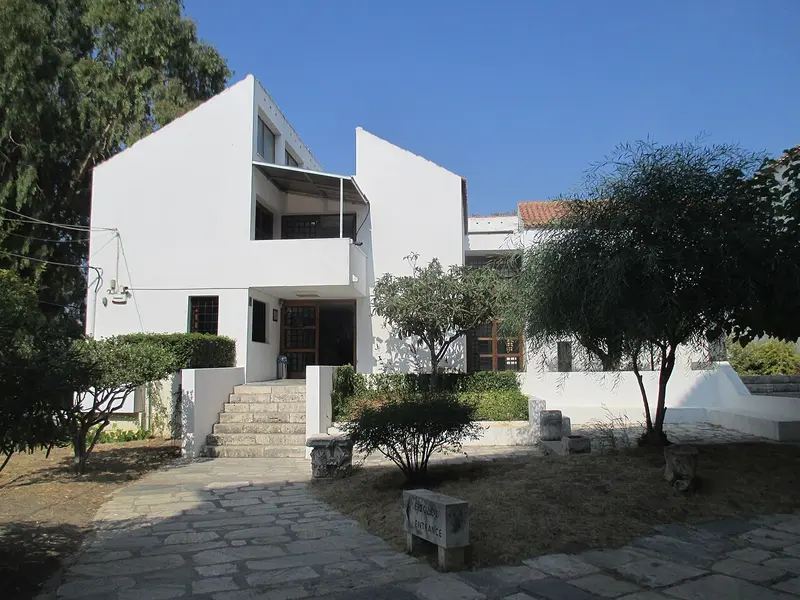
    The Archaeological Museum of Vathi on Samos is a key place to understand the island's rich history. It houses an impressive collection of artifacts, primarily from the famous Heraion, the Sanctuary of Hera near Pythagoreion, as well as from other archaeological sites on the island. Here you'll find artifacts spanning from prehistoric to the Roman era, including pottery, sculptures, inscriptions, and everyday objects. Particularly noteworthy are the archaic sculptures, which impressively illustrate Samos' flourishing period in the 6th century BC.An absolute highlight is the monumental Kouros of Samos, an archaic statue over five meters tall that once adorned the Heraion and demonstrates the technical and artistic mastery of that era. The exhibits provide a deep insight into the religious life, art, and trade relations of ancient Samos.Our Tip: To view the exhibits peacefully and avoid crowds, we recommend visiting in the morning shortly after opening. Plan at least two hours to fully appreciate the various halls and their stories. Pay special attention to the detailed descriptions that explain the context of the finds.
    Open in Google Maps

    Pythagoras Vathy Central Square

    The Pythagoras Vathy Central Square is the vibrant heart of Vathy, the capital of Samos, and a central meeting point for locals and visitors alike. Named after the famous mathematician and philosopher Pythagoras, who was born on Samos, the square honors one of the greatest figures in the island's history. Its most striking feature is the impressive lion statue, often interpreted as a symbol of the strength and spirit of the Samian people, and a reminder of the island's ancient significance.Surrounded by elegant neoclassical buildings reflecting 19th and early 20th-century architecture, the square offers a picturesque backdrop. Here you'll find numerous cafés and tavernas, inviting you to linger and observe the local hustle and bustle. From here, you also have a direct view of the port and Vathy Bay.Our Tip: Visit the square in the early morning to enjoy the tranquility and take undisturbed photos of the lion statue and surrounding buildings. Alternatively, late afternoon offers a lively atmosphere as the square fills with locals. For a good photo perspective, position yourself best at the harbor edge with a view of the square.
    Open in Google Maps

    Παραλία Μαλαγαρίου

    The Paralia Malagariou, located near the capital Samos, offers you a quiet pebble beach with clear, azure waters. Here you'll find a relaxed atmosphere, ideal for swimming and sunbathing, away from the more crowded tourist beaches. Historically, the bay often served as an anchorage for smaller fishing boats, lending it an authentic, local character. The surroundings are characterized by green hills, forming a picturesque backdrop. Our Tip: Visit the beach in the morning to enjoy the greatest tranquility and experience the shimmering water at its most beautiful. For an undisturbed swimming experience, we recommend bringing water shoes, as the beach is primarily made of pebbles. Nearby, you'll often find small, traditional tavernas offering fresh local specialties.
    Open in Google Maps

    City walks in Samos

    Curated walking tours through the city's highlights — handpicked by experienced travel journalists.

    Kulinarisches & Authentisches Vathy: Ein Fest für die Sinne

    Tauchen Sie ein in das authentische Alltagsleben von Vathy, kosten Sie lokale Delikatessen und entdecken Sie traditionelles Handwerk. Dieser Spaziergang führt Sie abseits der Hauptrouten zu den verborgenen kulinarischen Schätzen und charmanten Läden der Inselhauptstadt.

    ~2 Std.
    In Google Maps öffnen
    Stopps (7)

    Dining & Drinks

    The Culture, Art & History of Samos

    Samos boasts a deeply rooted history, significant since antiquity. The island is famous as the birthplace of the mathematician Pythagoras, the philosopher Epicurus, and the astronomer Aristarchus of Samos. Particularly during the Archaic period, under the tyranny of Polycrates, Samos experienced a cultural golden age, manifested through impressive structures like the Eupalinos Tunnel and the Heraion, one of the largest Greek sanctuaries, which is today a UNESCO World Heritage site.The island's architecture reflects this multifaceted past, from the foundations of ancient temples to Byzantine churches and the neoclassical buildings in the capital Samos Town (Vathy), which date from the period of the Principality of Samos. This era, before its annexation to Greece, strongly shaped the island. Local traditions are closely linked to agriculture, especially viticulture; the sweet Muscat wine of Samos enjoys international recognition and its production boasts a centuries-old history. Cultural uniqueness is also reflected in the numerous folk festivals, often religious in origin, that preserve local customs, traditional music, and dances. The island is thus a living mosaic of ancient grandeur and vibrant tradition.

    Getting around here

    On the picturesque island of Samos, there is neither a metro nor a tram. The public bus service, operated by KTEL, connects the major towns and beaches, but often with limited frequencies; special apps or multi-trip tickets are uncommon here, tickets are usually bought directly from the driver.For maximum flexibility, we recommend **renting a car or scooter** to independently explore the hidden coves and mountain villages; rental car companies are easily found at airports and in major towns. Bicycles and e-scooters are suitable for short distances in coastal towns, but less so for the island's hilly roads. Taxis are available and can be ordered by phone or found at taxi stands, though ride-sharing services are not widespread on Samos.The island capital Samos Town and other smaller places are **best explored on foot**, but for discovering the diverse nature and more secluded beauties, a motorized form of transport is essential. Plan your journeys in advance to make the most of your Samos experience.

    Accommodations in Samos

    Accommodations in Samos

    Find perfect stay in Samos

    Booking.com
    Search Hotels
    Agoda
    Search Hotels
    Airbnb
    Vacation Rentals
    Hotels.com
    Hotels Worldwide
    Hostelworld
    Hostels

    Campgrounds in Samos

    Find perfect campground in Samos

    Search via Google Maps
    Campgrounds nearby (15km)
    Camping.info
    Find Campgrounds
    Park4Night
    RV Parks & Camping

    Plan your trip to Samos

    Save places, build a route and plan your city trip — all in one place.

    Save places

    Bookmark sights, restaurants and neighborhoods you're interested in.

    Build your route

    Turn your bookmarks into a route — define order, days and budget.

    Refine with AI

    Let Mein Fernweh suggest experiences and put together a tailored daily plan.

    Start trip planningOpen bookmarks

    Locations nearby

    These places are nearby — perfect for additional days or a day trip.

    Ikaria

    Ikaria

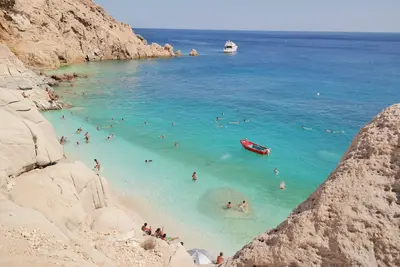
    Ikaria, one of the world-renowned 'Blue Zones', is famous for the exceptional longevity of its inhabitants and their relaxed pace of life. Here you'll find an island that has preserved its authenticity and is characterized by a strong sense of community. Discover the picturesque Seychelles Beach with its turquoise waters or the charming fishing village of Armenistis. In the mountain village of Christos Rachon, shops often open only in the late evening, a testament to the unique 'Ikarian Rhythm'. The ancient ruins at Nas Beach offer not only historical insights but also an idyllic beach. For a deep cultural experience, visit one of the traditional Panigyria with music and dance in summer. It is recommended to use a rental car to explore the island's diverse landscapes and thermal springs.
    Patmos

    Patmos

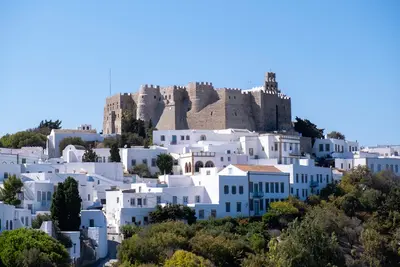
    Patmos, often referred to as the "Holy Island," is a significant pilgrimage destination in the Aegean and boasts a unique spiritual atmosphere. At its heart stands the imposing Monastery of Saint John the Theologian, a UNESCO World Heritage Site, whose fortress architecture dominates the Chora. Directly below the Monastery lies the Cave of the Apocalypse, where, according to tradition, the Apostle John received the Revelation. The picturesque Chora, also a UNESCO site, invites exploration with its whitewashed houses and narrow lanes. Down at Skala harbor, you'll find lively tavernas and small shops. For a quieter experience, a visit during the off-season is recommended, such as in late spring or early autumn. Explore the winding paths of the Chora best on foot in the early morning hours to experience its unique tranquility.
    Leros

    Leros

    A tranquil island that charms with beautiful bays, elegant Art Deco style architecture and authentic Greek flair.
    Chios

    Chios

    The island of Chios in the eastern Aegean is renowned for its unique mastic production and rich history.Here you'll discover medieval mastic villages like Pyrgi and Mesta with distinctive sgraffito architecture, as the mastic tree thrives only here.The UNESCO World Heritage Site Nea Moni, a Byzantine monastery, features impressive mosaics.In Chios Town, the fortress and Archaeological Museum offer insights into the island's complex history.For authentic mastic experiences, explore the southern Mastichochoria; spring and autumn offer ideal conditions.
    Mykonos

    Mykonos

    Mykonos, one of the most famous islands of the Cyclades, captivates with its characteristic architecture of dazzling white houses and a labyrinth of narrow streets. The capital Chora, also known as Mykonos Town, features picturesque districts such as Little Venice, where colorful buildings stand directly by the sea. A historical landmark is the windmills of Kato Mili, which once served for grain processing and today offer a striking sight. Culturally, the island combines its heritage as a fishing village with a cosmopolitan flair, which is also reflected in the well-known beaches like Psarou and Elia. To explore the charming alleys and boutiques in Chora in peace, an early morning walk is recommended. The best time to travel for a more relaxed atmosphere is the pre- or post-season, especially in May or September.