Fernweh
    ExploreTravel GuidesMy Trips
    de|en
    About FernwehImprintFAQPrivacy Policy
    ExploreTravel GuidesMy Trips
    Patmos

    Patmos

    CityCulture
    1. Home
    2. Destinations
    3. Greece
    4. Dodecanese
    5. Patmos
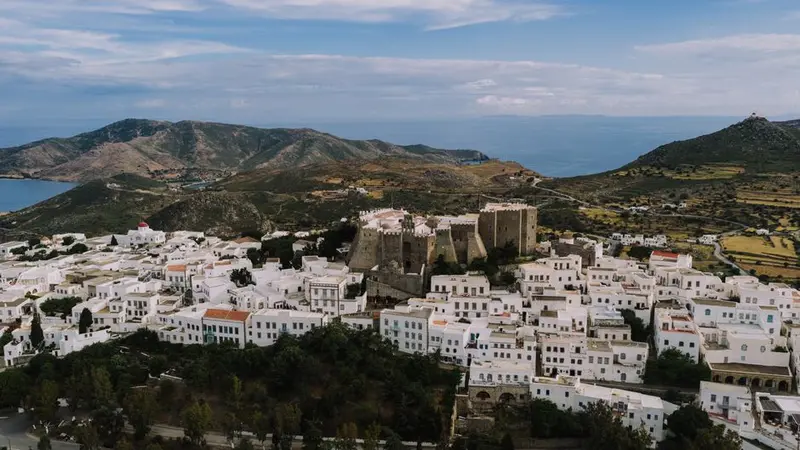
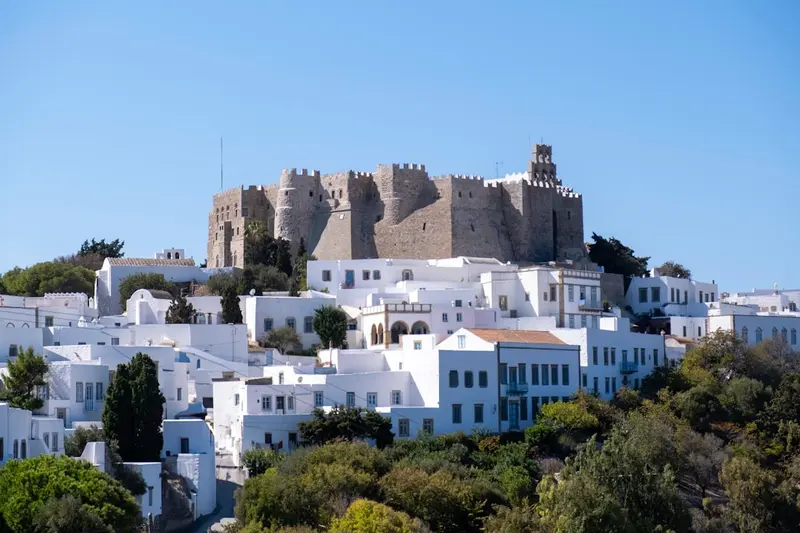
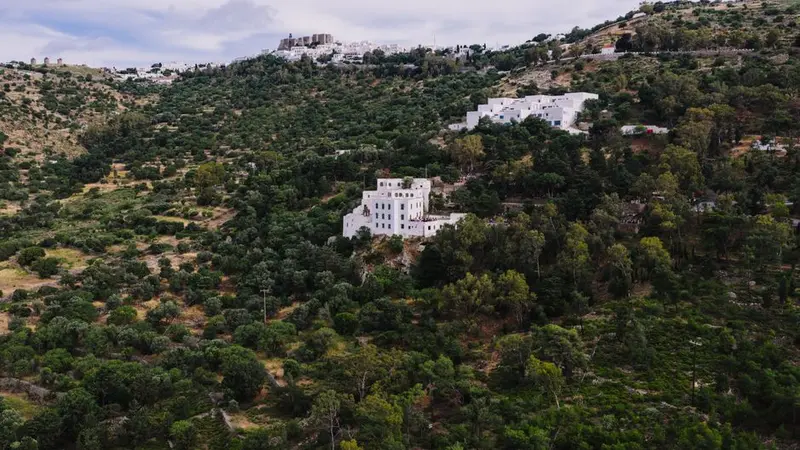
    Patmos, often referred to as the "Holy Island," is a significant pilgrimage destination in the Aegean and boasts a unique spiritual atmosphere. At its heart stands the imposing Monastery of Saint John the Theologian, a UNESCO World Heritage Site, whose fortress architecture dominates the Chora. Directly below the Monastery lies the Cave of the Apocalypse, where, according to tradition, the Apostle John received the Revelation. The picturesque Chora, also a UNESCO site, invites exploration with its whitewashed houses and narrow lanes. Down at Skala harbor, you'll find lively tavernas and small shops. For a quieter experience, a visit during the off-season is recommended, such as in late spring or early autumn. Explore the winding paths of the Chora best on foot in the early morning hours to experience its unique tranquility.
    • Neighborhoods & highlights
    • Walking tours
    • Eat & drink
    • Culture
    • Getting around
    • Accommodation
    • Plan trip
    • Nearby
    • Neighborhoods & highlights
    • Walking tours
    • Eat & drink
    • Culture
    • Getting around
    • Accommodation
    • Plan trip
    • Nearby

    Overview

    Patmos, eine kleine Insel der Dodekanes, ist vor allem für ihre tiefe religiöse Bedeutung bekannt. Das Kloster des Heiligen Johannes des Theologen thront majestätisch über der Hauptstadt Chora und ist zusammen mit der Höhle der Apokalypse UNESCO-Weltkulturerbe. Hier soll der Apostel Johannes die Offenbarung empfangen haben, was Patmos zu einem wichtigen Pilgerziel macht. Die verwinkelten Gassen der Chora mit ihren traditionellen weißen Häusern und byzantinischen Kirchen laden zu Erkundungen ein, von dort genießt du weite Ausblicke über die Ägäis. Der Hafenort Skala bildet den lebhaften Kontrast mit Restaurants und Geschäften. Um die spirituelle Atmosphäre und die historischen Stätten in Ruhe zu erleben, empfiehlt sich ein Besuch in den Schultermonaten Mai oder September. Erkunde die Chora am besten zu Fuß, um ihre versteckten Winkel und die einzigartige Architektur vollständig zu erfassen.

    Places in Patmos

    Discover the most important sights and attractions

    Sights in Patmos

    1Johanneskloster

    Open in Google Maps

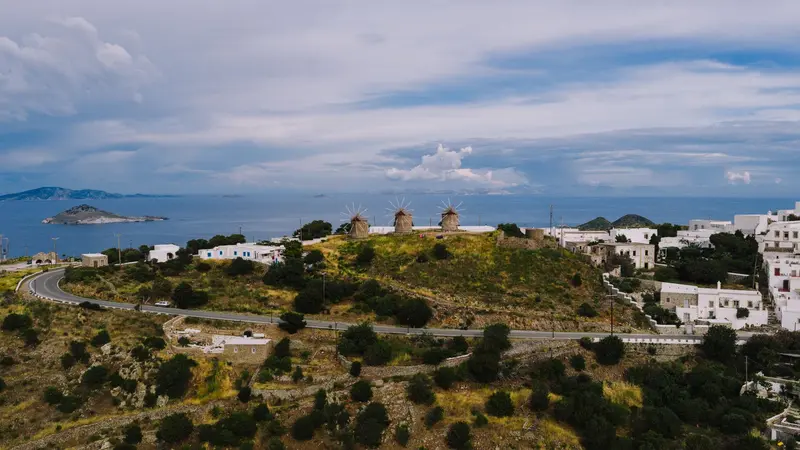
    2Windmills of Patmos

    Open in Google Maps

    3Παραλία Χωχλακάς

    Παραλία Χωχλακάς on Patmos is a secluded pebble beach on the island's west coast, known for its tranquil atmosphere and crystal-clear waters. You reach this unspoiled spot via an unpaved road, which contributes to its exclusivity. The beach is surrounded by a rugged yet picturesque landscape, typical of the Aegean. Here you'll find no tourist infrastructure, but pure nature, ideal for those seeking tranquility. The large, smooth pebbles and the deep, azure sea invite you to swim and relax. Our Tip: Visit Chochlakas in the late morning or early afternoon to capture the best light for photographing its unique coastline. As there are no shaded spots, you should definitely bring sun protection and plenty of water. For an undisturbed experience, it's best to avoid the high season in August.
    Open in Google Maps

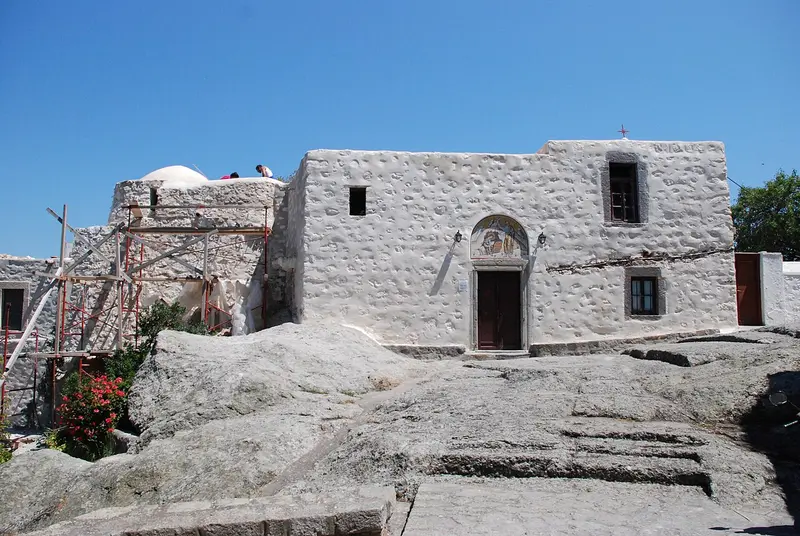
    4Höhle der Apokalypse

    Open in Google Maps

    5Rock of Kalikatsou

    Open in Google Maps

    6Παραλία Χωχλακάς

    Open in Google Maps

    City walks in Patmos

    Curated walking tours through the city's highlights — handpicked by experienced travel journalists.

    Patmos: Vom Hafen zur Offenbarung

    Erkunden Sie das lebhafte Hafenleben von Skala, den Ankunftsort auf Patmos, und wandern Sie auf den Spuren des Heiligen Johannes zur mystischen Höhle der Apokalypse. Dieser Spaziergang verbindet maritime Atmosphäre mit tiefgründiger spiritueller Geschichte und bietet einzigartige Ausblicke auf die Ägäis.

    ~2 Std.
    In Google Maps öffnen
    Stopps (7)

    Dining & Drinks

    Patmos: Spirituality, Art, and History

    Patmos, oft als das Jerusalem der Ägäis bezeichnet, ist untrennbar mit der Figur des Heiligen Johannes des Theologen verbunden, der hier im Jahr 95 n. Chr. sein Exil verbrachte und die Offenbarung niederschrieb. Diese spirituelle Vergangenheit prägt bis heute das kulturelle und historische Gefüge der Insel tiefgreifend.Das Herzstück der Insel bildet das monumentale Kloster des Heiligen Johannes des Theologen. 1088 vom seligen Christodoulos gegründet, thront es festungsartig über der Hauptstadt Chora und ist ein herausragendes Beispiel byzantinischer Architektur. Seine dicken Mauern, die alten Fresken und die reiche Bibliothek zeugen von einer jahrtausendealten Geschichte und kulturellen Bedeutung. Zusammen mit der Höhle der Apokalypse ist das Kloster ein UNESCO-Weltkulturerbe.Die Architektur der Chora selbst ist eine faszinierende Mischung aus traditionellen kykladischen Elementen und mittelalterlichen Befestigungen, die sich malerisch an den Hang schmiegt. Patmos pflegt eine tiefe Verbundenheit mit ihren religiösen Traditionen, die sich in zahlreichen Festen, insbesondere zu Ostern, und in der stillen, kontemplativen Atmosphäre widerspiegelt, die Besucher auf der ganzen Insel erfahren können.

    Getting around here

    On the tranquil island of Patmos, you'll search for urban transport like metros or trams in vain; here, tranquility reigns. Getting around focuses on a few effective options. A reliable bus system connects key locations like Skala port with the picturesque Chora and several beaches. Tickets are conveniently bought directly on the bus; special apps or multi-fare cards for tourists are uncommon here.For more flexibility, renting a scooter or a small car is recommended to discover hidden coves and monasteries off the main routes. The terrain can be hilly, making bicycle rides a sporting challenge, but e-bikes or e-scooters make this easier. Taxis are available, especially at the port, offering a quick connection, but are priced higher than the bus. Ride-sharing services are not available on Patmos.The charming centers of Skala and Chora are wonderfully pedestrian-friendly and invite leisurely strolls to explore the narrow streets and traditional architecture. For longer distances between villages, however, motorized transport is more comfortable and recommended.

    Accommodations in Patmos

    Accommodations in Patmos

    Find perfect stay in Patmos

    Booking.com
    Search Hotels
    Agoda
    Search Hotels
    Airbnb
    Vacation Rentals
    Hotels.com
    Hotels Worldwide
    Hostelworld
    Hostels

    Campgrounds in Patmos

    Find perfect campground in Patmos

    Search via Google Maps
    Campgrounds nearby (15km)
    Camping.info
    Find Campgrounds
    Park4Night
    RV Parks & Camping

    Plan your trip to Patmos

    Save places, build a route and plan your city trip — all in one place.

    Save places

    Bookmark sights, restaurants and neighborhoods you're interested in.

    Build your route

    Turn your bookmarks into a route — define order, days and budget.

    Refine with AI

    Let Mein Fernweh suggest experiences and put together a tailored daily plan.

    Start trip planningOpen bookmarks

    Locations nearby

    These places are nearby — perfect for additional days or a day trip.

    Leros

    Leros

    A tranquil island that charms with beautiful bays, elegant Art Deco style architecture and authentic Greek flair.
    Ikaria

    Ikaria

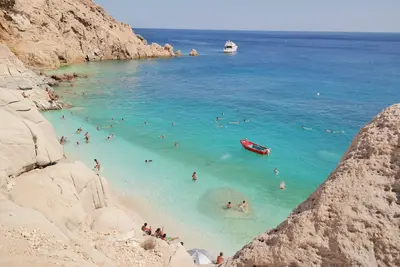
    Ikaria, one of the world-renowned 'Blue Zones', is famous for the exceptional longevity of its inhabitants and their relaxed pace of life. Here you'll find an island that has preserved its authenticity and is characterized by a strong sense of community. Discover the picturesque Seychelles Beach with its turquoise waters or the charming fishing village of Armenistis. In the mountain village of Christos Rachon, shops often open only in the late evening, a testament to the unique 'Ikarian Rhythm'. The ancient ruins at Nas Beach offer not only historical insights but also an idyllic beach. For a deep cultural experience, visit one of the traditional Panigyria with music and dance in summer. It is recommended to use a rental car to explore the island's diverse landscapes and thermal springs.
    Samos

    Samos

    Samos, a green island in the eastern Aegean, combines rich history with picturesque coastal towns. The capital, Samos-Town (Vathy), captivates with its neoclassical architecture and lively harbour. Visit Pythagoreion, a UNESCO World Heritage site, home to ancient ruins like the Heraion – birthplace of the goddess Hera – and the Eupalinos Tunnel. Here you'll also discover the home of the famous mathematician Pythagoras. The island is known for its sweet Muscat wine, which you can sample in local wineries. For relaxed beach days or hikes, spring and autumn are ideal to take advantage of the mild temperatures and fewer crowds.
    Cyclades

    Cyclades

    The Cyclades, a breathtaking island group in the Aegean Sea, are the epitome of the Greek dream. With their iconic whitewashed villages, brilliant blue-domed churches, and pristine beaches, they offer an unparalleled blend of cultural richness and relaxed Mediterranean flair. Discover the allure of these islands, where history meets hospitality and every sunset is a masterpiece.
    Naxos

    Naxos

    As the largest and most fertile island of the Cyclades, Naxos offers an impressive diversity, from long sandy beaches to mountainous hinterland and traditional villages. The capital Chora impresses with the Portara, the monumental marble gate of the ancient Temple of Apollo, which overlooks the harbour. In the heart of the city, you'll find the Venetian Kastro, a medieval quarter with narrow alleys and historic buildings, reflecting the island's long history. Away from the coast, a trip is worthwhile to mountain villages like Apiranthos, known for its marble architecture and museums, or to the mythologically significant mountain region of Zas. Try the local products such as Naxos Graviera cheese and Kitron liqueur in the tavernas. The best times to visit are late spring and early autumn, to explore the island at pleasant temperatures and with fewer tourist crowds.