
Fernweh
    ExploreTravel GuidesMy Trips
    de|en
    About FernwehImprintFAQPrivacy Policy
    ExploreTravel GuidesMy Trips
    Dodecanese

    Dodecanese

    Region
    1. Home
    2. Destinations
    3. Greece
    4. Dodecanese
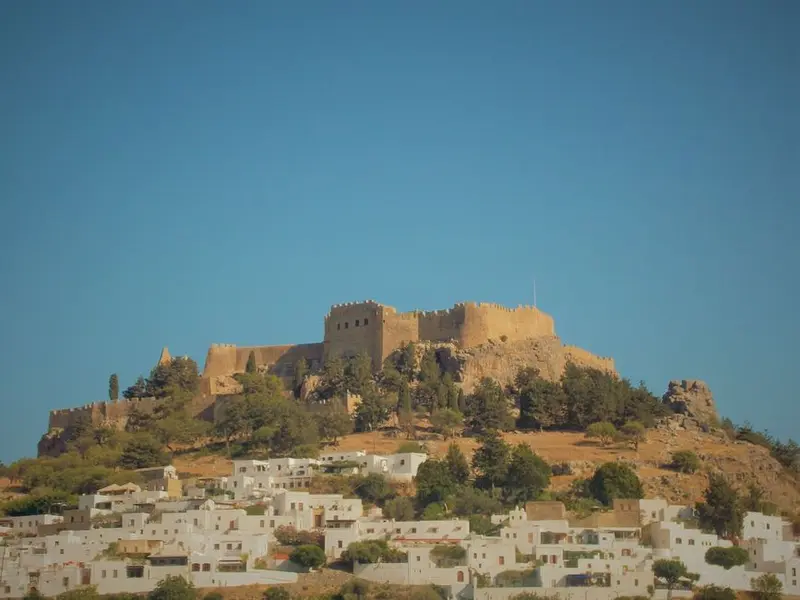
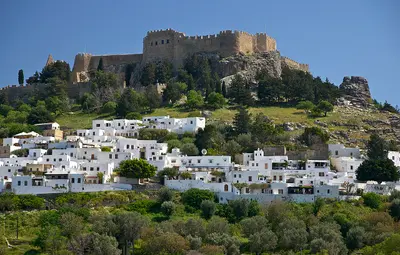
    The Dodecanese, a captivating island group in the southeastern Aegean, enchants visitors with its rich history, medieval towns, and spectacular natural landscapes. From ancient ruins to UNESCO World Heritage Sites, each island offers a unique blend of culture, relaxation, and adventure in crystal-clear waters.
    • Overview
    • Places in the region
    • Eat & drink
    • Culture
    • Nearby
    • Overview
    • Places in the region
    • Eat & drink
    • Culture
    • Nearby
    Die Dodekanes, eine Inselgruppe in der südöstlichen Ägäis, zeichnet sich durch ihre reiche Geschichte und eine bemerkenswerte landschaftliche Vielfalt aus. Auf Rhodos erlebst du die beeindruckende mittelalterliche Altstadt, ein UNESCO-Welterbe, während Patmos für seine religiöse Bedeutung mit dem Höhlenkloster des Johannes bekannt ist. Kos bietet antike Ruinen wie das Asklepieion und eine lebendige Hafenstadt, die die lange Geschichte der Insel widerspiegelt. Jede Insel der Gruppe bietet eine eigene Mischung aus kulturellen Entdeckungen und Möglichkeiten zur Entspannung an den Küsten mit klarem Wasser. Für eine angenehme Reise und um den größten Touristenmassen zu entgehen, empfiehlt sich ein Besuch im Frühling oder Herbst. Erkunde kleinere Inseln wie Symi mit ihrer neoklassizistischen Architektur oder Kalymnos, bekannt für seine Schwammtauchertradition, um authentische Einblicke zu gewinnen.

    Places in Dodecanese

    Karpathos

    Karpathos

    A more authentic island, enticing with its rugged landscapes, traditional mountain villages like Olympos, and breathtaking beaches.
    Leros

    Leros

    A tranquil island that charms with beautiful bays, elegant Art Deco style architecture and authentic Greek flair.
    Patmos

    Patmos

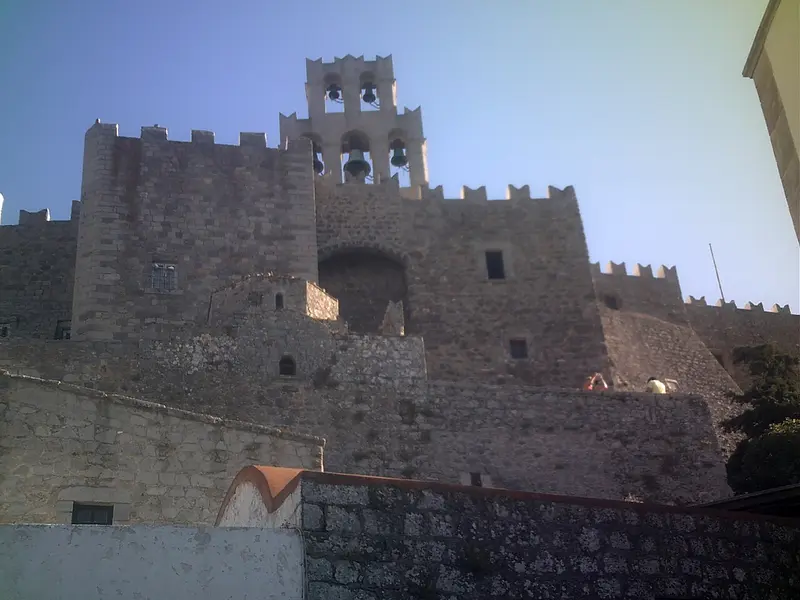
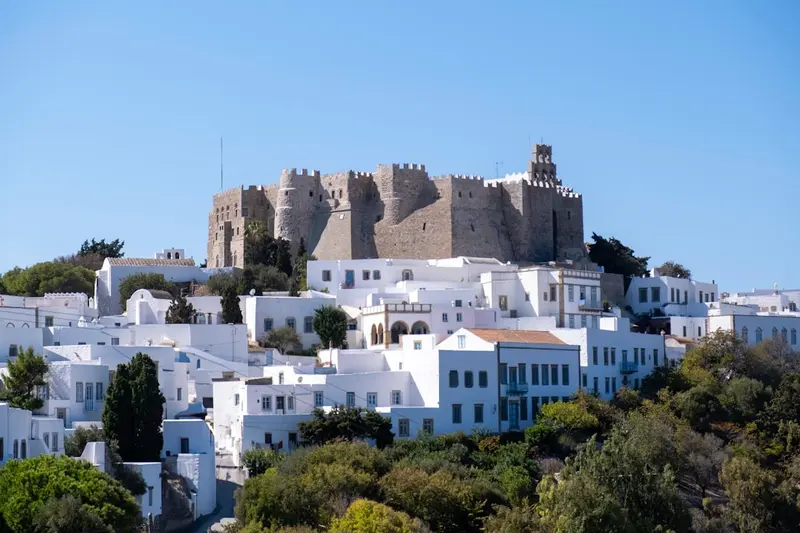
    Patmos, often referred to as the "Holy Island," is a significant pilgrimage destination in the Aegean and boasts a unique spiritual atmosphere. At its heart stands the imposing Monastery of Saint John the Theologian, a UNESCO World Heritage Site, whose fortress architecture dominates the Chora. Directly below the Monastery lies the Cave of the Apocalypse, where, according to tradition, the Apostle John received the Revelation. The picturesque Chora, also a UNESCO site, invites exploration with its whitewashed houses and narrow lanes. Down at Skala harbor, you'll find lively tavernas and small shops. For a quieter experience, a visit during the off-season is recommended, such as in late spring or early autumn. Explore the winding paths of the Chora best on foot in the early morning hours to experience its unique tranquility.
    Rhodes (City)

    Rhodes (City)

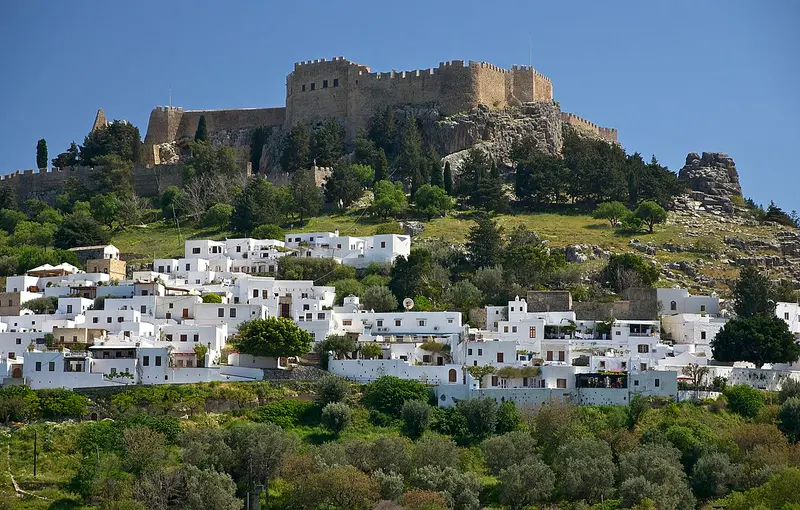
    Rhodes Town captivates as a UNESCO World Heritage site with an exceptionally well-preserved medieval Old Town, deeply rooted in the history of the Knights of St. John. Here, you'll explore a fascinating blend of Crusader castles and Ottoman architecture, brought to life in winding alleys and historic squares. Unmissable highlights include the imposing Palace of the Grand Master and the impressive Street of the Knights. Outside the ancient walls, the modern part of the city entices with the picturesque Mandraki Harbour, the former site of the Colossus of Rhodes, as well as diverse shopping opportunities. To fully savor the unique atmosphere, you should explore the Old Town in the early morning or late afternoon hours. The months of May, June, and September are ideal for a visit to experience milder weather and fewer crowds.
    Symi

    Symi

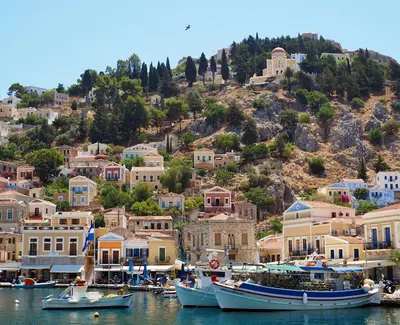
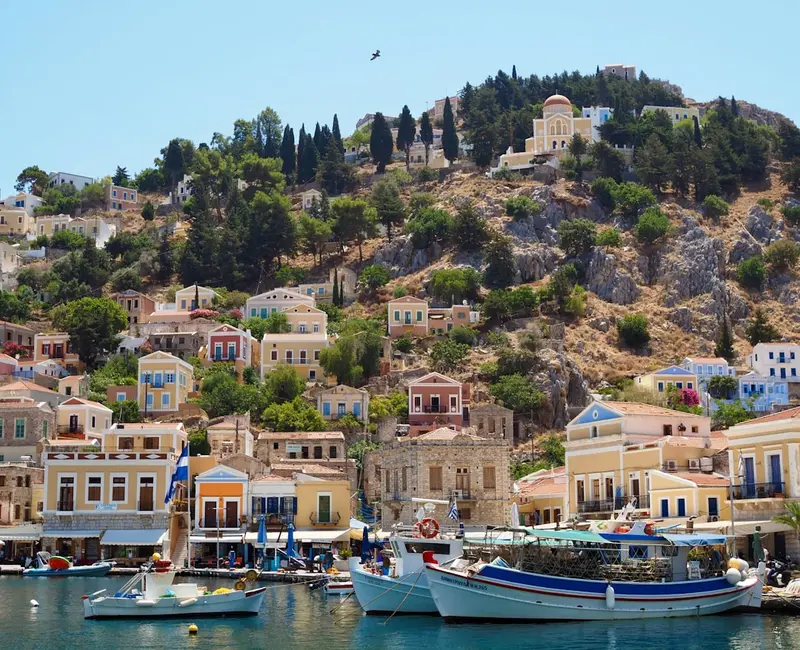
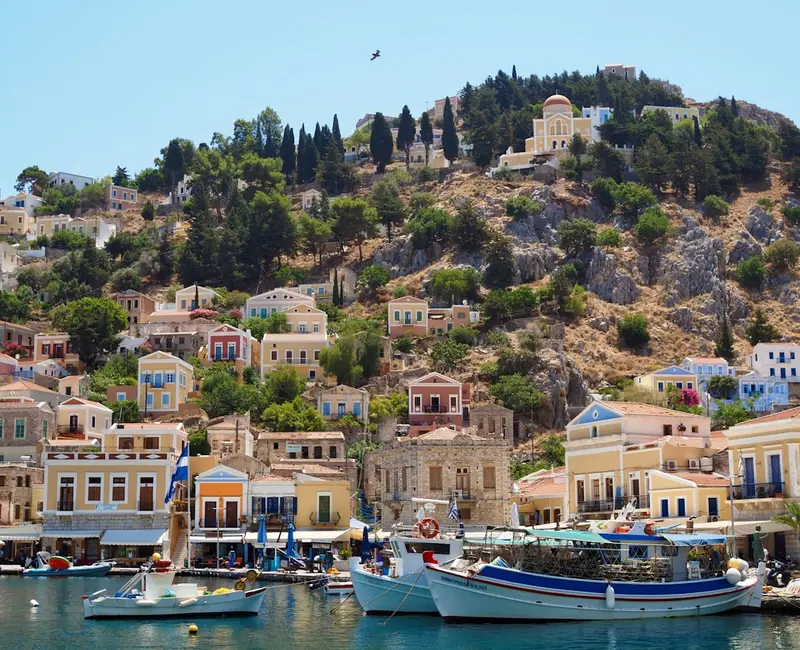
    Symi welcomes you with the impressive architecture of its port town Gialos, where magnificent neoclassical mansions nestle amphitheatrically into the slopes. These buildings bear witness to the island's former prosperity from the sponge trade and shape its distinctive character. Via the Kali Strata, a long staircase, you reach the upper village Chorio with its traditional alleys and the ruins of the Knights' Castle, which offer panoramic views. A cultural highlight is the Panormitis Monastery in the south, an important pilgrimage centre with a remarkable iconostasis. The best time to visit is spring or autumn, to explore the island in peace away from the summer crowds and enjoy its authentic atmosphere. Take the opportunity for a boat trip to the island's secluded coves, accessible only by sea.

    Sights in Dodecanese

    Discover the most important sights and attractions

    Mittelalterliche Stadt von Rhodos (Altstadt)

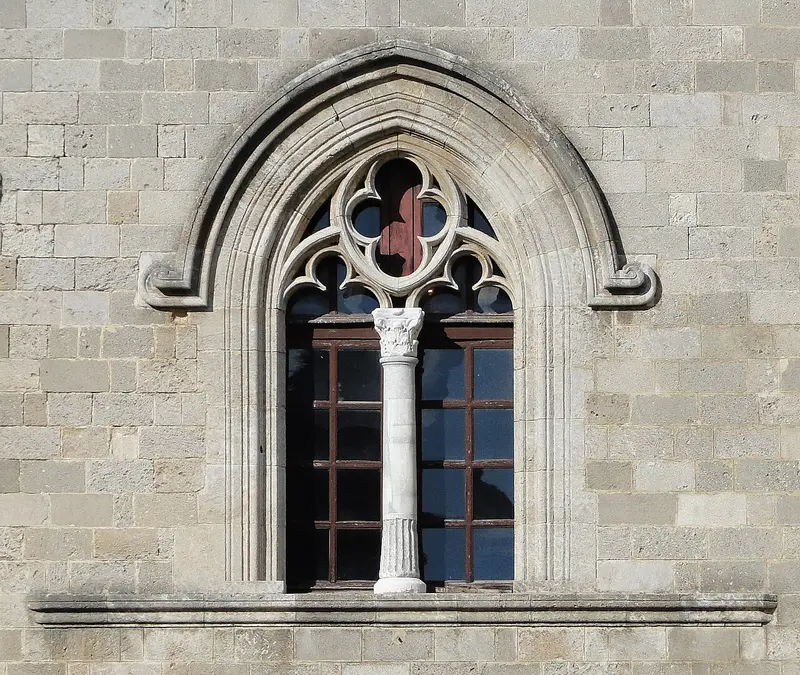
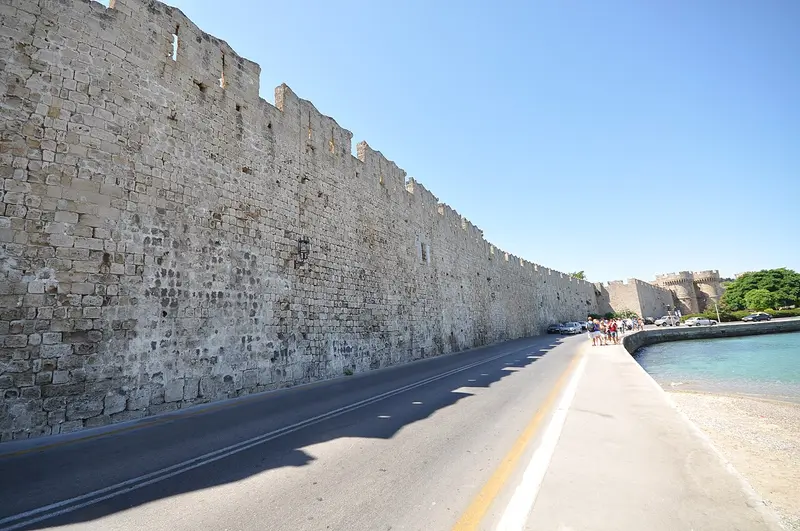
    The Medieval City of Rhodes, a UNESCO World Heritage site, is an outstanding example of a fortified medieval European city. You step into living history, shaped by the Knights of St. John, who resided here from the 14th to 16th century and erected an impressive fortress. The architecture is a fascinating blend of Gothic elements from the Knights' era and later Ottoman influences, visible in mosques and baths. Stroll through the narrow, cobbled streets, discover the imposing Palace of the Grand Master and the famous Street of the Knights, which leads to the inns of the different 'tongues' of the Knights. Away from the main thoroughfares, you'll find quieter corners and small squares that invite you to linger. Our Tip: It's best to visit the Old Town early in the morning or late in the afternoon to avoid the largest crowds and the midday heat and to capture the special light for photos. Also explore the less-traveled side streets to experience its authentic flair.
    Open in Google Maps

    Großmeisterpalast

    The Grand Master's Palace on Rhodes, an imposing 14th-century building, was once the residence of the Grand Master of the Knights of St. John and the administrative center of their rule. Originally erected as a Byzantine citadel, the Knights expanded it into a magnificent fortress that served both military and representational purposes. After its destruction by a 19th-century earthquake, the palace was extensively restored by the Italians in the 1930s, who were guided by historical models.Today, the palace houses a museum that offers you deep insights into the history of Rhodes and the Knights of St. John. You can explore magnificent halls, impressive mosaic floors originally from the island of Kos, and a multitude of artifacts from various eras. The spacious courtyards and massive walls convey a sense of medieval power.Our Tip: Visit the palace early in the morning right after opening or late in the afternoon to avoid the biggest crowds and to soak in the atmosphere in peace. For an impressive exterior view, the Street of the Knights is ideal; it leads directly to the palace and is itself a historical highlight.
    Open in Google Maps

    Archäologisches Museum von Rhodos

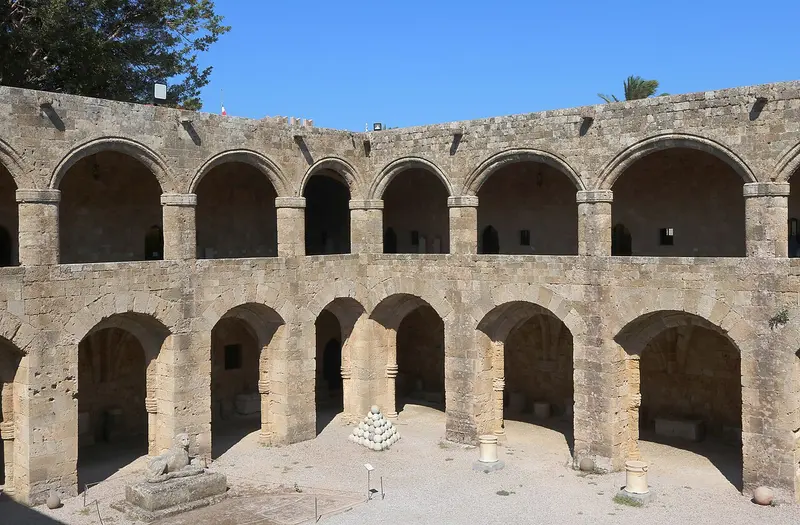
    The Archaeological Museum of Rhodes is housed in the impressive medieval building of the Knights' Hospital, which was built between 1440 and 1489 by the Knights of Saint John. This historic setting offers a significant architectural experience even before you see the exhibits. Inside, you'll find a comprehensive collection of artifacts covering the island's rich history from prehistoric times to the Roman era. Particularly noteworthy are the sculptures from the Hellenistic and Roman periods, including the famous Aphrodite of Rhodes, considered one of the most significant exhibits. The exhibits provide deep insights into the life, art, and culture of the ancient inhabitants of Rhodes and the surrounding Dodecanese islands. You will also discover gravestones, ceramics, and mosaics that document the island's development over millennia. Our tip: Plan your visit in the morning to avoid the largest crowds and enjoy the tranquility of the halls. For a detailed look at the sculptures in the courtyard, you should allow ample time.
    Open in Google Maps

    Windmühlen von Rhodos

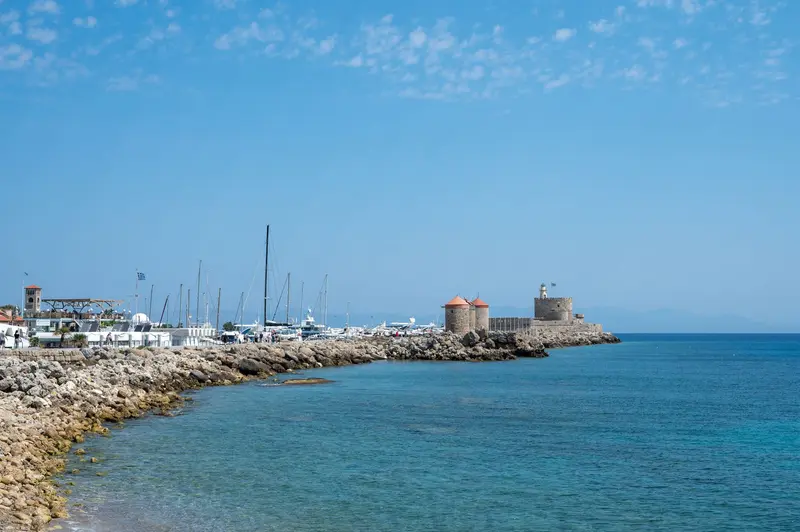
    The windmills of Rhodes at Mandraki Harbour are a striking testament to the island's history. Originally, these stone structures were used by the Knights of St. John to mill grain delivered by ships, highlighting their strategic importance for the city's provisions. Today, three of these historic mills still stand, which you'll find on the eastern breakwater of the harbour. They offer a fascinating glimpse into the former infrastructure and are a popular photo motif.You can explore the mills along the harbour promenade, enjoying views of the sea and the impressive medieval city walls. Although no longer in operation, they convey a strong sense of Rhodes' maritime past. Our Tip: The best time to visit the windmills is during the early morning hours or late afternoon. Then the light for photos is particularly soft and the crowds are smaller. For an impressive perspective with the mills and the harbour in the background, a stroll along the breakwater is recommended.
    Open in Google Maps

    Food and Drink

    Kultur, Kunst & Geschichte der Dodekanes

    Die Dodekanes-Inseln sind tief in einer vielschichtigen Geschichte verwurzelt, die von antiken Zivilisationen über mittelalterliche Ritterorden bis hin zu osmanischer und italienischer Herrschaft reicht. Diese wechselvolle Vergangenheit hat eine einzigartige kulturelle Identität geformt, die sich in Architektur, Bräuchen und Alltag widerspiegelt.Die architektonische Landschaft ist ein Zeugnis dieser Epochen: Auf Rhodos dominiert die beeindruckende mittelalterliche Festungsanlage der Johanniter, ein UNESCO-Weltkulturerbe, während byzantinische Kirchen wie Panagia Tsambika auf verschiedenen Inseln die tiefe religiöse Tradition unterstreichen. Italienische Kolonialbauten in Städten wie Mandraki auf Rhodos oder auf Leros zeugen von der Besatzungszeit im 20. Jahrhundert. Traditionelle, oft kubische Häuser mit leuchtend weiß getünchten Wänden prägen das Bild vieler Dörfer.Lokale Traditionen sind eng mit dem orthodoxen Glauben und dem maritimen Leben verbunden. Feste zu Ehren von Heiligen werden lebhaft gefeiert, und auf Inseln wie Kalymnos lebt das Erbe des Schwammtauchens fort. Die Handwerkskunst, von Keramik bis zur Holzschnitzerei, sowie die Insellieder und -tänze halten das kulturelle Erbe der Dodekanes lebendig.

    Locations nearby

    These places are nearby — perfect for additional days or a day trip.

    Rhodes (City)

    Rhodes (City)

    Rhodes Town captivates as a UNESCO World Heritage site with an exceptionally well-preserved medieval Old Town, deeply rooted in the history of the Knights of St. John. Here, you'll explore a fascinating blend of Crusader castles and Ottoman architecture, brought to life in winding alleys and historic squares. Unmissable highlights include the imposing Palace of the Grand Master and the impressive Street of the Knights. Outside the ancient walls, the modern part of the city entices with the picturesque Mandraki Harbour, the former site of the Colossus of Rhodes, as well as diverse shopping opportunities. To fully savor the unique atmosphere, you should explore the Old Town in the early morning or late afternoon hours. The months of May, June, and September are ideal for a visit to experience milder weather and fewer crowds.
    Symi

    Symi

    Symi welcomes you with the impressive architecture of its port town Gialos, where magnificent neoclassical mansions nestle amphitheatrically into the slopes. These buildings bear witness to the island's former prosperity from the sponge trade and shape its distinctive character. Via the Kali Strata, a long staircase, you reach the upper village Chorio with its traditional alleys and the ruins of the Knights' Castle, which offer panoramic views. A cultural highlight is the Panormitis Monastery in the south, an important pilgrimage centre with a remarkable iconostasis. The best time to visit is spring or autumn, to explore the island in peace away from the summer crowds and enjoy its authentic atmosphere. Take the opportunity for a boat trip to the island's secluded coves, accessible only by sea.
    Karpathos

    Karpathos

    A more authentic island, enticing with its rugged landscapes, traditional mountain villages like Olympos, and breathtaking beaches.
    Leros

    Leros

    A tranquil island that charms with beautiful bays, elegant Art Deco style architecture and authentic Greek flair.
    Patmos

    Patmos

    Patmos, often referred to as the "Holy Island," is a significant pilgrimage destination in the Aegean and boasts a unique spiritual atmosphere. At its heart stands the imposing Monastery of Saint John the Theologian, a UNESCO World Heritage Site, whose fortress architecture dominates the Chora. Directly below the Monastery lies the Cave of the Apocalypse, where, according to tradition, the Apostle John received the Revelation. The picturesque Chora, also a UNESCO site, invites exploration with its whitewashed houses and narrow lanes. Down at Skala harbor, you'll find lively tavernas and small shops. For a quieter experience, a visit during the off-season is recommended, such as in late spring or early autumn. Explore the winding paths of the Chora best on foot in the early morning hours to experience its unique tranquility.