Fernweh
    ExploreTravel GuidesMy Trips
    de|en
    About FernwehImprintFAQPrivacy Policy
    ExploreTravel GuidesMy Trips
    Rhodes (City)

    Rhodes (City)

    CityCulture
    1. Home
    2. Destinations
    3. Greece
    4. Dodecanese
    5. Rhodes (City)
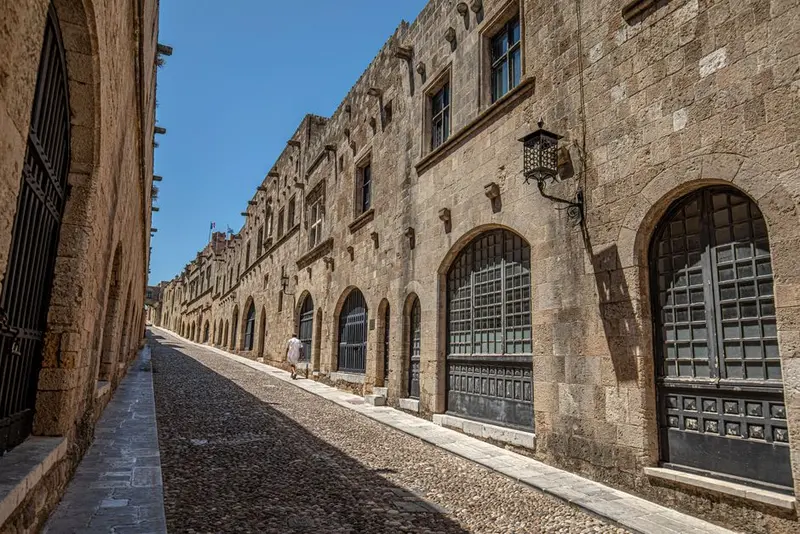
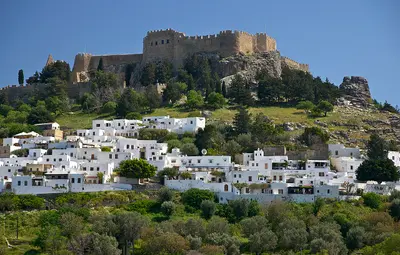
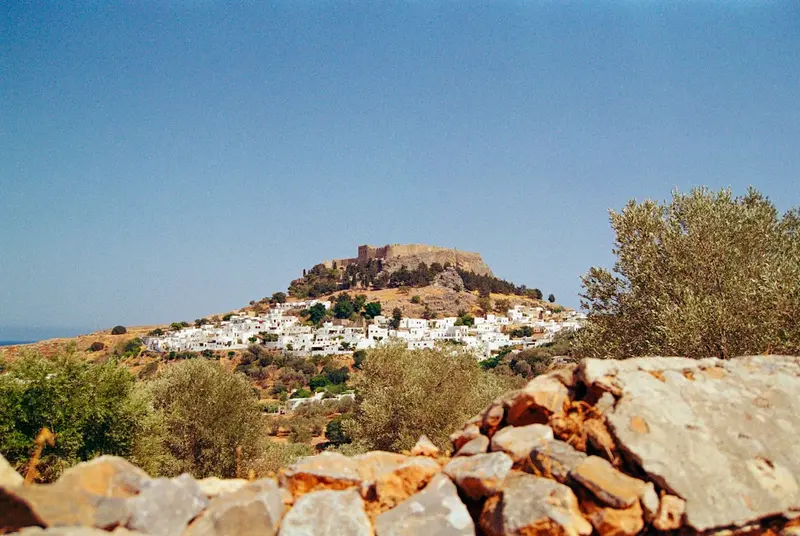
    Rhodes Town captivates as a UNESCO World Heritage site with an exceptionally well-preserved medieval Old Town, deeply rooted in the history of the Knights of St. John. Here, you'll explore a fascinating blend of Crusader castles and Ottoman architecture, brought to life in winding alleys and historic squares. Unmissable highlights include the imposing Palace of the Grand Master and the impressive Street of the Knights. Outside the ancient walls, the modern part of the city entices with the picturesque Mandraki Harbour, the former site of the Colossus of Rhodes, as well as diverse shopping opportunities. To fully savor the unique atmosphere, you should explore the Old Town in the early morning or late afternoon hours. The months of May, June, and September are ideal for a visit to experience milder weather and fewer crowds.
    • Neighborhoods & highlights
    • Walking tours
    • Eat & drink
    • Culture
    • Nightlife
    • Getting around
    • Accommodation
    • Plan trip
    • Nearby
    • Neighborhoods & highlights
    • Walking tours
    • Eat & drink
    • Culture
    • Nightlife
    • Getting around
    • Accommodation
    • Plan trip
    • Nearby

    Overview

    Die Altstadt von Rhodos, ein UNESCO-Weltkulturerbe, beeindruckt mit einer außergewöhnlich gut erhaltenen mittelalterlichen Struktur, tief verwurzelt in der Geschichte der Johanniterritter. Du entdeckst hier eine faszinierende Mischung aus Kreuzritterburgen und osmanischer Architektur, die sich in verwinkelten Gassen und auf historischen Plätzen widerspiegelt. Unumgängliche Höhepunkte sind der imposante Großmeisterpalast an der höchsten Stelle der Altstadt und die prachtvolle Ritterstraße, die zu ihm führt. Außerhalb der alten Mauern erstreckt sich der moderne Teil der Stadt mit dem malerischen Mandraki-Hafen, dem einstigen Standort des Kolosses von Rhodos, sowie einem lebhaften Geschäftsleben. Um die einzigartige Atmosphäre der Altstadt voll auszukosten und die Menschenmassen zu meiden, empfiehlt sich ein Besuch in den frühen Morgenstunden oder am späten Nachmittag. Die Monate Mai, Juni und September bieten sich an, um milderes Wetter und einen angenehmeren Besucherandrang zu erleben.

    Places in Rhodes (City)

    Discover the most important sights and attractions

    Sights in Rhodes (City)

    Mittelalterliche Stadt von Rhodos (Altstadt)

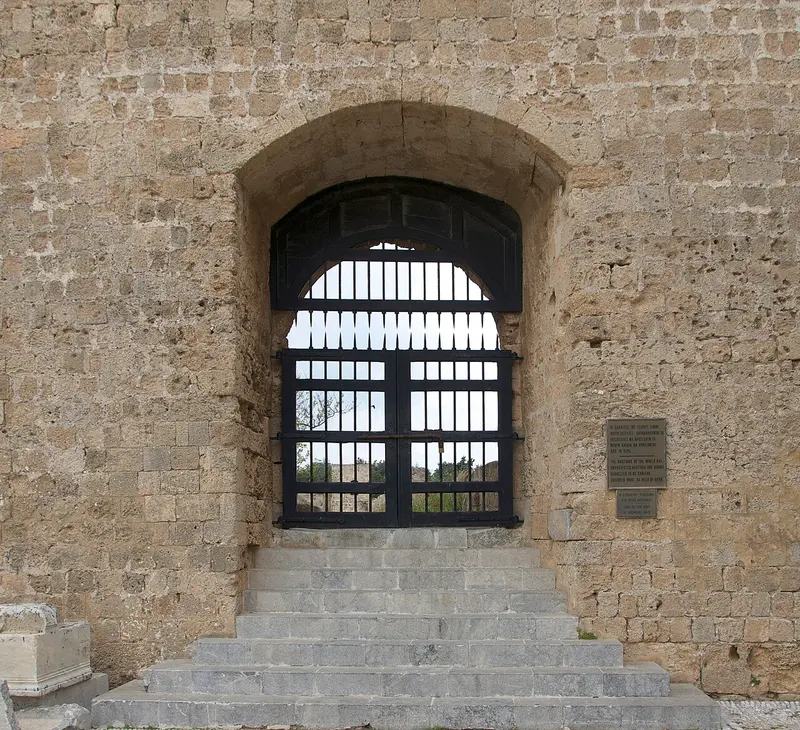
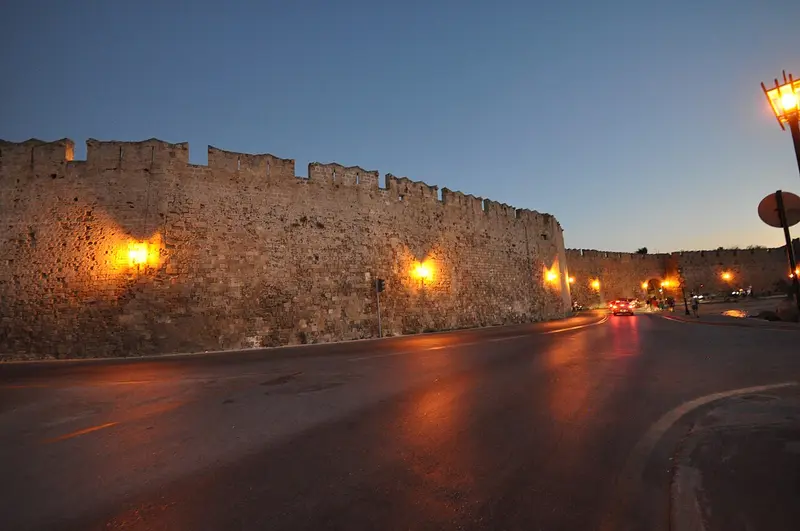
    The Medieval City of Rhodes is an outstanding example of a well-preserved fortified city and a UNESCO World Heritage site since 1988. Here, you step into living history, primarily shaped by the Knights Hospitaller between 1309 and 1522. The imposing fortifications, stretching over four kilometers, bear witness to the island's strategic importance. Inside, a labyrinth of narrow streets awaits, leading you to the Palace of the Grand Master, an impressive structure reflecting the knights' power.Stroll through the famous Street of the Knights (Odos Ippoton), where the inns of the various "Tongues" of the knightly orders still stand today. The Archaeological Museum, housed in the former Hospital of the Knights, offers deep insights into the island's history. Besides the knightly structures, you'll also find traces of the Byzantine and Ottoman eras, including mosques and traditional baths, forming a unique cultural mosaic.Our Tip: Visit the Old Town in the early morning or late afternoon to avoid the largest crowds and enjoy the special atmosphere in the soft light. For a breathtaking perspective of the city and the sea, a walk on the accessible parts of the city walls is highly recommended.
    Open in Google Maps

    Großmeisterpalast

    The Grand Master's Palace on Rhodes is a pivotal building from the Knights Hospitaller era, profoundly shaping the Old Town's appearance. Originally built in the 14th century by the Knights Hospitaller as a fortress and the Grand Master's residence, it served as the island's administrative and military center. After its destruction by a gunpowder explosion in the 19th century, the palace was extensively reconstructed by the Italians in the 20th century, based on historical depictions. Today it houses a museum that offers insights into the history of Rhodes and the era of the Knights. You can admire magnificent halls, impressive courtyards, and a collection of ancient mosaics, some of which were brought here from the island of Kos. Our Tip: Visit the palace preferably right after opening in the morning or in the late afternoon to avoid the largest crowds. Pay special attention to the detailed Roman floor mosaics inside. For a more relaxed exploration, plan at least two hours.
    Open in Google Maps

    Archäologisches Museum von Rhodos

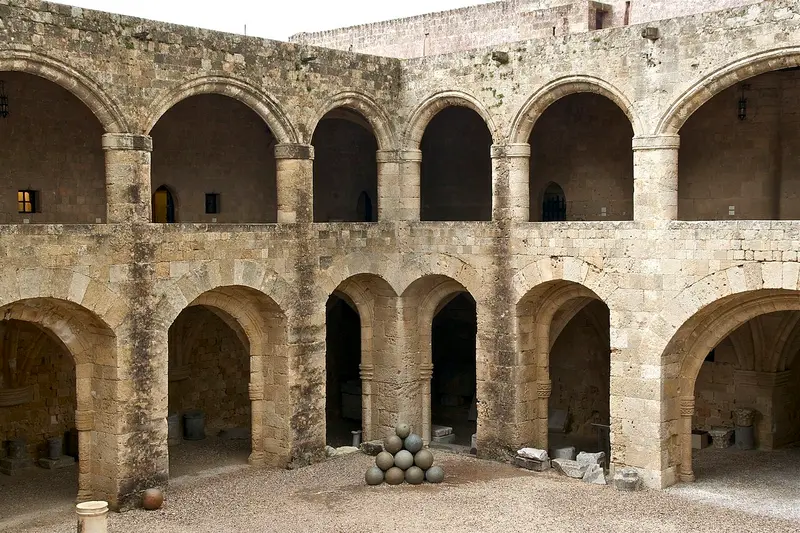
    The Archaeological Museum of Rhodes is housed in the medieval Hospital of the Knights Hospitaller, a historically significant 15th-century building. This impressive structure provides a unique setting for its extensive collection. Here you will find a variety of artifacts documenting the island's rich history from prehistoric times to the early Christian era.The exhibits include sculptures, ceramics, grave steles, and mosaics found on Rhodes and the surrounding islands. A special highlight is the famous marble statue of the Aphrodite of Rhodes from the 1st century BC, which you can admire in the inner courtyard. Also noteworthy is the collection of Roman mosaics and Hellenistic grave reliefs, offering you deep insights into ancient life on the island.Take your time to explore the various halls and note the architectural details of the former hospital. Our Tip: Visit the museum early in the morning shortly after opening or in the late afternoon to avoid the largest tourist crowds. This allows for a quieter viewing of the exhibits and better photo opportunities. Plan at least two hours for your visit to fully appreciate the collection.
    Open in Google Maps

    Windmühlen von Rhodos

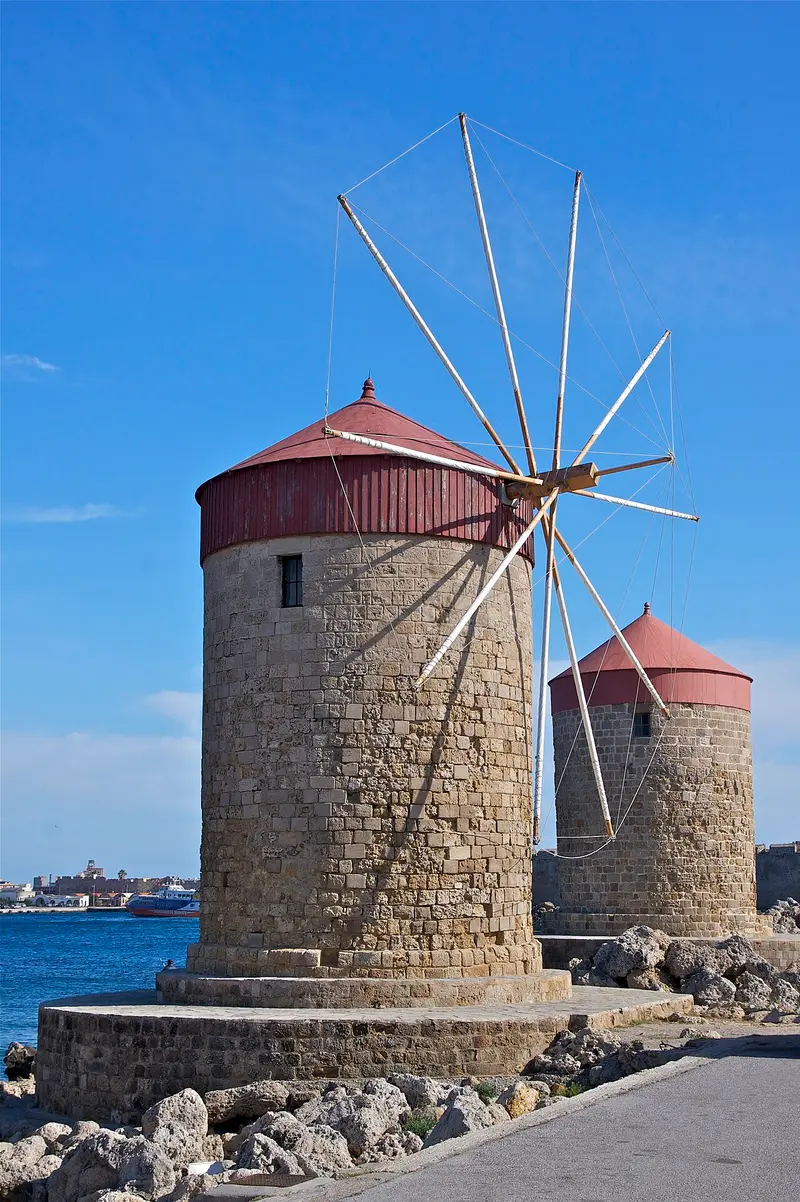
    The Windmills of Rhodes are a striking historical ensemble at Mandraki Harbour, the main port of Rhodes Town. Originally, up to 13 windmills stood here, built during the rule of the Knights Hospitaller in the 14th and 15th centuries. Their primary function was grinding grain unloaded from incoming ships, which highlights their central role in the island's supply and economy. Today, three of these stone mills remain, which, although no longer operational, represent a picturesque testament to the past. You'll find them on a mole stretching into the harbour, offering excellent views of the sea and the Fortress of Saint Nicholas. Our Tip: Visit the windmills in the early morning or late afternoon. During these times, the light for photos is particularly soft, and you avoid the largest crowds. For an impressive perspective, photograph them from the opposite shore of Mandraki Harbour to capture the entire row with the harbour in the foreground.
    Open in Google Maps

    City walks in Rhodes (City)

    Curated walking tours through the city's highlights — handpicked by experienced travel journalists.

    Rhodos Modern & Maritim: Von Strandflair zu Architekturjuwelen der Neustadt

    Dieser Spaziergang führt Sie durch das lebendige, moderne Rhodos-Stadt, jenseits der historischen Mauern. Entdecken Sie elegante italienische Architektur, genießen Sie die erfrischende Meeresbrise und tauchen Sie ein in das zeitgenössische Stadtleben mit seinen Stränden und charakteristischen Gebäuden.

    ~2 Std.
    In Google Maps öffnen
    Stopps (6)

    Food & Drink

    The rich cultural history of Rhodes City

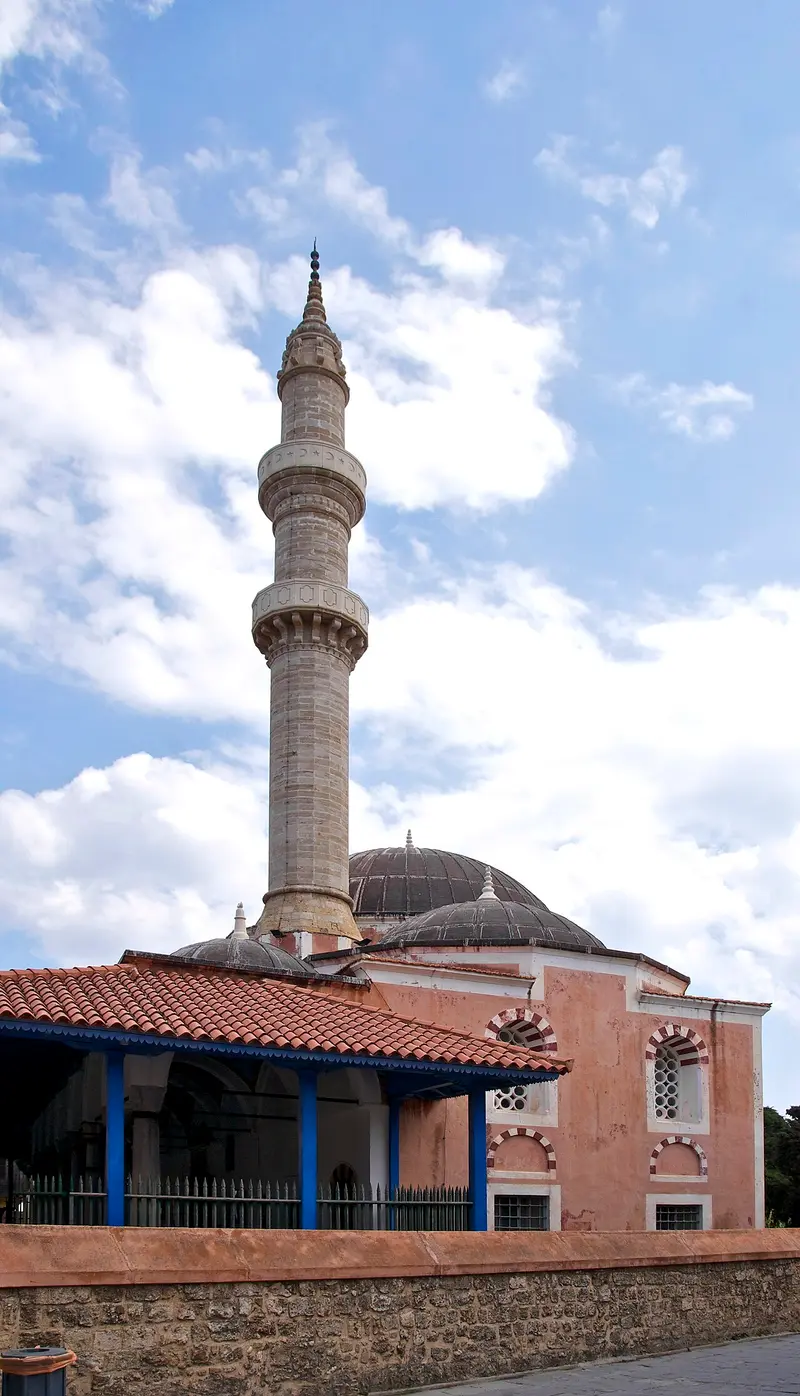
    Rhodes Town boasts a multifaceted history, reflected in its architecture and culture. The city was founded in 408 BC and gained great importance as a maritime and commercial power during the Hellenistic period, manifested by the famous Colossus of Rhodes.The most formative era was the rule of the Knights Hospitaller from 1309 to 1522. They shaped the Old Town, now a UNESCO World Heritage site, with its massive fortifications, the Palace of the Grand Master, and the Street of the Knights in Gothic style. After its conquest by the Ottomans in 1522, mosques and baths were added, reshaping the cityscape without completely obscuring its medieval structure.The Italian occupation period (1912-1943) also brought architectural influences, particularly outside the Old Town walls. Local traditions are deeply rooted in Greek Orthodox culture, visible in numerous churches and religious festivals, which are celebrated throughout the year and form an important part of social life.

    Nightlife

    Die Nachtszene von Rhodos-Stadt präsentiert sich vielseitig, von gediegenen Weinbars in der Altstadt bis zu lebhafteren Cocktail-Locations und Musik-Bars im neuen Teil der Stadt. Entdecke entspannte Abende im The Cellar of Knights oder genieße kreative Drinks in Bars wie dem Decan Bar, die sich über verschiedene Viertel verteilen.

    Exploring Locally

    Getting around Rhodes Town is diverse and straightforward. There is no metro or tram network on the island; instead, the efficient KTEL bus network is the backbone of public transport, connecting the city's key points and surrounding regions. Tickets can be purchased directly from the driver or at central bus stations and kiosks; for regular journeys, multi-journey tickets are often worthwhile, offering a practical and cost-effective option.For shorter distances, especially along the picturesque waterfront promenade and in the New Town, bicycles and e-scooters are increasingly popular, with numerous rental stations throughout the city. Taxis are also plentiful and a convenient choice for quick transfers or evening rides; however, common international ride-sharing services are not widespread here. Rhodes' Old Town, a UNESCO World Heritage site, is largely pedestrianized and best and most authentically explored on foot, allowing you to discover its hidden corners and historical treasures at your leisure. A tip: Plan your bus routes in advance and enjoy the relaxed atmosphere of the car-free zones.

    Accommodations in Rhodes (City)

    Accommodations in Rhodes (City)

    Find perfect stay in Rhodes (City)

    Booking.com
    Search Hotels
    Agoda
    Search Hotels
    Airbnb
    Vacation Rentals
    Hotels.com
    Hotels Worldwide
    Hostelworld
    Hostels

    Campgrounds in Rhodes (City)

    Find perfect campground in Rhodes (City)

    Search via Google Maps
    Campgrounds nearby (15km)
    Camping.info
    Find Campgrounds
    Park4Night
    RV Parks & Camping

    Plan your trip to Rhodes (City)

    Save places, build a route and plan your city trip — all in one place.

    Save places

    Bookmark sights, restaurants and neighborhoods you're interested in.

    Build your route

    Turn your bookmarks into a route — define order, days and budget.

    Refine with AI

    Let Mein Fernweh suggest experiences and put together a tailored daily plan.

    Start trip planningOpen bookmarks

    Locations nearby

    These places are nearby — perfect for additional days or a day trip.

    Dodecanese

    Dodecanese

    The Dodecanese, a captivating island group in the southeastern Aegean, enchants visitors with its rich history, medieval towns, and spectacular natural landscapes. From ancient ruins to UNESCO World Heritage Sites, each island offers a unique blend of culture, relaxation, and adventure in crystal-clear waters.
    Symi

    Symi

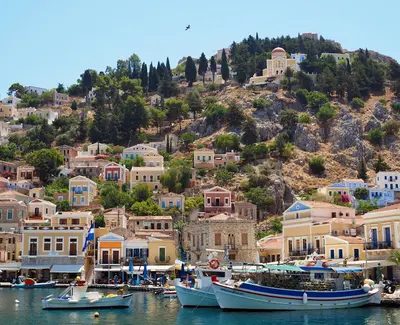
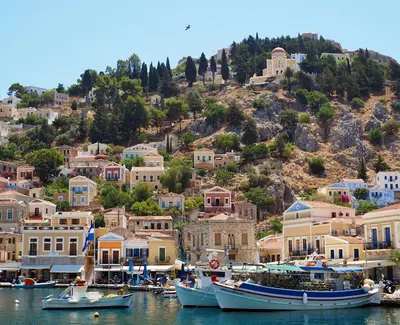
    Symi welcomes you with the impressive architecture of its port town Gialos, where magnificent neoclassical mansions nestle amphitheatrically into the slopes. These buildings bear witness to the island's former prosperity from the sponge trade and shape its distinctive character. Via the Kali Strata, a long staircase, you reach the upper village Chorio with its traditional alleys and the ruins of the Knights' Castle, which offer panoramic views. A cultural highlight is the Panormitis Monastery in the south, an important pilgrimage centre with a remarkable iconostasis. The best time to visit is spring or autumn, to explore the island in peace away from the summer crowds and enjoy its authentic atmosphere. Take the opportunity for a boat trip to the island's secluded coves, accessible only by sea.
    Karpathos

    Karpathos

    A more authentic island, enticing with its rugged landscapes, traditional mountain villages like Olympos, and breathtaking beaches.
    Leros

    Leros

    A tranquil island that charms with beautiful bays, elegant Art Deco style architecture and authentic Greek flair.
    Patmos

    Patmos

    Patmos, often referred to as the "Holy Island," is a significant pilgrimage destination in the Aegean and boasts a unique spiritual atmosphere. At its heart stands the imposing Monastery of Saint John the Theologian, a UNESCO World Heritage Site, whose fortress architecture dominates the Chora. Directly below the Monastery lies the Cave of the Apocalypse, where, according to tradition, the Apostle John received the Revelation. The picturesque Chora, also a UNESCO site, invites exploration with its whitewashed houses and narrow lanes. Down at Skala harbor, you'll find lively tavernas and small shops. For a quieter experience, a visit during the off-season is recommended, such as in late spring or early autumn. Explore the winding paths of the Chora best on foot in the early morning hours to experience its unique tranquility.