Fernweh
    ExploreTravel GuidesMy Trips
    de|en
    About FernwehImprintFAQPrivacy Policy
    ExploreTravel GuidesMy Trips
    Marathon

    Marathon

    CityCulture
    1. Home
    2. Destinations
    3. Greece
    4. Attica
    5. Marathon
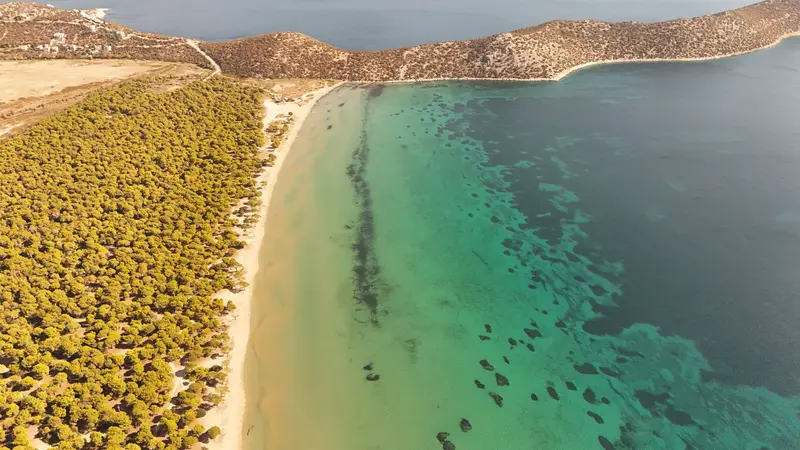
    Marathon is a place of immense historical significance, particularly known for the famous Battle of 490 BC, which shaped the fate of ancient Greece. Here you'll find the Archaeological Museum of Marathon, housing a rich collection of artifacts from the region, spanning from the prehistoric era to Roman times. A central and moving highlight is the Tymvos, the imposing burial mound of the Athenians who fell in the decisive battle against the Persians. The history of the marathon race, which has its roots in the tradition of a messenger after the victory, becomes tangible here. The area also offers the picturesque Marathon Lake with its impressive marble dam and the expansive Marathon Beach, inviting relaxation. For a deeper exploration of the historical sites, a visit in spring or autumn is recommended to avoid the crowds. Ideally, combine your visit with a trip to the Sanctuary of the Egyptian Gods in Brexiza for a comprehensive cultural experience.
    • Neighborhoods & highlights
    • Eat & drink
    • Culture
    • Getting around
    • Accommodation
    • Plan trip
    • Nearby
    • Neighborhoods & highlights
    • Eat & drink
    • Culture
    • Getting around
    • Accommodation
    • Plan trip
    • Nearby

    Overview

    Marathon is a place of immense historical significance, inextricably linked to the famous Battle of 490 BC, which shaped the destiny of ancient Greece. Here you will find the Archaeological Museum of Marathon, home to a rich collection of artifacts from the region, spanning from the prehistoric era to Roman times. A central and moving highlight is the Tymvos, the imposing burial mound of the Athenian soldiers who fell in the decisive battle against the Persians. The history of the Marathon race, which has its roots in the tradition of a messenger's run after the victory, becomes tangible here. The area also offers the picturesque Marathon Lake with its impressive marble dam, as well as the expansive Marathon Beach, inviting visitors to relax. For a deeper exploration of the historical sites, a visit in spring or autumn is recommended to avoid the crowds. Ideally, combine your visit with a trip to the Sanctuary of the Egyptian Gods in Brexiza for a comprehensive cultural experience.

    Places in Marathon

    Discover the most important sights and attractions

    Sights in Marathon

    European Bread Museum - Visit by appointment only

    The European Bread Museum in Marathon offers a fascinating journey through the history and cultural significance of bread in Europe. For millennia, bread has been a central staple food, deeply rooted in the social and religious traditions of the continent. Here you'll discover how bread production has evolved from the first grain cultivation to modern baking techniques.The carefully curated collection includes a variety of historical baking tools, traditional recipes, and exhibits that highlight the enormous diversity of European bread types and their associated rituals. You'll gain insights into the craftsmanship of ancient bakers and the technological advancements that have shaped bread production over the centuries. The role of bread as a symbol of prosperity, hospitality, and community is vividly presented.Visits are exclusively by prior appointment. This ensures a personalized guided tour and an intensive learning experience. Our tip: Contact the museum early to plan your visit and allow ample time for the detailed explanations and exhibits. This way, you can fully appreciate the depth of this cultural heritage.
    Open in Google Maps

    Schinias National Park

    The Schinias National Park near Marathon is an outstanding natural area of national and international importance. Here you will find a unique ecosystem comprising a coastal pine forest, a wetland with the Macaria Spring, and a long sandy beach. The area is part of the European Natura 2000 network and serves as an important resting stop for migratory birds. Historically, the park is located in close proximity to the ancient battlefield of Marathon, giving it an additional cultural dimension. Visitors can take long walks, observe birds, or relax on the beach. Our Tip: For birdwatching, spring or autumn is ideal when migratory birds are resting. If you wish to enjoy the tranquility of the beach, it's best to visit early in the morning before most swimmers arrive.
    Open in Google Maps

    Museum des Marathonlaufs

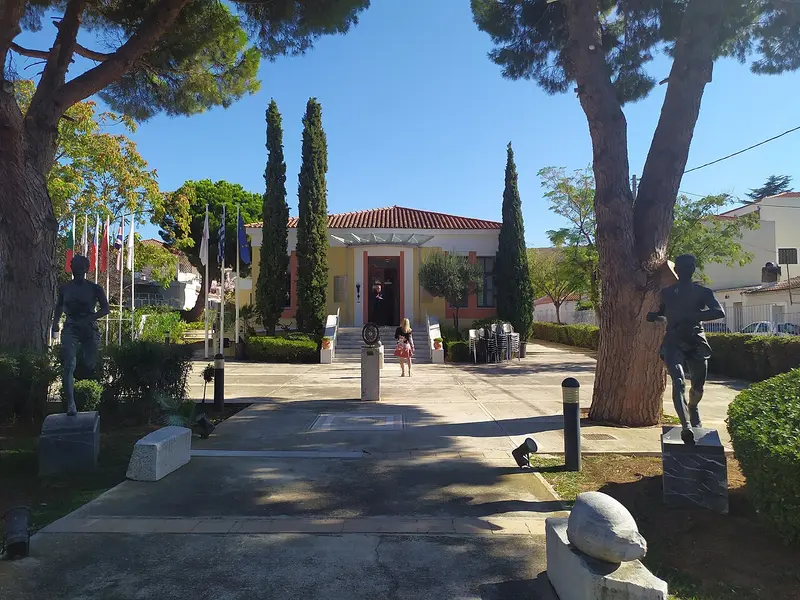
    The Museum of the Marathon Race in Marathon is dedicated to the rich history and cultural significance of the legendary long-distance run. Here, you'll find a comprehensive presentation of the Marathon's origins, closely tied to the historic Battle of Marathon in 490 BC and the tradition of the messenger Pheidippides. The exhibition not only highlights its ancient roots but also the revival of the Marathon at the first modern Olympic Games in Athens in 1896.At the museum, you can admire an impressive collection of medals, torches, and personal items belonging to famous marathon runners from various eras. The development of running techniques and changes in equipment over the decades are vividly presented. The exhibits offer deep insights into the physical and mental challenges athletes face.Our Tip: Plan your visit best in the morning to enjoy the most pleasant temperatures, especially during the summer months. Combine your museum visit with a trip to the nearby Tomb of the Athenians (Marathon Tumulus), which is just a few kilometers away and marks the historic battle site. This will allow you to gain a full understanding of the context. For a peaceful experience, it's best to avoid weekends.
    Open in Google Maps

    Archaeological Museum of Marathon

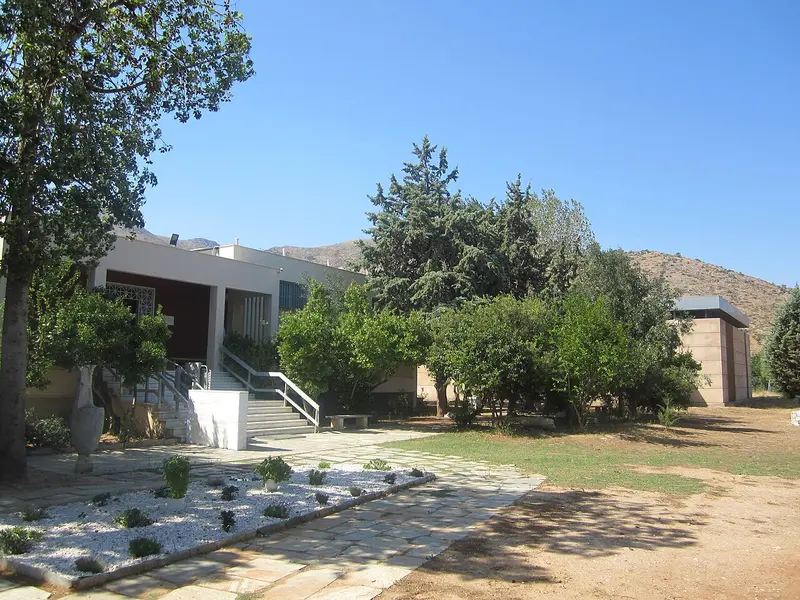
    The Archaeological Museum of Marathon is a central place to explore the region's rich history, especially the events surrounding the famous Battle of Marathon in 490 BC. Here you'll find an impressive collection of artifacts, ranging from prehistoric times to the Roman era. A main focus is on finds from the battlefield, the Tumulus of the Athenians and the Tumulus of the Plataeans, the graves of the fallen soldiers.Here you can admire ceramics, sculptures, grave stelae, and everyday objects, offering a deep understanding of the life and culture of Marathon's ancient inhabitants. Particularly noteworthy are the exhibits from the Egyptian sanctuary of Brexiza, which illustrate the region's far-reaching cultural connections. The exhibition vividly explains the significance of the Battle of Marathon as a turning point in European history.Practical Tip: It's best to plan your visit for early morning or late afternoon to avoid the largest crowds and the midday heat. Be sure to combine your museum visit with a walk to the nearby Tumulus of the Athenians to fully appreciate this historic site.
    Open in Google Maps

    Archaeological Site of Ramnous

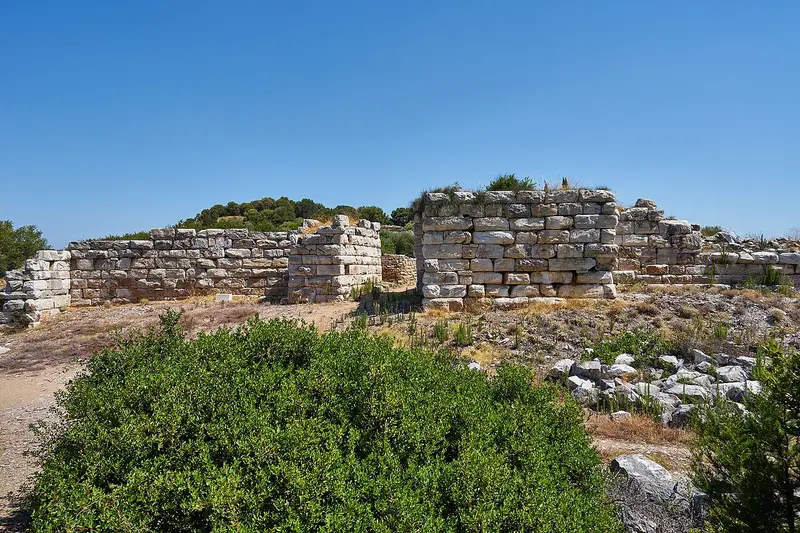
    The Archaeological Site of Ramnous was in antiquity an important Attic deme and a strategically vital coastal fortress, controlling the sea route to the Gulf of Euboea. Here, you'll discover the impressive remains of the Sanctuary of Nemesis, the goddess of retribution. The area includes two temples, of which the larger, the Temple of Nemesis, once housed a famous cult statue by Agorakritos, a pupil of Phidias. This site offers you a profound insight into the region's religious and military significance.Beyond the sanctuary, you can explore the ruins of the fortified city, including well-preserved walls, gates, and foundations of residences and public buildings. Its hilltop location also offers spectacular views of the Aegean Sea. Ramnous is often less frequented than other major archaeological sites, allowing for a more tranquil exploration. Practical tip: Visit the site in the early morning to avoid the heat and capture the best light for photos of the temple ruins against the backdrop of the sea. Sturdy footwear is essential due to the uneven terrain.
    Open in Google Maps

    Food & Drink

    Marathon: History, Art & Heritage

    Marathon is a site of immense historical significance, inextricably linked to one of the most pivotal moments of the ancient world. In 490 BC, the famous Battle of Marathon took place here, where Athenian and Plataean forces defeated the numerically superior Persians. This victory, a milestone for Western civilization, is embodied in the **Marathon Tumulus**, an imposing burial mound for the fallen Athenians, which remains a central architectural landmark to this day.However, the region bears witness not only to this one era; archaeological findings attest to settlement as early as prehistoric times. Later Roman influences also left their mark, for instance, through the remains of the Sanctuary of the Egyptian Gods. Culturally, the historic battle shapes modern Marathon to this day, particularly through the worldwide marathon race, which perpetuates the ancient legend of Pheidippides. The **Archaeological Museum of Marathon** presents a comprehensive collection of artifacts that illuminate the region's long and multifaceted history.

    Getting around here

    As a historical site and smaller town, Marathon does not have metro or tram connections. Transportation is primarily by bus, especially via the regional KTEL network, which reliably connects Marathon to Athens and the surrounding areas. For local travel within the town center, bus services are less frequent, so it's advisable to check schedules in advance and, if necessary, purchase a single ticket directly from the driver.A rental car is highly recommended for exploring the more spread-out attractions like Marathon Lake, the Marathon Museum, and the Tumulus of the Marathon Runners, offering maximum flexibility. Taxis are available in the region, though ride-sharing apps might be less common than in the capital. Within the actual town center, Marathon is quite pedestrian-friendly; however, many historical sites are only accessible by vehicle. Bicycles or e-scooters are suitable for shorter distances along the coast or for leisure rides, but they are not a primary means of transport for comprehensive sightseeing.

    Accommodations in Marathon

    Accommodations in Marathon

    Find perfect stay in Marathon

    Booking.com
    Search Hotels
    Agoda
    Search Hotels
    Airbnb
    Vacation Rentals
    Hotels.com
    Hotels Worldwide
    Hostelworld
    Hostels

    Campgrounds in Marathon

    Find perfect campground in Marathon

    Search via Google Maps
    Campgrounds nearby (15km)
    Camping.info
    Find Campgrounds
    Park4Night
    RV Parks & Camping

    Plan your trip to Marathon

    Save places, build a route and plan your city trip — all in one place.

    Save places

    Bookmark sights, restaurants and neighborhoods you're interested in.

    Build your route

    Turn your bookmarks into a route — define order, days and budget.

    Refine with AI

    Let Mein Fernweh suggest experiences and put together a tailored daily plan.

    Start trip planningOpen bookmarks

    Locations nearby

    These places are nearby — perfect for additional days or a day trip.

    Athens

    Athens

    Athens presents itself as a vibrant metropolis where ancient history and modern city life seamlessly intertwine. Here, you'll encounter the legacy of Western civilization, evident in countless monuments. The Acropolis, with its majestic Parthenon, is the city's undeniable heart and offers a profound glimpse into classical antiquity. Stroll through the charming streets of Plaka or the idyllic Anafiotika neighborhood to experience the authentic local flair. The National Archaeological Museum houses one of the world's most significant collections of ancient art and is essential for culture enthusiasts. For a breathtaking panoramic view of the entire city stretching to the coast, you should climb Lykabettus Hill. To avoid the largest crowds, it's advisable to visit the Acropolis right after opening in the early morning.
    Attica

    Attica

    Attica, the vibrant heart of ancient Greece, a cradle of civilization and home to its capital, Athens. It fascinates with its unique mix of iconic archaeological sites, scenic coasts, and vibrant modern culture. From historic marvels to its tranquil Aegean coast, Attica offers unforgettable experiences.
    Sounion

    Sounion

    On Attica's southernmost point, the majestic Temple of Poseidon thrones over the Aegean Sea, offering spectacular sunsets and ancient grandeur.
    Corinth

    Corinth

    Welcome to Corinth, a fascinating place where glorious antiquity meets impressive engineering! Here, you'll immerse yourself deep in history, follow in the footsteps of Saint Paul, and marvel at the strategic importance this city once held. Experience a vibrant blend of historic ruins, breathtaking views, and the modern marvel of the Corinth Canal that will captivate you.
    Ancient Epidauros

    Ancient Epidauros

    Ancient Epidaurus on the Peloponnese was an important sanctuary of Asclepius, the god of healing, in antiquity. Here you will find the world-famous Theatre of Epidaurus, known for its exceptional acoustics; even in the highest rows, you can hear a coin drop on the stage. Besides the theatre, explore the Asklepieion with its ruins of temples, baths, and accommodations for the sick who sought healing here. The small on-site museum offers insight into the site's history and archaeological finds. To avoid the heat and the biggest tourist crowds, an early morning or late afternoon visit is recommended. Plan enough time to soak up the peaceful atmosphere of this historic place.