Fernweh
    ExploreTravel GuidesMy Trips
    de|en
    About FernwehImprintFAQPrivacy Policy
    ExploreTravel GuidesMy Trips
    Attica

    Attica

    Region
    1. Home
    2. Destinations
    3. Greece
    4. Attica
    Attica, the vibrant heart of ancient Greece, a cradle of civilization and home to its capital, Athens. It fascinates with its unique mix of iconic archaeological sites, scenic coasts, and vibrant modern culture. From historic marvels to its tranquil Aegean coast, Attica offers unforgettable experiences.
    • Overview
    • Places in the region
    • Eat & drink
    • Culture
    • Nearby
    • Overview
    • Places in the region
    • Eat & drink
    • Culture
    • Nearby
    Die Region Attika ist das historische Herz Griechenlands und Heimat der Hauptstadt Athen. Hier findest du die Akropolis mit dem Parthenon, ein UNESCO-Weltkulturerbe und Zeugnis antiker Größe. Die Region bietet zudem die Attische Riviera mit ihren malerischen Küstenstädten und Stränden. Am südlichsten Punkt lockt der Tempel des Poseidon in Sounion, ideal für unvergessliche Sonnenuntergänge. Attika verbindet so reiche Geschichte mit moderner Lebensart. Für einen entspannten Besuch empfiehlt sich die Nebensaison im Frühling oder Herbst, um Hitze und Menschenmassen zu meiden.

    Places in Attica

    Athens

    Athens

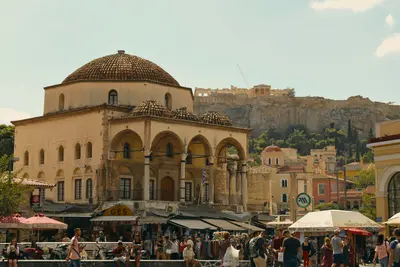
    Athens presents itself as a vibrant metropolis where ancient history and modern city life seamlessly intertwine. Here, you'll encounter the legacy of Western civilization, evident in countless monuments. The Acropolis, with its majestic Parthenon, is the city's undeniable heart and offers a profound glimpse into classical antiquity. Stroll through the charming streets of Plaka or the idyllic Anafiotika neighborhood to experience the authentic local flair. The National Archaeological Museum houses one of the world's most significant collections of ancient art and is essential for culture enthusiasts. For a breathtaking panoramic view of the entire city stretching to the coast, you should climb Lykabettus Hill. To avoid the largest crowds, it's advisable to visit the Acropolis right after opening in the early morning.
    Marathon

    Marathon

    Marathon is a place of immense historical significance, particularly known for the famous Battle of 490 BC, which shaped the fate of ancient Greece. Here you'll find the Archaeological Museum of Marathon, housing a rich collection of artifacts from the region, spanning from the prehistoric era to Roman times. A central and moving highlight is the Tymvos, the imposing burial mound of the Athenians who fell in the decisive battle against the Persians. The history of the marathon race, which has its roots in the tradition of a messenger after the victory, becomes tangible here. The area also offers the picturesque Marathon Lake with its impressive marble dam and the expansive Marathon Beach, inviting relaxation. For a deeper exploration of the historical sites, a visit in spring or autumn is recommended to avoid the crowds. Ideally, combine your visit with a trip to the Sanctuary of the Egyptian Gods in Brexiza for a comprehensive cultural experience.
    Sounion

    Sounion

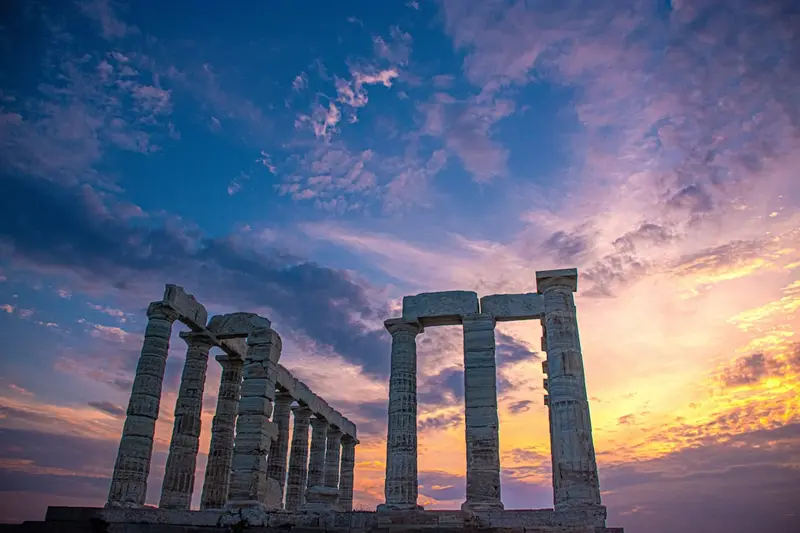
    On Attica's southernmost point, the majestic Temple of Poseidon thrones over the Aegean Sea, offering spectacular sunsets and ancient grandeur.

    Sights in Attica

    Discover the most important sights and attractions

    Korenhalle

    The Kore Hall in Attika represents a fascinating chapter of ancient Greek architecture. Here you will find impressive examples of the Koren, female figures that function as load-bearing columns – a masterpiece of sculpture and engineering. These unique sculptures, often depicted in delicate drapery, once symbolized the connection between divine grace and architectural stability. Their presence attests to the high artistic and technical skill of the builders of classical Greece. A closer look at the details reveals the meticulous execution that makes each Kore an individual work of art. Our Tip: Visit the hall early in the morning to capture the delicate details in the soft light and enjoy the tranquility of the place. For an undisturbed viewing experience, it is advisable to avoid peak visiting hours at midday.
    Open in Google Maps

    Akropolis

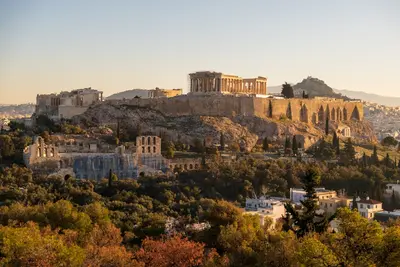
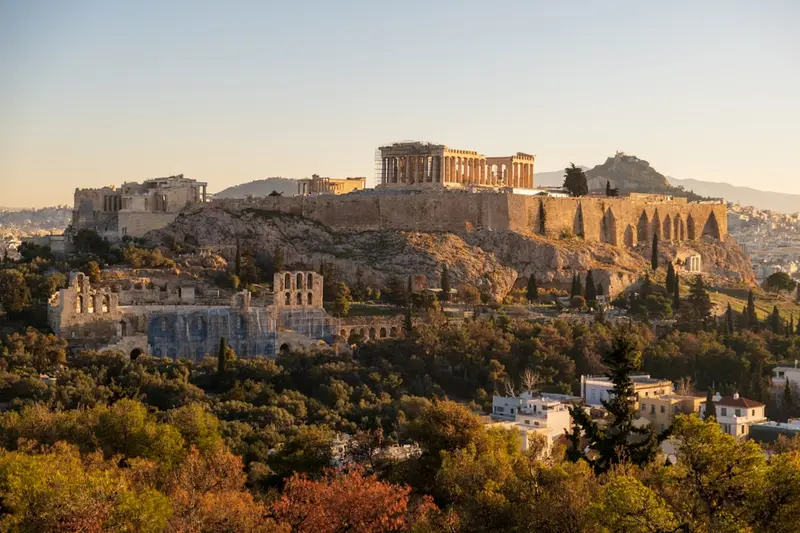
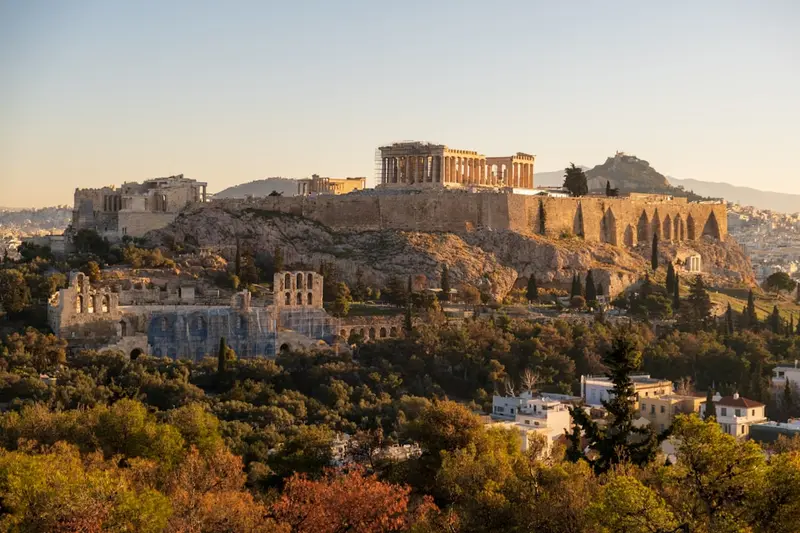
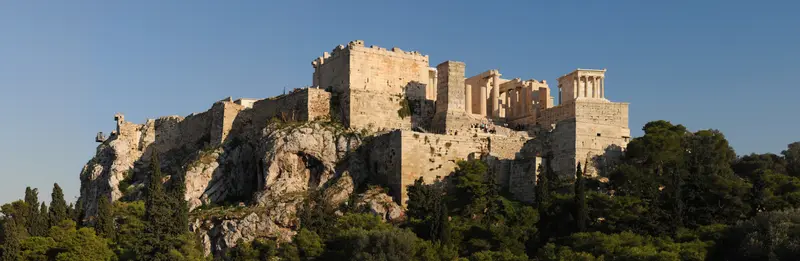
    The Acropolis in Athens is an outstanding testament to ancient Greek civilization, majestically towering over the city. Here you will find an array of architectural masterpieces, mainly built in the 5th century BC under Pericles. The most famous structure is the Parthenon, a Doric temple dedicated to the goddess Athena and considered the pinnacle of classical Greek architecture. Its precise proportions and subtle optical corrections remain impressive to this day.Besides the Parthenon, you will discover the Propylaea, the monumental gateway, as well as the Erechtheion with its famous Porch of the Maidens, whose Caryatids support the roof structure. These sites not only offer a deep insight into the religious practices and artistic achievements of antiquity but also an unparalleled panoramic view over Athens and the Aegean.To avoid the crowds and enjoy the morning atmosphere, it is advisable to visit the Acropolis right after opening in the early morning. Alternatively, late afternoon offers milder sun and often fewer visitors. For the best photo of the Parthenon at sunset, position yourself on Philopappos Hill, from where you have a spectacular perspective of the entire complex. Pay attention to sturdy footwear, as the paths and steps are often uneven.
    Open in Google Maps

    Parthenon

    The Parthenon, located on the Acropolis in Athens, is arguably the most famous structure of ancient Greece and a masterpiece of Doric architecture. It was dedicated to the goddess Athena Parthenos in the 5th century BC and symbolizes the pinnacle of classical Greek art and democracy. You will be impressed by the sheer size and precise proportions of this marble temple, even in its current state as a ruin with ongoing restoration work. Pay attention to the subtle optical corrections that give the structures an apparent perfection. Our tip: It's best to visit the Parthenon early in the morning right after opening or late in the afternoon to avoid the largest crowds and the midday heat. For a breathtaking perspective and photos without distracting elements, position yourself best from the Propylaea or from surrounding hills like Philopappos Hill.
    Open in Google Maps

    Tempel des Hephaistos

    The Temple of Hephaestus in the ancient Agora of Athens ranks among the best-preserved Greek temples. It was dedicated to Hephaestus, god of craftsmanship, and Athena Ergane, and built between 449 and 415 BC in the Doric style. Its impressive preservation offers you deep insight into classical architecture and the high art of the stonemasons of that time. You can study the detailed metopes and friezes, which depict mythological scenes, especially the deeds of Heracles and Theseus. Its location amidst the Agora, once a center of urban life and craftsmanship, underscores its historical significance. Our Tip: Come in the early morning to enjoy the tranquility and optimally photograph the fine details in the soft light. This way, you also avoid the largest crowds and the midday heat.
    Open in Google Maps

    Arios Pagous Hügel

    The Arios Pagos Hill, also known as the Areopagus, is a prominent rocky outcrop northwest of the Acropolis in Athens. Historically, this site held immense significance, as it was here that Athens' supreme court, the Areopagus, convened in antiquity. Its origins trace back to mythical times, when the god of war, Ares, was allegedly tried here for the murder of Poseidon's son. Later, the hill became the setting for one of the Apostle Paul's most famous speeches, where he addressed the Athenians in the 1st century AD, proclaiming the unknown god to them.Today, Arios Pagos offers you a unique perspective of the Acropolis, the Agora, and vast parts of the modern city. The smooth, worn marble steps leading to the summit bear witness to millennia of human presence. Once at the top, you'll find a rocky platform that invites you to linger and contemplate the historic surroundings. The view is particularly stunning in the early morning hours or late afternoon, when the light is softer and the tourist crowds are not yet as dense.Practical Tip: Wear sturdy footwear, as the marble surfaces can be very slippery, especially after rain. For unforgettable photos of the Acropolis at sunset, this is an ideal spot, but be prepared for many visitors. Try to visit the hill just before sunrise to enjoy the tranquility and the golden light over the city undisturbed.
    Open in Google Maps

    Dining & Drinks

    Attica's Cultural Heritage

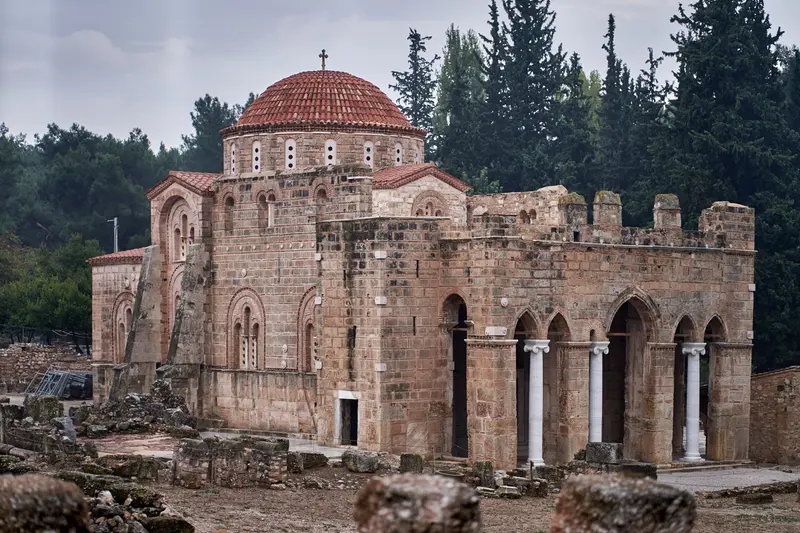
    Attica, the heart of ancient Greece, is a cradle of Western Civilization. Its history spans thousands of years, shaped by Athens, the birthplace of democracy, philosophy, and classical theater. Under figures like Pericles, the region experienced a Golden Age, producing architectural masterpieces and an intellectual flourishing whose influence is still felt today.Attica's architectural landscape is a layered tapestry of ancient ruins, Byzantine churches, and neoclassical buildings. The Acropolis with the Parthenon perfectly exemplifies the perfection of classical Greek architecture of the 5th century BC. Later eras left behind Roman Agora areas, Byzantine monasteries like Daphni, and the elegant structures of modern Athens, which often echo classical aesthetics.Culturally, Attica not only shaped antiquity but is also a center for contemporary art and humanities in Greece. Through archaeological sites, museums, and libraries, the region preserves the memory of its glorious past, seamlessly connecting it with the vibrant life of the present, where ancient myths and modern lifestyles converge.

    Locations nearby

    These places are nearby — perfect for additional days or a day trip.

    Athens

    Athens

    Athens presents itself as a vibrant metropolis where ancient history and modern city life seamlessly intertwine. Here, you'll encounter the legacy of Western civilization, evident in countless monuments. The Acropolis, with its majestic Parthenon, is the city's undeniable heart and offers a profound glimpse into classical antiquity. Stroll through the charming streets of Plaka or the idyllic Anafiotika neighborhood to experience the authentic local flair. The National Archaeological Museum houses one of the world's most significant collections of ancient art and is essential for culture enthusiasts. For a breathtaking panoramic view of the entire city stretching to the coast, you should climb Lykabettus Hill. To avoid the largest crowds, it's advisable to visit the Acropolis right after opening in the early morning.
    Marathon

    Marathon

    Marathon is a place of immense historical significance, particularly known for the famous Battle of 490 BC, which shaped the fate of ancient Greece. Here you'll find the Archaeological Museum of Marathon, housing a rich collection of artifacts from the region, spanning from the prehistoric era to Roman times. A central and moving highlight is the Tymvos, the imposing burial mound of the Athenians who fell in the decisive battle against the Persians. The history of the marathon race, which has its roots in the tradition of a messenger after the victory, becomes tangible here. The area also offers the picturesque Marathon Lake with its impressive marble dam and the expansive Marathon Beach, inviting relaxation. For a deeper exploration of the historical sites, a visit in spring or autumn is recommended to avoid the crowds. Ideally, combine your visit with a trip to the Sanctuary of the Egyptian Gods in Brexiza for a comprehensive cultural experience.
    Sounion

    Sounion

    On Attica's southernmost point, the majestic Temple of Poseidon thrones over the Aegean Sea, offering spectacular sunsets and ancient grandeur.
    Ancient Epidauros

    Ancient Epidauros

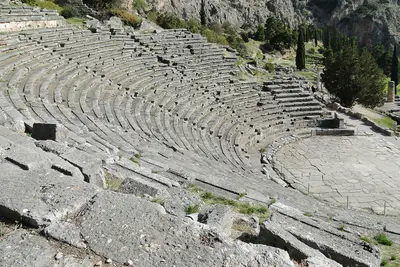
    Ancient Epidaurus on the Peloponnese was an important sanctuary of Asclepius, the god of healing, in antiquity. Here you will find the world-famous Theatre of Epidaurus, known for its exceptional acoustics; even in the highest rows, you can hear a coin drop on the stage. Besides the theatre, explore the Asklepieion with its ruins of temples, baths, and accommodations for the sick who sought healing here. The small on-site museum offers insight into the site's history and archaeological finds. To avoid the heat and the biggest tourist crowds, an early morning or late afternoon visit is recommended. Plan enough time to soak up the peaceful atmosphere of this historic place.
    Corinth

    Corinth

    Welcome to Corinth, a fascinating place where glorious antiquity meets impressive engineering! Here, you'll immerse yourself deep in history, follow in the footsteps of Saint Paul, and marvel at the strategic importance this city once held. Experience a vibrant blend of historic ruins, breathtaking views, and the modern marvel of the Corinth Canal that will captivate you.