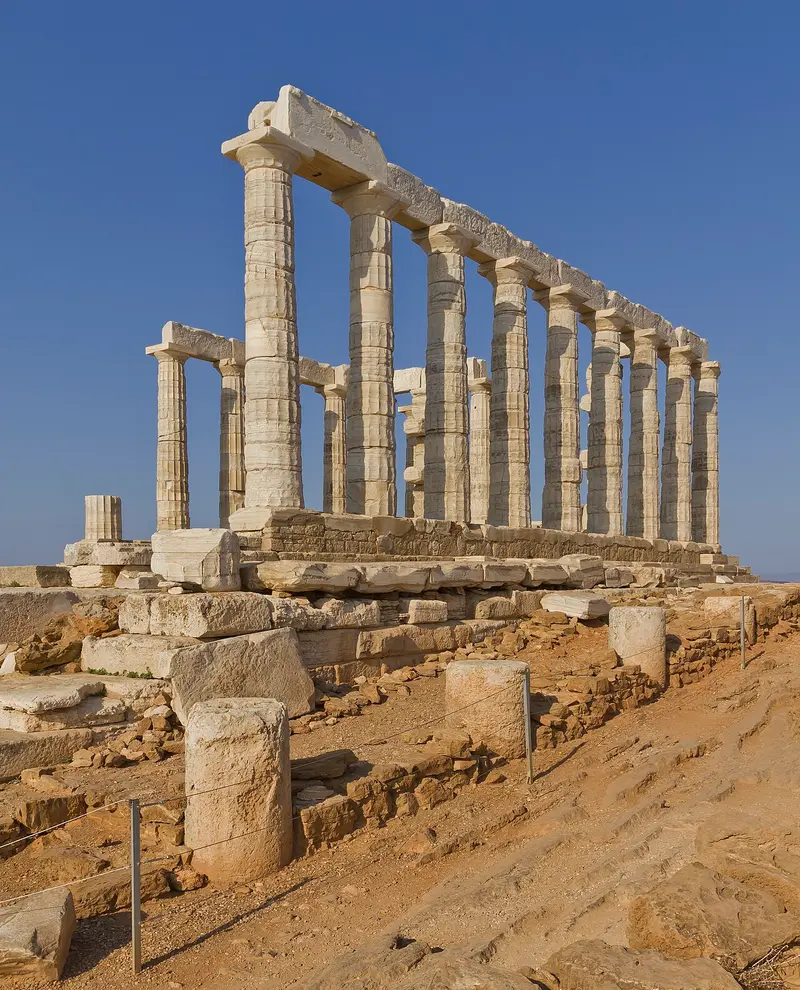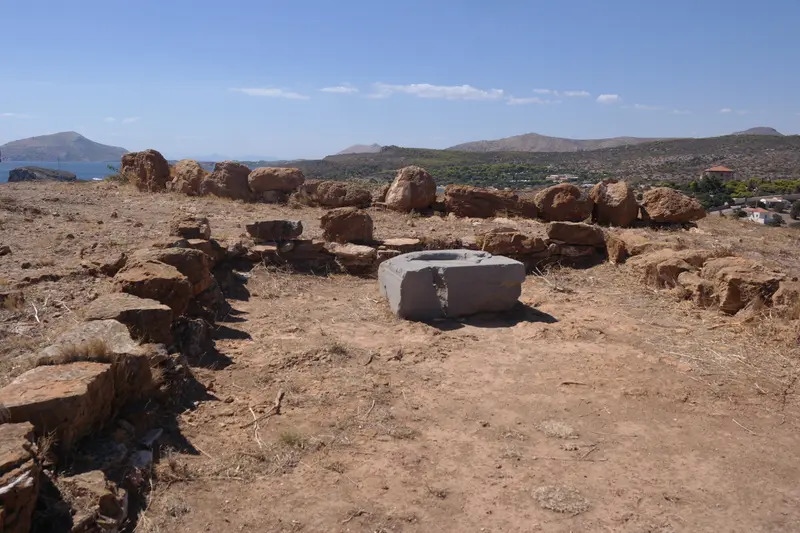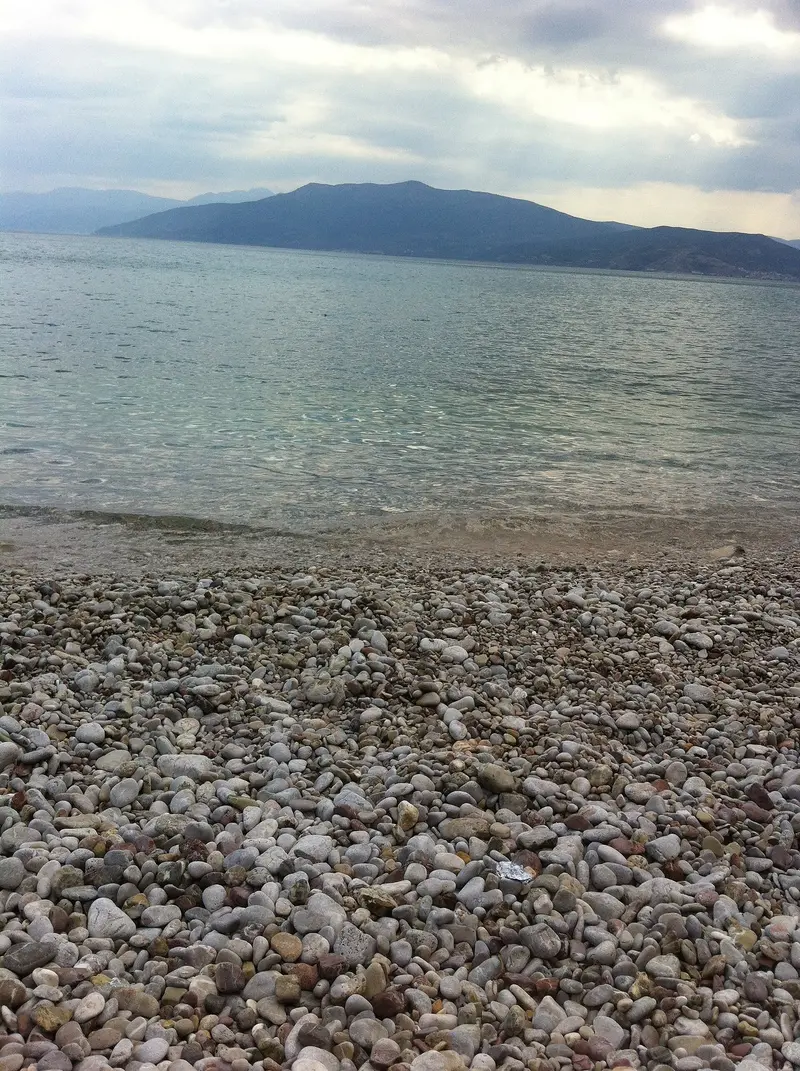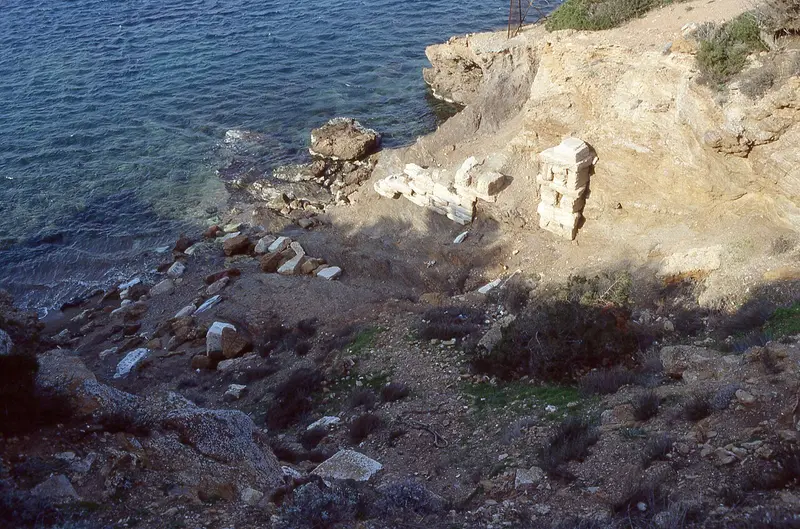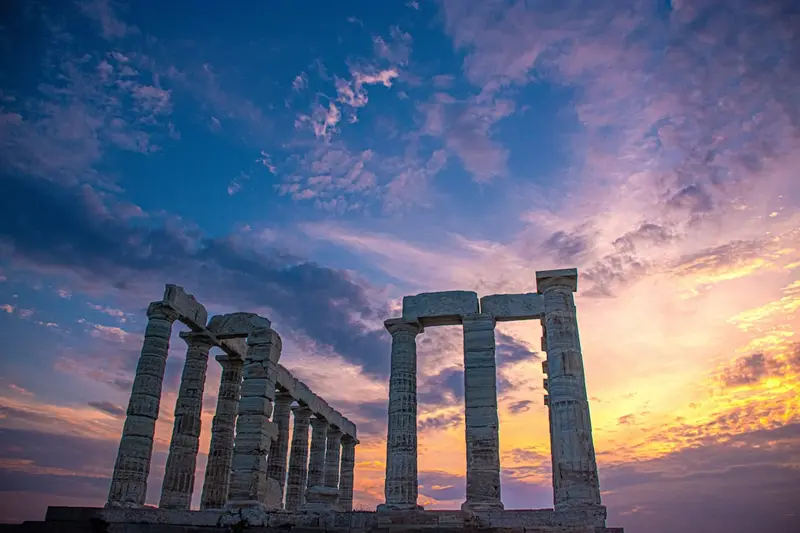
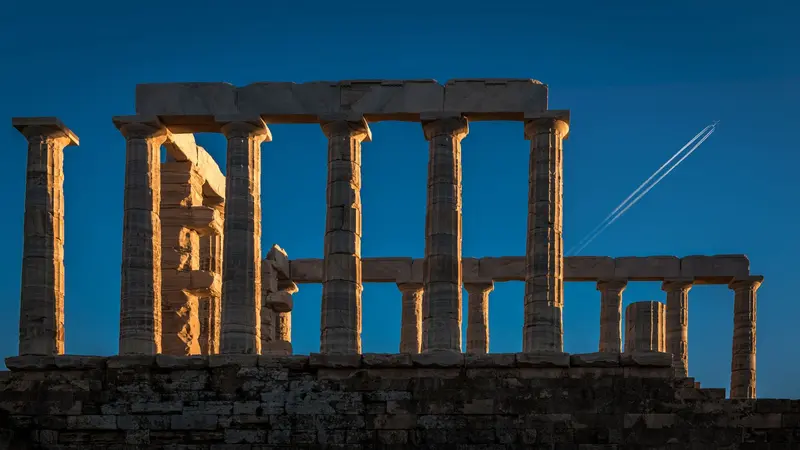
Sounion is known for the Temple of Poseidon, which majestically perches on a cliff at Attica's southernmost point. This ancient cult site, situated approximately 70 kilometers southeast of Athens, served sailors in antiquity as a prominent landmark and was dedicated to the sea god. Its preserved Doric columns attest to its former splendor and offer deep insight into classical Greek architecture of the 5th century BC. From here, you can enjoy a wide panoramic view over the Aegean, which creates an unforgettable backdrop, especially at sunset. For an optimal experience, a late afternoon visit is recommended to witness the golden hour and avoid the main tourist crowds. Access is convenient by bus from Athens or by rental car along the picturesque coastal road.
Places in Sounion
Discover the most important sights and attractions
Sights in Sounion
1Temple of Poseidon Viewpoint
The Temple of Poseidon in Sounion majestically crowns a rocky cape and is an impressive testament to ancient Greek architecture. Built in the 5th century BC and dedicated to the sea god Poseidon, it underscores its strategic location at Attica's southernmost point. From this vantage point, you'll enjoy an unparalleled panoramic view of the Aegean Sea and the temple's remaining Doric columns. The ruins tell a story of a time when Sounion was a vital maritime base for Athens. Especially in the late afternoon, as the sun dips into the sea, a spectacular display of colors unfolds. Our Tip: Arrive about an hour before sunset to capture the various lighting conditions and avoid the crowds that often gather just before the actual sunset. For the best photo of the temple with the sea in the background, position yourself slightly to the side of the main viewpoint.
Cape Sounion, the southernmost tip of Attica, is historically significant for the Temple of Poseidon, which majestically crowns a cliff here. This Doric temple from the 5th century BC was dedicated to the god of the sea and served sailors as an important landmark. Here you'll find the impressive ruins of the temple, with several columns still standing. The architectural design testifies to the high art of classical Greek architecture. From this elevated point, you'll enjoy a spectacular panoramic view over the Aegean Sea, which unfolds especially at sunset. It is also the place where Lord Byron carved his name into one of the columns. To avoid the crowds and fully experience the tranquility of the place, an early morning visit is recommended. For undisturbed photos of the temple with the sea in the background, position yourself slightly below the main platform.
The Temple of Poseidon in Sounion majestically crowns a rocky cape and is an impressive testament to ancient Greek architecture. Built in the 5th century BC and dedicated to the sea god Poseidon, it underscores its strategic location at Attica's southernmost point. From this vantage point, you'll enjoy an unparalleled panoramic view of the Aegean Sea and the temple's remaining Doric columns. The ruins tell a story of a time when Sounion was a vital maritime base for Athens. Especially in the late afternoon, as the sun dips into the sea, a spectacular display of colors unfolds. Our Tip: Arrive about an hour before sunset to capture the various lighting conditions and avoid the crowds that often gather just before the actual sunset. For the best photo of the temple with the sea in the background, position yourself slightly to the side of the main viewpoint.
Sounion is primarily known for the Temple of Poseidon, a central sanctuary of ancient Athens dedicated to the god of the sea. Its history dates back to the Archaic period, when an older temple already stood here. The current Doric temple was built around 444–440 BC, during the flourishing era of Pericles, following the destruction of the previous structure by the Persians. It served as an important landmark for sailors and a military stronghold to control the sea route to Athens.The temple's architecture is an outstanding example of the classical Doric style, characterized by its slender, Ionic-like columns of white marble, which emphasize its exposed position on the cliff. Originally, the temple comprised 34 columns, 15 of which still stand upright today. Its orientation allowed for views of both the sunrise over the Aegean and the sunset, underscoring its sacred significance. Sounion's strategic position at the southernmost point of Attica testifies to the Athenians' close connection to seafaring and their dependence on the sea.Beyond its religious and military function, Sounion was also appreciated by poets and artists. Lord Byron immortalized his name on one of the columns, attesting to the site's enduring fascination for the 19th-century cultural elite. The myth of King Aegeus, who plunged into the sea here, gives the Aegean its name and underscores Sounion's deep roots in Greek mythology and identity.
Exploring Locally
Die Anreise nach Sounion erfolgt primär über die landschaftlich reizvolle Küstenstraße. Während Sounion selbst weder über eine Metro noch eine Tram verfügt, ist die beliebteste und kostengünstigste Option von Athen aus der Überlandbus von KTEL Attikis, der mehrmals täglich von zentralen Punkten in Athen abfährt.Tickets können oft direkt im Bus erworben werden; eine Mehrfahrtenkarte ist für diese Strecke in der Regel nicht relevant. Für Flexibilität bieten sich Taxis und private Transferdienste an, die insbesondere für Gruppen oder Reisende mit spezifischen Zeitplänen praktisch sind, wobei Ride-Sharing-Dienste außerhalb Athens weniger verbreitet sind.Vor Ort ist das Gebiet rund um den Poseidon-Tempel hervorragend zu Fuß zu erkunden, was die spektakuläre Aussicht am besten zur Geltung bringt. Fahrräder oder E-Scooter sind für die Erkundung der direkten Umgebung eine Möglichkeit, jedoch für die Anreise aus Athen unpraktisch. Ein praktischer Tipp ist, die Busfahrpläne für die Rückfahrt im Voraus zu prüfen, besonders in der Nebensaison, um Wartezeiten zu vermeiden.
These places are nearby — perfect for additional days or a day trip.
Athens
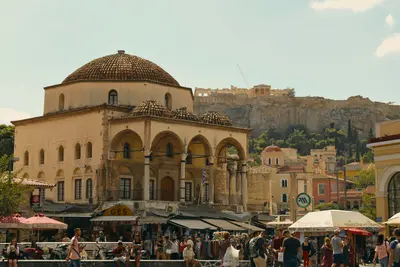
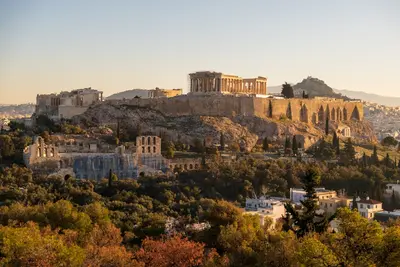
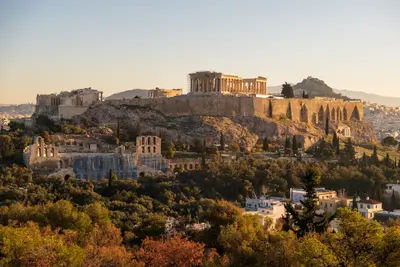
Athens presents itself as a vibrant metropolis where ancient history and modern city life seamlessly intertwine. Here, you'll encounter the legacy of Western civilization, evident in countless monuments. The Acropolis, with its majestic Parthenon, is the city's undeniable heart and offers a profound glimpse into classical antiquity. Stroll through the charming streets of Plaka or the idyllic Anafiotika neighborhood to experience the authentic local flair. The National Archaeological Museum houses one of the world's most significant collections of ancient art and is essential for culture enthusiasts. For a breathtaking panoramic view of the entire city stretching to the coast, you should climb Lykabettus Hill. To avoid the largest crowds, it's advisable to visit the Acropolis right after opening in the early morning.
Attica
Attica, the vibrant heart of ancient Greece, a cradle of civilization and home to its capital, Athens. It fascinates with its unique mix of iconic archaeological sites, scenic coasts, and vibrant modern culture. From historic marvels to its tranquil Aegean coast, Attica offers unforgettable experiences.
Marathon
Marathon is a place of immense historical significance, particularly known for the famous Battle of 490 BC, which shaped the fate of ancient Greece. Here you'll find the Archaeological Museum of Marathon, housing a rich collection of artifacts from the region, spanning from the prehistoric era to Roman times. A central and moving highlight is the Tymvos, the imposing burial mound of the Athenians who fell in the decisive battle against the Persians. The history of the marathon race, which has its roots in the tradition of a messenger after the victory, becomes tangible here. The area also offers the picturesque Marathon Lake with its impressive marble dam and the expansive Marathon Beach, inviting relaxation. For a deeper exploration of the historical sites, a visit in spring or autumn is recommended to avoid the crowds. Ideally, combine your visit with a trip to the Sanctuary of the Egyptian Gods in Brexiza for a comprehensive cultural experience.
Ancient Epidauros
Ancient Epidaurus on the Peloponnese was an important sanctuary of Asclepius, the god of healing, in antiquity. Here you will find the world-famous Theatre of Epidaurus, known for its exceptional acoustics; even in the highest rows, you can hear a coin drop on the stage. Besides the theatre, explore the Asklepieion with its ruins of temples, baths, and accommodations for the sick who sought healing here. The small on-site museum offers insight into the site's history and archaeological finds. To avoid the heat and the biggest tourist crowds, an early morning or late afternoon visit is recommended. Plan enough time to soak up the peaceful atmosphere of this historic place.
Syros
Syros stands out as one of the most elegant Cycladic islands, with its capital Ermoupoli boasting impressive neoclassical architecture. The city, once a significant commercial hub, impresses with its magnificent Town Hall on Miaouli Square and the historic Apollo Theater, a miniature version of Milan's La Scala. Above it lies the medieval Ano Syros, a labyrinthine, Catholic quarter that, with its narrow streets and the Cathedral of Saint George, forms a fascinating contrast. Syros is also the birthplace of Rebetiko, represented by Markos Vamvakaris, and cultivates a vibrant music culture. For a more relaxed experience, a visit in late spring or early autumn is recommended to enjoy the island and its beaches, such as Galissas or Kini, without the summer crowds. The island offers an authentic blend of cosmopolitan flair and traditional island life.