Fernweh
    ExploreTravel GuidesMy Trips
    de|en
    About FernwehImprintFAQPrivacy Policy
    ExploreTravel GuidesMy Trips
    Asti

    Asti

    CityCulture
    1. Home
    2. Destinations
    3. Italy
    4. Piedmont
    5. Asti
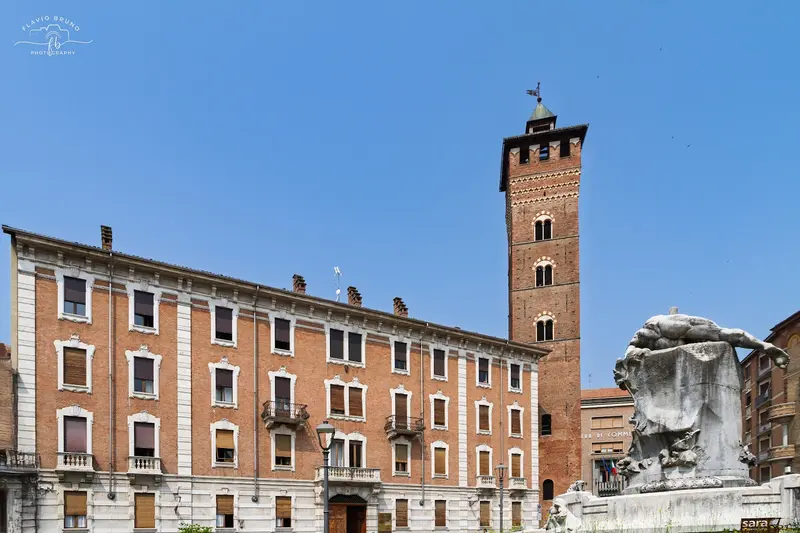
    Asti, a historic city in the heart of Piedmont, is renowned for its wines and medieval charm. Here you'll discover a rich heritage of towers and palaces, reflecting its past significance as a free commune. The impressive **Cattedrale di Santa Maria Assunta** and the striking *Torre Troyana* on **Piazza Alfieri** are among its architectural highlights. Every September, the *Palio di Asti*, a traditional horse race, invigorates the city and attracts visitors. Beyond historical exploration, Asti offers excellent opportunities for wine tasting, especially the regional Asti Spumante and Moscato d'Asti. For an authentic experience, visiting local markets is recommended to sample regional specialties like truffles and hazelnuts. The best time to visit is autumn, when the grape harvest takes place and the landscape's colors are particularly vibrant.
    • Neighborhoods & highlights
    • Walking tours
    • Eat & drink
    • Culture
    • Getting around
    • Accommodation
    • Plan trip
    • Nearby
    • Neighborhoods & highlights
    • Walking tours
    • Eat & drink
    • Culture
    • Getting around
    • Accommodation
    • Plan trip
    • Nearby

    Overview

    Asti, a historic city in the heart of Piedmont, is a hub for viticulture and preserves a rich medieval heritage. Here you will discover numerous towers and palaces, testaments to its former significance as a free commune. The impressive Cattedrale di Santa Maria Assunta and the striking Torre Troyana on Piazza Alfieri are architectural highlights. Every September, the Palio di Asti, a traditional horse race, attracts visitors. For wine lovers, Asti offers excellent opportunities to taste the regional Asti Spumante and Moscato d'Asti. The local markets are ideal for sampling specialties like truffles and hazelnuts. Ideally, plan your visit in autumn, when the grape harvest takes place and the landscape is particularly charming.

    Places in Asti

    Discover the most important sights and attractions
    Sights in Asti

    Palazzo Malabayla

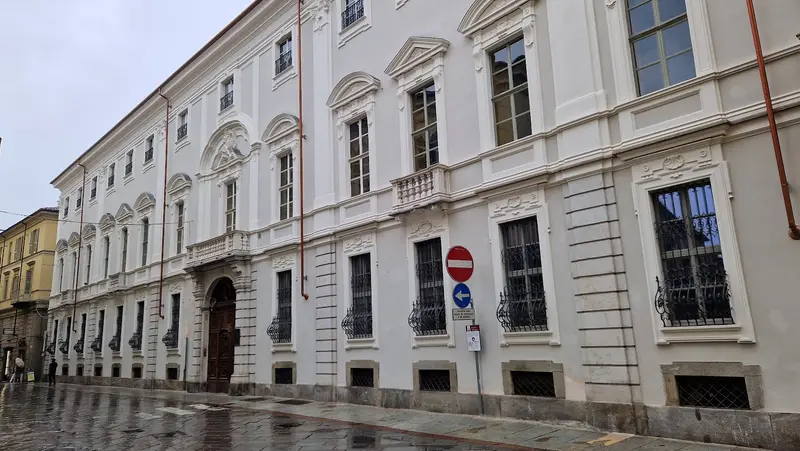
    The Palazzo Malabayla, an impressive testament to Asti's noble history, is located in the heart of the city. It was once the residence of the influential Malabayla family, who played a significant role in Asti's political and economic development over centuries. The palace's origins date back to the Middle Ages, but its current appearance is largely due to renovations from the 17th and 18th centuries, which gave it an elegant Baroque facade.As you observe the palace, you will recognize the architectural finesse reflected in the details of its window frames and imposing portal. Although most of the palace is privately used, you can appreciate the majestic presence of this historic building from the outside. The Palazzo Malabayla is an excellent example of the magnificent city palaces that once adorned Asti and bore witness to the wealth of its merchant families.Our Tip: For the best perspective of the Palazzo Malabayla's facade, a walk through Via Malabayla is recommended. Pay attention to the delicate stucco work and the symmetry of the window rows. A morning visit often provides the best light for photos, as the sun optimally illuminates the facade's details. You can truly feel Asti's history here.
    Open in Google Maps

    Kathedrale Santa Maria Assunta

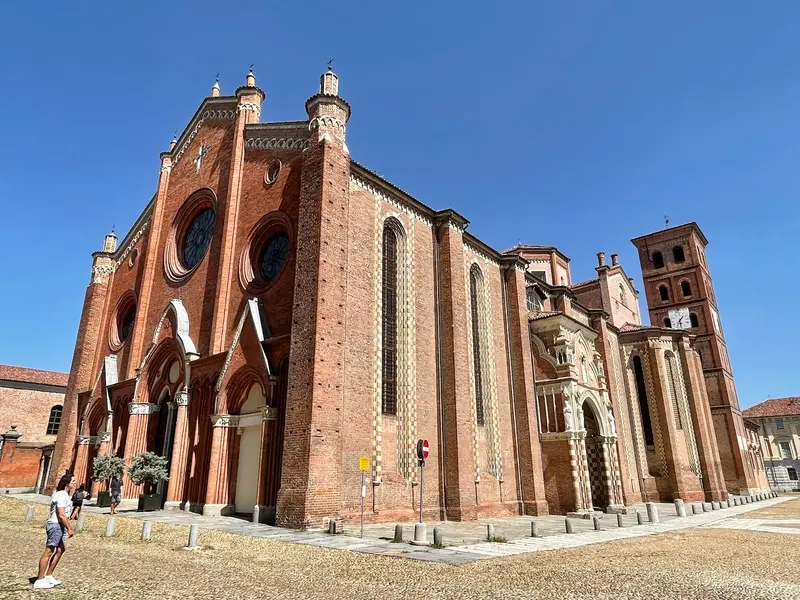
    The Cathedral of Santa Maria Assunta in Asti is an outstanding example of Gothic architecture in Piedmont and one of the largest churches in the region. Its history dates back to the 5th century, with the current structure largely from the 13th and 14th centuries, built upon the foundations of a Romanesque predecessor church. You will be impressed by the imposing size and simple elegance of the three-aisled basilica. Inside, splendid frescoes from various eras await you, including 18th-century works adorning the vaults, and a crypt preserving older structural elements. Pay attention to the ornate capitals and the colorful stained-glass windows that filter the light in a unique way. Our Tip: It's best to visit the Cathedral on a weekday morning to fully appreciate the tranquility and architectural details undisturbed. For a good exterior shot, position yourself on Piazza Cattedrale to capture the entire facade.
    Open in Google Maps

    Museo Diocesano San Giovanni

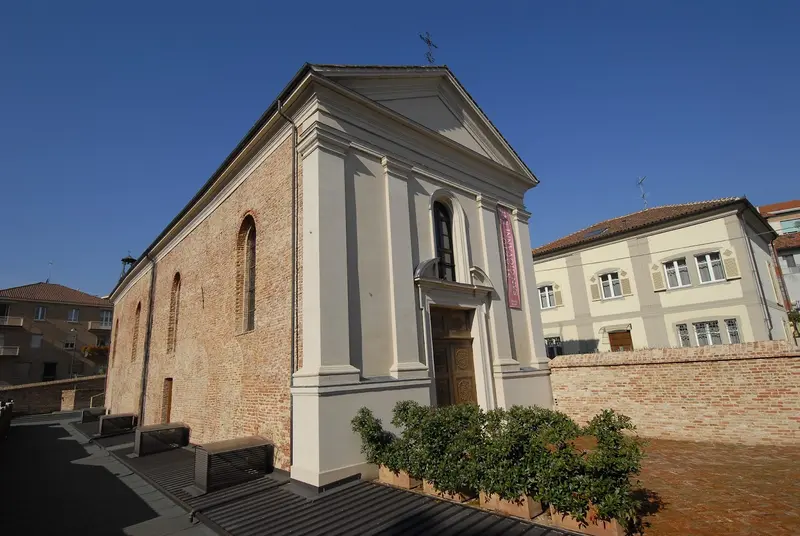
    The Museo Diocesano San Giovanni in Asti is located in the historic premises of the former Church of San Giovanni, directly next to the Cathedral. This location underscores its central role in the city's religious history. Here you'll discover a comprehensive collection of sacred art and artifacts that trace the development of the Diocese of Asti from the Middle Ages to modern times. The exhibition includes valuable paintings, sculptures, liturgical objects and vestments, often originating from the region's churches. A special highlight is the well-preserved 10th-century crypt, located beneath the church and offering fascinating insights into early Christian and Romanesque architecture. Here you can literally feel the layers of history beneath your feet. Our Tip: Take your time to appreciate the details of the goldsmith work and the finely crafted embroideries of the paraments. To fully appreciate the tranquility of the exhibits, it's best to visit the museum on weekday mornings to avoid the largest crowds.
    Open in Google Maps

    Palazzo Mazzetti - Pinacoteca Civica

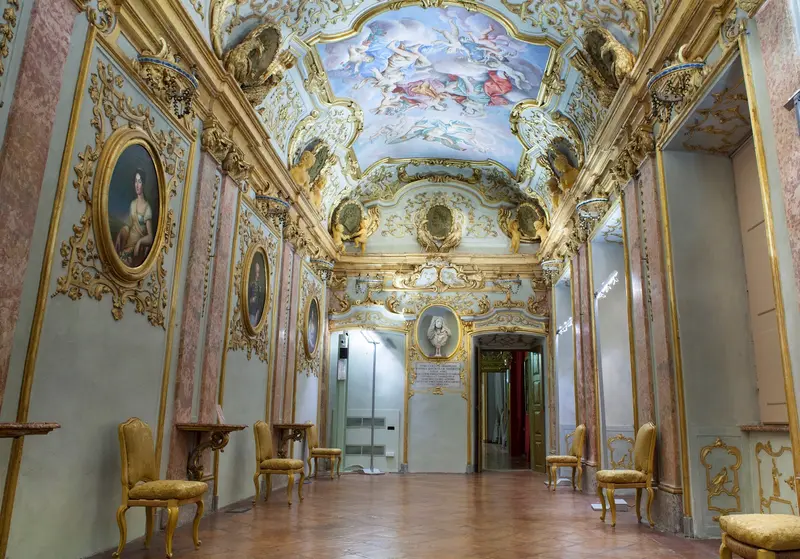
    The Palazzo Mazzetti in Asti is a significant example of Piedmontese Baroque architecture and today houses the Pinacoteca Civica, the municipal art gallery. Originally built in the 18th century for the noble Mazzetti family, the palace features an impressive facade and richly decorated interiors. Here you experience the original splendor of an aristocratic residence, captivating with its frescoes and stucco work. The art collection spans works from the Middle Ages to the 20th century, with a focus on artists from Asti and Piedmont. You will find paintings, sculptures, and graphic works here, offering a comprehensive insight into regional art history. The works by local masters deserve special attention. As you tour the various halls, you'll discover not only the artworks but also the preserved historic rooms of the palace itself, often with original furnishings or decorations. This creates an immersive experience that connects art and architecture. Our Tip: For a more peaceful visit, it is advisable to visit the Palazzo on a weekday morning. Pay particular attention to the details of the ceiling frescoes in the main halls; they are often as impressive as the exhibited artworks and offer excellent photo opportunities.
    Open in Google Maps

    Palazzo Ottolenghi

    The Palazzo Ottolenghi in Asti is an outstanding example of Piedmontese Baroque architecture. It was designed and built between 1751 and 1754 by the renowned architect Benedetto Alfieri for the noble Ottolenghi family. You'll see an elegant facade that harmoniously blends into the cityscape. Particularly noteworthy are the courtyard, which offers a tranquil atmosphere, and the imposing grand staircase inside, which is typical of Alfieri's style and reflects the family's prosperity. Today, the Palazzo houses the Istituto Statale di Istruzione Superiore 'Quintino Sella', a school. This means that access to the interior spaces is often restricted to certain areas or times, especially during school hours. The architecture is an important testament to Baroque building art in Piedmont. For an unobstructed view of the facade and courtyard, a visit outside school hours is recommended, ideally on weekends or in the early morning. A good photo spot to capture the entire width of the facade is from the opposite side of the street.
    Open in Google Maps

    City walks in Asti

    Curated walking tours through the city's highlights — handpicked by experienced travel journalists.

    Asti für Entdecker: Türme, Trüffel & Wein

    Tauchen Sie ein in das historische Herz von Asti, bekannt für seine beeindruckenden mittelalterlichen Türme, die exquisite Gastronomie und natürlich den berühmten Wein. Dieser 2-stündige Rundgang führt Sie durch charmante Gassen zu prächtigen Plätzen und Kathedralen, die die reiche Geschichte dieser piemontesischen Stadt erzählen.

    ~2 Std.
    In Google Maps öffnen
    Stopps (7)

    Dining & Drinks

    Asti: History, Art and Culture

    Asti, once the Roman settlement **Hasta Pompeia**, evolved in the Middle Ages into one of Italy's most significant free communes and a flourishing center for trade and banking. The city was shaped by powerful noble families, whose influence manifested in the numerous defensive towers that once earned Asti the nickname “City of a Hundred Towers.” Even today, the majestic **Cattedrale di Santa Maria Assunta** and the Collegiata di San Secondo bear witness to the Gothic splendor of this era.Asti's rich history lives on in the annual **Palio di Asti**, one of Italy's oldest horse races, which imbues medieval traditions with festive life. This deep historical rootedness is complemented by a world-renowned wine culture, which has made Asti a prominent name in the Piemont region.

    Unterwegs vor Ort

    Asti, with its compact old town, is perfectly explored on foot, which makes discovering its historic alleys and sights particularly pleasant. There is no subway or tram network in this Piedmontese city; the most important public transport option is the city buses, which connect the various districts. Bus tickets can be purchased at tobacco shops (known as "Tabaccherie") or directly at the central bus station; for longer stays, multi-journey tickets or day passes could be a practical and cost-effective option.For longer distances or excursions into the surrounding area, taxis are available, which can be found at designated stands, such as at the train station or Piazza Alfieri, or ordered by phone. Ride-sharing services are currently less common in Asti. For flexible exploration of the picturesque surroundings and vineyards, a rental car is recommended. Within the city, some shops also offer bicycle and e-scooter rentals, ideal for shorter distances or a leisurely tour of the area.

    Accommodations in Asti

    Accommodations in Asti

    Find perfect stay in Asti

    Booking.com
    Search Hotels
    Agoda
    Search Hotels
    Airbnb
    Vacation Rentals
    Hotels.com
    Hotels Worldwide
    Hostelworld
    Hostels

    Campgrounds in Asti

    Find perfect campground in Asti

    Search via Google Maps
    Campgrounds nearby (15km)
    Camping.info
    Find Campgrounds
    Park4Night
    RV Parks & Camping

    Plan your trip to Asti

    Save places, build a route and plan your city trip — all in one place.

    Save places

    Bookmark sights, restaurants and neighborhoods you're interested in.

    Build your route

    Turn your bookmarks into a route — define order, days and budget.

    Refine with AI

    Let Mein Fernweh suggest experiences and put together a tailored daily plan.

    Start trip planningOpen bookmarks

    Locations nearby

    These places are nearby — perfect for additional days or a day trip.

    Langhe-Roero and Monferrato

    Langhe-Roero and Monferrato

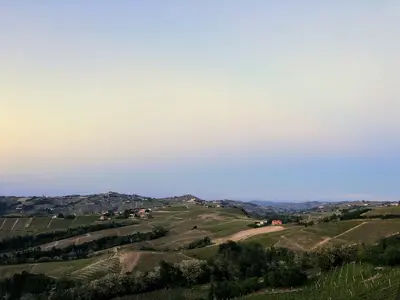
    This UNESCO World Heritage site is the heart of Piedmont's wine culture, famous for Barolo, Barbaresco and its hilly landscapes full of vineyards and truffles.
    Piedmont

    Piedmont

    Piedmont, located in northwestern Italy, captivates with its breathtaking Alpine scenery, world-renowned wines, and a rich culture ranging from royal splendor to the Slow Food movement. It is a paradise for gourmets, hikers, and culture enthusiasts, enchanting with its historic cities, picturesque vineyards, and pristine natural landscapes.
    Turin

    Turin

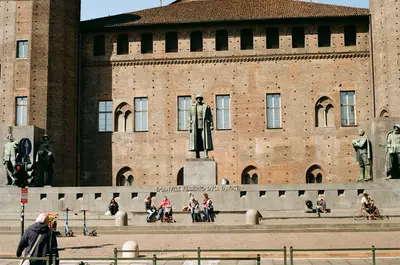
    Turin, the first capital of unified Italy, presents itself with a royal flair and elegant Baroque architecture. The city invites you to stroll through its miles of arcaded streets and houses significant cultural sites. Visit the Mole Antonelliana with its Cinema Museum and the world-renowned Egyptian Museum. At Piazza Castello, the Palazzo Reale and Palazzo Madama tell the story of the House of Savoy. Explore the charming Quadrilatero Romano and relax in Parco del Valentino by the Po. Try the traditional Bicerin and experience the lively aperitivo culture. The ideal months for travel are May, June, September, and October.
    Genoa

    Genoa

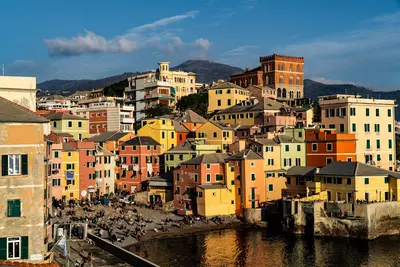
    As the capital of Liguria and Italy's largest port city, Genoa impresses with an expansive, UNESCO World Heritage-listed historic center, rich in magnificent palaces, narrow alleys (Caruggi), and maritime history.
    Pavia

    Pavia

    As the former capital of the Lombard Kingdom and home to one of Europe's oldest universities, Pavia captivates with its historical architecture and the nearby Certosa.