Fernweh: Home
    ExploreTravel GuidesPlan a tripMy tripLast visited
    de|en
    All Places & RegionsAll highlightsAbout FernwehFAQPrivacy PolicyImprint
    ExploreTravel GuidesPlan a tripMy tripLast visited
    • Overview
    • Places in the region
    • Food culture
    • Culture
    • Getting around
    • Round trips
    • Nearby
    Piedmont

    Italy

    Piedmont

    Region

    Piedmont is located in northwest Italy, bordering France and Switzerland. It is surrounded on three sides by the Alps, where the Po River originates; between them lie the wine hills of Langhe, Roero, and Monferrato.

    by Felix Gillen

    1. Home
    2. Destinations
    3. Italy
    4. Piedmont
    Piedmont is located in northwest Italy, bordering France and Switzerland. It is surrounded on three sides by the Alps, where the Po River originates; between them lie the wine hills of Langhe, Roero, and Monferrato. Its capital is Turin, the former residence of the House of Savoy and first capital of unified Italy.
    The region can be broadly divided into four landscapes: Turin and its surroundings with the Savoy Residences, the hills to the south and east with Alba, Asti, and the wine towns around Barolo, the lakes in the northeast with Lago Maggiore and Lake Orta, and the Alpine valleys with Gran Paradiso National Park. For the wine villages and mountain valleys, a car is practical. Alba is known for its white truffles.
    Stresa

    Place 1 of 4

    Stresa

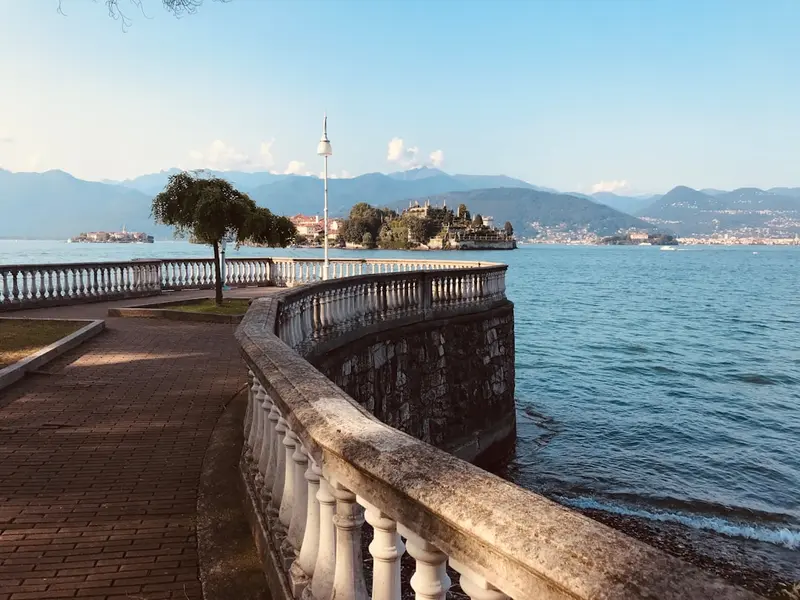
    Stresa is located on the western shore of Lake Maggiore, on the Borromean Gulf opposite the Borromean Islands. The town has just under 4700 inhabitants, and three of the islands (Isola Bella, Isola Madre, and Isola dei Pescatori) belong to the municipality.

    Discover
    Asti

    Place 2 of 4

    Asti

    Asti is located in the Tanaro plain, between the Monferrato and Langhe hills, about 55 kilometers east of Turin. The city was one of Italy's first free communes in the Middle Ages; family towers, Gothic churches, and palaces bear witness to this.

    Discover
    Langhe-Roero and Monferrato

    Place 3 of 4

    Langhe-Roero and Monferrato

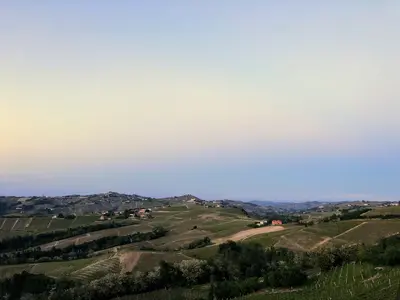
    Langhe, Roero and Monferrato are the hilly landscapes in the south of Piedmont, nestled between the Po and the Ligurian Apennines. On their slopes, vines for Barolo, Barbaresco, Barbera and Asti Spumante grow; Alba is known for its white truffles.

    Discover
    Gran Paradiso National Park (Piedmontese Part)

    Place 4 of 4

    Gran Paradiso National Park (Piedmontese Part)

    Gran Paradiso is Italy's oldest National Park, founded on December 3, 1922, on the territory of a former royal hunting reserve, for the protection of alpine flora and fauna. It lies on both sides of the border between Piedmont and Aosta Valley.

    Discover

    More places in Piedmont

    Turin

    Turin

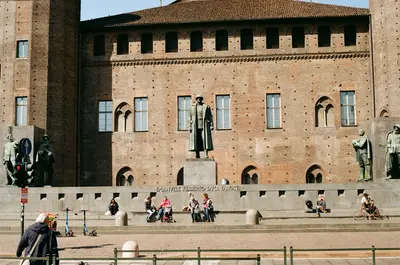
    Turin is the capital of Piedmont and lies on the Po. Duke Emanuele Filiberto made the city the capital of Savoy in 1563; from 1861 to 1865 it was the first capital of unified Italy. Baroque squares and around 18 kilometers of arcades characterize the center; in the 20th century, Turin became a car city as the seat of Fiat.

    Sights in Piedmont

    Discover the most important sights and attractions

    Reggia di Venaria Reale
    Museum

    Reggia di Venaria Reale

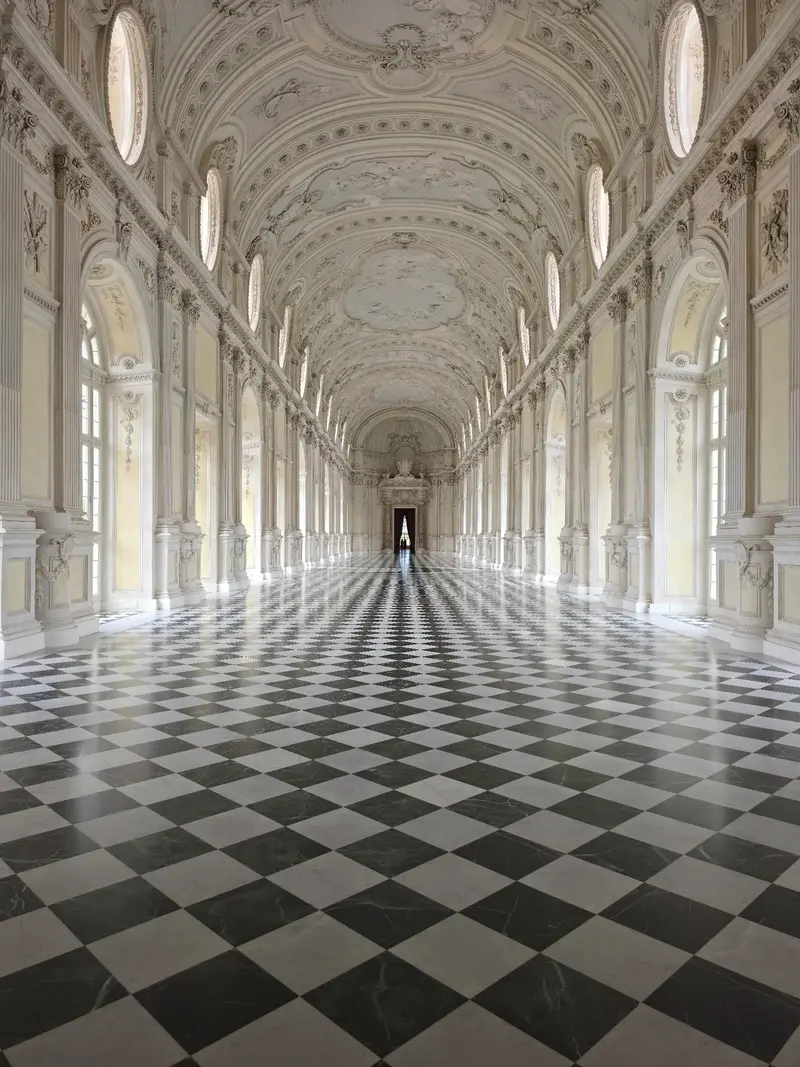
    Baroque hunting lodge of the House of Savoy in the hills north of Turin, built from 1659 and reopened in 2007 after restoration. Highlights include the Galleria Grande with 44 arched windows, the Sant'Uberto Chapel designed by Filippo Juvarra, and an extensive, newly landscaped park. The palace is part of the UNESCO World Heritage with the other Residences of the House of Savoy.
    Open in Google Maps
    Isola San Giulio (Lake Orta)
    Church

    Isola San Giulio (Lake Orta)

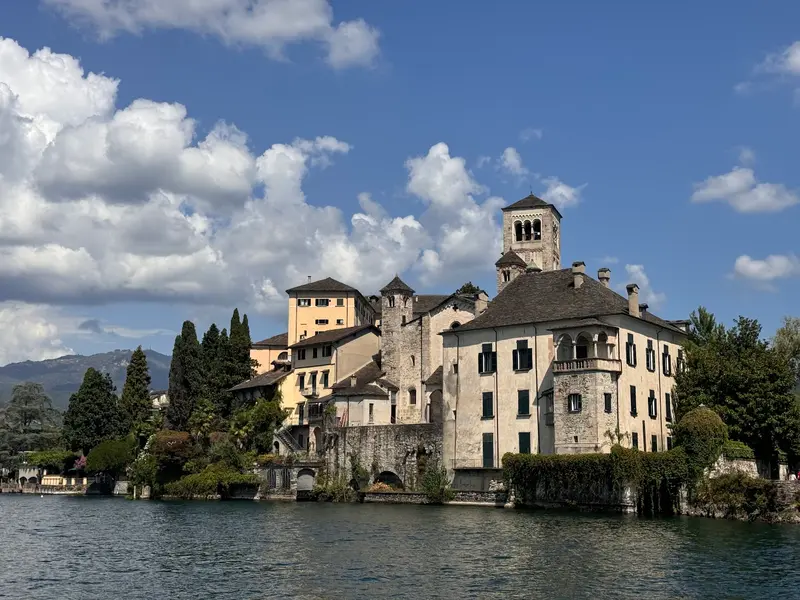
    The only island in Lake Orta lies just west of Orta San Giulio. It features the 12th-century Romanesque Basilica San Giulio and a Benedictine monastery, the Abbey Mater Ecclesiae. A footpath encircles the island.
    Open in Google Maps
    Sacro Monte di Varallo
    Place of Worship

    Sacro Monte di Varallo

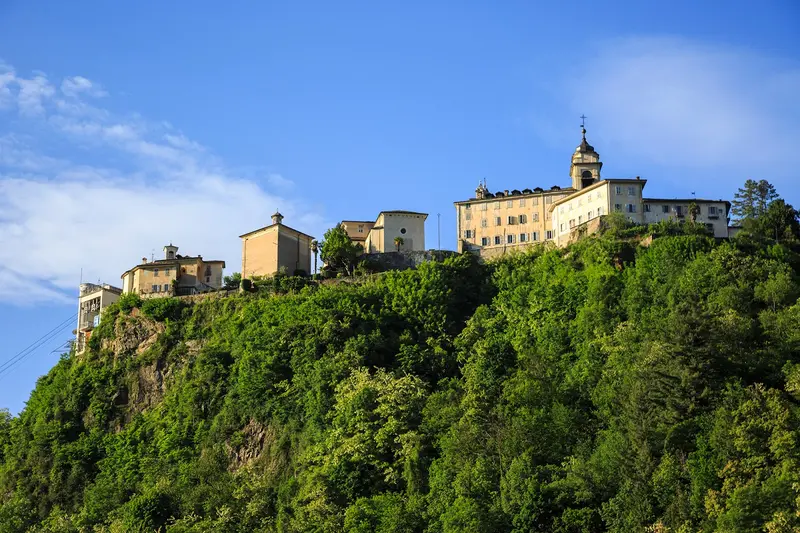
    The oldest of the Sacri Monti in Piedmont and Lombardy, collectively a UNESCO World Heritage site. Founded in 1491 by the Franciscan Bernardino Caimi, 45 chapels emerged on the hill above Varallo, housing over 800 life-sized painted figures and frescoes depicting scenes from the life of Christ.
    Open in Google Maps
    Forte di Fenestrelle
    Historic Landmark

    Forte di Fenestrelle

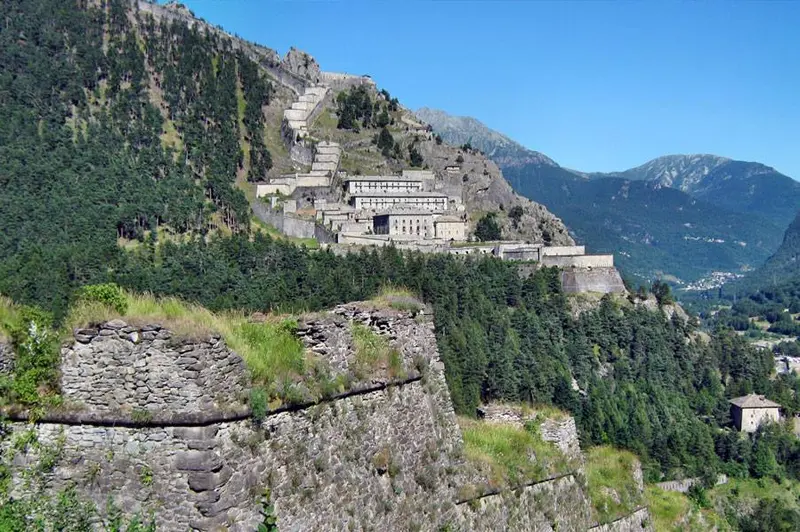
    Fortress complex in the Chisone Valley, commissioned by the House of Savoy from 1728 according to plans by Ignazio Bertola; it was only completed in 1850. The forts are connected by a wall about three kilometers long, and a covered staircase inside has 3996 steps.
    Open in Google Maps
    Palazzina di Caccia di Stupinigi
    Museum

    Palazzina di Caccia di Stupinigi

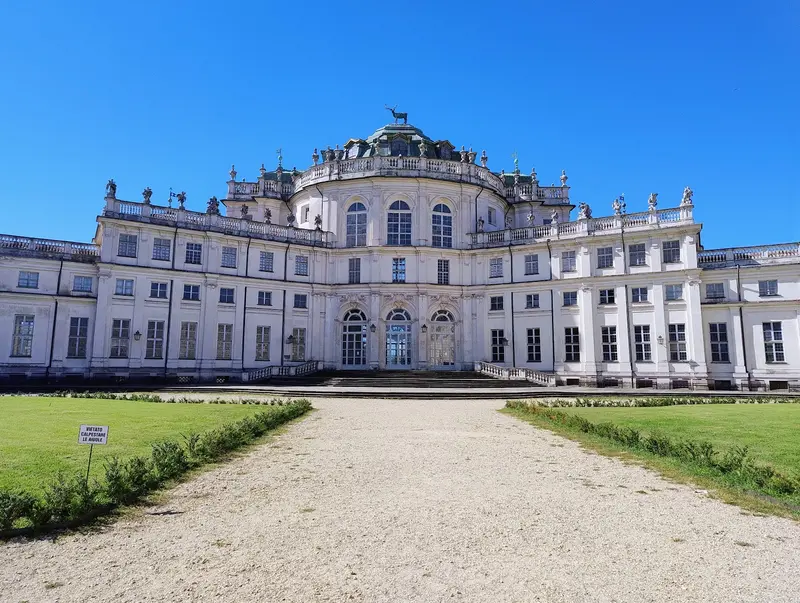
    Savoy hunting lodge, ten kilometers southwest of Turin, built from 1729 by Filippo Juvarra for Victor Amadeus II. The building centers on an oval, domed central hall, topped by a bronze stag (now a copy; the 1766 original is displayed inside). The rooms feature Rococo furnishings and 18th-century Piedmontese furniture.
    Open in Google Maps

    Dining & Drinking

    Piedmontese cuisine is considered one of Italy's richest, rich in meat, butter, cheese, and stuffed pasta.

    Vitello tonnato

    Thinly sliced cold veal with tuna sauce, a classic of Piedmontese appetizers.

    Agnolotti del plin

    Small dumplings, sealed with a plin technique, traditionally filled with leftover roast, usually served with gravy, sometimes with butter and sage.

    Tajarin

    Thin egg noodles, vibrantly yellow from ample egg yolk.

    Bagna cauda

    Warm dip of anchovies, olive oil, and garlic, for dipping vegetables like peppers, cabbage, and cardoon.

    Barolo and Barbaresco

    The famous red wines from the hills of Langhe.

    Gianduiotto

    Turin praline made from cocoa, sugar, and Piedmontese hazelnuts, invented mid-19th century.

    History and Culture

    The history of Piedmont is closely linked to the House of Savoy, which moved its residence to Turin in 1563. Around Turin, pleasure palaces and hunting lodges such as Venaria Reale and Stupinigi were built; these residences have been a UNESCO World Heritage site since 1997. From 1861 to 1865, Turin was the first capital of unified Italy.In the 20th century, industry shaped the region, especially the automaker Fiat in Turin. The Slow Food movement originated in Piedmont and is headquartered in Bra. The wine-growing landscape of Langhe-Roero and Monferrato has been on the World Heritage List since 2014, as have the Sacri Monti since 2003, pilgrimage mountains with series of chapels in Piedmont and Lombardy.

    Discovering the Region

    Turin is a hub for regional train services, with Turin-Caselle being the main airport.In the Langhe, Monferrato, and Alpine valleys, you are more flexible by car. On Lago Maggiore, scheduled boats run between the lakeside towns and islands.

    Round trips through this region

    Northern Italian Lakes

    Northern Italian Lakes

    From Milan, head to Lake Maggiore to Stresa, then on to Lake Como to Bellagio and Lake Garda to Sirmione, concluding in Verona. Between the lakes, each trip takes just under two to a little over two hours. Locally, ferries replace the car.

    13 Days
    5 stops

    Nearby

    Turin

    Turin

    Turin is the capital of Piedmont and lies on the Po. Duke Emanuele Filiberto made the city the capital of Savoy in 1563; from 1861 to 1865 it was the first capital of unified Italy. Baroque squares and around 18 kilometers of arcades characterize the center; in the 20th century, Turin became a car city as the seat of Fiat.
    Asti

    Asti

    Asti is located in the Tanaro plain, between the Monferrato and Langhe hills, about 55 kilometers east of Turin. The city was one of Italy's first free communes in the Middle Ages; family towers, Gothic churches, and palaces bear witness to this. Asti is known for Asti Spumante sparkling wine, Barbera d'Asti red wine, and the Palio horse race.
    Langhe-Roero and Monferrato

    Langhe-Roero and Monferrato

    Langhe, Roero and Monferrato are the hilly landscapes in the south of Piedmont, nestled between the Po and the Ligurian Apennines. On their slopes, vines for Barolo, Barbaresco, Barbera and Asti Spumante grow; Alba is known for its white truffles. This wine-growing landscape, with its villages, castles, and cellars, has been a UNESCO World Heritage site since 2014.
    Gran Paradiso National Park (Piedmontese Part)

    Gran Paradiso National Park (Piedmontese Part)

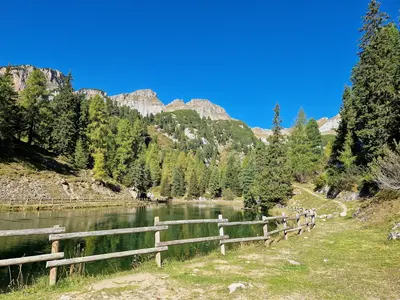
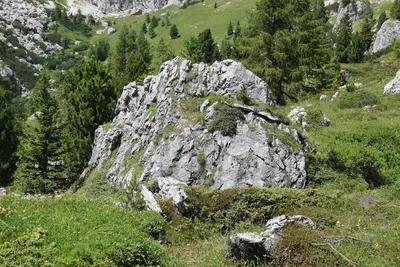
    Gran Paradiso is Italy's oldest National Park, founded on December 3, 1922, on the territory of a former royal hunting reserve, for the protection of alpine flora and fauna. It lies on both sides of the border between Piedmont and Aosta Valley. The Piedmontese part includes the Orco Valley with Ceresole Reale and the Soana Valley.
    Col de l'Iseran

    Col de l'Iseran

    The Col de l'Iseran in Savoie is, at 2,764 meters (the sign at the pass summit reads 2,770 meters), the highest paved mountain pass in the Alps. It connects the Tarentaise with the Maurienne and leads through a stark high-alpine landscape on the edge of the Vanoise National Park. It is a popular destination for cyclists.

    Sources & method

    • Photos: Unsplash, Google Maps. Each photo carries its credit.
    • Place data such as addresses and ratings comes from Google Maps.
    • The content is based on web research from public, traceable sources. How the content is made · The role of AI