From Milan, head to Lake Maggiore to Stresa, then on to Lake Como to Bellagio and Lake Garda to Sirmione, concluding in Verona. Between the lakes, each trip takes just under two to a little over two hours. Locally, ferries replace the car.
13 Days / 12 Nights
May–September
RV Friendly
5 stops
Why This Route?
For families and couples linking lakeside promenades, villa gardens, and old towns with short journeys.
Hidden Gems
Villa Melzi in Bellagio, a lakeside park, quieter than Villa Carlotta opposite
Isola dei Pescatori off Stresa, the fishermen's island with small trattorias
Spiaggia Giamaica below the Grottoes of Catullus in Sirmione
Itinerary
Stop 1 • 2 Nights
Mailand
City
Perfect for an exciting city trip. Rich in culture and history and Culinary highlights.
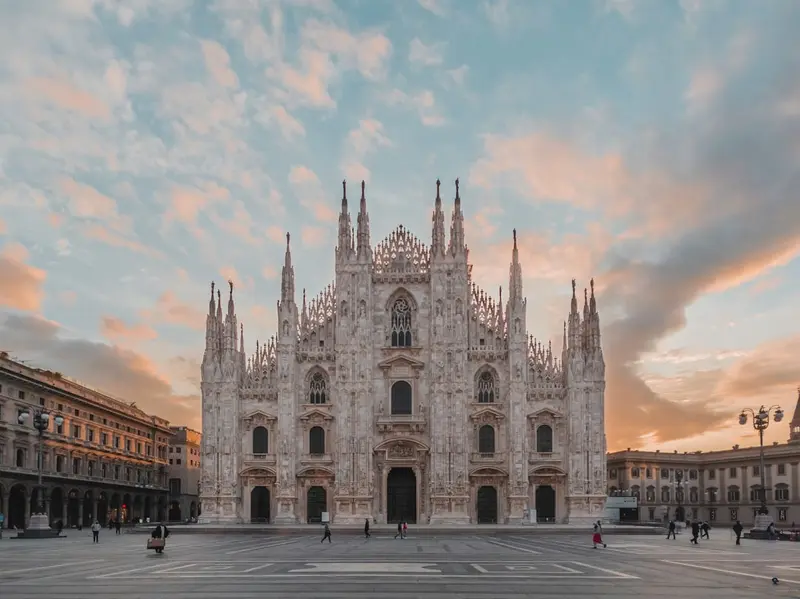
Milan is Italy's economic, fashion, and design metropolis and also a city of art with its Gothic Cathedral, Leonardo's Last Supper, and the Scala. Beyond the major sights, districts like Brera, Isola, and the Navigli with their canals shape city life.
7 Sights
5 Restaurants
History and Culture
MediolanumMilan originated as a Celtic settlement and, under the Romans, became Mediolanum, one of the Empire's most important cities: From 286, it was an imperial residence until the court moved to Ravenna in 402. In 313, Constantine and Licinius agreed upon the Edict of Tolerance for Christians in Milan. In 569, the Lombards conquered the city.Visconti and SforzaUnder the Visconti and from 1450 under the Sforza, Milan became one of Italy's wealthiest states. Construction of the Duomo began in 1386, and the Castello Sforzesco was expanded from 1450. Leonardo da Vinci lived in Milan from 1482 to 1499, working for Ludovico Sforza and painting The Last Supper during this period.Opera, Fashion and DesignLa Scala opened in 1778; Verdi and Puccini premiered operas here. In the 20th century, Milan became the center of Italian fashion and design. Every April, the Salone del Mobile furniture fair attracts visitors from all over the world, while Fashion Weeks take place in late February and September.
Rich in culture and history. Stunning nature and outdoors and Perfect for couples and romantic getaways.
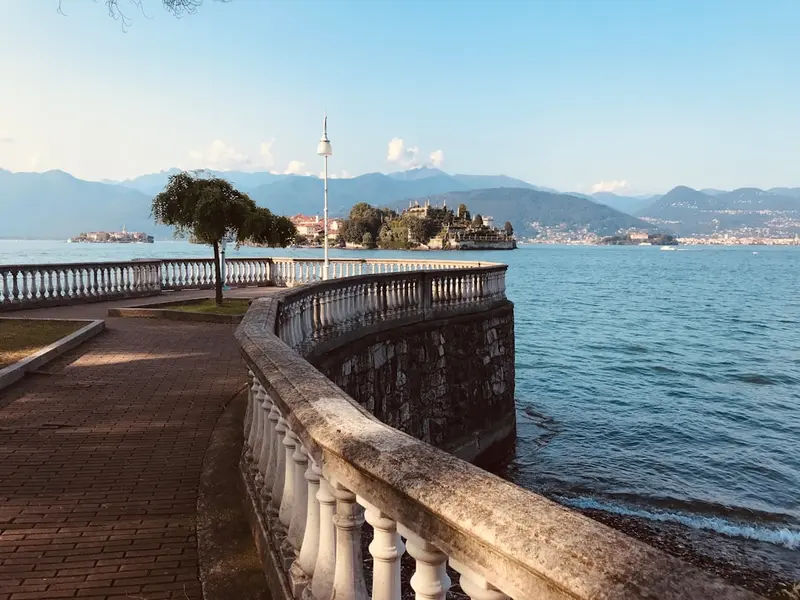
Stresa is located on the western shore of Lake Maggiore, on the Borromean Gulf opposite the Borromean Islands. The town has just under 4700 inhabitants, and three of the islands (Isola Bella, Isola Madre, and Isola dei Pescatori) belong to the municipality. Stresa is the main starting point for boat trips to the islands.
6 Sights
3 Restaurants
History and Culture
Stresa was first mentioned in a document from 998. The town is located on the road and rail connection from Milan to the Simplon Pass. From the 17th century onwards, the Borromeo family developed Isola Bella with a palace and terraced garden. Ernest Hemingway set parts of his novel A Farewell to Arms (1929) at the Grand Hotel des Iles Borromées.In 1935, representatives from Italy, France, and Great Britain met at Palazzo Borromeo on Isola Bella for the Stresa Conference. Since 1962, the Settimane Musicali music festival (today the Stresa Festival) has been held here every year.
Romantic atmosphere for couples. Perfect for couples and romantic getaways and Luxury accommodations and experiences.
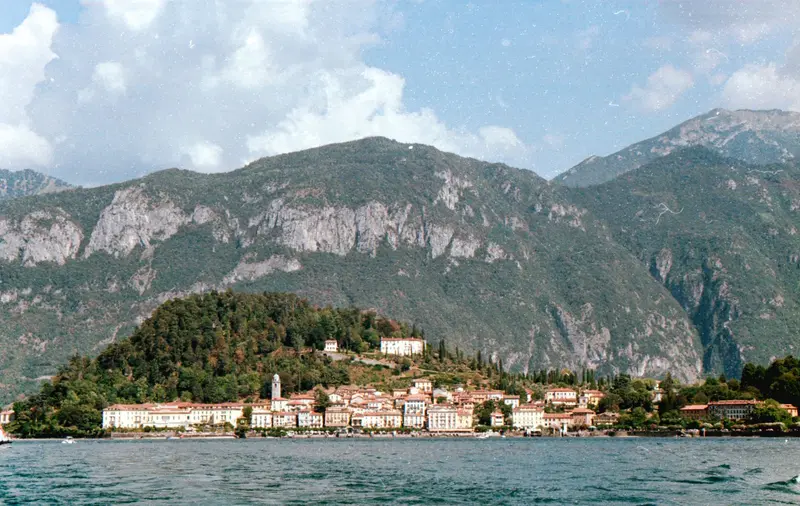
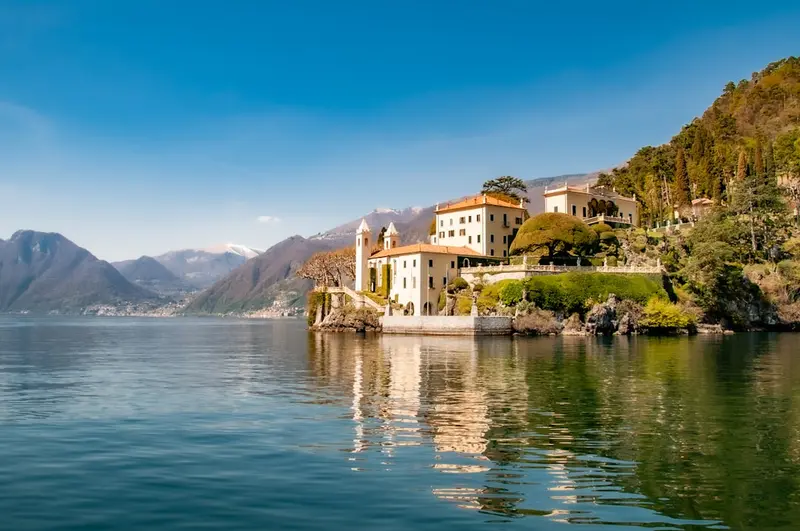
Bellagio is located at the tip of the peninsula, where Lake Como divides into the arms of Como and Lecco. Staircase alleys lead from the shore up to the small old town; south and above the village lie the parks of Villas Melzi and Serbelloni.
5 Sights
4 Restaurants
Bellagio: Culture, Art and History
Bellagio is located at the tip of the peninsula, where Lake Como splits into the arms of Como and Lecco. In Roman times, the site was a military base on the route to Raetia; in the Middle Ages, it was fortified. On the hill above the town, where today the Villa Serbelloni stands, lay a castle that was razed in 1375.The Villa Serbelloni originated in the 15th century and became a hotel in the second half of the 19th century; since 1959, it has belonged to the Rockefeller Foundation. The neoclassical Villa Melzi d'Eril was built for Francesco Melzi d'Eril, Vice President of the Napoleonic Italian Republic, by architect Giocondo Albertolli between 1808 and 1815.The historic center consists of narrow, paved stair alleys, the Salite, which ascend the slope from the shore. In the past, the town also thrived on silk weaving; today, tourism shapes it.
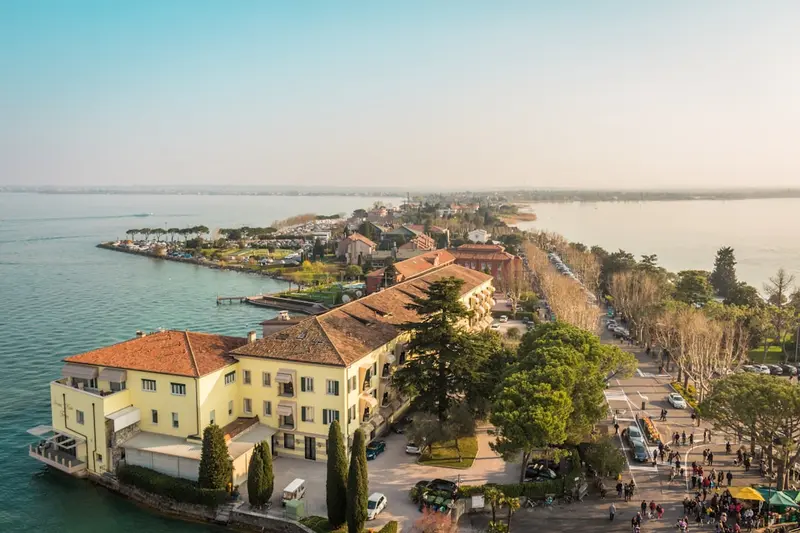
Sirmione sits on a narrow, four-kilometer peninsula on Lake Garda's southern shore. Enter the traffic-calmed old town through Scaliger Castle's gate; its northern tip holds the ruins of a Roman villa, and a hot thermal spring in the lake makes it a spa resort.
4 Sights
4 Restaurants
History and Culture
Roman VillaEven in antiquity, the peninsula was a coveted location. The so-called Grotte di Catullo are the remains of a large villa dating from between the late 1st century BC and the 1st century AD; the family of the poet Catull owned a villa in Sirmione, but the attribution of the ruins to him is merely tradition.Scaliger, Venice and AustriaFrom 1277, the Scaligers from Verona built the water castle. In 1405, Sirmione came under the Republic of Venice, and after its end, to the Habsburgs. In 1859, after the battles of Solferino and San Martino, the town fell to the Kingdom of Sardinia; until 1866, the border with Habsburg Venetia ran near Lugana.Spa TownThe hot spring Boiola in the lakebed has been documented since 1546 and was rediscovered in 1889 by a Venetian diver. Since then, thermal baths and tourism have thrived on its healing waters.
Rich in culture and history. Perfect for an exciting city trip and Culinary highlights.
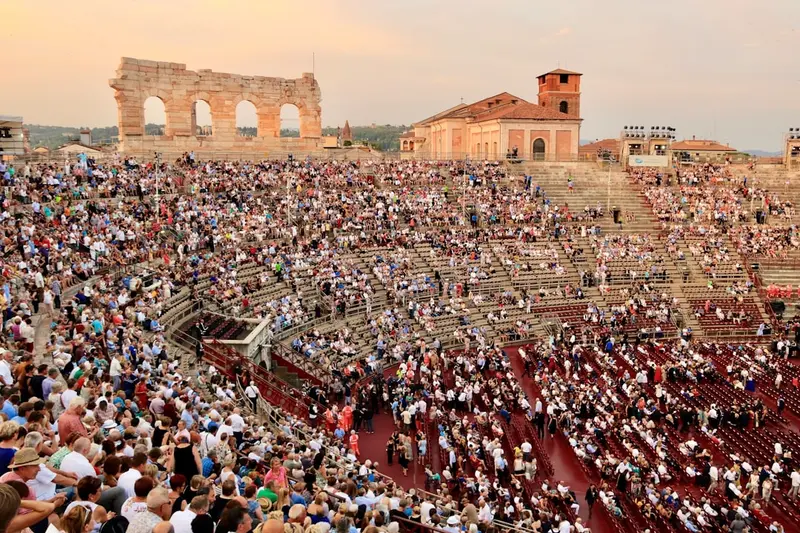
Verona is situated on the Adige River and, with approximately 255,000 inhabitants, is the largest city in Veneto. Its Old Town, featuring Roman and medieval buildings, has been a UNESCO World Heritage site since 2000.Romans and ScaligersFrom Roman times date the Arena and Ponte Pietra, while Piazza delle Erbe lies above the former forum. In the 13th and 14th centuries, the Della Scala family ruled; Castelvecchio, Ponte Scaligero, and the Scaliger Tombs bear witness to their reign. From 1405, Verona belonged to Venice, predominantly to Austria in the 19th century, and joined Italy in 1866.Opera and LiteratureIn summer, the Opera Festival transforms the Arena into an open-air stage. Three of Shakespeare's plays are set in Verona, including “Romeo and Juliet”. The Casa di Giulietta is a popular destination; however, its historical connection is a later attribution, and the balcony was only added in the 1930s.SurroundingsIn the hills north of the city lies the Valpolicella wine region, home to Amarone.
11 Sights
5 Restaurants
Custom
The Opera Festival in the Arena has been held since 1913, interrupted only by wars. The 2026 season ran from June 12 to September 12, primarily featuring works by Verdi and Puccini.The city's churches illustrate the development from Romanesque (San Zeno, Duomo) to Gothic (Sant'Anastasia). Castelvecchio exhibits paintings and sculptures from the Middle Ages to the 18th century. The Verona Card is valid for 24 or 48 hours and includes, among other things, the Arena, the Torre dei Lamberti, the Castelvecchio Museum, and San Zeno, as well as city buses.