Ferrara is located in the Po Valley, approximately 44 kilometres northeast of Bologna. From 1264 to 1598, the d'Este family ruled here, under whom the city became an important Renaissance court.
Ferrara is located in the Po Valley, approximately 44 kilometres northeast of Bologna. From 1264 to 1598, the d'Este family ruled here, under whom the city became an important Renaissance court.The old town is enclosed by an almost completely preserved city wall, approximately nine kilometres long. To the north lies the Addizione Erculea, a city extension systematically planned from 1492. Since 1995, Ferrara has been a UNESCO World Heritage site; in 1999, the listing was expanded to include the Po Delta.
Sights in Ferrara
Discover the most important sights and attractions
Museum
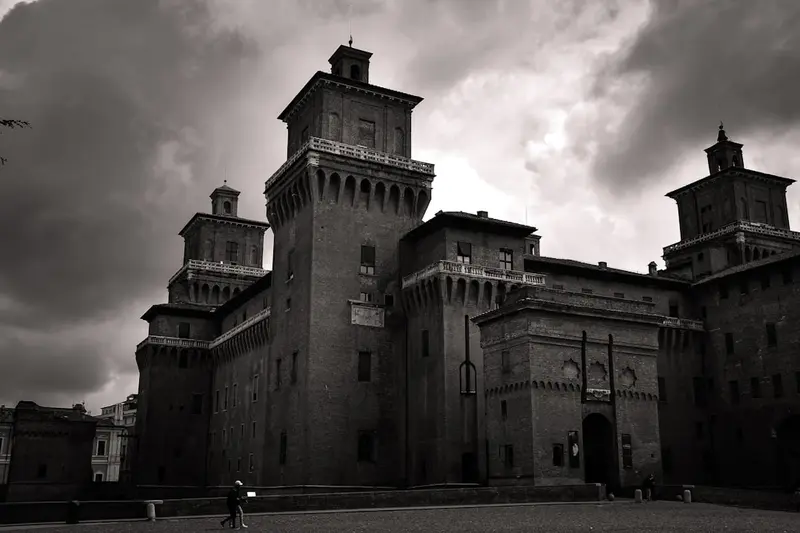
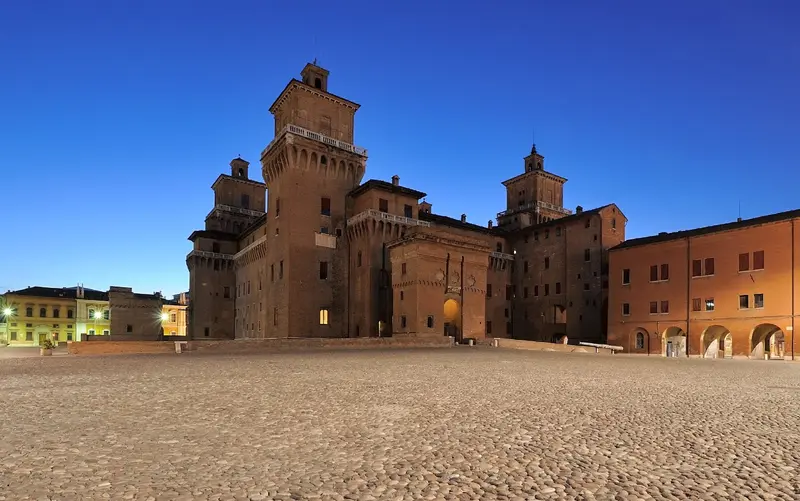
1Castello Estense
Niccolò II d'Este began construction of the moated castle in the city center in 1385. Later, it served as the residence of the Este Dukes. Visitors can explore dungeons, halls with ceiling paintings, the hanging orange garden, and defensive walkways, including the Lion Tower with views over the city.
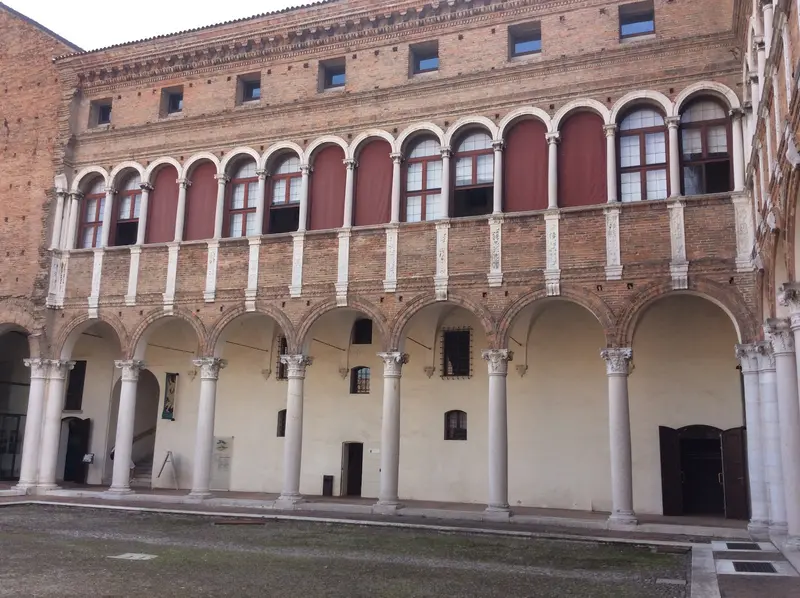
The museum in Palazzo Costabili exhibits finds from the Etruscan city of Spina, near modern-day Comacchio, which flourished from the 6th to 3rd century BC, including Attic vases and jewelry from the burial grounds.
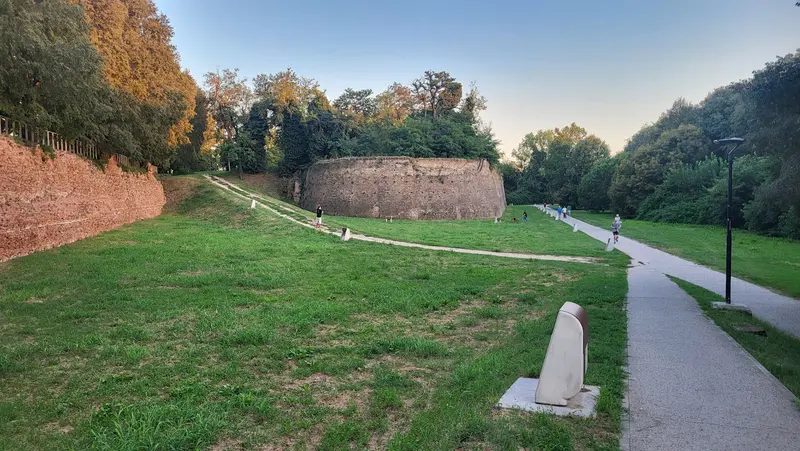
The nine-kilometre brick walls, mostly built between 1492 and 1520, almost fully encircle the Old Town. Now a city park, their path is flat and continuously bikeable.
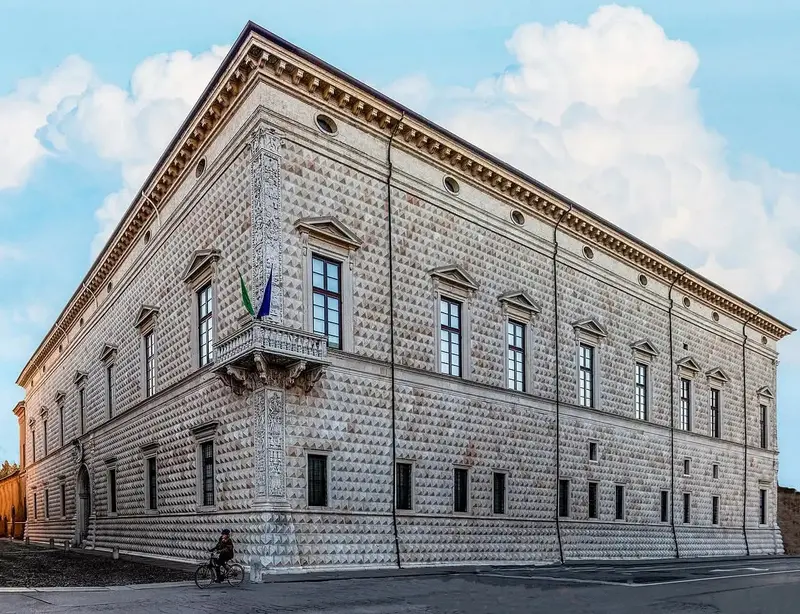
Renaissance palace at the intersection of the main axes of the Addizione Erculea, named after the approx. 8,500 diamond-cut marble blocks of its facade. It houses the Pinacoteca Nazionale and changing art exhibitions.
Construction of the Cathedral of St. George began in 1135, with its high altar consecrated in 1177. Its facade blends a Romanesque white marble base with Gothic elements in the upper parts; Atlantes rest on lions at the main portal. Opposite, in the former San Romano Church, the Cathedral Museum displays, among other works, two by Cosmè Tura and Jacopo della Quercia's Madonna della melagrana.
Curated walking tours through the city's highlights, handpicked by experienced travel journalists.
Ferrara: Nobility, Avenues & Arcades – A Renaissance Walk
Immerse yourself in Ferrara's rich history on this two-hour walk. Discover the impressive castles, the elegance of the Renaissance streets and the secrets of medieval lanes that make this UNESCO World Heritage city so unique.
The cuisine of Ferrara is shaped by the Po Valley and the Este court.
Pumpkin cappellacci
Dumplings with pumpkin filling.
Salama da sugo
A large, aged sausage, traditionally eaten during the Christmas season.
Ferrarese Couple
Specialty bread with protected geographical indication (PGI).
Pampepato
Spice cake with chocolate.
History and Culture
Under the Este, Ferrara developed into one of Italy's most significant Renaissance courts. Poets like Ludovico Ariosto ("Orlando Furioso") and Torquato Tasso ("Jerusalem Delivered") worked here, while painters like Cosmè Tura and Francesco del Cossa shaped the Ferrarese School. From 1492, Duke Ercole I had the city expanded northwards according to plans by Biagio Rossetti, the so-called Addizione Erculea.In 1598, Ferrara fell to the Papal States, and the Este moved to Modena. Ferrara is the birthplace of writer Giorgio Bassani, whose novel "The Garden of the Finzi-Continis" was adapted into a film in 1970 by Vittorio De Sica, and director Michelangelo Antonioni.
On-site exploration
The Old Town is flat and compact. You'll cover many routes on foot or by bike; public bikes are available with the 'C'entro in bici' bikesharing service.Ferrara train station is on the Padua–Bologna line.