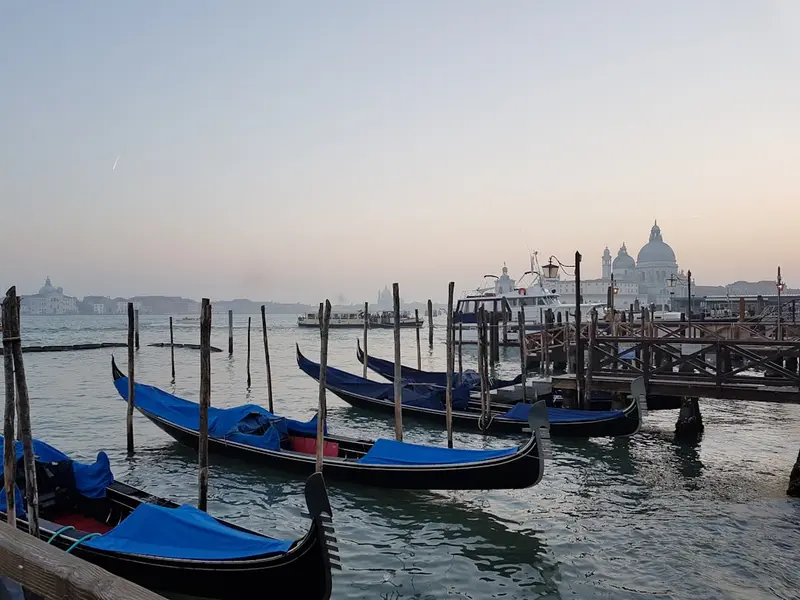
Venice is built on 118 small islands in a lagoon on the Adriatic Sea and was the centre of a maritime republic for centuries. Instead of streets, there are canals and alleys; instead of cars, boats and walkways; the city and its lagoon have been UNESCO World Heritage since 1987. St Mark's Square features St Mark's Basilica and the Doge's Palace, while the Rialto Bridge crosses the Grand Canal. Quieter than the San Marco area are districts like Cannaregio, Castello, and Dorsoduro, with their bacari, the traditional wine bars. You can reach the islands of Murano, Burano, and the Lido by vaporetto. On selected days, day visitors pay an entry fee for the old town, in 2026 for 60 days between April and July; check current dates before travel. Early in the morning, St Mark's Square is also quiet.
Sights in Venezia
Discover the most important sights and attractions
Attraction
1Canal Grande
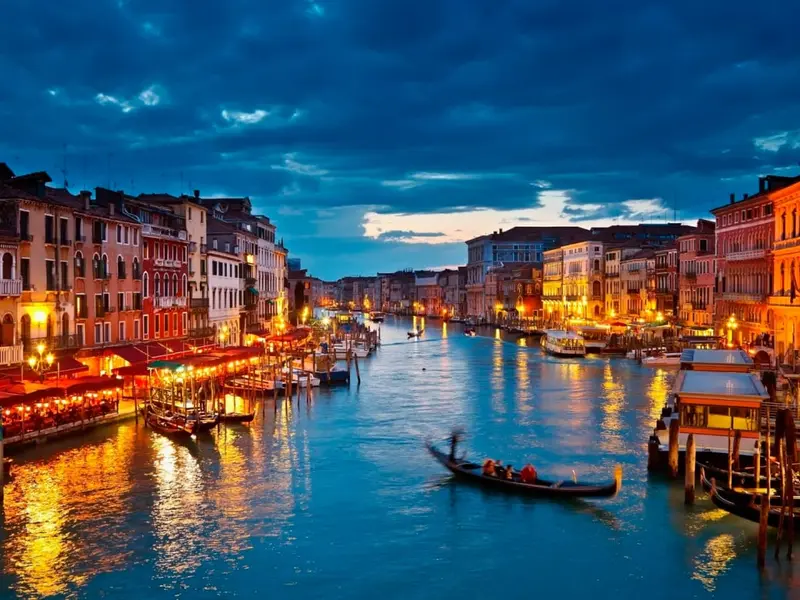
The Grand Canal winds in an inverted S-shape for about 3.8 kilometers through the city, lined by more than 170 palaces and buildings, mostly from the 13th to 18th centuries. Four bridges cross it: Rialto, Accademia, Scalzi, and the Ponte della Costituzione by Santiago Calatrava. The best way to experience it is from a Vaporetto. With the Traghetto, a gondola ferry, you can cross to the other bank at several points.
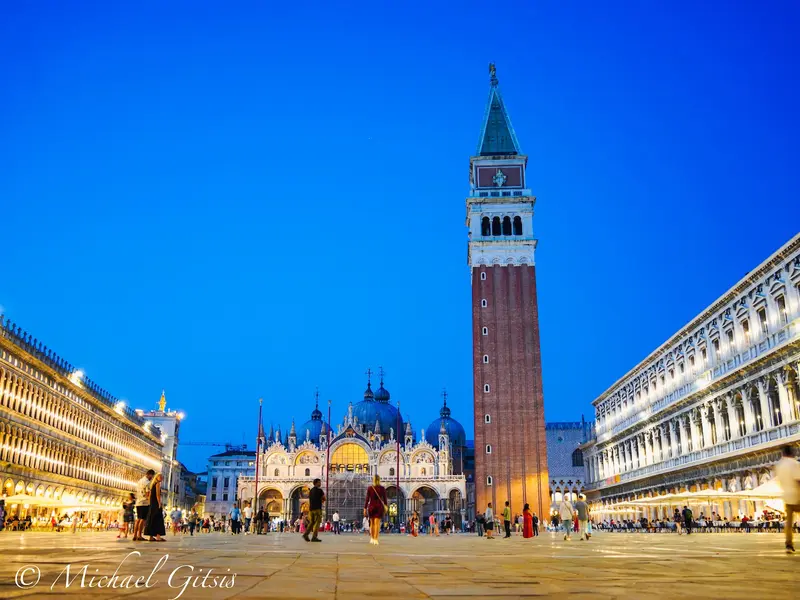
Venice's main square, popularly known simply as "la Piazza," is flanked on the north and south by the arcaded Procuratie, on the west by the Napoleonic Wing, and on the east stands St. Mark's Basilica. Next to it rises the Campanile, which an elevator takes you up to. Under the arcades are historic cafés like Florian, opened in 1720; prices there are accordingly high. The square lies just barely above sea level and quickly floods during Acqua alta.
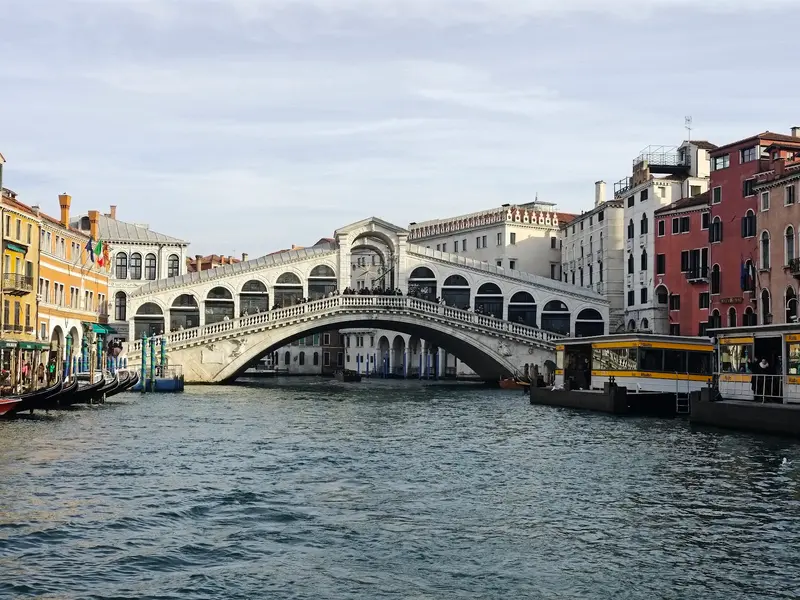
The stone arch bridge was built from 1588 to 1591 according to plans by Antonio da Ponte and was the only bridge over the Grand Canal until the 19th century. Two rows of shops line it. Right next to it is the Rialto Market: The vegetable market is open Monday to Saturday, the fish market Tuesday to Saturday mornings.
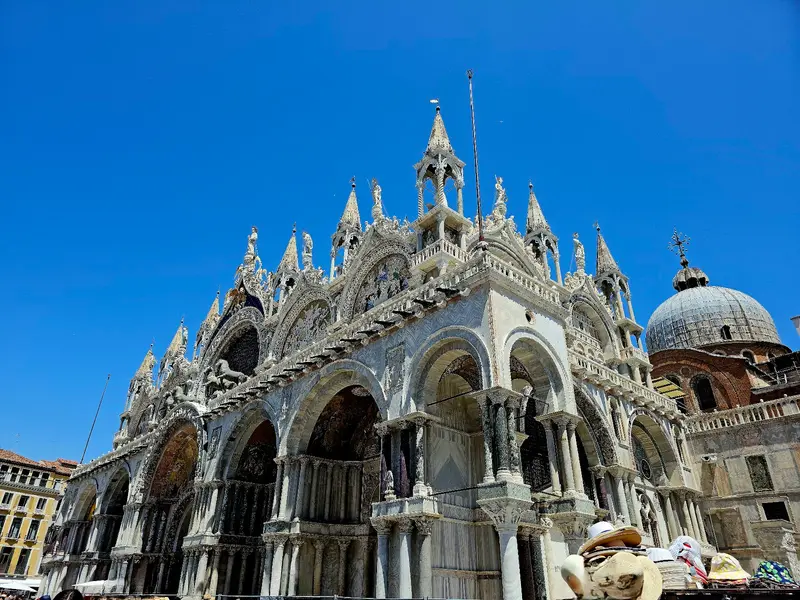
Built in the 11th century and consecrated in 1094, St. Mark's Church features five domes, modeled on Constantinople's Church of the Holy Apostles. Domes, vaults, and upper walls feature gold-ground mosaics. The high altar holds the Pala d'Oro, a golden altarpiece with enamels and gemstones. The original four bronze horses have been inside since 1974. Pala d'Oro, Treasury, and Museum cost extra; tickets via the Basilica's official website. Shoulders and knees must be covered; large bags not allowed.
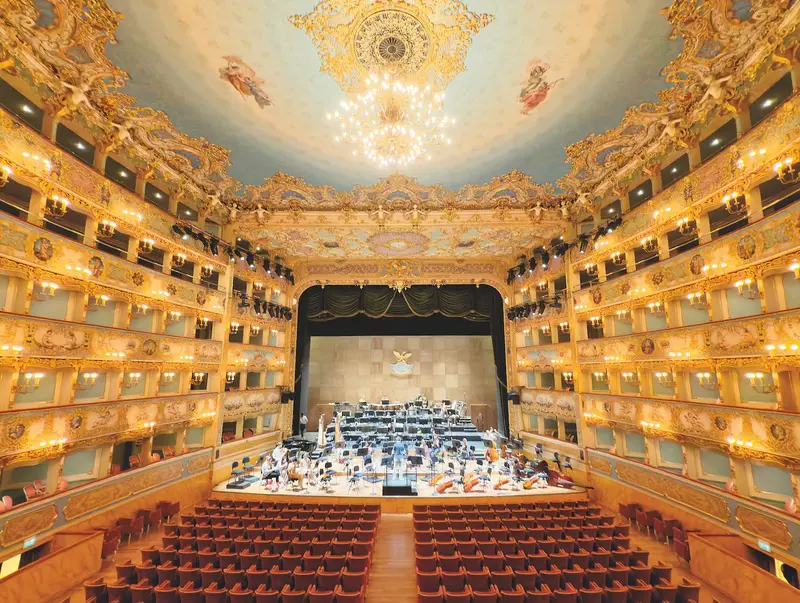
The Opera House opened in 1792. Here, operas by Verdi such as La Traviata and Rigoletto premiered. After fires in 1836 and 1996, it was rebuilt each time, most recently reopening in December 2003. During the day, you can tour the house with an audio guide; evenings offer opera, ballet, and concerts.
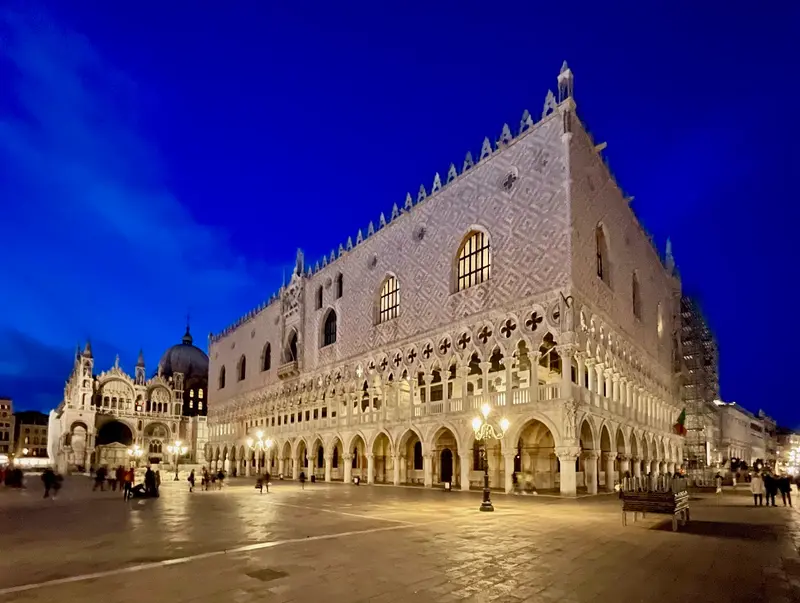
The Gothic palace on the waterfront was the seat of the Doge, the government, and the courts of the Republic of Venice. In the Hall of the Grand Council, one of Europe's largest halls, Tintoretto's “Paradise” hangs. Via the Bridge of Sighs, you reach the New Prisons. The “Itinerari Segreti”, guided tours through hidden passages up to Casanova's cell, who fled from the Lead Chambers under the roof, must be booked in advance.
Curated walking tours through the city's highlights, handpicked by experienced travel journalists.
Venetian Splendour & Hidden Lanes
Experience Venice's iconic landmarks and immerse yourself in authentic Venetian life. This walk leads you from busy squares to quiet canals and offers breathtaking views of the lagoon city, ideal for a comprehensive first impression.
Restaurant between St. Mark's Square and Rialto with a wide selection of wines by the glass. The cuisine blends historic Venetian recipes with modern dishes, including vegetarian options. High-end pricing.
Osteria on Campo Santa Marina in Castello with fish dishes from the lagoon, contemporarily prepared. In good weather, you sit on the small square. The price level is upscale.
Small Osteria in Castello, between San Marco and Santa Maria Formosa, with few tables. The menu features fish and seafood from the lagoon, changing with the daily catch. Two evening sittings; book early.
Family-run Trattoria in a hidden alley in San Polo near the Rialto. Serving Venetian fish dishes like Sarde in saor, spaghetti with seafood, and fried lagoon fish. Deliberately no pizza; book in advance.
Venetian cuisine thrives on fish and seafood from the lagoon. Typical are the Bacari, small wine bars with Cicchetti.
Cicchetti
Small bites that are served in the Bacari with a glass of wine (Ombra) or a Spritz.
Sarde in saor
Sardines in a sweet and sour marinade of onions, vinegar, raisins, and pine nuts.
Baccalà mantecato
Creamy whipped stockfish with oil, garlic, and lemon, often served on warm bread.
Bigoli in salsa
Thick, rustic pasta with an onion and anchovy sauce.
Fegato alla veneziana
Veal liver with onions, one of the city’s most common dishes.
Spritz
In Venice, the aperitif is, like a glass of wine, a staple with cicchetti in the bacari.
Culture and History
The SerenissimaVenice originated in the 5th century when mainland inhabitants fled invasions to the lagoon islands. The Republic of Venice became the leading trading power in the Mediterranean and existed for over a thousand years until Napoleon forced its end in 1797. The city and its lagoon have been a UNESCO World Heritage site since 1987.ArtBellini, Giorgione, Titian, Tintoretto, and Veronese shaped Venetian painting. The Biennale, founded in 1895, hosts international exhibitions on art and architecture, and the Film Festival takes place on the Lido.FestivalsCarnival, with its masks and costumes, takes place in the weeks before Ash Wednesday. During the Redentore Festival on the third weekend in July, a pontoon bridge leads to Giudecca, and on Saturday night into Sunday, there's a fireworks display over St. Mark's Basin. On the first Sunday in September, teams row in the Regata Storica along the Grand Canal.Acqua altaIn autumn and winter, high tides can flood parts of the city. Since October 2020, the MOSE barrier system closes off the lagoon during severe flood events.
One of Venice's oldest Bacari, near the Rialto Market. In the dim room with copper pots on the ceiling, you stand and drink an Ombra, a small glass of wine, and eat Cicchetti, Venetian snacks. In the evenings, the Cantina closes relatively early.
Wine bar on Fondamenta degli Ormesini, Cannaregio. Evenings, guests sit on a moored boat and at canal-side tables with wine, Spritz and Cicchetti. Popular with Venetians, very busy in summer.
Traditional wine shop with a bar on the Rio di San Trovaso in Dorsoduro, opposite one of the last gondola yards. The counter is full of Cicchetti, the walls are filled with bottles up to the ceiling. Many drink their glass outside by the canal.
The bar near the San Marco Vaporetto station was founded in 1931 by Giuseppe Cipriani, where the Bellini and Carpaccio were invented. Ernest Hemingway was among its regulars. The decor is simple, prices are very high.
Tiny bar at Campo Bella Vienna near Rialto Market, barely a counter. Drinks are had on the square, with small Panini. Many Venetians meet here for Spritz early evenings.
On FootIn the Old Town, you'll walk almost everywhere, crossing more than 400 bridges. Yellow signs point the way to Rialto, San Marco, and Ferrovia. Expect detours; dead ends often lead to water.VaporettoACTV water buses connect the districts and islands. Single tickets are expensive; multi-day passes for one, two, three, or seven days are worthwhile even for a few trips. Airport connections and Alilaguna boats are not included.Getting ThereSanta Lucia train station is located directly on the Grand Canal. From Marco Polo Airport, buses run to Piazzale Roma, and the Alilaguna water bus company also operates routes into the city. If you arrive by car, park at Piazzale Roma, Tronchetto, or on the mainland in Mestre.