Fernweh: Home
    ExploreTravel GuidesPlan a tripMy tripLast visited
    de|en
    All Places & RegionsAll highlightsAbout FernwehFAQPrivacy PolicyImprint
    ExploreTravel GuidesPlan a tripMy tripLast visited
    Tasik Kenyir

    Malaysia

    Tasik Kenyir

    Point of InterestNature

    The Tasik Kenyir in the Terengganu hinterland was formed in 1985 when the Kenyir River was dammed for a hydroelectric power plant.

    by Felix Gillen

    1. Home
    2. Destinations
    3. Malaysia
    4. East Coast
    5. Tasik Kenyir
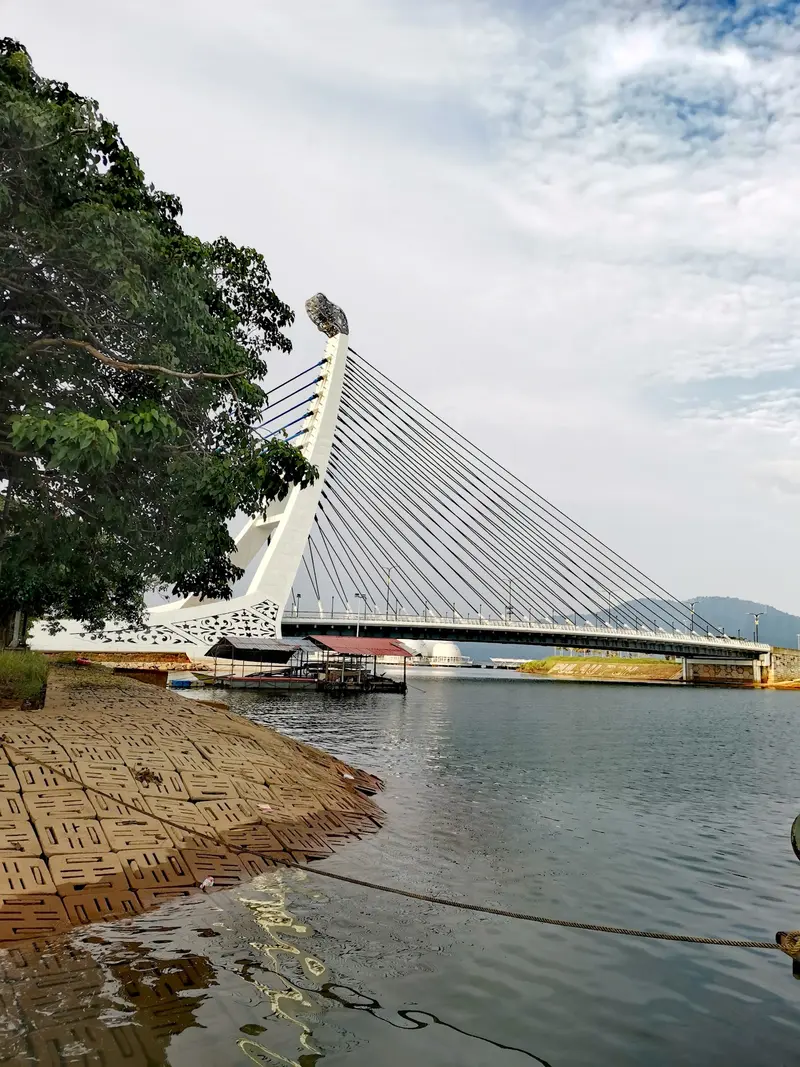
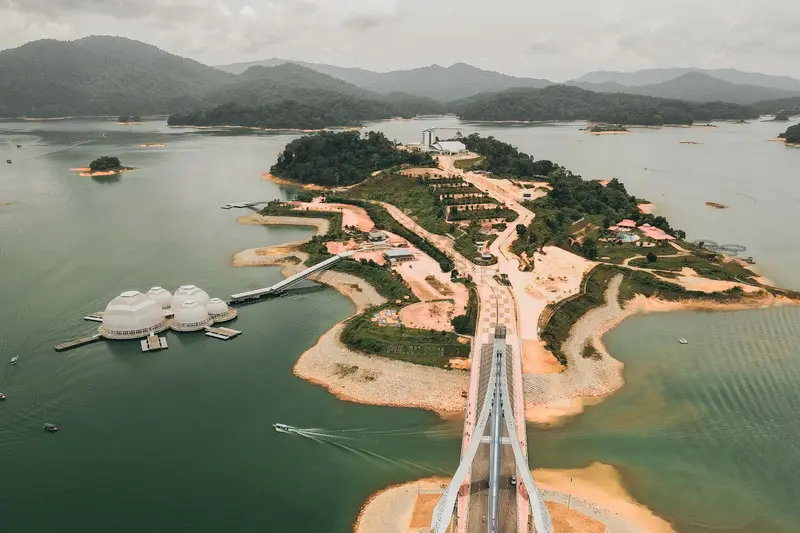
    The Tasik Kenyir in the Terengganu hinterland was formed in 1985 when the Kenyir River was dammed for a hydroelectric power plant. It is considered the largest man-made lake on mainland Southeast Asia, covering approximately 260 square kilometers. Around 340 forested islands, formerly hilltops, rise from the water. Since 2023, the area has been recognized as the Kenyir National Geopark.By boat, you can reach waterfalls, limestone caves, and secluded bays. Around the lake live hornbills, monkeys, and many fish species, including the Kelah (Malaysian Mahseer). Fishing is only permitted in designated zones.

    Sehenswürdigkeiten

    Discover the most important sights and attractions

    Gua Bewah

    1Gua Bewah

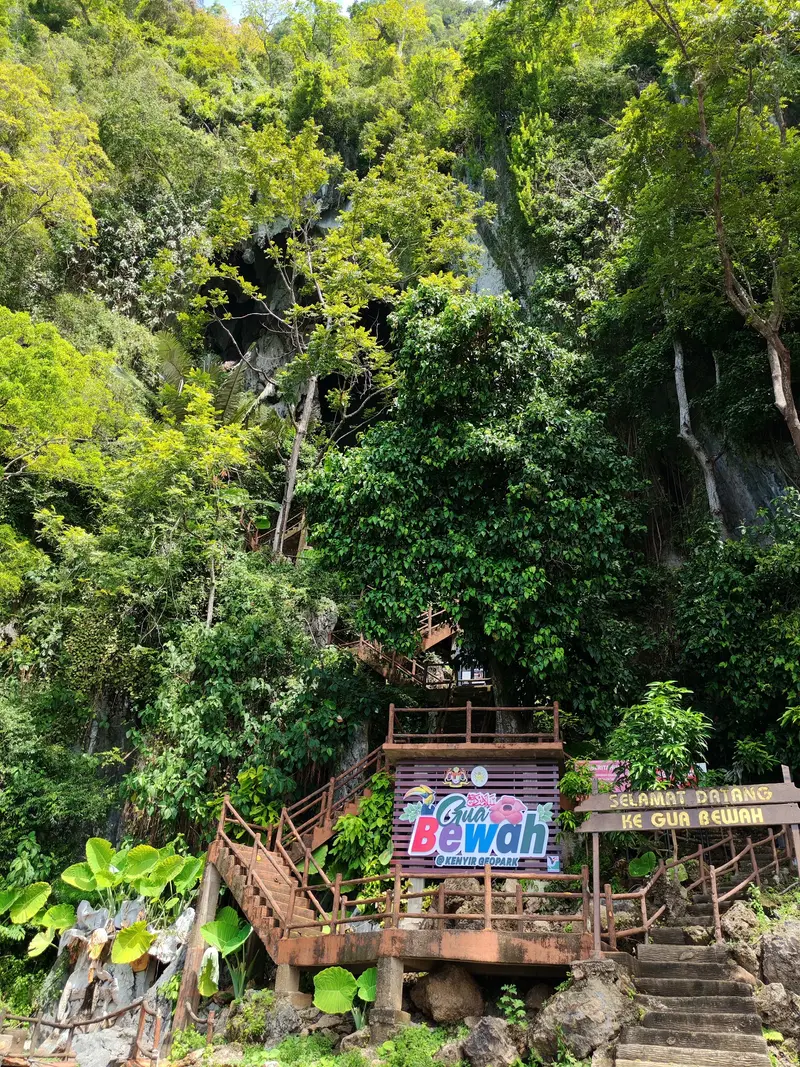
    The limestone cave on the lakeside is only accessible by boat. Archaeologists found prehistoric remains here, including the skeleton of the so-called Bewah Man. Nearby is the Gua Taat cave. You can book tours in Pengkalan Gawi.
    Open in Google Maps
    Lasir Waterfall
    Attraction

    2Lasir Waterfall

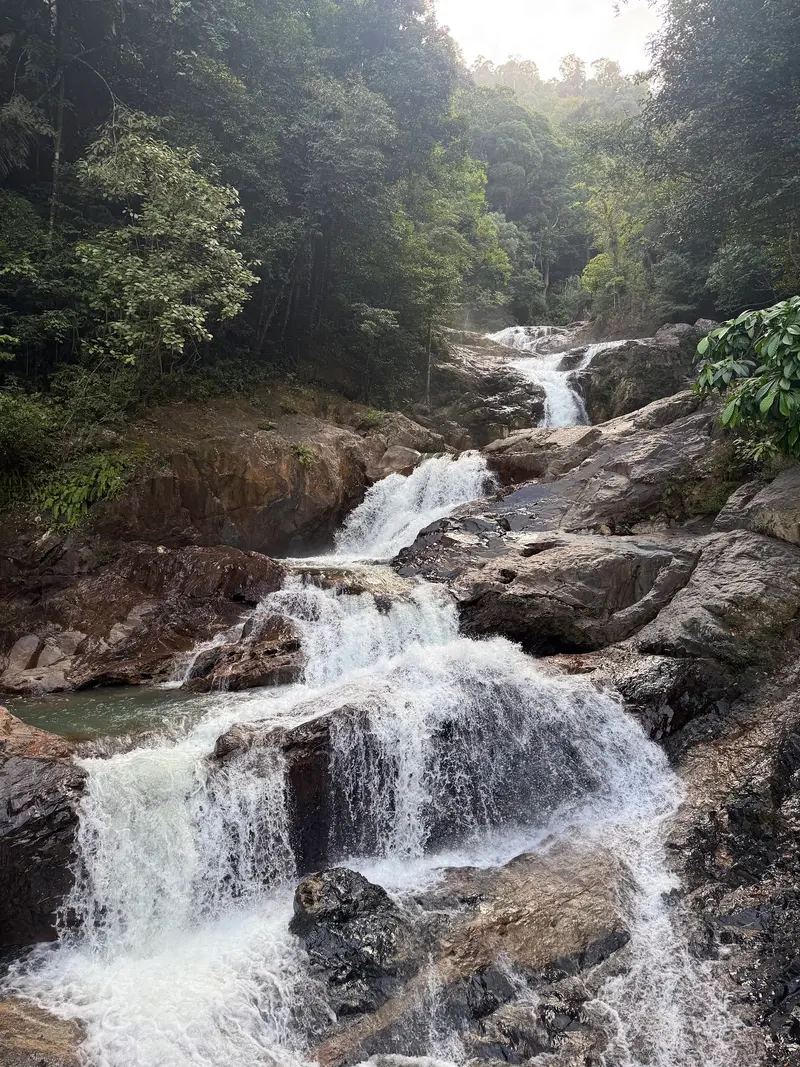
    The tiered waterfall is a frequent stop on many boat tours from Pengkalan Gawi. Below, you can bathe in pools. It's fullest after rainfall.
    Open in Google Maps
    Pengkalan Gawi
    Attraction

    3Pengkalan Gawi

    The main north shore pier is the base for almost all lake tours. Here are tourist info, boat rentals, and houseboats for multi-day charters. For a day trip, allow at least six hours – the lake's distances are vast.
    Open in Google Maps

    Restaurants in Tasik Kenyir

    Nature and History

    The reservoir feeds the Sultan Mahmud Hydroelectric Power Plant. During flooding, forests and some villages disappeared. In Gua Bewah Cave, archaeologists discovered prehistoric finds, including a human skeleton.Parts of the area belong to the Terengganu section of Taman Negara National Park. Numerous bird species live in the surrounding forests, including several hornbill species.

    Arrival and On the Road

    Public transport to the lake is scarce. From Kuala Terengganu, it's about an hour by rental car or taxi to Pengkalan Gawi. Many visitors book packages including transfer, boat, and accommodation.On the lake, you can only travel by boat; charter boats can be rented at the jetty.

    Accommodations in Tasik Kenyir

    Find perfect stay in Tasik Kenyir

    Booking.com* (Affiliate link)
    Search Hotels
    Agoda* (Affiliate link)
    Search Hotels
    Airbnb
    Vacation Rentals

    * Affiliate link: if you book through it, we earn a small commission. The price stays the same for you.
    Nearby

    Kuala Terengganu

    Kuala Terengganu

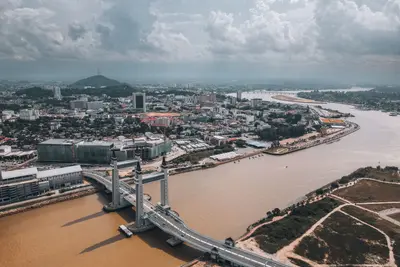
    Kuala Terengganu, the capital of the state of Terengganu, is located at the mouth of the river of the same name into the South China Sea. The city has a conservative-Muslim character and is noticeably quieter than the metropolises of the West Coast. At Pasar Payang you buy batik and songket, in Kampung Cina you sit in old coffee houses.On a river island, the glass Masjid Kristal reflects in the water. Many travelers pass through the city on their way to Pulau Redang.
    Marang

    Marang

    Marang is a small fishing village at the mouth of the Marang River, just 20 kilometres south of Kuala Terengganu. Fishing boats of all sizes anchor in the middle of the river, and in the mornings, fish and Keropok Lekor are sold at the market.Most travellers come for the boats to Pulau Kapas, which depart from Marang jetty. Those who stay for a day will find simple eateries and plenty of peace and quiet here.
    East Coast

    East Coast

    The East Coast of the Malaysian Peninsula is more rural and conservative than the West Coast. Off the coast lie islands with clear waters and coral reefs: the Perhentian Islands, Pulau Redang, Pulau Tioman, and the smaller Pulau Kapas. On land, you'll find fishing villages, long beaches, and the cities of Kota Bharu and Kuala Terengganu with their markets and craft traditions.The weather dictates travel planning: From approximately November to February or March, the Northeast Monsoon brings heavy rain and high waves. The islands are not officially closed, but many resorts shut down, boats run infrequently, and not at all in rough seas.
    Pulau Kapas

    Pulau Kapas

    Pulau Kapas lies six kilometers off Marang on Terengganu's coast, a 15-minute speedboat ride away. The island has no roads, just a manageable number of mostly simple accommodations, from chalets to dormitories. Kapas is quieter than Perhentian and Redang, ideal for snorkeling, kayaking, and relaxing. Off the island are rocks, coral fields, and some wrecks visited by dive centers.As on the entire east coast, the season is approximately from March to October. During the Northeast Monsoon, from approximately November to March, little snorkeling or diving takes place, and boat traffic is restricted.
    Setiu Wetlands

    Setiu Wetlands

    The Setiu Wetlands in northern Terengganu are among the largest natural wetlands on the East Coast: a landscape of approximately 23,000 hectares, comprising mangroves, river channels, islands, and sandbanks between the coastal road and the sea. Fishing villages and fish farms characterize the area, which is hardly developed for tourism.By boat, you travel through the mangrove channels, observe birds, and see how the villagers live from the water. The critically endangered Callagur Terrapin (Painted Terrapin) lives in the area.

    Sources & method

    • Photos: Pexels, Google Maps. Each photo carries its credit.
    • Place data such as addresses and ratings comes from Google Maps.
    • The content is based on web research from public, traceable sources. How the content is made · The role of AI