Malaysia
East Coast
RegionBeachCulture
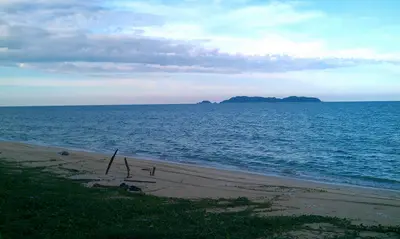
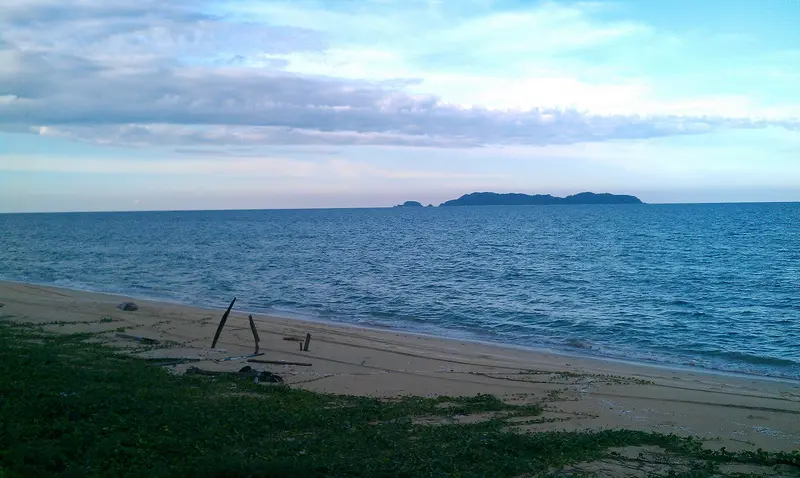
The East Coast of the Malaysian Peninsula is more rural and conservative than the West Coast. Off the coast lie islands with clear waters and coral reefs: the Perhentian Islands, Pulau Redang, Pulau Tioman, and the smaller Pulau Kapas.
by Felix Gillen
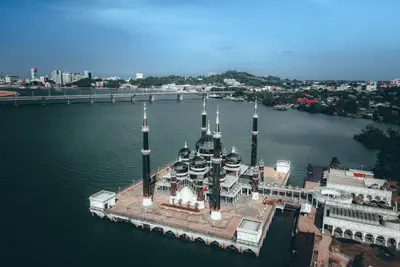
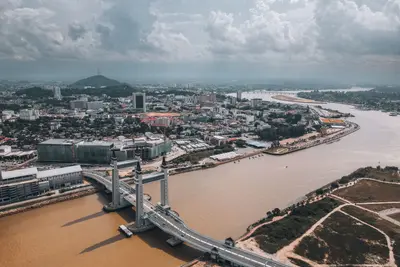
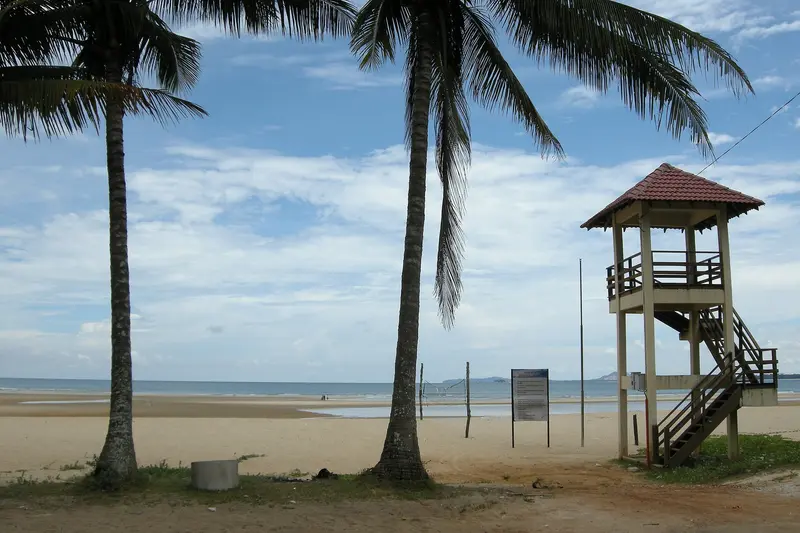
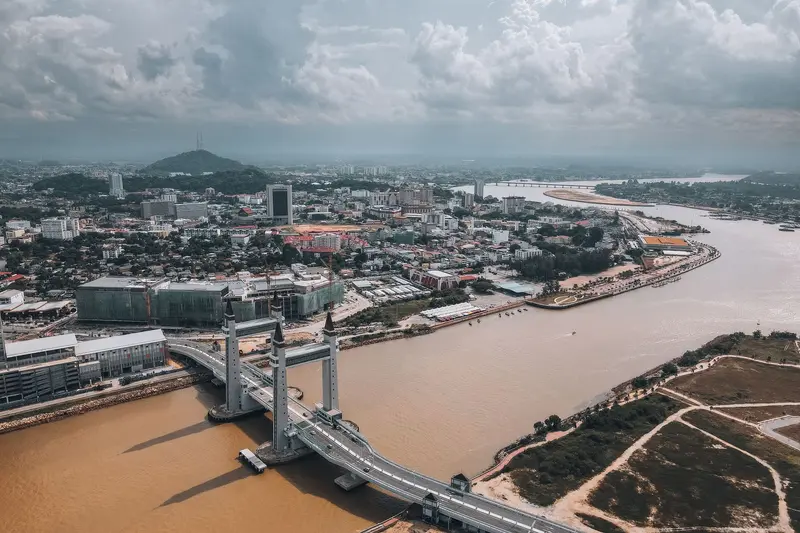
The East Coast of the Malaysian Peninsula is more rural and conservative than the West Coast. Off the coast lie islands with clear waters and coral reefs: the Perhentian Islands, Pulau Redang, Pulau Tioman, and the smaller Pulau Kapas. On land, you'll find fishing villages, long beaches, and the cities of Kota Bharu and Kuala Terengganu with their markets and craft traditions.The weather dictates travel planning: From approximately November to February or March, the Northeast Monsoon brings heavy rain and high waves. The islands are not officially closed, but many resorts shut down, boats run infrequently, and not at all in rough seas.
The region stretches from Kelantan on the Thai border, through Terengganu, to Pahang in the south. You can reach the Perhentian Islands from Kuala Besut, Redang from Merang or Kuala Terengganu, and Tioman from Mersing or Tanjung Gemok. Long-distance buses operate between the towns; Kota Bharu and Kuala Terengganu have airports with connections to Kuala Lumpur. Inland lie Tasik Kenyir reservoir and the Setiu Wetlands. The best time to visit the islands is from March to October.
More places in East Coast
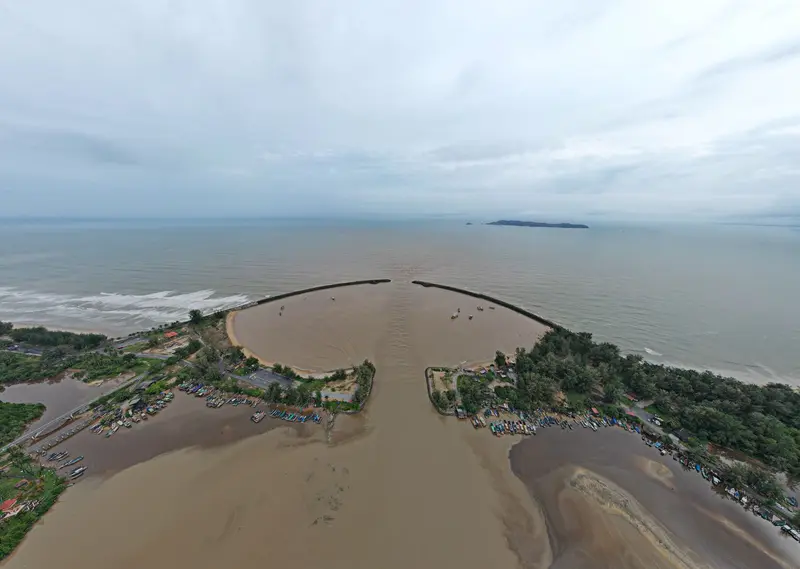
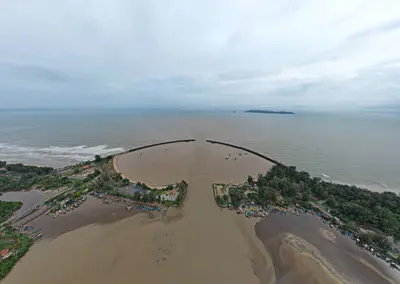
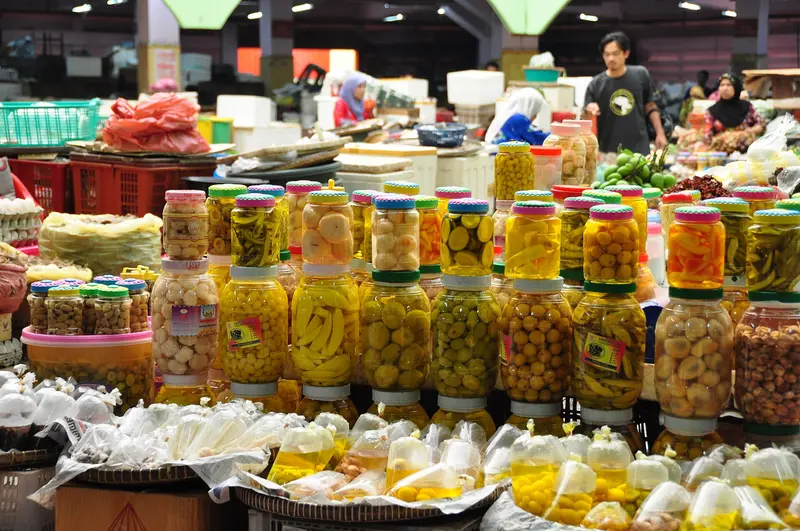
Marang is a small fishing village at the mouth of the Marang River, just 20 kilometres south of Kuala Terengganu. Fishing boats of all sizes anchor in the middle of the river, and in the mornings, fish and Keropok Lekor are sold at the market.Most travellers come for the boats to Pulau Kapas, which depart from Marang jetty. Those who stay for a day will find simple eateries and plenty of peace and quiet here.
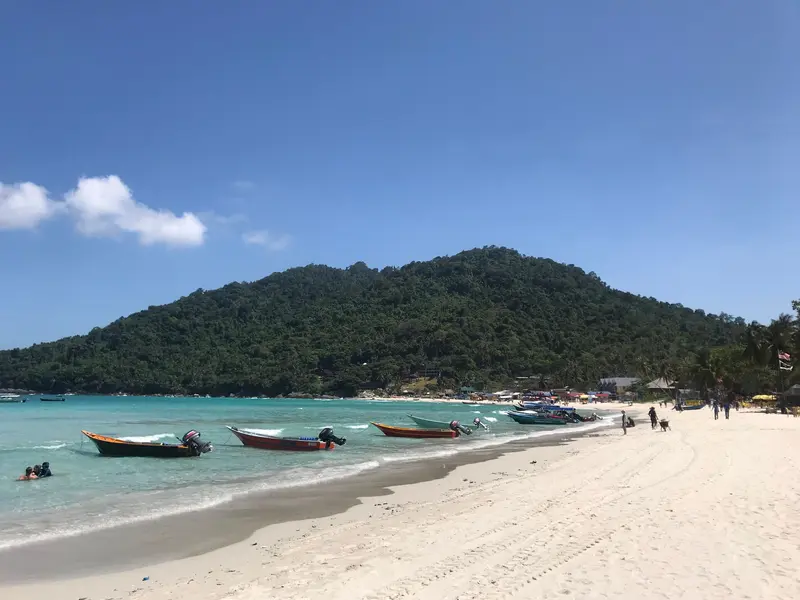
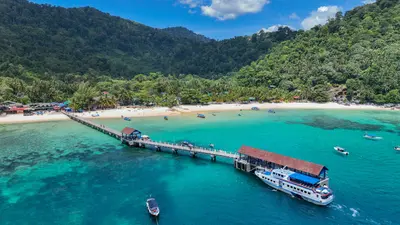
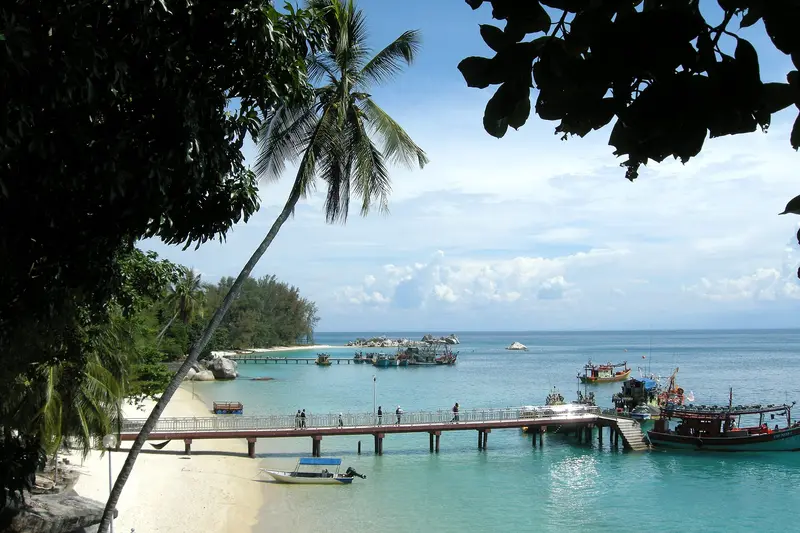
The Perhentian Islands, off the northeast coast of the Malaysian Peninsula, are two car-free islands with white beaches and coral reefs. You come here for snorkeling, diving, and simple beach days, free from roads and traffic.The islands belong to the state of Terengganu and have been protected as a marine park since 1994. From the mainland port of Kuala Besut, a speedboat will take you over in 30 to 45 minutes. The larger island, Perhentian Besar, is quieter and features family-friendly resorts, while Perhentian Kecil, with Long Beach and Coral Bay, primarily attracts backpackers. Between the beaches, you can travel by water taxi or walk along jungle paths.While snorkeling, you'll see blacktip reef sharks, sea turtles, and coral fish; dive schools offer courses.
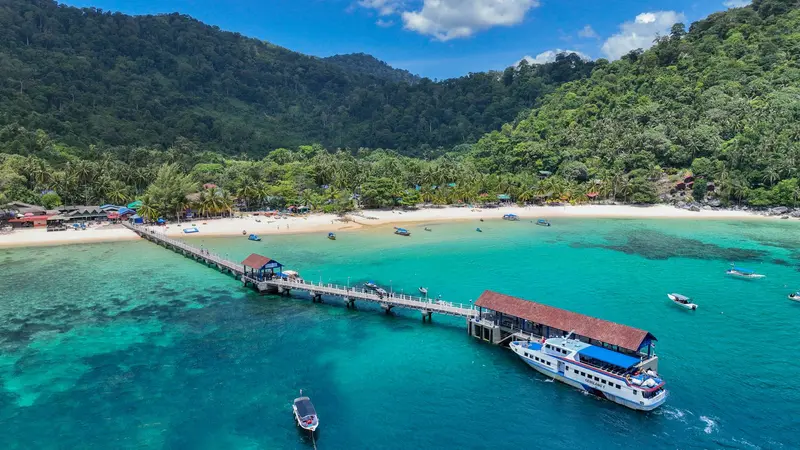
Pulau Redang is located off the coast of Terengganu and is the largest island in a marine protected area comprising several smaller islands. White beaches, clear waters, and coral reefs make it a popular destination for snorkelers and divers.Unlike the Perhentian Islands, Redang caters to package holidays: Most guests book packages including transfers, full board, and snorkeling tours. Budget accommodation is scarce.
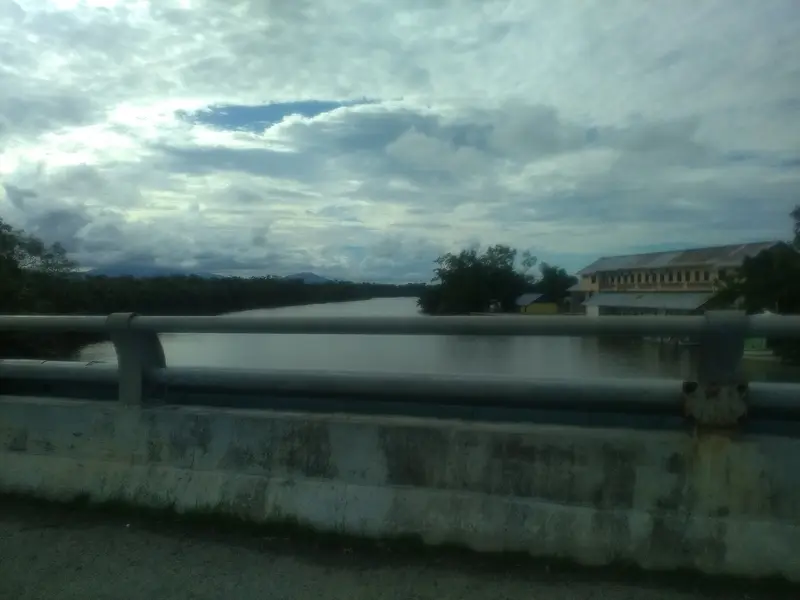
The Setiu Wetlands in northern Terengganu are among the largest natural wetlands on the East Coast: a landscape of approximately 23,000 hectares, comprising mangroves, river channels, islands, and sandbanks between the coastal road and the sea. Fishing villages and fish farms characterize the area, which is hardly developed for tourism.By boat, you travel through the mangrove channels, observe birds, and see how the villagers live from the water. The critically endangered Callagur Terrapin (Painted Terrapin) lives in the area.
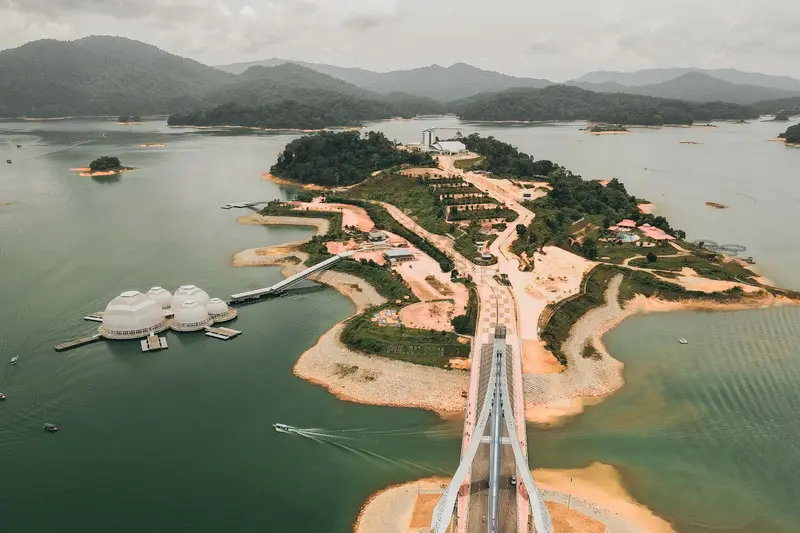
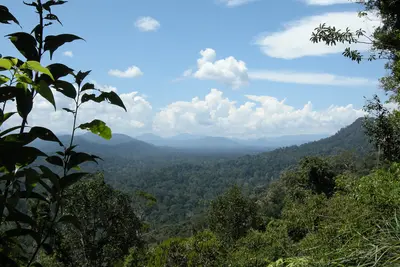
The Tasik Kenyir in the Terengganu hinterland was formed in 1985 when the Kenyir River was dammed for a hydroelectric power plant. It is considered the largest man-made lake on mainland Southeast Asia, covering approximately 260 square kilometers. Around 340 forested islands, formerly hilltops, rise from the water. Since 2023, the area has been recognized as the Kenyir National Geopark.By boat, you can reach waterfalls, limestone caves, and secluded bays. Around the lake live hornbills, monkeys, and many fish species, including the Kelah (Malaysian Mahseer). Fishing is only permitted in designated zones.
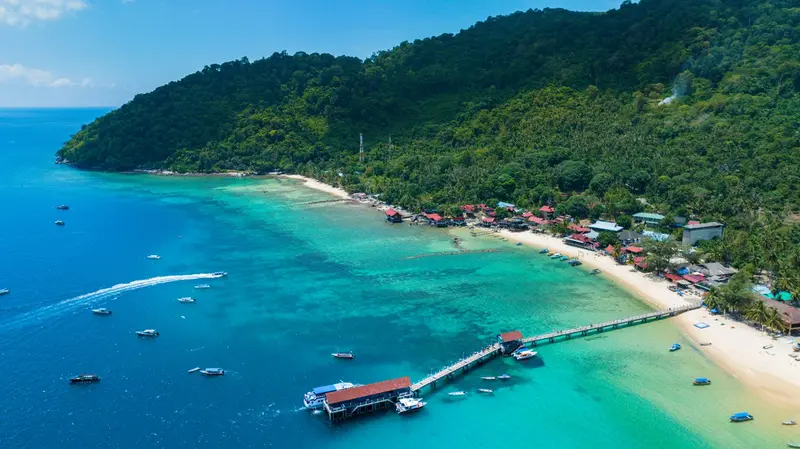
Pulau Tioman lies off the coast of Pahang and is one of the most famous islands on Malaysia's east coast. Steep, densely forested mountains descend to bays with fishing villages and chalets. Coral reefs, part of a marine park, surround the island.Each bay has its own character: Tekek is the main town with a harbour, ABC and Salang are popular with backpackers and divers, Juara on the east coast is the quietest. The island is a duty-free zone, making some goods cheaper than on the mainland.
Food & Beverages
Nasi Kerabu
Blue-coloured rice from Kelantan with herbs, roasted coconut, fish or chicken.
Nasi Dagang
Breakfast rice from Terengganu, cooked in coconut milk, with fish curry.
Keropok Lekor
Fried fish and sago fritters, a typical snack on the coast of Terengganu.
Ikan Bakar
Grilled fish, often freshly caught in fishing villages and served with Sambal.
Culture
Kelantan and Terengganu are considered the heartland of Malay culture. Here, Songket, Batik, and Wau-Bulan kites are crafted; the Wayang Kulit shadow play and traditional games like Gasing, the top-spinning game, are preserved.Both states are conservative Muslim, and the weekend falls on Friday and Saturday. Alcohol is hard to get in Kelantan and Terengganu; on the islands, only individual resorts and bars serve it. Swimwear is normal in resorts, but in villages and towns, you should dress modestly.
Getting There and About
From Kuala Lumpur, you fly to Kota Bharu or Kuala Terengganu in about an hour. Long-distance buses take considerably longer. The coastal road connects these places, buses run regularly; for short distances, take Grab or a taxi.Fast boats to the islands depart from Kuala Besut (Perhentian), Kuala Terengganu and Merang (Redang), as well as Mersing (Tioman). Many services are cancelled during the monsoon season.