Fernweh
    ExploreTravel GuidesMy Trips
    de|en
    About FernwehImprintFAQPrivacy Policy
    ExploreTravel GuidesMy Trips
    Jalisco

    Jalisco

    Region
    1. Home
    2. Destinations
    3. Mexico
    4. Jalisco
    Jalisco, das Herz Mexikos, verführt dich mit seiner reichen Kultur, dem Ursprung von Mariachi und Tequila. Besuche dieses lebendige Bundesland, um in authentische Traditionen einzutauchen und die Gastfreundschaft seiner Menschen zu erleben, die dich mit offenen Armen empfangen werden. Du wirst die perfekte Mischung aus geschichtsträchtiger Architektur, pulsierendem Stadtleben und atemberaubender Natur finden, die deinen Aufenthalt unvergesslich macht.
    • Overview
    • Places in the region
    • Eat & drink
    • Culture
    • Nearby
    • Overview
    • Places in the region
    • Eat & drink
    • Culture
    • Nearby
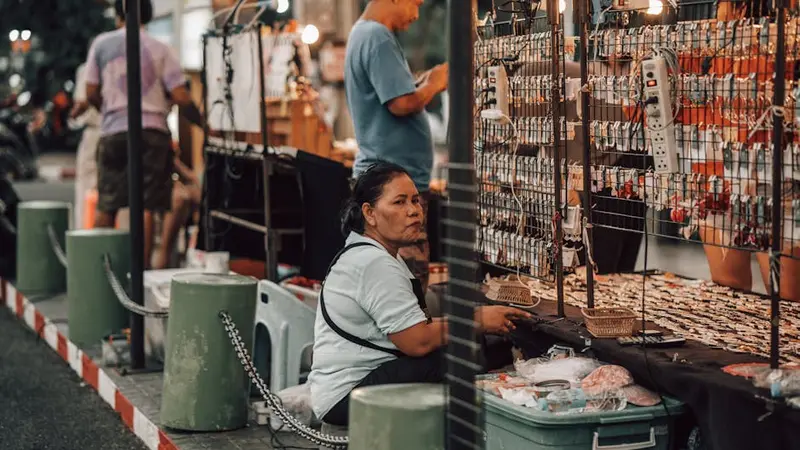
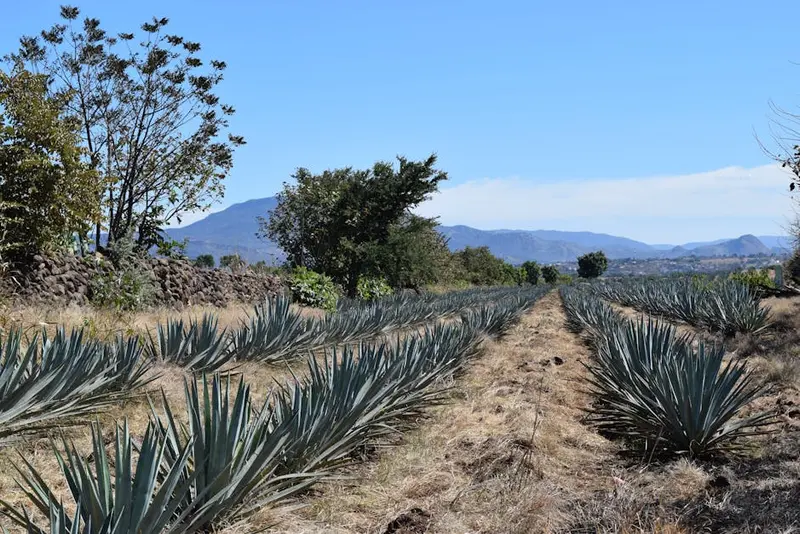
    Jalisco, in western Mexico, is considered the heart of Mexican culture and is the birthplace of Mariachi and Tequila. The capital Guadalajara impresses with its rich colonial architecture, including the Cathedral and the UNESCO World Heritage site Hospicio Cabañas. A visit to the Tequila Route leads you through vast agave fields to traditional distilleries, where you learn about the production process of the national drink. For authentic insights into Mexican equestrian culture, experience a Charreada, the traditional rodeo. Mexico's largest freshwater lake, Lago de Chapala, also offers picturesque landscapes and relaxation. The ideal travel time is from November to April, to take advantage of the dry season and mild temperatures. For local specialties and crafts, explore the Mercado San Juan de Dios in Guadalajara.

    Places in Jalisco

    Guadalajara Centro Histórico

    Guadalajara Centro Histórico

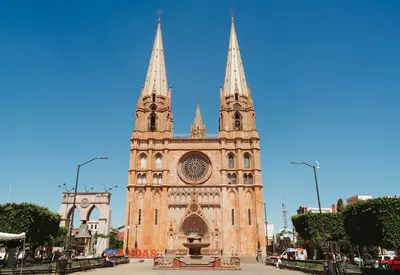
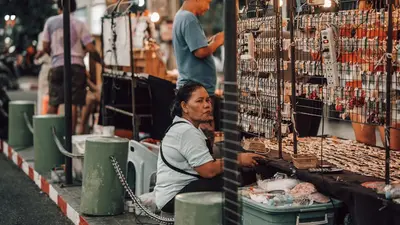
    The Centro Histórico of Guadalajara forms the city's vibrant heart, captivating with its colonial splendor and lively atmosphere. Here you'll find impressive structures such as the imposing Catedral Metropolitana with its neo-Gothic towers, and the Palacio de Gobierno, home to the monumental murals by José Clemente Orozco. The neoclassical Teatro Degollado and the surrounding squares, like the Plaza de la Liberación, invite you to linger. A visit to the Mercado Libertad (San Juan de Dios), one of Latin America's largest covered markets, offers authentic insights into local life and culinary diversity. Explore the district best on foot in the early mornings or late afternoons to enjoy the architectural details and avoid the midday heat.
    Puerto Vallarta

    Puerto Vallarta

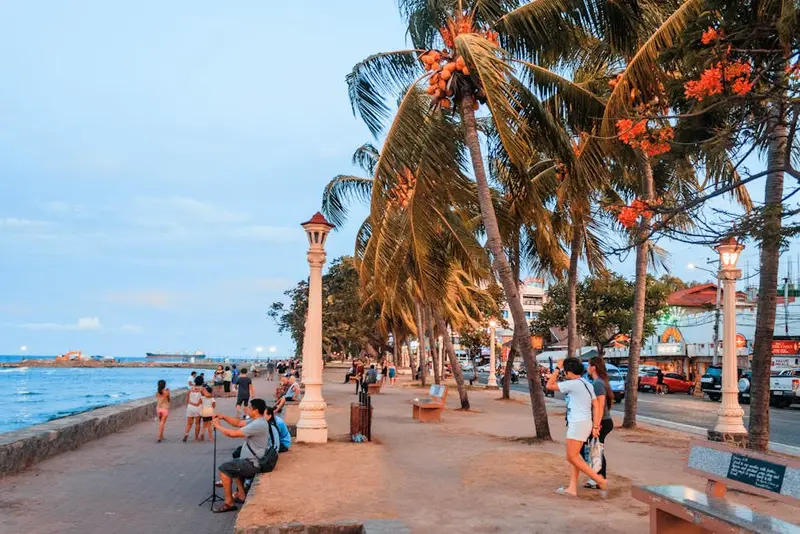
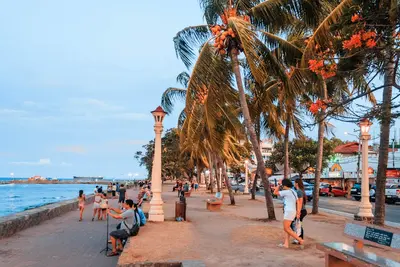
    Puerto Vallarta ist ein beliebter Küstenort am Pazifik, bekannt für seine schönen Strände, das lebhafte Nachtleben und vielfältige Wassersportmöglichkeiten, die pure Entspannung und Abenteuer versprechen.
    Tequila (Stadt)

    Tequila (Stadt)

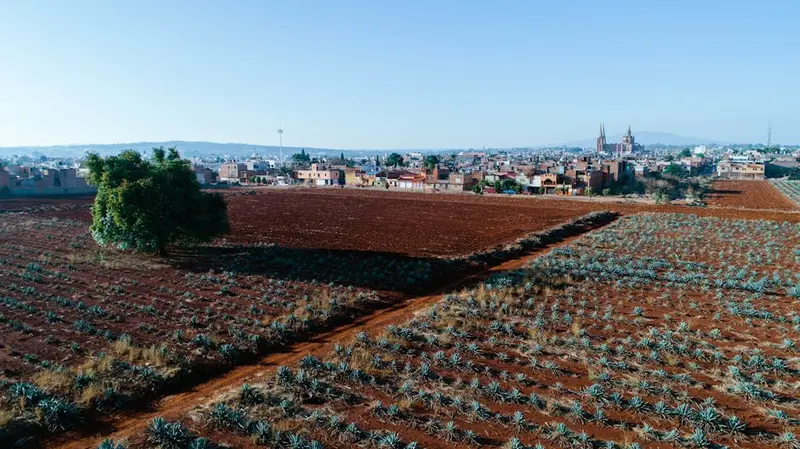
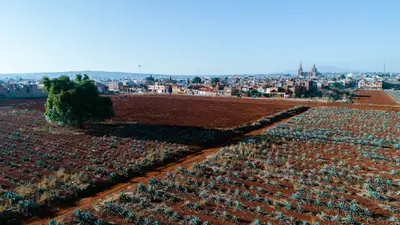
    Tequila, the heart of the eponymous spirit, is a UNESCO World Heritage site. Here you explore the origins of the famous agave spirit. Many distilleries, such as Jose Cuervo or La Rojeña, offer tours providing insights into the production process and include tastings. The Plaza Principal, with its colonial architecture, forms the lively center, while the Museo Nacional del Tequila illuminates the drink's history. The vast agave fields, also a UNESCO World Heritage site, characterize the picturesque landscape surrounding the city. For pleasant weather and observing the agave harvest, a visit between November and April is recommended.
    Tlaquepaque

    Tlaquepaque

    The charming Tlaquepaque, located southeast of Guadalajara, is a hub of Mexican craftsmanship and culture. Here you'll discover a vibrant mix of colonial architecture and diverse art galleries, especially along the car-free Calle Independencia. The town is renowned for its high-quality ceramics, glassblowing workshops, and traditional craft shops offering a wide range of authentic products. In the heart of the district, you'll find El Parián, a large courtyard surrounded by restaurants and bars, often featuring traditional Mariachi music. It's best to plan your visit during the week to avoid the crowds and explore the studios at your leisure. Pay special attention to the intricate Talavera ceramics and the hand-blown glass items, which are typical of the region.

    Sights in Jalisco

    Discover the most important sights and attractions

    Guadalajara's Cathedral

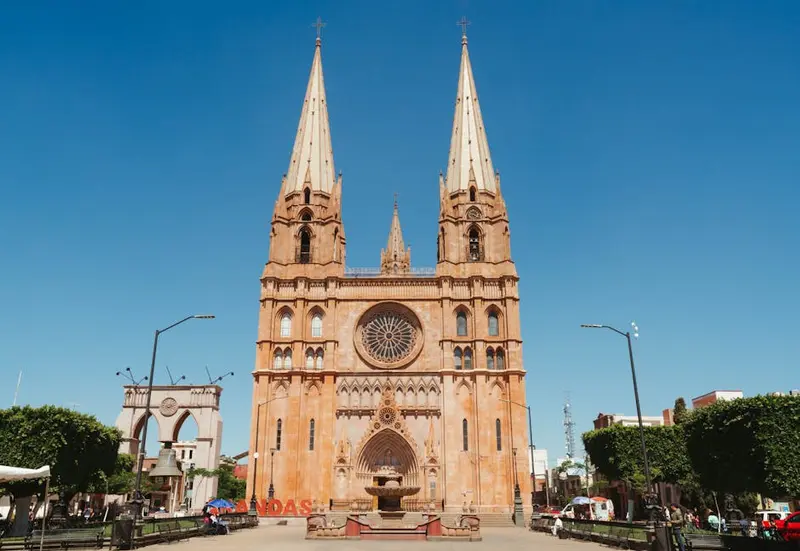
    The Guadalajara Cathedral, officially the Basílica de la Asunción de Nuestra Señora de Guadalajara, is a central landmark of the city and an impressive example of colonial architecture in Mexico. Its construction began in 1561 and lasted over 50 years, resulting in a fascinating blend of Gothic, Neoclassical, and Moorish architectural styles. Particularly striking are its Neo-Gothic towers, which were rebuilt after an earthquake in the 19th century and now define the city's skyline.Inside, you will find rich furnishings, including silver and gold altars, valuable artworks, and the relics of Saint Inocencia. Note the impressive stained-glass windows and the crypt, where former bishops of Guadalajara are interred. The Cathedral is not only a place of worship but also a living museum of regional history and art.Our Tip: Visit the Cathedral early in the morning to enjoy the tranquility and the special light before the large tourist groups arrive. For an unparalleled photo of the towers, position yourself on the Plaza de Armas opposite. Pay attention to the details of the facade, which tell stories spanning centuries.
    Open in Google Maps

    Parroquia El Expiatorio Eucarístico

    The Parroquia El Expiatorio Eucarístico in Guadalajara, Jalisco, is an outstanding example of Neo-Gothic architecture in Mexico. You'll find here a structure whose construction began in 1897 and was only completed in 1972, reflecting its long and complex history. Upon entering, you'll be captivated by the impressive stained-glass windows, depicting scenes from the Bible and bathing the interior in a vibrant light. Also note the intricate bronze doors, adorned with reliefs, as well as the precise German clock that embellishes the facade. The church is dedicated to the Eternal Sacrament, underscoring its deep religious significance and making it a place of quiet contemplation. Our Tip: Visit the church in the late morning or early afternoon, when the sunlight best highlights the stained-glass windows. For a quieter atmosphere and detailed architectural viewing, it's advisable to avoid major service times.
    Open in Google Maps

    MUSA Museum of the Arts University of Guadalajara

    The MUSA (Museo de las Artes de la Universidad de Guadalajara) is a significant cultural center in Jalisco and a must-visit for art enthusiasts. You'll find it in the heart of Guadalajara, within an impressive neoclassical building that once housed the university's rectorate. The main attraction are the monumental murals by José Clemente Orozco, one of the "Los Tres Grandes" of Mexican muralism. Particularly noteworthy are "El Hombre Creador y Rebelde" and "El Pueblo y sus Falsos Líderes," which you can admire in the former rectorate hall and the main hall. These works offer profound insight into Mexican history and society. In addition to Orozco's masterpieces, MUSA regularly presents rotating exhibitions of contemporary art, spanning painting, sculpture, and installations. Our Tip: It's best to visit the museum on weekday mornings to enjoy the tranquility and appreciate the murals in full detail. For striking photos of Orozco's works, try experimenting with different perspectives to capture their full impact.
    Open in Google Maps

    Museo del Ejército y Fuerza Aérea

    The Museo del Ejército y Fuerza Aérea in Jalisco offers you a deep insight into Mexico's military history. Here you will learn how the Mexican Army and Air Force have shaped the country from independence to the present day. The exhibitions present an impressive collection of uniforms, weapons, flags, and historical documents that meticulously chronicle the development of the armed forces. You will see exhibits spanning from the War of Independence and the Mexican Revolution to modern-day operations. Particularly noteworthy are the detailed dioramas and explanations of key events and personalities that have shaped Mexico's military identity. Our Tip: Plan your visit for a weekday morning to enjoy the tranquility and thoroughly study the exhibits. Pay special attention to the section on the Mexican Revolution, often considered the collection's centerpiece. For photographers, the historical weapons and detailed aircraft models offer excellent opportunities to visually capture this history.
    Open in Google Maps

    Parroquia San Pedro Apóstol

    The Parroquia San Pedro Apóstol in Jalisco is a central religious edifice and an impressive testament to Mexico's colonial architecture. Here, you'll often find a harmonious blend of Baroque and Neoclassical elements, typical of churches from this era, reflecting the region's rich history. Its construction reflects the deep-rooted Catholic faith in the area and has served for centuries as a spiritual and cultural hub for the community. Upon entering the church, you'll notice the tranquility and the intricate details of the main altar and the side chapels. Pay attention to the often richly adorned retables and traditional saint figures, which impressively showcase local craftsmanship and religious devotion. Our Tip: Visit the church in the morning to capture the best light for photos of the elaborate facade and interior, and to avoid the largest tourist crowds. Please respect ongoing services and dress appropriately. The surrounding squares often offer authentic insights into local life and are ideal for a short break.
    Open in Google Maps

    Essen & Trinken

    Cultural Heritage and History of Jalisco

    Jalisco, a state in western Mexico, is considered the cradle of many iconic Mexican traditions. Its rich history extends from pre-Columbian settlements of indigenous peoples like the Huichol and Purépecha to its crucial role in the colonial era and the struggles for independence.The architectural landscape reflects this evolution, from the Baroque churches in Guadalajara's historic center to modern-day influences. Guadalajara, the capital, is an outstanding example of colonial splendor and a hub for art and education.Culturally, Jalisco is inextricably linked to Mariachi, Tequila, and Charrería, the traditional Mexican equestrian sport – all globally recognized symbols of Mexico that originated here. The region is also known for its vibrant craftsmanship, particularly the pottery from Tlaquepaque and Tonalá, as well as the unique indigenous art of the Huichol, which holds deep spiritual significance.

    Locations nearby

    These places are nearby — perfect for additional days or a day trip.

    Guadalajara Centro Histórico

    Guadalajara Centro Histórico

    The Centro Histórico of Guadalajara forms the city's vibrant heart, captivating with its colonial splendor and lively atmosphere. Here you'll find impressive structures such as the imposing Catedral Metropolitana with its neo-Gothic towers, and the Palacio de Gobierno, home to the monumental murals by José Clemente Orozco. The neoclassical Teatro Degollado and the surrounding squares, like the Plaza de la Liberación, invite you to linger. A visit to the Mercado Libertad (San Juan de Dios), one of Latin America's largest covered markets, offers authentic insights into local life and culinary diversity. Explore the district best on foot in the early mornings or late afternoons to enjoy the architectural details and avoid the midday heat.
    Tlaquepaque

    Tlaquepaque

    The charming Tlaquepaque, located southeast of Guadalajara, is a hub of Mexican craftsmanship and culture. Here you'll discover a vibrant mix of colonial architecture and diverse art galleries, especially along the car-free Calle Independencia. The town is renowned for its high-quality ceramics, glassblowing workshops, and traditional craft shops offering a wide range of authentic products. In the heart of the district, you'll find El Parián, a large courtyard surrounded by restaurants and bars, often featuring traditional Mariachi music. It's best to plan your visit during the week to avoid the crowds and explore the studios at your leisure. Pay special attention to the intricate Talavera ceramics and the hand-blown glass items, which are typical of the region.
    Tequila (Stadt)

    Tequila (Stadt)

    Tequila, the heart of the eponymous spirit, is a UNESCO World Heritage site. Here you explore the origins of the famous agave spirit. Many distilleries, such as Jose Cuervo or La Rojeña, offer tours providing insights into the production process and include tastings. The Plaza Principal, with its colonial architecture, forms the lively center, while the Museo Nacional del Tequila illuminates the drink's history. The vast agave fields, also a UNESCO World Heritage site, characterize the picturesque landscape surrounding the city. For pleasant weather and observing the agave harvest, a visit between November and April is recommended.
    Puerto Vallarta

    Puerto Vallarta

    Puerto Vallarta ist ein beliebter Küstenort am Pazifik, bekannt für seine schönen Strände, das lebhafte Nachtleben und vielfältige Wassersportmöglichkeiten, die pure Entspannung und Abenteuer versprechen.
    Lo de Marcos

    Lo de Marcos

    A charming, traditional fishing village that offers you an authentic insight into Mexican coastal life, with quiet beaches and local hospitality.