Entdecke das pulsierende Herz der Region, berühmt für seine makellosen Art-déco-Gebäude, die nach einem Erdbeben von 1931 wieder aufgebaut wurden und die Stadt in ein Freilichtmuseum verwandeln.
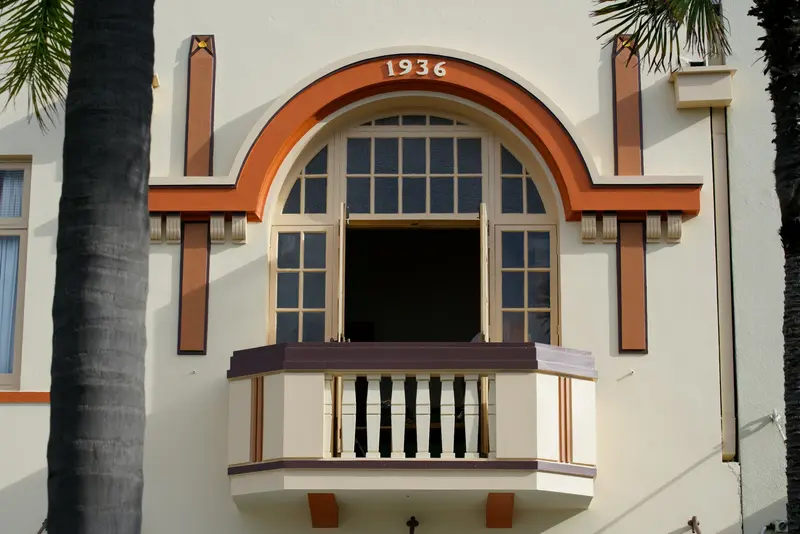
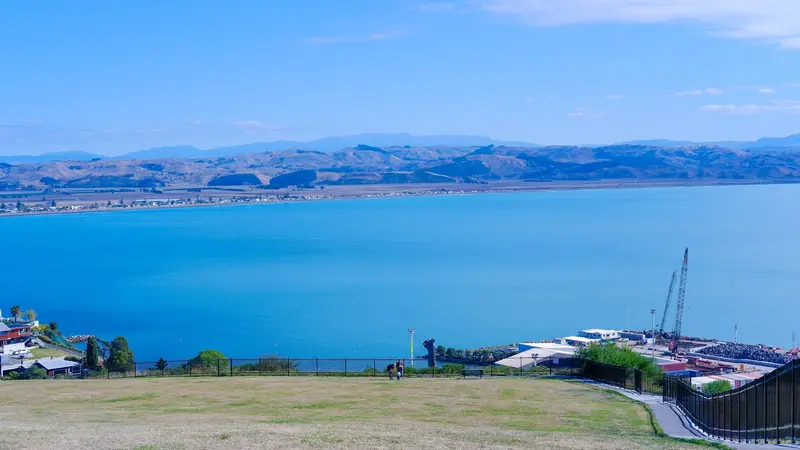
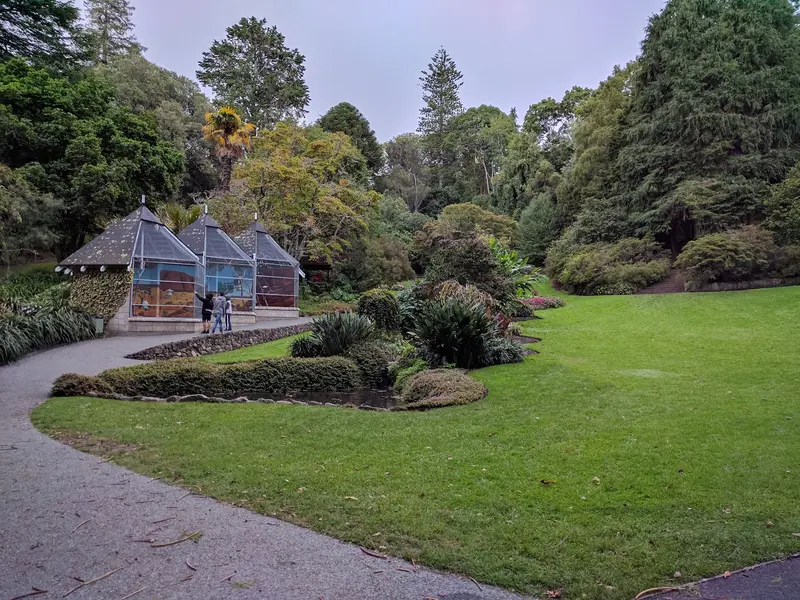
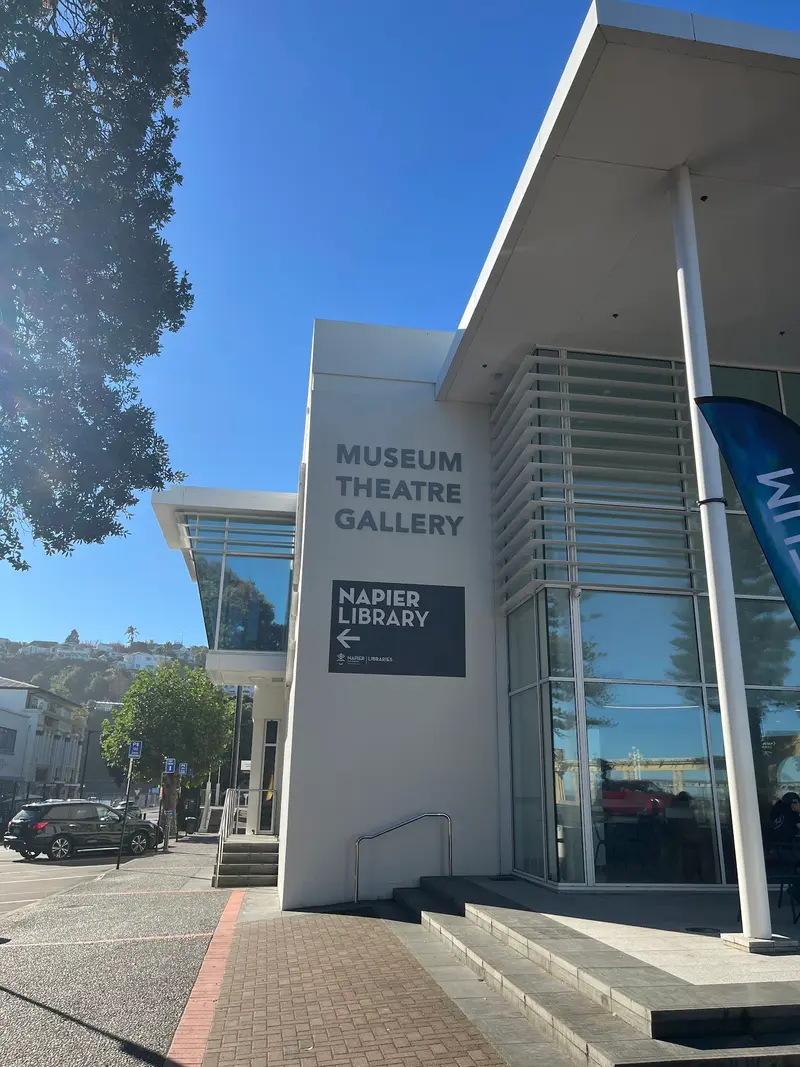
Napier in der Hawke's Bay ist international bekannt für seine einzigartige Art-déco-Architektur. Nach dem verheerenden Erdbeben von 1931 wurde die Stadt im Stil der 1930er Jahre neu aufgebaut, was ihr ein unverwechselbares Stadtbild verleiht. Du kannst das Zentrum am besten bei einem Spaziergang oder einer geführten Tour erkunden, um die zahlreichen historischen Gebäude wie das National Tobacco Company Building zu bestaunen. Entlang der Marine Parade findest du das National Aquarium of New Zealand und öffentliche Kunstwerke. Ein Ausflug zum nahegelegenen Te Mata Peak bietet dir Panoramablicke über die Region und die Weinberge. Der jährliche Art Deco Festival im Februar ist die ideale Zeit für einen Besuch, um die Stadt in vollem Glanz zu erleben.
Places in Napier
Discover the most important sights and attractions
Curated walking tours through the city's highlights — handpicked by experienced travel journalists.
Napiers Art-Déco-Charme: Eine Küsten- und Architektur-Entdeckungstour
Entdecken Sie auf diesem zweistündigen Spaziergang das einzigartige Art-déco-Flair von Napier. Von der malerischen Marine Parade bis zu den prächtigen Gebäuden im Stadtzentrum – tauchen Sie ein in die faszinierende Geschichte des Wiederaufbaus und genießen Sie die entspannte Atmosphäre dieser Küstenstadt. Ein Genuss für Architektur- und Geschichtsliebhaber.
Napier's cultural heritage is deeply shaped by its turbulent history. Central to this is the devastating earthquake of February 3, 1931, which almost completely destroyed the city but also led to a remarkable reconstruction. This redesign in the 1930s gave Napier its distinctive architectural character.
The city was rebuilt predominantly in the Art Deco style and complementarily in the Spanish Mission style, which earned it the nickname "Art Deco Capital". This unique architectural heritage attracts numerous visitors annually, particularly for the Art Deco Festival, a local tradition that celebrates this era.
Before European settlement, the area was known as Ahuriri, a significant Maori settlement. Its rich indigenous history influences the region's cultural landscape to this day, reflected in place names and local narratives.
Getting Around Here
Napier is a charming and compact city, perfect for exploring without the need for an elaborate metro or subway system. The local Hawke's Bay bus system, operated by Go Bus, reliably covers the city and its surroundings. Tickets are available directly from the driver, but for more frequent journeys, the Bee Card is recommended, offering cheaper fares and featuring a companion app for timetables and real-time information.Thanks to its flat topography and picturesque coastal paths, bicycles and e-scooters are extremely popular modes of transport; numerous rental stations are available for these. For longer distances or spontaneous trips, traditional taxis and ride-sharing services like Uber are conveniently usable.Napier's Art Deco centre is exceptionally pedestrian-friendly, allowing most sights and the lively Esplanade to be easily reached on foot. A rental car is primarily advisable if you wish to explore the wineries and attractions of the wider Hawke's Bay Region.
These places are nearby — perfect for additional days or a day trip.
Hawke's Bay
Willkommen in Hawke's Bay, einer Region, die dich mit ihrer unvergleichlichen Mischung aus mediterranem Klima, preisgekrönten Weinen und der weltweit einzigartigen Art-déco-Architektur von Napier verzaubern wird. Diese sonnenverwöhnte Küstenregion auf der Nordinsel Neuseelands lädt dich ein, kulinarische Genüsse zu entdecken, atemberaubende Landschaften zu erkunden und in eine reiche Kulturgeschichte einzutauchen.
Hastings
Hastings, nestled in the heart of fertile Hawke's Bay, is a hub for New Zealand's fruit and wine cultivation. The city is distinguished by its distinctive Art Deco and Spanish Mission architecture, which emerged after the devastating 1931 earthquake. A stroll through the city center reveals well-preserved buildings and a vibrant atmosphere. Particularly recommended is the weekly Hastings Farmers' Market, where you'll find regional products and specialties directly from the producers. The surrounding area boasts numerous wineries that invite you to tastings and reflect the region's wine culture. For a relaxing break, the expansive Cornwall Park is ideal. To best experience the local diversity, visit Hastings on a Saturday morning for the market and plan a tour of the surrounding wineries.
Havelock North
Dieses malerische Dorf am Fuße des Te Mata Peak ist bekannt für seine gehobenen Cafés, Boutiquen und den entspannten Lebensstil, der es zu einem beliebten Rückzugsort macht.
Taupō
Am Ufer des größten Sees Neuseelands gelegen, ist Taupō ein Mekka für Outdoor-Enthusiasten mit Angelmöglichkeiten, Wassersport und Fallschirmspringen.
Gisborne Wine Region
The Gisborne Wine Region, often called the first city in the world to see the sun, is a significant wine-growing area on New Zealand's East Coast. Here you'll find a unique combination of excellent viticulture, pristine coastal landscapes, and rich Māori history. The region is particularly known for its aromatic white wines like Chardonnay, Gewürztraminer, and Pinot Gris, but also benefits from abundant sunshine for full-bodied red wines such as Merlot. Visit the numerous wineries along Rte 35 to taste directly from the producers and learn more about sustainable cultivation. Beyond winemaking, Gisborne offers excellent surf beaches like Waikanae Beach and historical sites, including Captain Cook's landing place. A visit to the Saturday morning local market offers an authentic insight into regional produce and handicrafts. The best time for a wine trip is in late summer and autumn (March-May) to experience the harvest season and mild temperatures.