
Travel Guide New Zealand
New Zealand's two main islands offer fjords, glaciers, volcanoes, long beaches, plus vibrant Māori culture and dense hiking trails.
by Felix Gillen
Why Go To New Zealand?
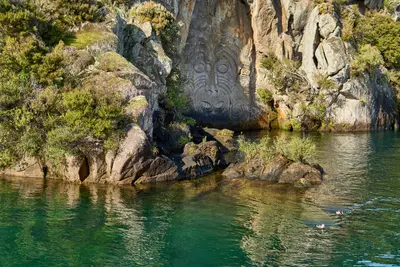
New Zealand combines fjords, glaciers, active volcanoes, and subtropical beaches within a compact area, linked by well-developed roads and a dense network of hiking trails. Additionally, there's the vibrant Māori culture, which you experience in Rotorua, the Bay of Islands, and in the country's daily life. For active nature lovers, suitable tours for every level await here, from a Great Walk to a glacier hike.
Where in New Zealand?
Pick a region. The highlights, road trips and places below follow your choice.






How to plan your trip to New Zealand
From the guide to the road: here is what comes next.
- 1
- 2
- 3
Use it on the road
Download the guide to your phone and use it on site, even offline.

Regions to Discover
Explore the diverse regions of New Zealand.






Recommended Itineraries
Discover the best routes through New Zealand.
New Zealand Classics North & South
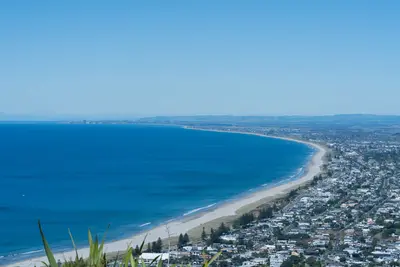
The route leads from Auckland via Rotorua to Wellington, by ferry across the Cook Strait to Picton, and then across the South Island to Lake Tekapo. The ferry takes a good three hours, and the drive from Picton via Kaikōura and Christchurch to Tekapo takes around seven hours.
Stops at a glance
View Route Details →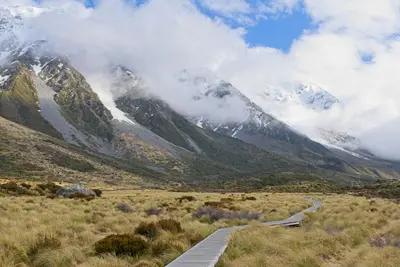
New Zealand South Island Road Trip In-depth
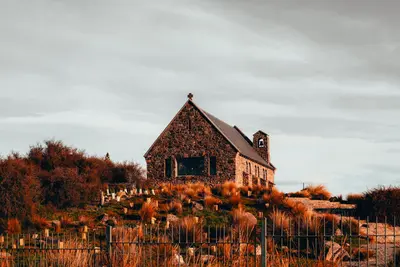
The route leads from Lake Tekapo to Aoraki/Mount Cook, on to Queenstown and Te Anau, then via Wanaka and Haast Pass to the West Coast glaciers. From Te Anau, it’s just over two hours’ drive to Milford Sound; Wanaka to Franz Josef is about four hours.
Leisurely New Zealand by Camper
From Auckland, the camper travels via Rotorua and Taupō to Wellington, with multiple nights at each place. The longest drive, from Taupō to Wellington, takes around five hours, passing Tongariro National Park.
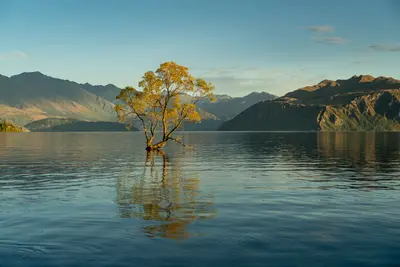
New Zealand: Comfy without a camper
The route focuses on three fixed hotel locations: Auckland, Rotorua, and Wanaka on the South Island. From Auckland to Rotorua, it's about a three-hour drive. To Wanaka, you fly via Auckland to Queenstown and then drive just over an hour from there.
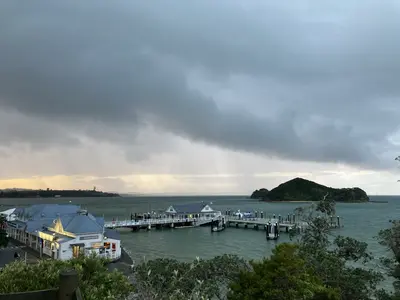
New Zealand Beach Nature Mix
From Auckland, you drive about three hours north to the Bay of Islands, then head back south via Auckland to the geothermal fields of Rotorua. The journey from the Bay of Islands to Rotorua takes a good six hours and can be split with a stop in Auckland.
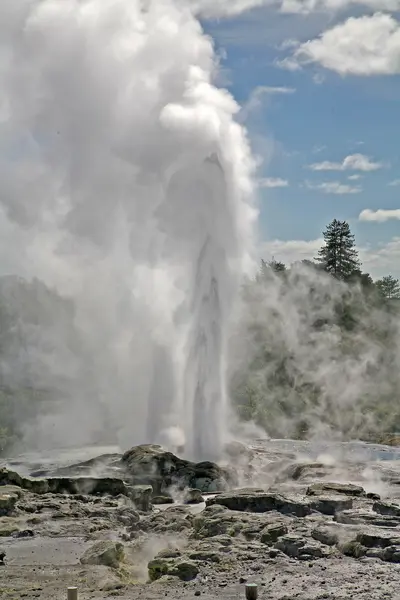
New Zealand Family-Friendly Roadtrip
On the North Island, you'll travel from Auckland to Rotorua and Taupō, then switch to the South Island for Lake Tekapo and Wanaka. Travel between these stations usually takes one to three hours; for the switch to the South Island via domestic flight or the Wellington–Picton ferry, plan at least a full day.
What you eat in New Zealand





Good to Know
Essential info for your trip planning.
Land & People
The KiwisNew Zealanders call themselves Kiwis. Around five million people live in the country, most on the North Island…
History & Society
Arrival of the MāoriThe ancestors of the Māori reached Aotearoa, as the country is called in Māori, around the 13th…
Food & Drink
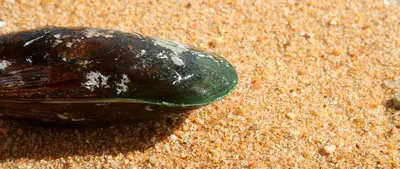
What You Should TryThe cuisine thrives on excellent primary products: lamb, beef, fish, and seafood like green-lipped…
Practical Info
Entry and CustomsGerman citizens do not need a visa for tourist stays up to three months, but require an electronic…
Getting Around
By CarMost travellers get around by rental car or campervan. Driving is on the left.
RV Travel
Vehicle and Freedom CampingNew Zealand is a classic camper country, with options ranging from simple vans to motorhomes…
Traveling with Kids
GeneralNew Zealand is a relaxed family destination: short walking trails, beaches, wildlife viewing, and many…
Best Time to Visit
When is the best time for your trip?
14–19°C·70–95 mm(moderate rain)
When is actually the best time to travel to New Zealand? Well, that's one of those questions without a single, perfect answer, as New Zealand is a country that offers its own unique charm in every season. What you should know, however, is that since New Zealand is in the Southern Hemisphere, its seasons are exactly opposite to those in Europe. When it's winter for us, New Zealand enjoys summer, and vice-versa.Let's go through the different seasons so you can decide for yourself when the perfect time for your adventure is:Summer (December to February): This is peak travel season. Days are long and warm, ideal if you enjoy hiking, relaxing on the beach, or water sports. Nature is lush green, and the atmosphere is lively. Keep in mind, however: Many New Zealanders also take their holidays then, so popular spots can be crowded, and prices for accommodation and tours may be higher. Early booking is a must here!Autumn (March to May): For many, a hidden gem! Temperatures are still pleasantly mild, tourist crowds thin out, and the landscape, especially on the South Island, transforms into a beautiful display of gold and red hues. It's a fantastic time for hikes and road trips, as trails are often less busy and the weather usually remains stable.Winter (June to August): If you're a fan of winter sports, the New Zealand winter on the South Island is exactly right for you. Here you'll find excellent ski resorts. The North Island is milder in winter but rainier. Away from the ski slopes, it's significantly quieter, prices are lower, and you'll experience a completely different, often mystical side of the country. Keep in mind that some hiking trails or roads in higher altitudes might be closed.Spring (September to November): Spring is a time of awakening. Lambs are frolicking everywhere, nature blossoms, and the days get longer. Temperatures are moderate, but the weather can still be quite changeable with occasional showers and wind. It's a good time if you want to experience nature in its full glory and avoid the biggest tourist rush.Ultimately, it all depends on what you hope to get out of your trip to New Zealand. If you want sun and beaches, choose summer. If you love golden landscapes and quieter hikes, then autumn is ideal. If you're looking for adventure on the ski slopes or solitude, winter might be just right. And if you prefer blossoming nature and want to avoid the mid-summer hustle and bustle, then spring is your time. New Zealand will enchant you no matter what.
Das Klima in Neuseeland ist aufgrund seiner geografischen Lage und Topografie sehr vielfältig. Da es auf der Südhalbkugel liegt, sind die Jahreszeiten im Vergleich zur Nordhalbkugel vertauscht. Nordinsel: Die nördlichen Regionen der Nordinsel (z.B. Northland, Auckland) haben ein subtropisches Klima mit warmen, feuchten Sommern und milden Wintern. Die Niederschläge sind über das ganze Jahr verteilt, können aber im Winter tendenziell höher sein. Südinsel: Die Südinsel hat ein eher gemäßigtes Klima. Die Westküste (z.B. Fiordland, West Coast) ist extrem regenreich, mit üppigen Regenwäldern. Die Ostküste (z.B. Canterbury, Otago) ist deutlich trockener und sonniger, mit größeren Temperaturunterschieden zwischen Sommer und Winter. Im Landesinneren der Südinsel prägen die Südlichen Alpen ein alpines Klima mit viel Schnee und niedrigen Temperaturen im Winter. Wetterphänomene: Neuseeland ist bekannt für seine schnellen Wetterwechsel. Es ist nicht ungewöhnlich, innerhalb eines Tages alle vier Jahreszeiten zu erleben, besonders in den Bergregionen. Starke Winde können ebenfalls häufig vorkommen. UV-Index: Besonders in den Sommermonaten ist der UV-Index in Neuseeland extrem hoch. Reisende sollten auf ausreichenden Sonnenschutz achten. Wassertemperaturen: Die Wassertemperaturen variieren stark zwischen Nord- und Südinsel. Im Norden können sie im Sommer bis zu 22-23°C erreichen, während sie im Süden selten über 18°C steigen und im Winter deutlich kühler sind.
Seasons
Jan
Feb
Mar
Apr
May
Jun
Jul
Aug
Sep
Oct
Nov
Dec
Sommer (Hauptsaison)
Herbst (Übergangssaison)
Winter (Nebensaison / Skisaison)
Frühling (Übergangssaison)
Best Time to Visit
▶Show detailed monthly data
| Month | Temp (°C) | Rain (mm) | Sun (h) |
|---|---|---|---|
| January | 19.0 | 75 | 7.5 |
| February | 19.0 | 70 | 7.0 |
| March | 17.0 | 85 | 6.5 |
| April | 14.0 | 95 | 5.5 |
| May | 11.0 | 110 | 4.5 |
| June | 9.0 | 120 | 3.5 |
| July | 8.0 | 115 | 3.5 |
| August | 9.0 | 105 | 4.0 |
| September | 11.0 | 90 | 5.0 |
| October | 13.0 | 80 | 6.0 |
| November | 16.0 | 70 | 7.0 |
| December | 18.0 | 65 | 7.5 |
Travel advice
Safety, entry requirements and health: the official, up-to-date advice for New Zealand is published by the UK government on GOV.UK.
Go to GOV.UK
Who's behind Fernweh?
Hi, I'm Felix.
I love to travel, and I love planning even more. Fernweh.guide is my attempt at building a really good online travel guide.