Fernweh: Home
    ExploreTravel GuidesPlan a tripMy tripLast visited
    de|en
    All Places & RegionsAll highlightsAbout FernwehFAQPrivacy PolicyImprint
    ExploreTravel GuidesPlan a tripMy tripLast visited
    • Overview
    • Places in the region
    • Culture
    • Getting around
    • Nearby
    Hawke's Bay

    New Zealand

    Hawke's Bay

    Region

    Hawke's Bay on the East Coast of the North Island is both orchard and wine country.

    by Felix Gillen

    1. Home
    2. Destinations
    3. New Zealand
    4. Hawke's Bay
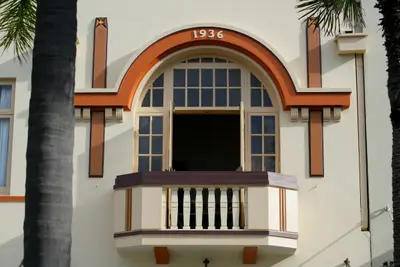
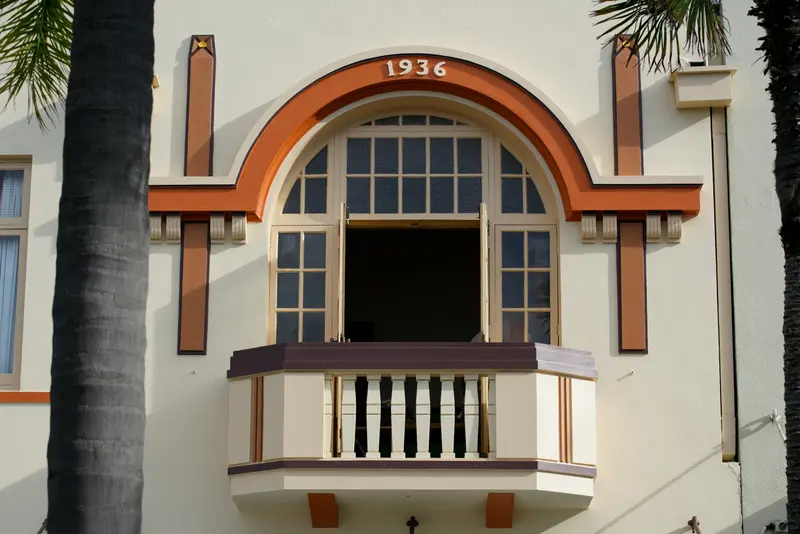
    Hawke's Bay on the East Coast of the North Island is both orchard and wine country. Around Napier, Hastings and Havelock North, apple orchards, vineyards, and gravel soils alternate; the coast features long beaches and the gannet colony at Cape Kidnappers. The 1931 earthquake still shapes the cityscape: Napier and Hastings were rebuilt in Art Deco and Spanish Mission styles afterwards.
    The Hawke's Bay region stretches along the bay of the same name on the North Island's east coast. On 3 February 1931 at 10:47 am a magnitude 7.8 earthquake struck; officially 256 people died, 161 of them in Napier and 93 in Hastings, and parts of the land were raised by up to 2.7 m. The rebuild produced the Art Deco facades of Napier and the Spanish Mission buildings of Hastings. Hawke's Bay is New Zealand's second-largest wine region, best known for the red wines of the Gimblett Gravels west of Hastings. At Cape Kidnappers / Te Kauwae-a-Māui around 6,500 pairs of Australasian gannets breed; DOC calls it the largest and most accessible mainland colony. The flat Hawke's Bay Trails link coast, rivers and wineries.
    Hastings

    Place 1 of 3

    Hastings

    Hastings is the heart of the Heretaunga fruit and wine plains in Hawke's Bay. After the 1931 earthquake, which claimed 93 lives here, the city centre was rebuilt in Art Deco and Spanish Mission styles.

    Discover
    Havelock North
    Jayden MacRae / Wikimedia Commons / CC BY-SA 3.0

    Place 2 of 3

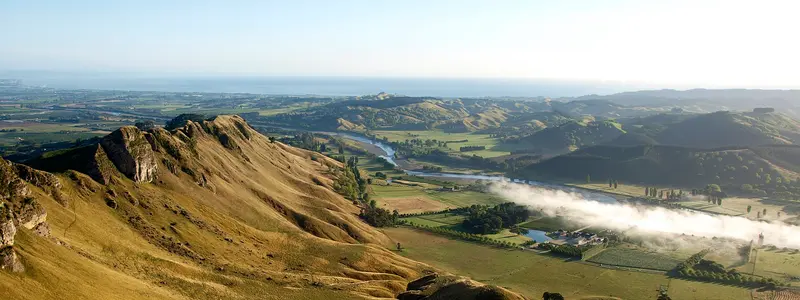
    Havelock North

    Havelock North lies southeast of Hastings at the foot of Te Mata Peak. Locals simply call the village centre “the village”: a few streets with cafés, restaurants, and shops, surrounded by orchards and vineyards.

    Discover
    Napier

    Place 3 of 3

    Napier

    Napier is located on Hawke Bay on the east coast of the North Island and is primarily known for its Art Deco centre. The earthquake of February 3, 1931, destroyed large parts of the city, after which the centre was rebuilt in the style of the era.

    Discover

    Sights in Hawke's Bay

    Discover the most important sights and attractions

    Cape Kidnappers / Te Kauwae-a-Māui Gannet Colony
    Natural Feature

    Cape Kidnappers / Te Kauwae-a-Māui Gannet Colony

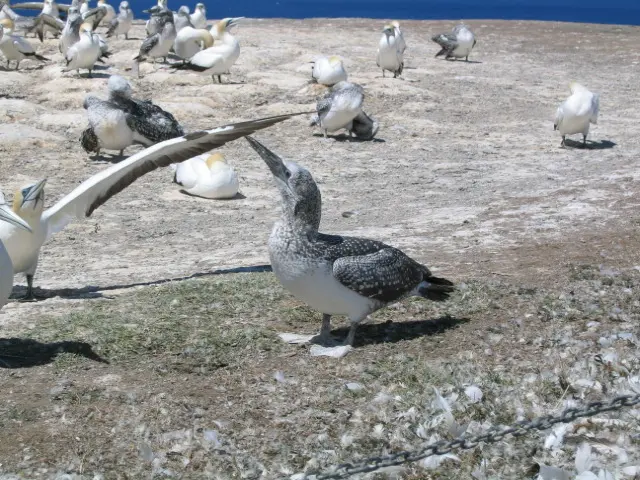
    At the southern tip of Hawke Bay, around 6,500 pairs of Australasian gannets breed. The DOC calls it the largest and most easily accessible mainland colony. On foot, you can go from Clifton along the beach, but only around low tide: Plan at least five hours return and watch out for rockfalls under the cliffs. The path up to the plateau colony is closed from July until just before Labour Weekend. Alternatively, tour operators drive across private farmland to the colony.
    Open in Google Maps
    Waimārama Beach
    Beach

    Waimārama Beach

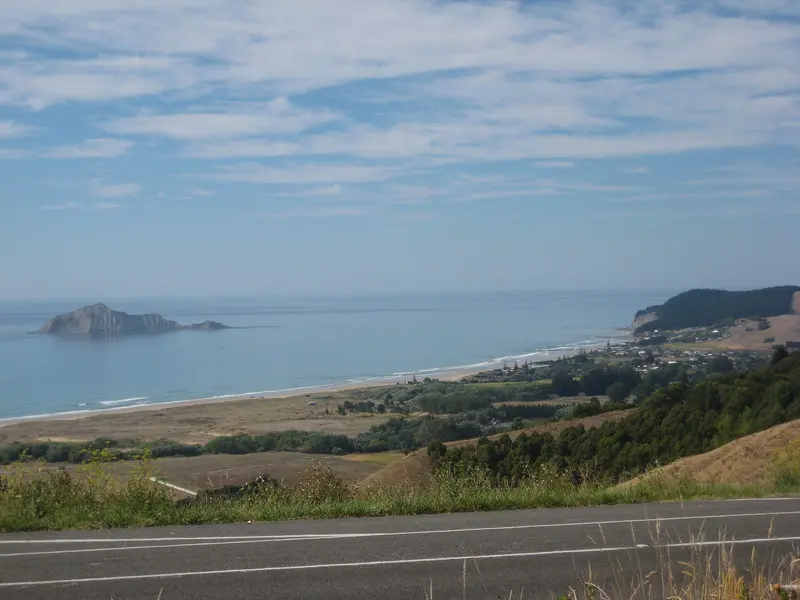
    Long surf beach on the Pacific Coast, approximately 20 minutes' drive southeast of Havelock North. Roughly 2 km offshore is the island of Motu-o-Kura (Bare Island). Lifeguards are usually on duty from November until the end of March; swim only between the flags.
    Open in Google Maps
    Tukituki River Trail
    Park

    Tukituki River Trail

    Flat cycle and walking trail of the Hawke's Bay Trails along the Tukituki. The ~30 km Tukituki Loop follows the river levee, crosses the Black Bridge, and begins at River Road. The river meets the sea at Haumoana.
    Open in Google Maps

    Culture and History

    Hawke's Bay is the tribal territory of Ngāti Kahungunu, whose marae and place names are present throughout the region. The plains around Hastings are called Heretaunga in Māori.The earthquake of 3 February 1931 (magnitude 7.8) remains the deepest rupture in the region's history: officially 256 people died, 161 in Napier, 93 in Hastings and 2 in Wairoa, and along the coast the land rose by up to 2.7 m. From the rubble grew town centres in Art Deco and Spanish Mission style that draw many visitors today.Wine and fruit growing shape everyday life. At markets such as the Farmers' Market in Hastings, growers sell directly, and many wineries open their cellar doors to guests.

    Getting around Hawke's Bay

    Hawke's Bay Airport lies north of Napier and has domestic connections. By car you reach the region via State Highways 2 (coast) and 5 (from Taupō).goBay buses run between Napier, Hastings and Havelock North. You pay cash or with the rechargeable Bee Card, which offers cheaper fares; contactless payment is not accepted.For wineries, beaches and viewpoints a rental car is the most convenient option. A good alternative is the bike: the flat Hawke's Bay Trails run along the coast, beside the Tukituki and through the vineyards.After Cyclone Gabrielle a national state of emergency was declared from 14 February 2023, and roads and bridges were badly damaged. Check current road conditions with NZTA before you travel. General advice is in the travel and safety information of the German Federal Foreign Office, linked on the country page.

    Nearby

    Napier

    Napier

    Napier is located on Hawke Bay on the east coast of the North Island and is primarily known for its Art Deco centre. The earthquake of February 3, 1931, destroyed large parts of the city, after which the centre was rebuilt in the style of the era. Today, you can stroll among pastel-coloured facades, walk along the Marine Parade by the sea, and view the harbour from Bluff Hill. The Hawke's Bay wineries are just a short drive away.

    Hastings

    Hastings is the heart of the Heretaunga fruit and wine plains in Hawke's Bay. After the 1931 earthquake, which claimed 93 lives here, the city centre was rebuilt in Art Deco and Spanish Mission styles. Today, you can stroll from the Clock Tower through Heretaunga Street, visit the Farmers' Market on Sundays, and head from here to the Gimblett Gravels wineries or up Te Mata Peak near Havelock North.
    Havelock North

    Havelock North

    Havelock North lies southeast of Hastings at the foot of Te Mata Peak. Locals simply call the village centre “the village”: a few streets with cafés, restaurants, and shops, surrounded by orchards and vineyards. From here, drive or hike up Te Mata Peak and visit local wineries.
    Taupō

    Taupō

    Taupō is located on the northeastern shore of Lake Taupō, New Zealand's largest lake. The lake fills a caldera formed by massive volcanic eruptions; the last major eruption occurred around 232 AD.The town is a base for water sports, trout fishing, skydiving, and excursions to Huka Falls, Craters of the Moon, and Tongariro National Park, whose volcanoes you can see from the shore on clear days.
    Tongariro Nationalpark Gebiet

    Tongariro Nationalpark Gebiet

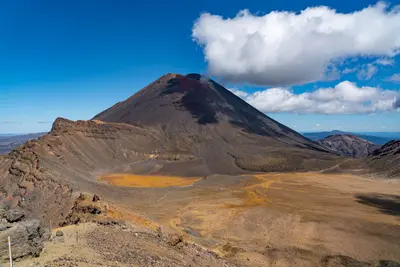
    Three active volcanoes dominate the Tongariro National Park: Tongariro, Ngāuruhoe, and Ruapehu. The park was established in 1894 as New Zealand's first national park, and in 1993 it became the first site listed under the new criteria for cultural landscapes on the World Heritage List, making it both a natural and cultural heritage site. The most famous trail is the Tongariro Alpine Crossing, which climbs from 1120 meters at the Mangatepopo car park to 1886 meters at Red Crater and descends to 760 meters at Ketetahi Road. Additionally, shorter trails from Whakapapa Village to Taranaki Falls, to the Tama Lakes, and through the beech forest along Whakapapanui Stream are also rewarding.The volcanoes are active. Before every tour, check the current status with DOC and GeoNet and read the travel and safety advice from the Auswärtiges Amt, which is linked on our country page.

    Sources & method

    • Photos: Wikimedia Commons, Pexels. Each photo carries its credit.
    • The content is based on web research from public, traceable sources. How the content is made · The role of AI