Fernweh
    ExploreTravel GuidesMy Trips
    de|en
    About FernwehImprintFAQPrivacy Policy
    ExploreTravel GuidesMy Trips
    Óbidos

    Óbidos

    CityCulture
    1. Home
    2. Destinations
    3. Portugal
    4. Costa de Prata (Silver Coast)
    5. Óbidos
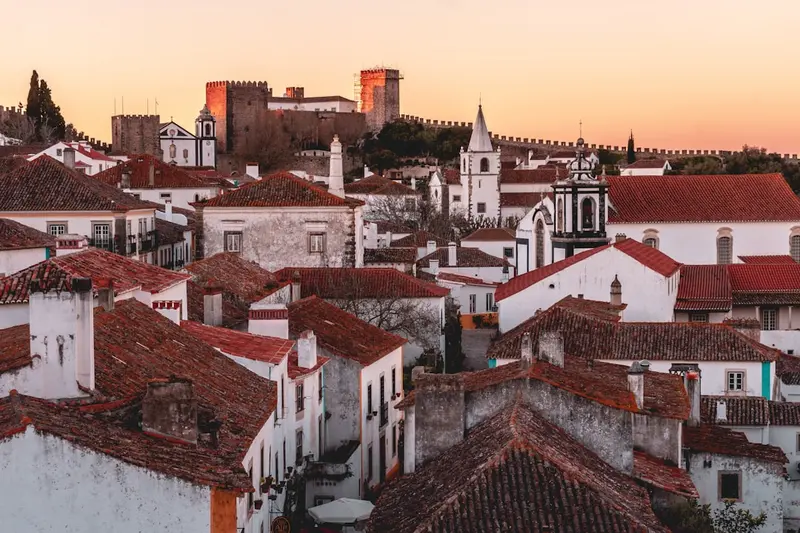
    A picturesque, medieval town, surrounded by an impressive city wall, which, with its narrow streets, whitewashed houses, and blooming bougainvillea, is a UNESCO World Heritage site.
    • Neighborhoods & highlights
    • Walking tours
    • Eat & drink
    • Culture
    • Getting around
    • Accommodation
    • Plan trip
    • Nearby
    • Neighborhoods & highlights
    • Walking tours
    • Eat & drink
    • Culture
    • Getting around
    • Accommodation
    • Plan trip
    • Nearby

    Overview

    Óbidos is a medieval fortified town in Portugal, entirely enclosed by a well-preserved city wall. Its narrow, cobblestone streets lead you past whitewashed houses, often adorned with vibrant bougainvillea and traditional azulejos. The imposing Castelo de Óbidos, now a Pousada, dominates the townscape and testifies to the town's royal past, once a wedding gift. Along the main street, Rua Direita, you'll find craft shops and cafés offering the local Ginjinha de Óbidos, a cherry liqueur, often served in a chocolate cup. Óbidos is also known as a UNESCO City of Literature, reflected in its numerous bookstores and cultural events. To experience its charming atmosphere without the largest tourist crowds, a visit in the early morning or late afternoon is recommended. The shoulder months in spring or autumn also offer pleasant weather to walk the city walls in peace and enjoy the far-reaching views.

    Places in Óbidos

    Discover the most important sights and attractions
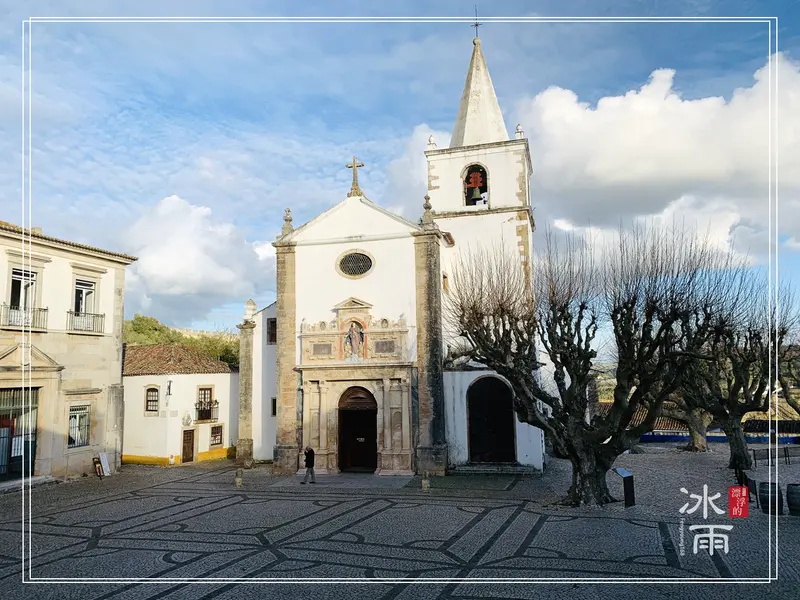
    Sights in Óbidos

    Capela de Nossa Senhora de Monserrate

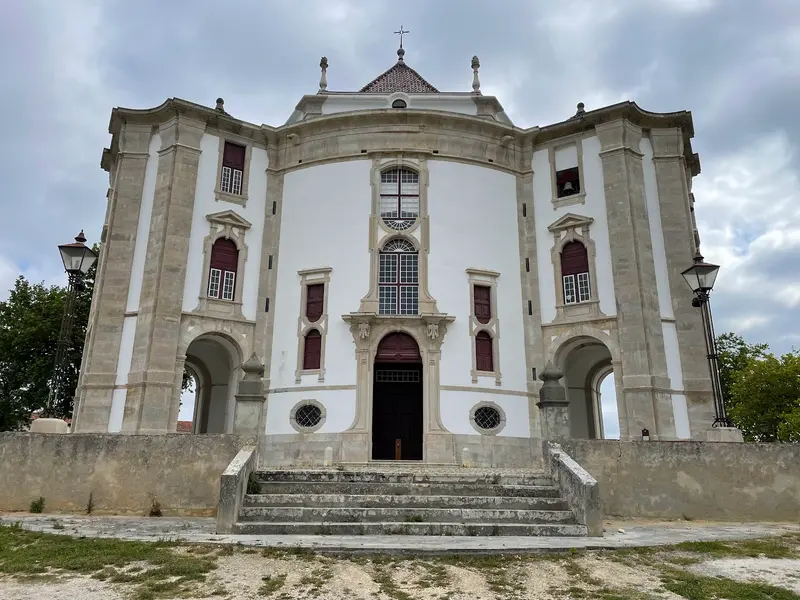
    The Capela de Nossa Senhora de Monserrate, located slightly off Óbidos' main tourist path, offers you a moment of peace and contemplation. This small but historically significant chapel is dedicated to Our Lady of Monserrate, its patron saint, and bears witness to the deeply rooted piety of the local population. Its simple, traditional architecture reflects the rural building style of the region and stands in contrast to the more imposing structures within the city walls. Here you will find a plain facade and a modest interior, often adorned with votive offerings. The chapel is a testament to local history and faith, away from the bustling streets. From here, you also enjoy an undisturbed view of the surrounding landscape and the imposing aqueduct structure that supplied Óbidos with water. Our tip: Combine your visit to the chapel with a stroll along the aqueduct to explore the city's historic water supply. For photographers, the late afternoon is ideal, when the light bathes the chapel and the landscape in warm tones, allowing you to capture the tranquility of the place undisturbed.
    Open in Google Maps

    Convento das Donas Emparedadas

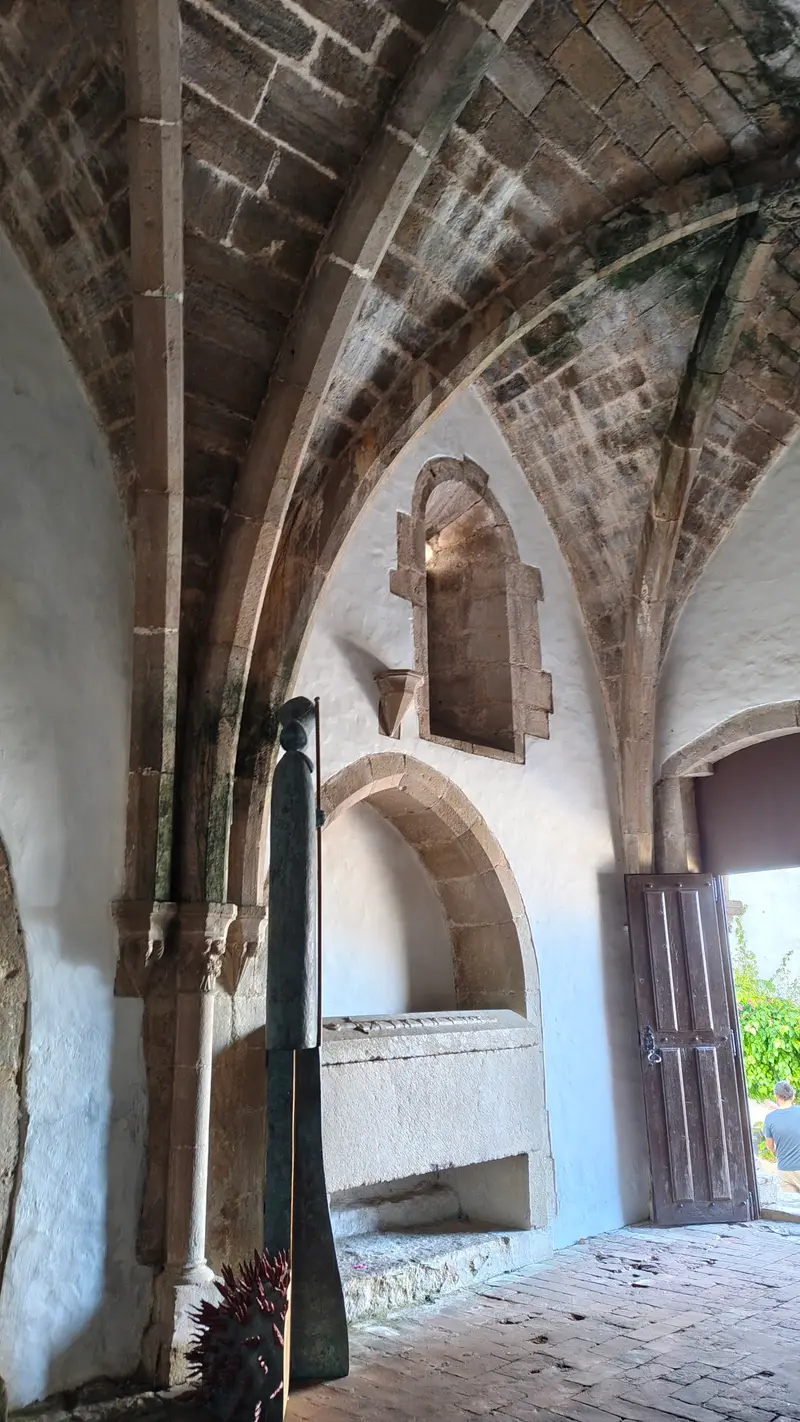
    The Convento das Donas Emparedadas in Óbidos, located near the main church Santa Maria, is a place of quiet historical significance. Its name, which translates to "Convent of the Walled-in Ladies," refers to the legend or practice of noblewomen living here in strict seclusion, often for religious reasons or as penance. You won't find a grand museum here, but rather a humble building that reflects the ascetic lifestyle of its former inhabitants. The architecture is simple and functional, typical of religious institutions of that era, and invites reflection on the past. Although access to the interior is often restricted, even a glance from the outside conveys a sense of the seclusion and deep piety that characterized this place. It is a testament to the social and religious practices of medieval Portugal. For a comprehensive understanding of Óbidos' history, you should consider the Convent in conjunction with a visit to the neighboring Igreja de Santa Maria. It's best to plan your visit for the early morning or late afternoon to enjoy the tranquility of this historic site away from the largest tourist crowds and to let its special atmosphere truly resonate with you.
    Open in Google Maps

    Mirador

    The Mirador in Óbidos offers you an unparalleled perspective of the picturesque medieval town and its surroundings. From this strategically important viewpoint, historically serving to monitor access routes, you can take in the fully preserved town wall, the narrow streets with their whitewashed houses, and the imposing Castelo de Óbidos. You can admire the fortress's careful planning and the gentle hilly landscape stretching to the horizon. Especially impressive is the view of the Roman aqueduct, which majestically winds through the landscape. Our Tip: Visit the Mirador in the late afternoon to capture the golden light of the setting sun over Óbidos' rooftops. For an undisturbed experience and the best photos, visiting outside of peak travel times is recommended, ideally on a weekday early in the morning.
    Open in Google Maps

    Óbidos

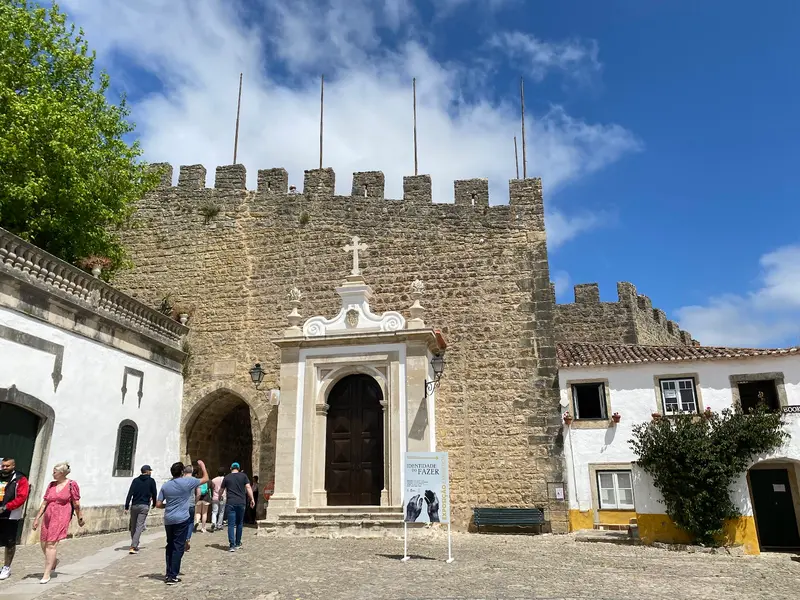
    Óbidos is one of Portugal's best-preserved medieval walled towns. Here you'll find a town completely encircled by walls, which King Dinis presented to his wife, Queen Isabel, as a wedding gift in the 13th century. Upon entering through the Porta da Vila, you immediately step back in time. Its narrow, cobblestone streets wind between whitewashed houses adorned with blue or yellow accents and vibrant flowers. Perched atop the hill, the imposing Óbidos Castle now houses a luxurious Pousada. A stroll along the town walls offers breathtaking views over the city's rooftops and the surrounding landscape. Our Tip: Visit Óbidos early in the morning or late afternoon to avoid the largest crowds and peacefully soak in the unique atmosphere. Be sure to try the local cherry liqueur Ginjinha, often served in a chocolate cup.
    Open in Google Maps

    Arco da Cadeia

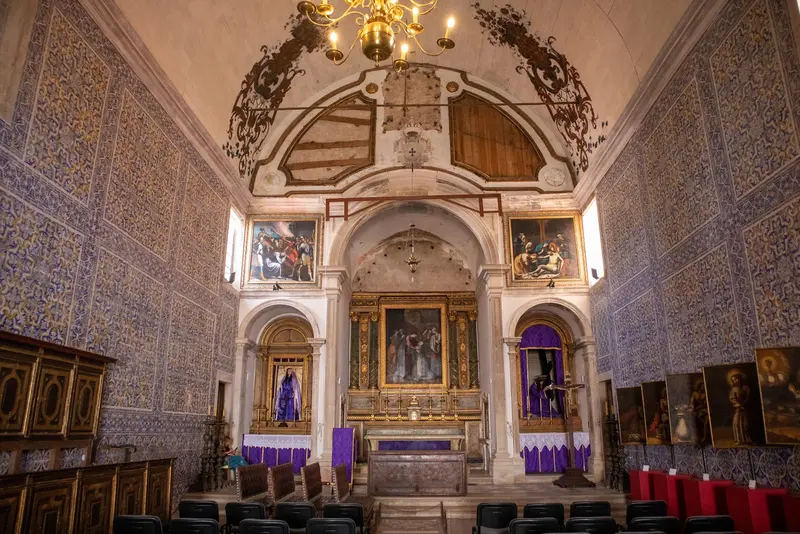
    The Arco da Cadeia, often known as Porta da Vila, forms the impressive main gate to the historic town of Óbidos. You enter the walled city through this double gate complex, which represents an outstanding example of medieval military architecture. Particularly noteworthy is the inner arch, adorned with beautiful, blue-and-white Azulejos from the 18th century. These tiles depict scenes of the Passion of Christ and a Latin inscription intended to bless visitors. Above the inner arch is a small chapel, dedicated to the patron saint of Óbidos, Nossa Senhora da Piedade, symbolically protecting the town. This entrance leads you directly onto Rua Direita, the town's main axis. Our tip: Visit the Arco da Cadeia in the early morning to admire the delicate details of the Azulejos in peace and avoid the crowds. For an atmospheric photo of the gate with the city walls, a spot just outside the walls is recommended.
    Open in Google Maps

    Gorgeous Lookout

    The 'Gorgeous Lookout' viewpoint in Óbidos offers you a comprehensive view over the picturesque, medieval town and its surroundings. From here, you overlook the characteristic whitewashed houses, the narrow streets, and the imposing Óbidos Castle, which majestically rises above the landscape. This strategic point highlights the town's historical significance as a fortified settlement that once dominated the region. You can trace the well-preserved city walls that enclose Óbidos and admire the rolling hills of the Portuguese landscape. For the best lighting and to avoid the largest crowds, a visit in the early morning or late afternoon is recommended. A practical tip: Take the opportunity to capture the entire expanse of the city walls, which you can photograph particularly well from here, to preserve the unique structure of Óbidos.
    Open in Google Maps

    City walks in Óbidos

    Curated walking tours through the city's highlights — handpicked by experienced travel journalists.

    Mittelalterlicher Zauber in Óbidos: Ein Rundgang durch die Königinnenstadt

    Tauchen Sie ein in die Märchenwelt von Óbidos, einer perfekt erhaltenen mittelalterlichen Festungsstadt. Dieser zweistündige Spaziergang führt Sie durch verwinkelte Gassen, vorbei an historischen Kirchen und entlang majestätischer Stadtmauern. Entdecken Sie die reiche Geschichte und den einzigartigen Charme dieses portugiesischen Juwels.

    ~2 Std.
    In Google Maps öffnen
    Stopps (7)

    Food and Drink

    The Rich Heritage of Óbidos: Culture, Art, and History

    Óbidos is a testament to its multifaceted past, ranging from Celtic roots to Roman and Moorish settlements. However, the town attained its current form and significance after its reconquest by D. Afonso Henriques in 1148.Particularly influential was the tradition of bestowing Óbidos as a wedding gift upon Portuguese queens, starting with King D. Dinis and D. Isabel in the 13th century, which granted the town royal status and privileges for centuries. Its architecture is characterized by well-preserved medieval town walls, narrow cobblestone streets, and whitewashed houses with colorful trimmings, often featuring Manueline doors and window frames.Cultural highlights include the famous Ginjinha de Óbidos, a cherry liqueur traditionally served in small chocolate cups. The town is also known for its literary focus, with several bookstores in unusual premises, such as the former church São Tiago, which now houses a bookstore. Regular events like the International Chocolate Festival and the Medieval Market bring the historic streets to life and maintain traditions.

    Getting around

    Óbidos is a true paradise for pedestrians, with the heart of the medieval town being entirely car-free, inviting you to explore its charming, cobbled streets and historic nooks on foot. You won't find a metro or tram here, as the town's character and small size don't require them. For arrival, buses are the primary and most convenient choice, especially with direct connections from Lisbon. Look for bus lines like Rede Expressos, and purchase tickets either online or directly at the bus station.Within the town walls, bicycles and e-scooters are impractical due to the uneven cobblestones and narrow streets; however, they are excellent for exploring the picturesque surroundings outside. Taxis and ride-sharing services will reliably take you to the gates of Óbidos, from where you can comfortably continue on foot. Our practical travel tip: Be sure to pack comfortable shoes to easily navigate the cobblestone streets and gentle inclines. Parking facilities can be found outside the town walls.

    Accommodations in Óbidos

    Accommodations in Óbidos

    Find perfect stay in Óbidos

    Booking.com
    Search Hotels
    Agoda
    Search Hotels
    Airbnb
    Vacation Rentals
    Hotels.com
    Hotels Worldwide
    Hostelworld
    Hostels

    Campgrounds in Óbidos

    Find perfect campground in Óbidos

    Search via Google Maps
    Campgrounds nearby (15km)
    Camping.info
    Find Campgrounds
    Park4Night
    RV Parks & Camping

    Plan your trip to Óbidos

    Save places, build a route and plan your city trip — all in one place.

    Save places

    Bookmark sights, restaurants and neighborhoods you're interested in.

    Build your route

    Turn your bookmarks into a route — define order, days and budget.

    Refine with AI

    Let Mein Fernweh suggest experiences and put together a tailored daily plan.

    Start trip planningOpen bookmarks

    Locations nearby

    These places are nearby — perfect for additional days or a day trip.

    Costa de Prata (Silver Coast)

    Costa de Prata (Silver Coast)

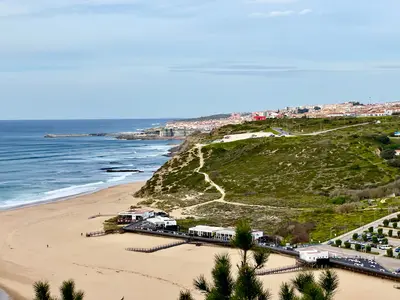
    The Costa de Prata, Portugal's fascinating Silver Coast, stretches between Lisbon and Porto and enchants with a mix of golden sandy beaches, dramatic cliffs, and charming fishing villages. This region offers an authentic Portuguese experience, dotted with historical heritage, world-famous surf spots, and a relaxed way of life away from the largest tourist crowds.
    Peniche

    Peniche

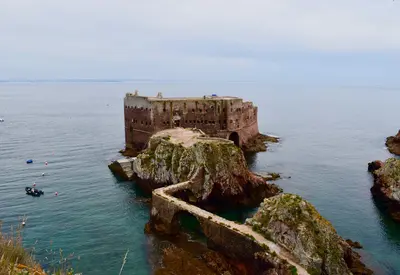
    Peniche is a significant port city on Portugal's west coast, renowned for its rich maritime history and distinct surf culture. Here you'll find the imposing Fortress of Peniche, which serves as a museum illuminating the region's eventful past and offering panoramic views. The coast around Peniche is famous for its top-class surf spots, including the world-renowned Supertubos with its powerful waves. The lively fishing port shapes the cityscape; fresh fish and seafood are a culinary specialty you can savor in the local restaurants. An excursion to the Berlengas Islands, a protected archipelago, reveals unique nature and impressive grottoes that you can explore by boat. The months from September to November offer optimal conditions for surfers, while the summer months are ideal for exploring the coast and islands.
    Nazaré

    Nazaré

    Nazaré, an iconic coastal town on Portugal's Silver Coast, uniquely combines deeply rooted fishing traditions with the adrenaline of big-wave surfing. Here, you'll experience a fascinating maritime culture, kept alive by the presence of traditional fishermen and the distinctive women in their "Sete Saias". A visit to the upper town of Sítio is essential; travel up comfortably on the historic funicular and enjoy unforgettable panoramic views of the bay and the Atlantic from the viewpoint. Here you will also find the Santuário de Nossa Senhora da Nazaré, an important pilgrimage site. At Praia do Norte, you can marvel at the legendary giant waves in the winter months that have made Nazaré world-famous. For a deeper insight into the wave phenomena and surfing culture, a visit to the lighthouse at Forte de São Miguel Arcanjo is worthwhile.
    Ribatejo

    Ribatejo

    Ribatejo, the heart of Portugal, stretches along the majestic Tejo and enchants with its unspoiled landscape, deeply rooted traditions, and vibrant way of life. Known as the land of horses, bulls, and fertile plains, the region offers a fascinating blend of rural charm, rich history, and unforgettable cultural experiences.
    Santarém

    Santarém

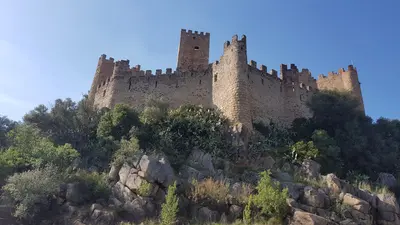
    Santarém, perched on a plateau above the Tejo, is known as Portugal's "Gothic Capital" and boasts a long history. Here you'll find impressive Gothic architecture, such as the Sé Catedral de Santarém, built on the foundations of a Jesuit college. The Jardim das Portas do Sol, situated on the ruins of a Moorish fortress, offers expansive panoramic views over the Tejo Valley and the surrounding landscape. In the Middle Ages, the city was a royal center and played a strategic role in Portuguese history. Characteristic of the Ribatejo region are also its traditions centered around horses and bullfighting, reflected in the architecturally significant Praça de Touros. For a relaxed visit, spring or autumn are recommended to peacefully explore the historic alleys and viewpoints. Take the opportunity to sample authentic Ribatejo cuisine in the local restaurants.