The Costa de Prata, the Silver Coast, is the coastal stretch between Lisbon and Coimbra, encompassing the districts of Leiria and the western area around Caldas da Rainha.
The Costa de Prata, the Silver Coast, is the coastal stretch between Lisbon and Coimbra, encompassing the districts of Leiria and the western area around Caldas da Rainha. Here lie the walled town of Óbidos, the monasteries of Alcobaça and Batalha, both UNESCO World Heritage sites, the fishing and surfing town of Nazaré, the Peniche peninsula, and the pilgrimage site of Fátima in the hinterland.
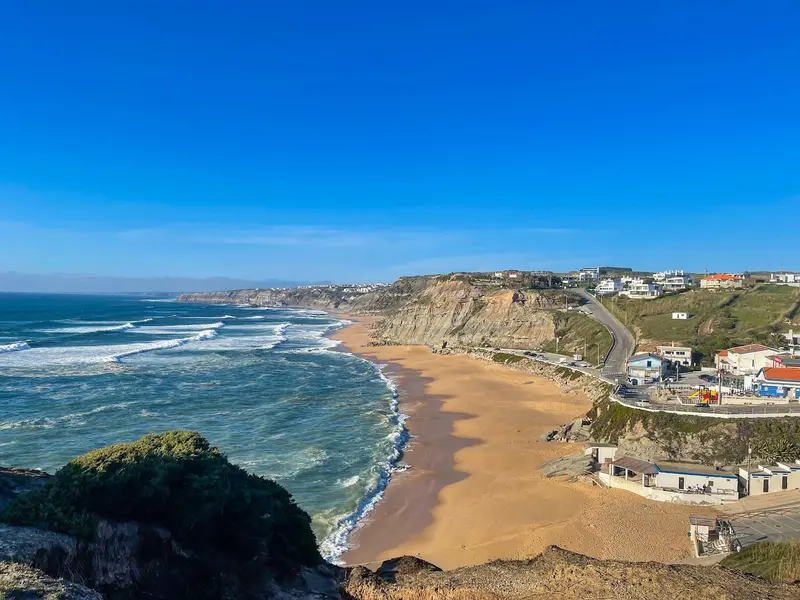
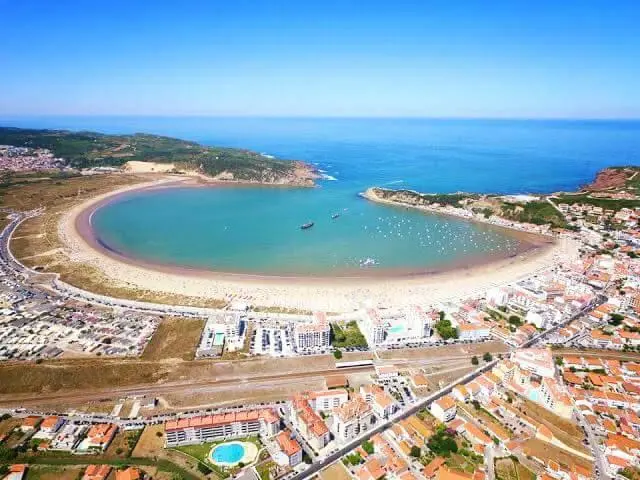
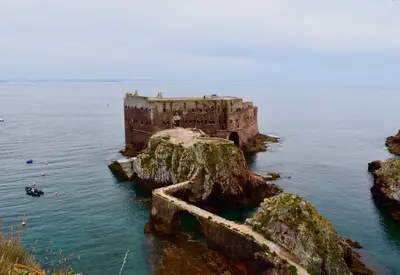
Most destinations are close; Óbidos, Alcobaça, Batalha, and Nazaré can be combined by car in one long day, but two to three days are more relaxed. The coast is wavy: Nazaré is known for its giant winter waves, Peniche and Baleal for surf lessons. For calmer swimming, visit the almost enclosed bay of São Martinho do Porto. Off Peniche lie the Berlengas Islands, accessible by boat in summer. Buses connect the towns and Lisbon; the coastal railway line is slow.
Place 1 of 4
Óbidos
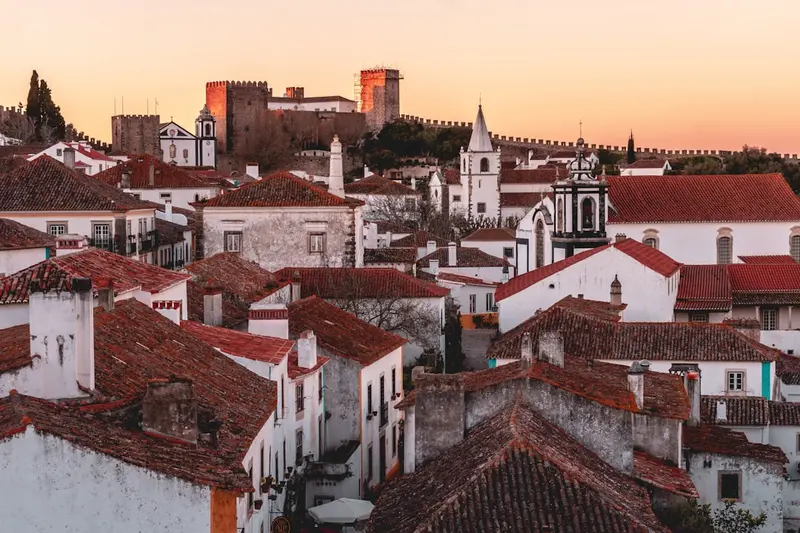
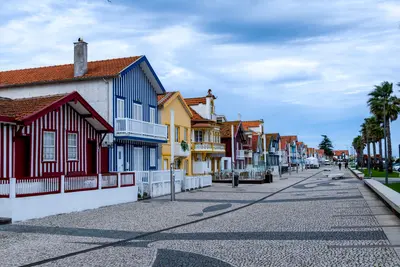
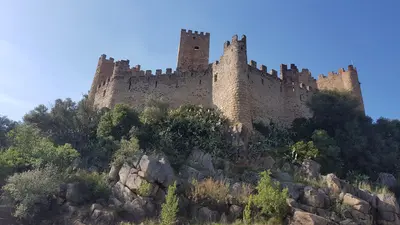
Óbidos is a small town, completely surrounded by a medieval wall, about 80 kilometers north of Lisbon. Inside the walls are white houses with blue and yellow trim, cobblestone streets, and churches; the castle crowns the top.
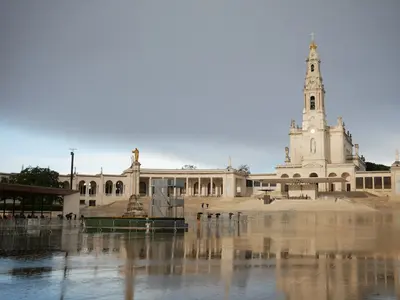
Fátima is one of the world's largest Catholic pilgrimage sites. In 1917, three shepherd children reportedly had multiple apparitions of the Virgin Mary here.
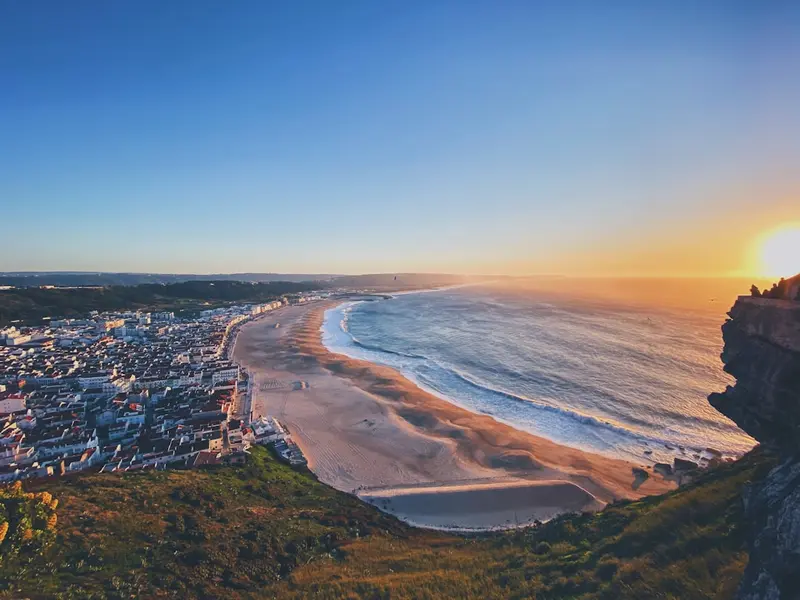
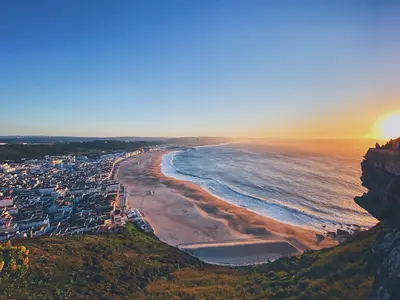
Nazaré is a fishing and beach town on the Costa de Prata, around 120 km north of Lisbon. The lower town is on the long sandy beach; atop the cliff sits Sítio, with a pilgrimage church and viewpoint.
Peniche is a fishing and port town on a rocky peninsula around 90 kilometres north of Lisbon. The waves at the beaches of Baleal and Supertubos make it one of Europe's most important surf spots.
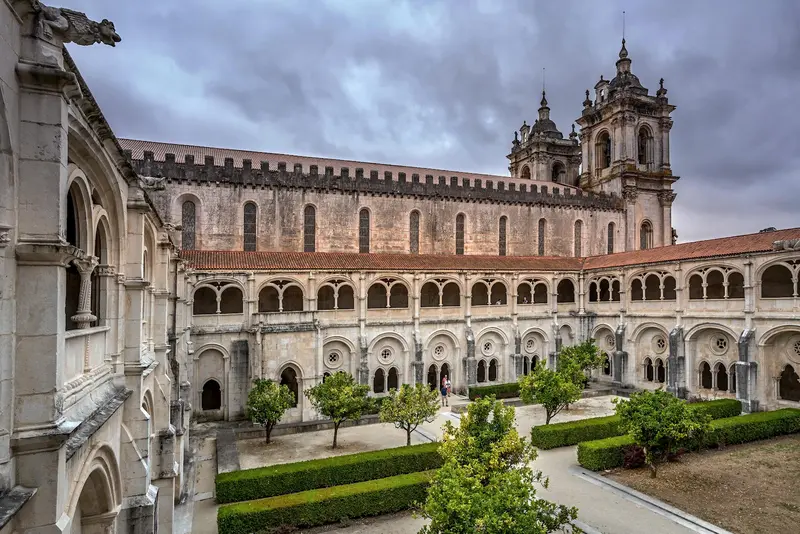
12th-century Cistercian monastery and UNESCO World Heritage site. The simple Gothic church contains the tombs of King Pedro I and Inês de Castro, plus the cloister, dormitory, and tiled monastery kitchen.
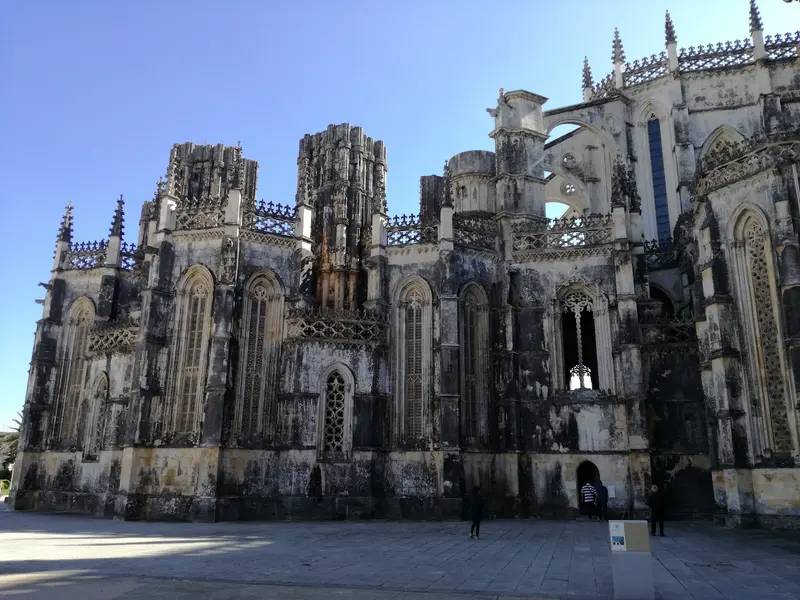
Dominican Monastery, a UNESCO World Heritage site founded by King João I after the 1385 victory at Aljubarrota. Must-sees: Founders' Chapel (with royal tomb), cloisters, and the Unfinished Chapels (Capelas Imperfeitas) with their Manueline portal.
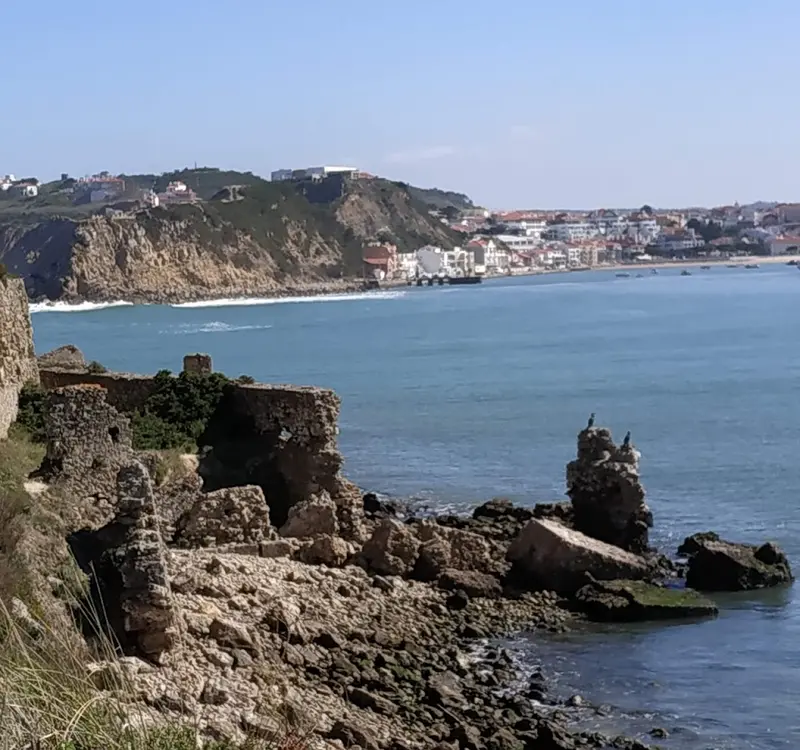
Almost circular bay with a narrow opening to the Atlantic, hence mostly calm water. One of the few family-friendly swimming beaches on this wave-rich coast.
Founded in the 12th century, the Cistercian Monastery of Alcobaça houses the tombs of King Pedro I and Inês de Castro in its church. The Monastery of Batalha was built by João I after his victory at Aljubarrota in 1385, combining Gothic with Manueline elements. Both are UNESCO World Heritage.Caldas da Rainha is known for its ceramics, Óbidos for Ginja, a cherry liqueur often served in chocolate cups. In Nazaré, some older women still wear the traditional skirts with several layers.
On the Road on the Costa de Prata
You're most flexible by car; the A8 motorway runs north from Lisbon. Buses run from Lisbon to Óbidos, Caldas da Rainha, Nazaré, Peniche, Alcobaça, Batalha and Fátima. The Linha do Oeste railway line is slow and infrequent.