Fernweh: Home
    ExploreTravel GuidesPlan a tripMy tripLast visited
    de|en
    All Places & RegionsAll highlightsAbout FernwehFAQPrivacy PolicyImprint
    ExploreTravel GuidesPlan a tripMy tripLast visited
    • Overview
    • Places in the region
    • Eat & drink
    • Culture
    • Getting around
    • Nearby
    Ribatejo

    Portugal

    Ribatejo

    Region

    The Ribatejo is the region on both sides of the middle Tejo northeast of Lisbon. It is flat, fertile alluvial land with viticulture, rice fields, and pastures where horses and fighting bulls are bred.

    by Felix Gillen

    1. Home
    2. Destinations
    3. Portugal
    4. Ribatejo
    The Ribatejo is the region on both sides of the middle Tejo northeast of Lisbon. It is flat, fertile alluvial land with viticulture, rice fields, and pastures where horses and fighting bulls are bred. Key towns are Santarém with its Gothic churches and Tomar with the Templar castle Convento de Cristo, plus the river castle of Almourol.
    The Ribatejo is not a classic tourist destination, but it is well-located between Lisbon, Fátima, and the Alentejo. You can reach Santarém from Lisbon in an hour by train, Tomar in just under two. The Convento de Cristo in Tomar is the main reason to visit, while Almourol Castle on its Tejo island is a popular photo stop. In the Lezíria, south of Santarém, with a bit of luck, you might spot the Campinos, the region's horsemen. For the villages and wineries, you'll need a car.
    Castelo de Almourol

    Place 1 of 3

    Castelo de Almourol

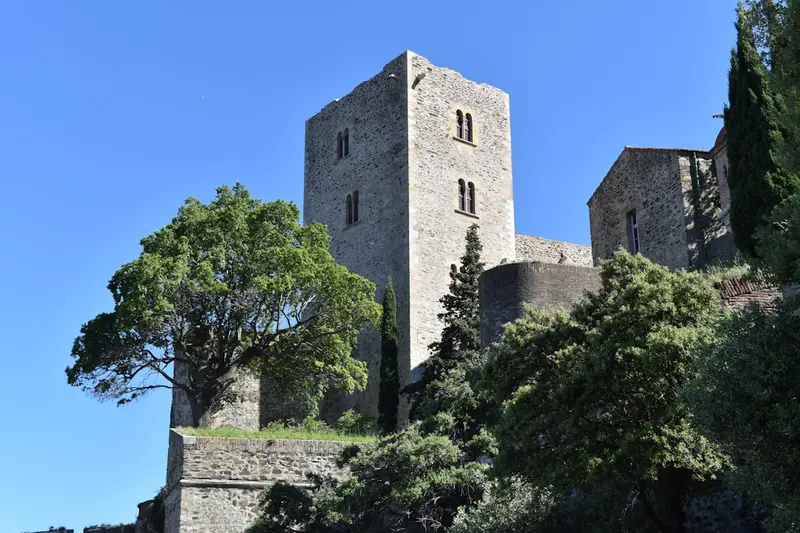
    The Castelo de Almourol stands on a small rocky island in the middle of the Tejo River between Tancos and Vila Nova da Barquinha. The Templars rebuilt the castle in 1171 under Gualdim Pais on older foundations; it secured the former border line on the Tejo.

    Discover
    Santarém

    Place 2 of 3

    Santarém

    Santarem is located on a plateau high above the Tejo, about 80 kilometers northeast of Lisbon. It is often referred to as the Capital of Gothic due to its many Gothic churches.

    Discover
    Tomar

    Place 3 of 3

    Tomar

    Tomar, on the River Nabão, was the seat of the Knights Templar in Portugal during the Middle Ages. Above the town stands their fortified monastery, the Convento de Cristo, a UNESCO World Heritage site since 1983.

    Discover

    Essen & Trinken

    1

    Miradouro dos Persas

    Bar in Praceta João Caetano Brás.
    Show on Google Maps
    2

    TANDOORI BITES SANTAREM

    Restaurant in R. Gonçalo Mendes da Maia 11 RCESQ (ex.
    Show on Google Maps
    3

    Taberna do Quinzena

    Restaurant in R. Pedro de Santarém 93 95.
    Show on Google Maps
    4

    O Torgal

    Restaurant in R. Alfageme de Santarém 37.
    Show on Google Maps
    5

    Restaurante Dom Nunes

    Restaurant in Av. Marquês de Pombal 7.
    Show on Google Maps
    6

    Tascá

    Bar in R. Arco Manços nº8.
    Show on Google Maps
    7

    O Capote Restaurante

    Restaurant in R. Dr. Jaime Figueiredo 8.
    Show on Google Maps
    8

    Restaurante Chinês Fulin

    Restaurant in R. Alexandre Herculano 195.
    Show on Google Maps

    Restaurante Alecrim

    Restaurant in R. Dom Nuno Álvares Pereira.
    Show on Google Maps
    9

    O Micas - Churrasqueira de S. Domingos

    Restaurant in Av. Marquês de Pombal Lt. 83 R/C-Esqº.
    Show on Google Maps
    10

    Restaurante XPTO

    Restaurant in Av. Bernardo Santareno 50.
    Show on Google Maps
    11

    Adiafa

    Restaurant in Campo Emílio Inf. da Câmara.
    Show on Google Maps

    Culture and History

    In the Middle Ages, the Ribatejo was a borderland of the Reconquista; the Knights Templar built castles here like Tomar and Almourol. Later, the Order of Christ, successors to the Knights Templar, with its seat in Tomar, became a financier of the Voyages of Discovery.To this day, horse and bull breeding shape the culture of the Lezíria. The Campinos wear red waistcoats and green caps. Bullfights are held in the Portuguese style; the bull is not killed in the arena.

    On the Road in Ribatejo

    Santarém is on the Lisbon–Porto railway line, while Tomar has its own branch line from Lisbon. To Almourol Castle, it's best to travel by car, but Almourol train station is nearby. For the Lezíria and the wineries, a car is necessary.
    Nearby

    Santarém

    Santarém

    Santarem is located on a plateau high above the Tejo, about 80 kilometers northeast of Lisbon. It is often referred to as the Capital of Gothic due to its many Gothic churches. From the Portas do Sol garden, you look out far over the river and the flat Lezíria, the land of horse and bull breeding. The old town is quiet and not very touristy.
    Castelo de Almourol

    Castelo de Almourol

    The Castelo de Almourol stands on a small rocky island in the middle of the Tejo River between Tancos and Vila Nova da Barquinha. The Templars rebuilt the castle in 1171 under Gualdim Pais on older foundations; it secured the former border line on the Tejo. Today, it is one of the most famous photo motifs of the Ribatejo.
    Óbidos

    Óbidos

    Óbidos is a small town, completely surrounded by a medieval wall, about 80 kilometers north of Lisbon. Inside the walls are white houses with blue and yellow trim, cobblestone streets, and churches; the castle crowns the top. Since 2015, Óbidos has been part of the UNESCO Cities of Literature network, and several bookshops are housed in unusual spaces. During the day it is very busy, but significantly quieter in the mornings and evenings.
    Costa de Prata (Silver Coast)

    Costa de Prata (Silver Coast)

    The Costa de Prata, the Silver Coast, is the coastal stretch between Lisbon and Coimbra, encompassing the districts of Leiria and the western area around Caldas da Rainha. Here lie the walled town of Óbidos, the monasteries of Alcobaça and Batalha, both UNESCO World Heritage sites, the fishing and surfing town of Nazaré, the Peniche peninsula, and the pilgrimage site of Fátima in the hinterland.
    Fátima

    Fátima

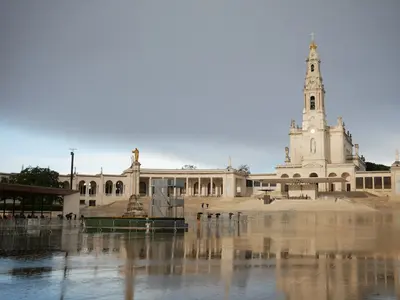
    Fátima is one of the world's largest Catholic pilgrimage sites. In 1917, three shepherd children reportedly had multiple apparitions of the Virgin Mary here. Today, a huge square surrounds the small Chapel of the Apparitions, with two basilicas at its ends. The town thrives almost entirely on pilgrims; hotels and devotional shops line up around the sanctuary.

    Sources & method

    • Photos: Unsplash. Each photo carries its credit.
    • Place data such as addresses and ratings comes from Google Maps.
    • The content is based on web research from public, traceable sources. How the content is made · The role of AI