Fernweh
    ExploreTravel GuidesMy Trips
    de|en
    About FernwehImprintFAQPrivacy Policy
    ExploreTravel GuidesMy Trips
    Castelo de Almourol

    Castelo de Almourol

    CityCulture
    1. Home
    2. Destinations
    3. Portugal
    4. Ribatejo
    5. Castelo de Almourol
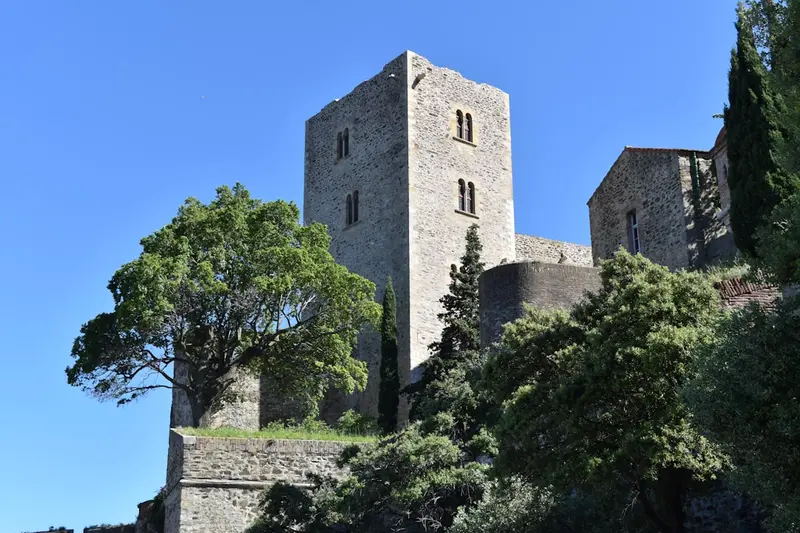
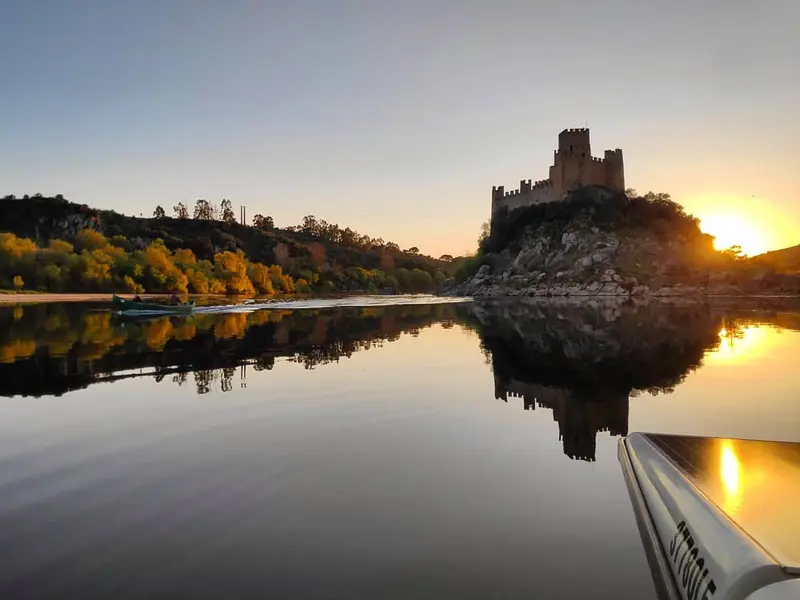
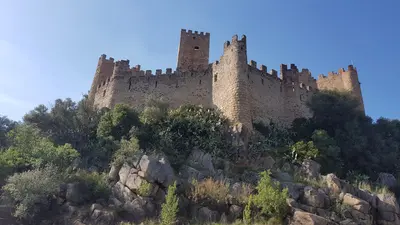
    The Castelo de Almourol stands imposingly on a small island in the middle of the Tejo River, representing an outstanding example of medieval military architecture in Portugal. Originally built in the 12th century by the Knights Templar, the fortress bears witness to its strategic importance during the Reconquista. You can only reach the well-preserved castle, with its nine towers and prominent donjon, by boat, making the visit a special experience. From the castle walls, you can enjoy sweeping views over the river landscape, which is enveloped in an almost mystical atmosphere. The architecture reflects its function as a defensive structure, with details such as the keep and the cisterns being particularly striking. For a relaxed visit, the late afternoon or off-season is recommended to fully appreciate the tranquility of the surroundings and avoid the crowds.
    • Neighborhoods & highlights
    • Eat & drink
    • Culture
    • Getting around
    • Accommodation
    • Plan trip
    • Nearby
    • Neighborhoods & highlights
    • Eat & drink
    • Culture
    • Getting around
    • Accommodation
    • Plan trip
    • Nearby

    Overview

    The Castelo de Almourol rises imposingly on a small island in the midst of the River Tagus, representing a unique medieval fortress in Portugal. Originally a Roman castrum, this strategically important site was rebuilt and expanded in the 12th century by the Knights Templar to support the Reconquista. Here you'll discover a well-preserved castle complex with nine towers and a tall keep, offering an authentic insight into the military architecture of the Crusades. Its elevated position provides you with spektakuläre Ausblicke (spectacular views) over the Tagus and the surrounding landscape. The castle is exclusively accessible by a short boat trip from Tancos or Praia do Ribatejo, making the visit a special experience. Ideally, plan your visit for the late afternoon to experience the atmospheric lighting at sunset.

    Places in Castelo de Almourol

    Discover the most important sights and attractions
    Sights in Castelo de Almourol

    1Rancho Folclórico "Os Camponeses" da Carregueira

    The Rancho Folclórico "Os Camponeses" da Carregueira is an important cultural ambassador in the region around Castelo de Almourol, Portugal. This traditional folklore group is dedicated to preserving and presenting the rich musical and dance heritage of the Portuguese rural population. Here, you'll experience authentic folk dance performances, accompanied by traditional instruments like the accordion and guitar, while the dancers wear colourful historic costumes. Their performances are a vibrant testament to regional identity and offer deep insight into Portugal's rural culture. To catch a performance, it's best to inquire at the local tourist information office or check municipal event calendars, as the group often appears at festivals and cultural events. A visit offers a unique opportunity to experience the warmth and zest for life of Portuguese traditions firsthand.
    Open in Google Maps

    2Nationales Eisenbahnmuseum

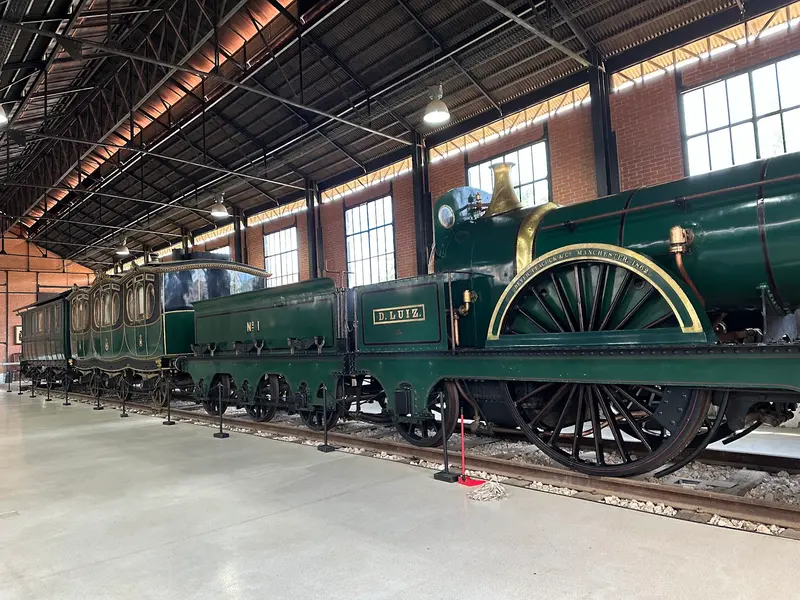
    The National Railway Museum in Entroncamento is a central place to explore the rich history of Portuguese railways. Here you'll find an impressive collection of locomotives, carriages, and railway accessories, documenting the development of rail transport in Portugal from the 19th century to the present day. The exhibition features historical steam locomotives, elegant saloon cars, and various technical artifacts that illustrate the railway's significance for industrialization and transport in the country. Particularly noteworthy are the royal carriages and detailed models, offering deep insights into past eras. Our Tip: Plan your visit for the morning to avoid the largest crowds and explore the spacious halls in peace. An ideal photo spot is the main hall with the historical steam locomotives, which provide an imposing backdrop.
    Open in Google Maps

    3Tempelritter-Kastell Almourol

    The **Templar Castle of Almourol** majestically stands on a small island in the Tejo River and is an outstanding example of medieval military architecture in Portugal. Originally built on Roman foundations, the fortress was rebuilt in the 12th century by Gualdim Pais, Grand Master of the Templar Order, and played a crucial role during the Reconquista in defending the region. Its strategic location made it a vital stronghold against Moorish invasions.When you visit the castle, a unique atmosphere awaits you, shaped by its isolated location and well-preserved walls. You can only reach the castle by boat, which makes the experience even more special. Explore the various towers and the imposing keep, from which you can enjoy sweeping views over the Tejo and the surrounding landscape. The architecture reflects the typical characteristics of Templar castles, with robust stone walls and a clear defensive concept.Practical Tip: It's best to plan your visit for the early morning or late afternoon to avoid the largest crowds and capture the soft light for stunning photos. The boat crossing departs from Tancos or Praia do Ribatejo and is the only access to the castle. Pay attention to the boat operating hours, especially outside of peak season.
    Open in Google Maps

    4Barquinha Parque

    Park in 2260-433 Vila Nova da Barquinha.
    Open in Google Maps

    5Tempelritter-Kastell Almourol

    The **Templar Castle of Almourol** majestically stands on a small island in the Tejo River and is an outstanding example of medieval military architecture in Portugal. Originally built on Roman foundations, the fortress was rebuilt in the 12th century by Gualdim Pais, Grand Master of the Templar Order, and played a crucial role during the Reconquista in defending the region. Its strategic location made it a vital stronghold against Moorish invasions.When you visit the castle, a unique atmosphere awaits you, shaped by its isolated location and well-preserved walls. You can only reach the castle by boat, which makes the experience even more special. Explore the various towers and the imposing keep, from which you can enjoy sweeping views over the Tejo and the surrounding landscape. The architecture reflects the typical characteristics of Templar castles, with robust stone walls and a clear defensive concept.Practical Tip: It's best to plan your visit for the early morning or late afternoon to avoid the largest crowds and capture the soft light for stunning photos. The boat crossing departs from Tancos or Praia do Ribatejo and is the only access to the castle. Pay attention to the boat operating hours, especially outside of peak season.
    Open in Google Maps

    6Mother Church of Tancos

    The Mother Church of Tancos, located near the imposing Castelo de Almourol, is a key example of regional sacred architecture and the local community's deep-rooted faith. Originally medieval, it saw multiple rebuilds and expansions over centuries, blending elements from Romanesque to Baroque. Its main portal is noteworthy for delicate stonework, typical of Portuguese church architecture. Inside, discover a richly decorated chancel and traditional Azulejos depicting biblical scenes and floral patterns. These tiles not only tell stories but also reflect the region's artisanal tradition. The church remains an active place of worship, a central gathering point for Tancos locals. Our tip: Visit mornings for optimal light to photograph the facade and experience its tranquil atmosphere before midday masses. Be respectful during services; photography is not permitted. A walk through the surrounding village completes your visit, offering insights into rural Portugal.
    Open in Google Maps

    Food & Beverages

    Culture, Art & History: The Legacy of Almourol

    The Castelo de Almourol stands as an outstanding testament to Portuguese military architecture and history, deeply rooted in the era of the Reconquista. Its origins date back to pre-Roman times, with documented settlements by Lusitanians and Romans, followed by a Moorish fortress that was reconquered in 1129 by the Christians under Dom Afonso Henriques.In 1160, Dom Afonso Henriques handed the castle over to the Knights Templar, who extensively remodeled it under Grand Master Gualdim Pais, bringing it to its present form. The Templars constructed a fortress exemplary of their military architecture: an imposing complex situated on an island in the Tejo, featuring a central keep and nine defensive towers. Following the dissolution of the Templar Order, Almourol passed into the possession of the Order of Christ.Although the castle underwent extensive restorations in the 19th century as part of a Romantic revival, which shaped its current appearance, it remains a significant symbol of the Portuguese Middle Ages and the Templar legacy. Almourol is closely linked to national myths and represents the strategic importance of the defensive lines along the Tejo, making it a unique cultural monument.

    On the move locally

    Castelo de Almourol, situated on a small island in the Tejo River, requires a specific approach to transportation. Direct urban public transport like metro, tram, or city buses are irrelevant here; the journey to the castle itself is an experience. Travelers best reach the banks of the Tejo at Tancos or Constância by private vehicle or a regional taxi/ride-sharing service, as public bus or train connections in this rural area are rather scarce and offer no direct access.From the banks, the short boat trip is the only and mandatory way to reach the majestic castle, counting as an integral part of the visit. It is advisable to check the schedules of the small passenger ferries, which operate regularly, in advance. For exploring the surrounding river landscape and nearby villages, bicycles are well-suited to enjoy the picturesque nature. E-scooters are less common in this rural environment.The castle grounds themselves are entirely pedestrian-friendly and invite exploration on your own. Parking facilities for cars can be found at the landing points on the mainland. Always plan enough time for the journey and the scenic crossing to ensure a stress-free visit.

    Accommodations in Castelo de Almourol

    Accommodations in Castelo de Almourol

    Find perfect stay in Castelo de Almourol

    Booking.com
    Search Hotels
    Agoda
    Search Hotels
    Airbnb
    Vacation Rentals
    Hotels.com
    Hotels Worldwide
    Hostelworld
    Hostels

    Campgrounds in Castelo de Almourol

    Find perfect campground in Castelo de Almourol

    Search via Google Maps
    Campgrounds nearby (15km)
    Camping.info
    Find Campgrounds
    Park4Night
    RV Parks & Camping

    Plan your trip to Castelo de Almourol

    Save places, build a route and plan your city trip — all in one place.

    Save places

    Bookmark sights, restaurants and neighborhoods you're interested in.

    Build your route

    Turn your bookmarks into a route — define order, days and budget.

    Refine with AI

    Let Mein Fernweh suggest experiences and put together a tailored daily plan.

    Start trip planningOpen bookmarks

    Locations nearby

    These places are nearby — perfect for additional days or a day trip.

    Tomar

    Tomar

    { "enrichedDescription": "Tomar in Zentralportugal ist stark vom Templerorden geprägt. Das Convento de Cristo, ein UNESCO-Welterbe, zeigt romanische bis manuelinische Architektur und die Charola. Es war zentral für die portugiesischen Entdeckungen unter Heinrich dem Seefahrer. Die Altstadt birgt die mittelalterliche Synagoge, die Kirche São João Baptista und den Fluss Nabão. Plane deinen Besuch im Frühling oder Herbst für einen entspannten Besuch des Konvents ohne Massen." }
    Fátima

    Fátima

    One of the world's most important Catholic pilgrimage sites, annually attracting millions of pilgrims and impressing with its imposing sanctuary and basilica.
    Ribatejo

    Ribatejo

    Ribatejo, the heart of Portugal, stretches along the majestic Tejo and enchants with its unspoiled landscape, deeply rooted traditions, and vibrant way of life. Known as the land of horses, bulls, and fertile plains, the region offers a fascinating blend of rural charm, rich history, and unforgettable cultural experiences.
    Santarém

    Santarém

    Santarém, perched on a plateau above the Tejo, is known as Portugal's "Gothic Capital" and boasts a long history. Here you'll find impressive Gothic architecture, such as the Sé Catedral de Santarém, built on the foundations of a Jesuit college. The Jardim das Portas do Sol, situated on the ruins of a Moorish fortress, offers expansive panoramic views over the Tejo Valley and the surrounding landscape. In the Middle Ages, the city was a royal center and played a strategic role in Portuguese history. Characteristic of the Ribatejo region are also its traditions centered around horses and bullfighting, reflected in the architecturally significant Praça de Touros. For a relaxed visit, spring or autumn are recommended to peacefully explore the historic alleys and viewpoints. Take the opportunity to sample authentic Ribatejo cuisine in the local restaurants.
    Costa de Prata (Silver Coast)

    Costa de Prata (Silver Coast)

    The Costa de Prata, Portugal's fascinating Silver Coast, stretches between Lisbon and Porto and enchants with a mix of golden sandy beaches, dramatic cliffs, and charming fishing villages. This region offers an authentic Portuguese experience, dotted with historical heritage, world-famous surf spots, and a relaxed way of life away from the largest tourist crowds.