Fernweh
    ExploreTravel GuidesMy Trips
    de|en
    About FernwehImprintFAQPrivacy Policy
    ExploreTravel GuidesMy Trips
    Coimbra

    Coimbra

    CityCulture
    1. Home
    2. Destinations
    3. Portugal
    4. Centro
    5. Coimbra
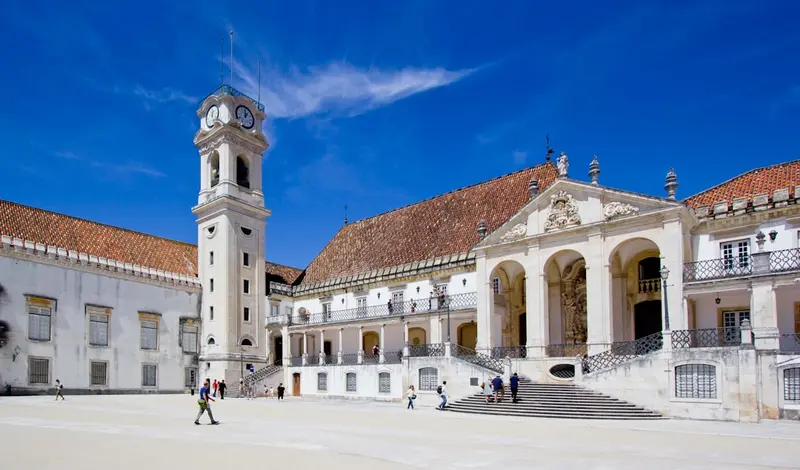
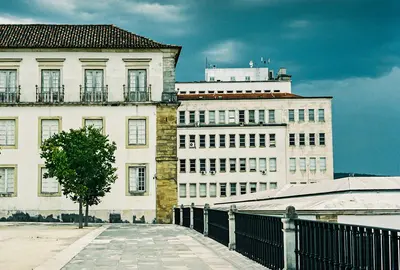
    Coimbra, once the capital of Portugal, is now a vibrant university city on the Mondego River, its character strongly shaped by its historic university. The Universidade de Coimbra, a UNESCO World Heritage site, dominates the cityscape with its magnificent architecture and the world-renowned Biblioteca Joanina. You can explore the narrow, winding streets of the Upper Town, which lead to the university and the Romanesque Sé Velha. In the Baixa, the Lower Town, traditional shops and cafes invite you to linger while you observe daily life. Coimbra is also the birthplace of its own Fado style, often performed by students, characterized by its profound melancholy. For an authentic experience, you should visit a Fado performance in the evening and explore the historic Old Town on foot. The best time to visit is spring or autumn, to experience the city without the greatest summer heat or the student hustle and bustle of exam periods.
    • Neighborhoods & highlights
    • Walking tours
    • Eat & drink
    • Culture
    • Getting around
    • Accommodation
    • Plan trip
    • Nearby
    • Neighborhoods & highlights
    • Walking tours
    • Eat & drink
    • Culture
    • Getting around
    • Accommodation
    • Plan trip
    • Nearby

    Overview

    Coimbra, once the capital of Portugal, is a dynamic university city whose character is profoundly shaped by its historic university. The Universidade de Coimbra, a UNESCO World Heritage site, defines the cityscape with its magnificent architecture and the world-famous Biblioteca Joanina. You explore the narrow, winding streets of the Upper Town, which lead to the university and the Romanesque Sé Velha Cathedral. In the Baixa, the Lower Town, traditional shops and cafés invite you to linger, where you can observe daily life. Coimbra is also the birthplace of a unique Fado style, often performed by students and characterized by profound melancholy. For an authentic experience, you should visit a Fado performance in the evening and explore the historic Old Town on foot. The ideal time to visit is spring or autumn, to avoid the peak summer heat and student exam stress.

    Places in Coimbra

    Discover the most important sights and attractions
    Sights in Coimbra

    Carmel of Saint Teresa / Discalced Carmelite nuns

    The Carmel of Saint Teresa in Coimbra is a monastery of the Discalced Carmelites and primarily known as the final spiritual home of Sister Lúcia dos Santos. She was one of the three visionaries of Fátima and spent her contemplative life here from 1948 until her death in 2005. The monastery offers you a place of silence and reflection, away from the urban hustle and bustle. You can visit a small museum dedicated to the life of Sister Lúcia. It displays personal belongings, manuscripts, and photographs that highlight her role in the events of Fátima and her spiritual legacy. The monastery's simple, functional architecture underscores the nuns' ascetic way of life. Our tip: The best time to visit the Carmel is in the morning on a weekday, to fully absorb the peaceful atmosphere and avoid crowds. Please respect the privacy of the nuns and the rules regarding photography inside.
    Open in Google Maps

    Sister Lúcia's Memorial

    The Sister Lúcia Memorial in Coimbra is a significant place that honors the life of Lúcia dos Santos, one of the three seer children of Fátima. She spent a large part of her life as a Carmelite nun in Coimbra. Here you will find a place of stillness and reflection, which illuminates her deep spiritual significance for the Catholic world. The exhibition includes carefully selected personal belongings, documents, and photographs, offering authentic insights into her daily life and her central role in spreading the Message of Fátima. It is an important pilgrimage site, presenting a sober yet poignant depiction of her story. Our Tip: Take ample time to view the exhibits at your leisure, to fully grasp the profound significance of her story. The Memorial is often less crowded than the main sites in Fátima itself, which allows for a more intimate and personal experience. You can easily combine the visit with a stroll through Coimbra's historic Upper Town.
    Open in Google Maps

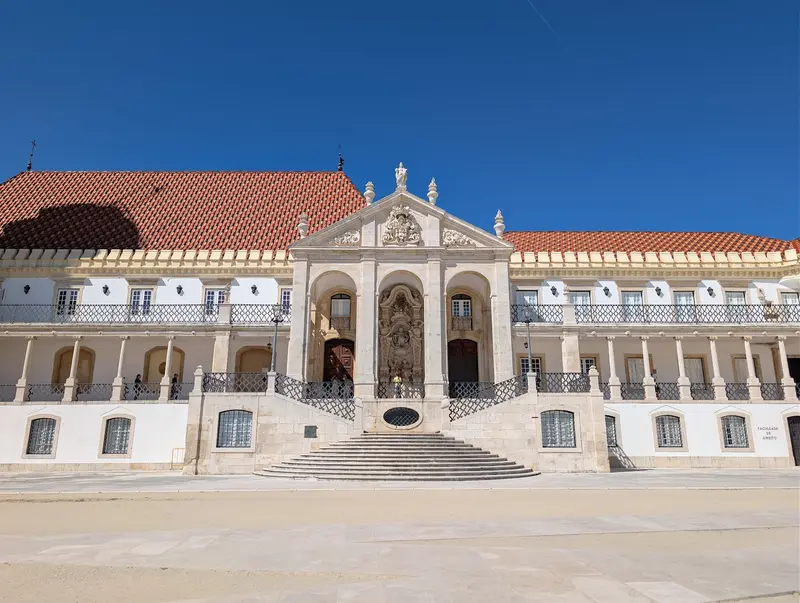
    Palace of Schools

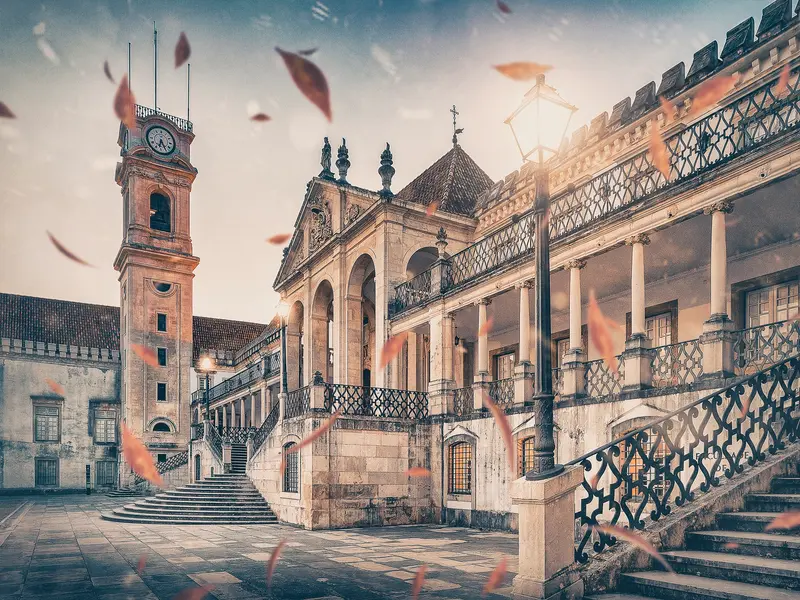
    The Palace of the Schools is the historic heart of the University of Coimbra, a UNESCO World Heritage site. For centuries, scholars gathered here, serving as a central venue for academic ceremonies and administration. You enter the impressive Pátio das Escolas, a spacious square surrounded by the most important university buildings. These include the magnificent Sala dos Capelos, where doctoral ceremonies take place, and the baroque Capela de São Miguel with its opulent interior and famous organ. From the palace terrace, you can enjoy panoramic views over Coimbra's rooftops and the Mondego River. Our Tip: Visit the complex first thing in the morning to avoid the largest crowds and fully appreciate the tranquility of this historic site. Allow enough time to take in the architectural details and the atmosphere.
    Open in Google Maps

    Jardim Botânico da Universidade de Coimbra

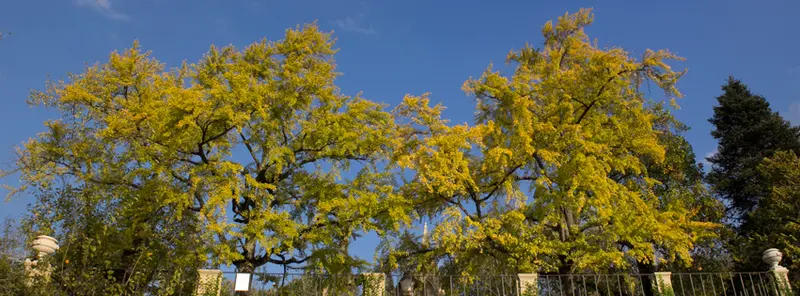
    The Jardim Botânico da Universidade de Coimbra, founded in 1772 on the initiative of the Marquês de Pombal, is a historically significant center for botanical research and teaching. It was established as part of the university reform to promote scientific education in Portugal and acclimatize exotic plants. Covering an area of 13.5 hectares, it offers an impressive collection of plant species from all over the world, presented in various sections. Especially noteworthy is the Estufa Grande, a magnificent 19th-century greenhouse housing a rich diversity of tropical plants. Here you can stroll through formal gardens, a dense bamboo forest, and terraced areas, all offering a tranquil and educational environment. Practical tip: It's best to visit the garden in the early morning to enjoy the peace and utilize the soft morning light for atmospheric photos. The upper part of the garden also provides beautiful views of the city.
    Open in Google Maps

    Tower of University of Coimbra

    The Tower of the University of Coimbra, often simply called "A Cabra" (The Goat) after its most famous bell, is an unmistakable landmark and the symbolic heart of the historic university campus, a UNESCO World Heritage site. Built between 1728 and 1733 under King John V, this Baroque bell tower dominates the Pátio das Escolas and is a masterpiece of Portuguese Baroque architecture. Its four bells, each with its own name and specific function, regulated the academic daily routine for centuries and remain an integral part of university life today. From the top of the tower, a breathtaking 360-degree view unfolds over the rooftops of Coimbra, the Mondego River, and the gentle surrounding hills. The climb up the narrow spiral staircases is challenging, but rewards you with a unique perspective on the city and its history. Our Tip: Plan your visit ideally right after opening in the morning to avoid the biggest crowds and to enjoy the tranquility for undisturbed photos. Pay attention to the details of the bells and their inscriptions, which bear witness to the university's long tradition.
    Open in Google Maps

    Saint Michael's Chapel

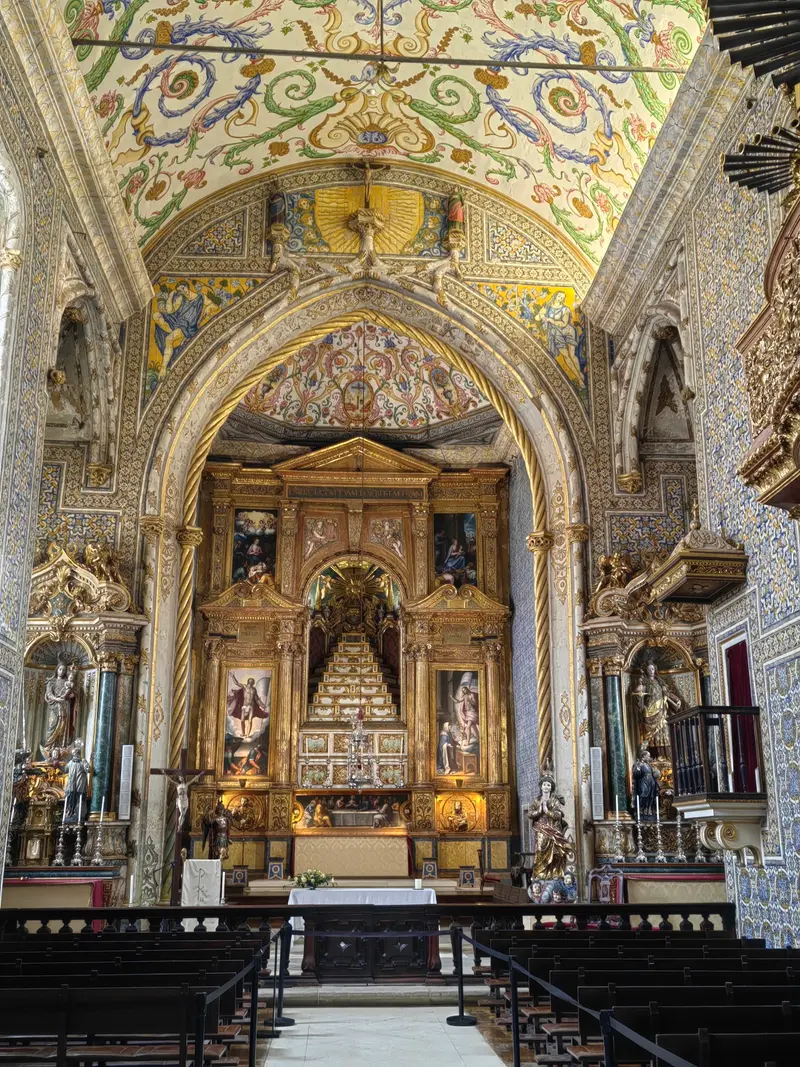
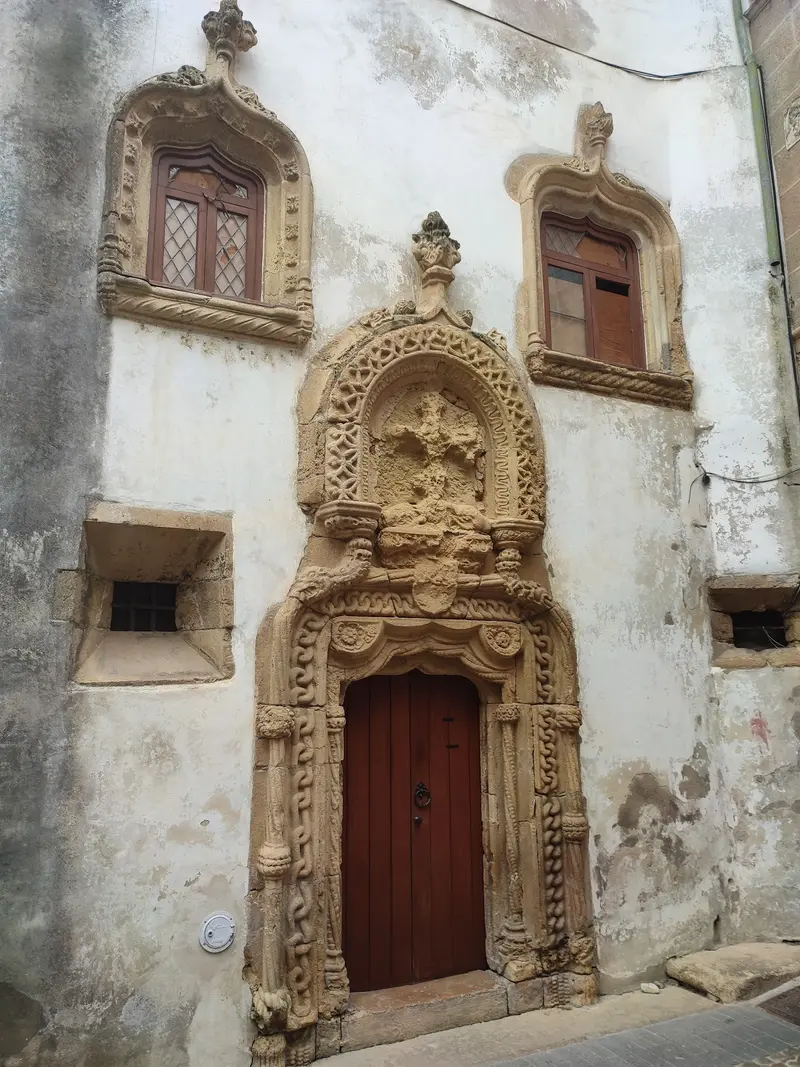
    The Capela de São Miguel, part of the historic University of Coimbra, is an outstanding example of Manueline architecture and a testament to the university's rich history. You'll find it in the heart of the university complex, where it has served as a spiritual center since the 16th century. Originally built in the 12th century, the chapel was extensively remodeled in the early 16th century under King Manuel I, acquiring its current magnificent form. Inside, you'll discover an impressive blend of Manueline elements at the portal and an opulent Baroque altar, which was added in the 17th century. Particularly noteworthy is the magnificent Baroque organ from the early 18th century, with its gilded carvings and painted pipes, which is considered one of Portugal's finest. The walls are also adorned with traditional 17th-century azulejos, displaying geometric patterns and floral motifs. Our Tip: It's best to visit the chapel first thing in the morning after opening, to enjoy the tranquility and architectural details without large crowds. Pay special attention to the fine carvings of the Manueline portal and the intricate details of the organ, which are often overlooked.
    Open in Google Maps

    City walks in Coimbra

    Curated walking tours through the city's highlights — handpicked by experienced travel journalists.

    Coimbras Höhen und Tiefen: Eine Zeitreise vom Universitätsberg zur Baixa

    Entdecken Sie Coimbra auf einem 2-stündigen Spaziergang, der Sie vom prestigeträchtigen Universitätsberg mit atemberaubender Aussicht hinunter in die lebendige Baixa führt. Tauchen Sie ein in Jahrhunderte alte Geschichte, majestätische Kathedralen und das einzigartige Flair der Studentenstadt. Ein perfekter Überblick über die wichtigsten Sehenswürdigkeiten der Stadt.

    ~2 Std. 10 Min.
    In Google Maps öffnen
    Stopps (7)

    Dining & Drinks

    Coimbra's Cultural Heritage and History

    Coimbra, once the capital of Portugal, is deeply rooted in history and culture. Its development was significantly shaped by the Roman occupation and later by the founding of its university in the 13th century. Today, numerous buildings and traditions bear witness to this rich past.Coimbra's history dates back to Roman times as Aeminium. After the Reconquista, the city became the first capital of the Kingdom of Portugal in the 11th and 12th centuries, a role that significantly contributed to the formation of its national identity. However, the most defining force is the University of Coimbra, one of Europe's oldest, whose founding in 1290 shaped the city into an intellectual and scientific hub.Coimbra's architecture reflects these eras: from the robust Romanesque Cathedral Sé Velha, one of the country's most significant Romanesque buildings, to the opulent Baroque interiors of the Joanina University Library. Manueline elements are also found in various buildings. Local traditions are strongly influenced by the academic presence, particularly Fado de Coimbra, a melancholic singing style traditionally performed by students and professors. The annual student festival "Queima das Fitas" also underscores the deep roots of university culture in city life.

    Exploring Locally

    Coimbra, a city rich in historic charm and steep alleys, is surprisingly easy to explore despite lacking a subway. The extensive SMTUC bus network is the backbone of public transport, efficiently connecting the city center with the higher-lying university districts and suburbs. Consider purchasing a top-up card or a day ticket to simplify journeys and save costs; information and timetables are also available via common mobility apps.The hilly topography makes walking a sporty affair, but the narrow streets of the old town particularly invite **picturesque strolls** to discover hidden corners. For longer distances or overcoming steep climbs, in addition to the bus, **taxis and ride-sharing services** like Bolt and Uber are convenient options, readily available in the city.Bicycles, and especially **E-Bikes, are growing in popularity**, offering a flexible way to explore the city and its surroundings without shying away from the inclines. E-Scooters are also available, though caution is advised on the cobblestones. Plan your transport according to the terrain and explore Coimbra at your own pace.

    Accommodations in Coimbra

    Accommodations in Coimbra

    Find perfect stay in Coimbra

    Booking.com
    Search Hotels
    Agoda
    Search Hotels
    Airbnb
    Vacation Rentals
    Hotels.com
    Hotels Worldwide
    Hostelworld
    Hostels

    Campgrounds in Coimbra

    Find perfect campground in Coimbra

    Search via Google Maps
    Campgrounds nearby (15km)
    Camping.info
    Find Campgrounds
    Park4Night
    RV Parks & Camping

    Plan your trip to Coimbra

    Save places, build a route and plan your city trip — all in one place.

    Save places

    Bookmark sights, restaurants and neighborhoods you're interested in.

    Build your route

    Turn your bookmarks into a route — define order, days and budget.

    Refine with AI

    Let Mein Fernweh suggest experiences and put together a tailored daily plan.

    Start trip planningOpen bookmarks

    Locations nearby

    These places are nearby — perfect for additional days or a day trip.

    Centro

    Centro

    The Region Centro in Portugal is a fascinating mosaic of rich history, breathtaking nature, and deeply rooted culture. From the majestic mountains of the Serra da Estrela to the charming coastal cities, it offers a diversity that captivates travelers.Discover ancient university towns, significant pilgrimage sites, and UNESCO World Heritage monasteries that reflect the soul of Portugal.
    Aveiro

    Aveiro

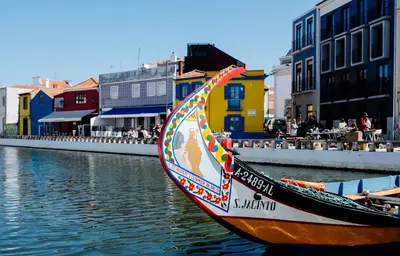
    Aveiro, often called the "Venice of Portugal", is known for its picturesque canals and traditional, colourful Moliceiro boats. A ride on these boats offers you a relaxed perspective of the city and its impressive Art Nouveau buildings along the Canal Central. Visit the Museu de Aveiro in the former Convento de Jesus, which houses the city's history and the tomb of Saint Princess Joana. The historic salt pans bear witness to the long tradition of salt extraction that once shaped the region's economy. Not far away, the fishing village of Costa Nova, with its characteristic striped wooden houses, invites you to visit. Be sure to try local specialties like the sweet Ovos Moles, a pastry made from egg yolks and sugar, deeply rooted in regional confectionery. The best time to visit is spring or autumn to experience the city at pleasant temperatures and with fewer tourists.
    Tomar

    Tomar

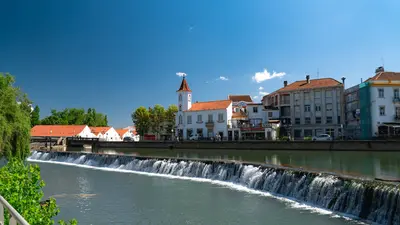
    { "enrichedDescription": "Tomar in Zentralportugal ist stark vom Templerorden geprägt. Das Convento de Cristo, ein UNESCO-Welterbe, zeigt romanische bis manuelinische Architektur und die Charola. Es war zentral für die portugiesischen Entdeckungen unter Heinrich dem Seefahrer. Die Altstadt birgt die mittelalterliche Synagoge, die Kirche São João Baptista und den Fluss Nabão. Plane deinen Besuch im Frühling oder Herbst für einen entspannten Besuch des Konvents ohne Massen." }
    Fátima

    Fátima

    One of the world's most important Catholic pilgrimage sites, annually attracting millions of pilgrims and impressing with its imposing sanctuary and basilica.
    Beiras and Serra da Estrela

    Beiras and Serra da Estrela

    The region Beiras e Serra da Estrela in the heart of Portugal beckons with a fascinating blend of majestic mountain landscapes and charming historic towns. Here, where Continental Portugal's highest peak, the Serra da Estrela, promises impressive natural experiences, travelers also discover unique cultural treasures and a warm hospitality that invites lingering.