Fernweh
    ExploreTravel GuidesMy Trips
    de|en
    About FernwehImprintFAQPrivacy Policy
    ExploreTravel GuidesMy Trips
    Centro

    Centro

    Region
    1. Home
    2. Destinations
    3. Portugal
    4. Centro
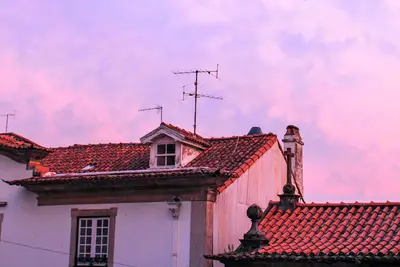
    The Region Centro in Portugal is a fascinating mosaic of rich history, breathtaking nature, and deeply rooted culture. From the majestic mountains of the Serra da Estrela to the charming coastal cities, it offers a diversity that captivates travelers.Discover ancient university towns, significant pilgrimage sites, and UNESCO World Heritage monasteries that reflect the soul of Portugal.
    • Overview
    • Places in the region
    • Eat & drink
    • Culture
    • Nearby
    • Overview
    • Places in the region
    • Eat & drink
    • Culture
    • Nearby
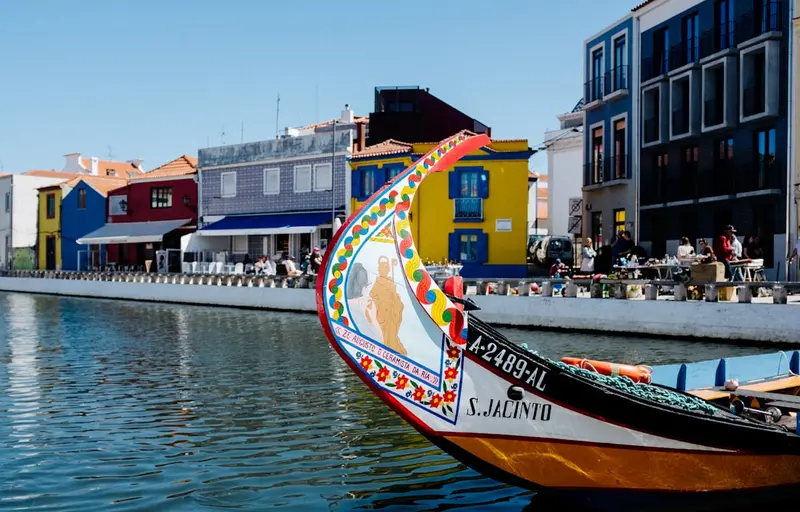
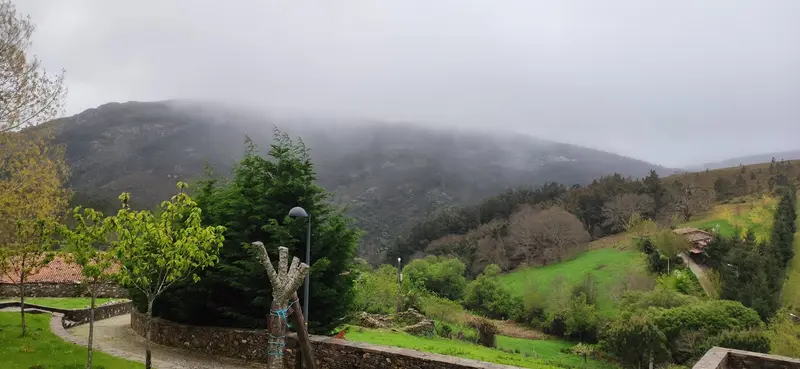
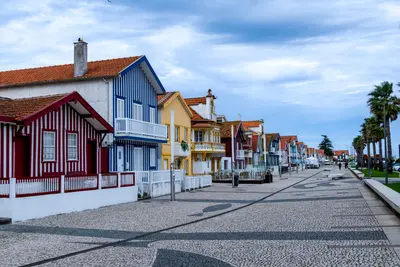
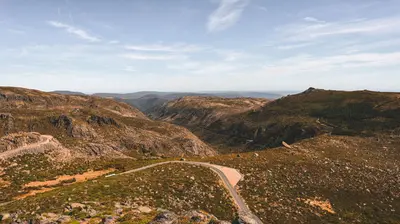
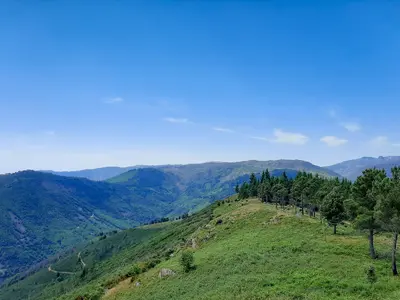
    The Centro Region in Portugal presents itself as a diverse region, stretching from the rugged heights of the Serra da Estrela to its picturesque coastlines. Here you'll find historic university cities like Coimbra, known for its age-old university and Baroque library, as well as important pilgrimage sites like Fátima. Numerous UNESCO World Heritage Sites, including the impressive monasteries of Alcobaça, Batalha, and the Convento de Cristo in Tomar, attest to a deeply rooted history and architecture. Beyond its mountain ranges, the region offers charming towns like Aveiro with its canals and colourful Moliceiro boats, and Viseu with its well-preserved historic centre. The local culture is reflected in traditional crafts and a hearty cuisine, ranging from regional cheeses to the famous Leitão (suckling pig). For hikes in the Serra da Estrela, spring and autumn are particularly suitable, while coastal towns can be enjoyed in summer, but expect more visitors.

    Places in Centro

    Coimbra

    Coimbra

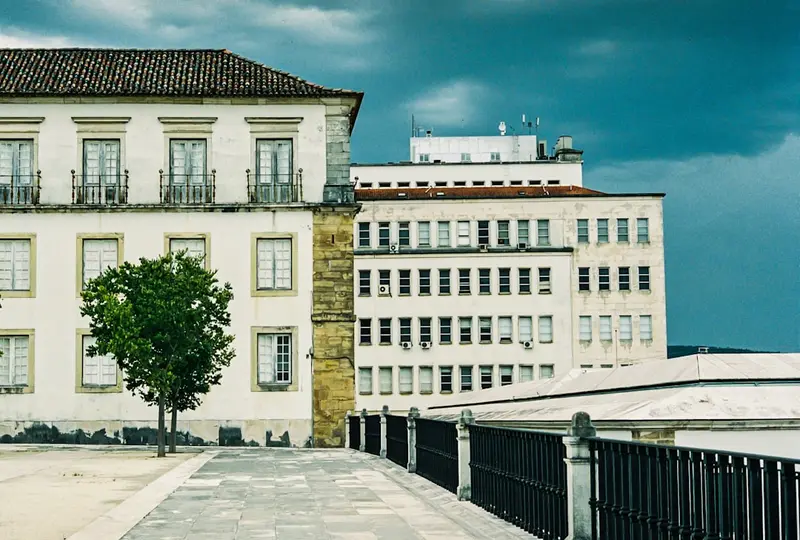
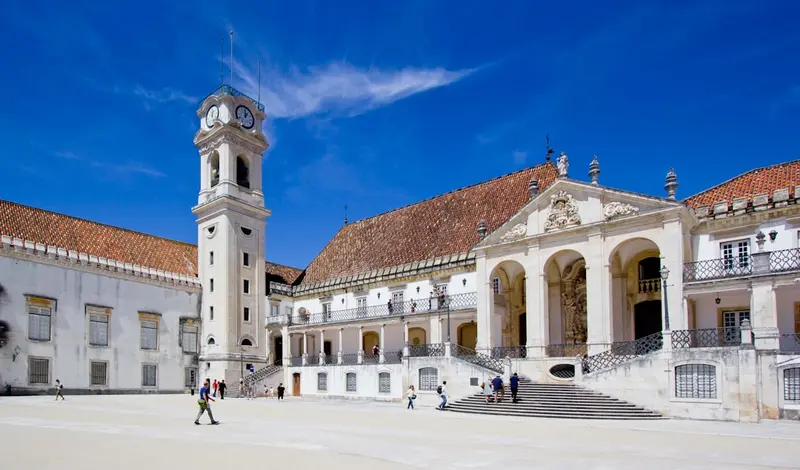
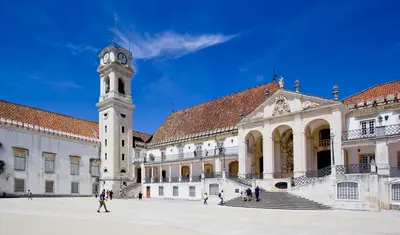
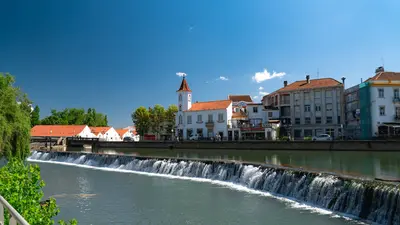
    Coimbra, once the capital of Portugal, is now a vibrant university city on the Mondego River, its character strongly shaped by its historic university. The Universidade de Coimbra, a UNESCO World Heritage site, dominates the cityscape with its magnificent architecture and the world-renowned Biblioteca Joanina. You can explore the narrow, winding streets of the Upper Town, which lead to the university and the Romanesque Sé Velha. In the Baixa, the Lower Town, traditional shops and cafes invite you to linger while you observe daily life. Coimbra is also the birthplace of its own Fado style, often performed by students, characterized by its profound melancholy. For an authentic experience, you should visit a Fado performance in the evening and explore the historic Old Town on foot. The best time to visit is spring or autumn, to experience the city without the greatest summer heat or the student hustle and bustle of exam periods.
    Belmonte

    Belmonte

    Welcome to Belmonte, a historic gem in Portugal's Serra da Estrela region! Here, where the famous navigator Pedro Álvares Cabral was born, a fascinating blend unfolds before you: Roman antiquity, medieval tradition of castle lords, and the unique, still-vibrant history of a Jewish community that lived hidden for centuries. Immerse yourself in an atmosphere that is equally authentic, poignant, and deeply inviting.

    Sights in Centro

    Discover the most important sights and attractions
    Baloiço Das Aigras

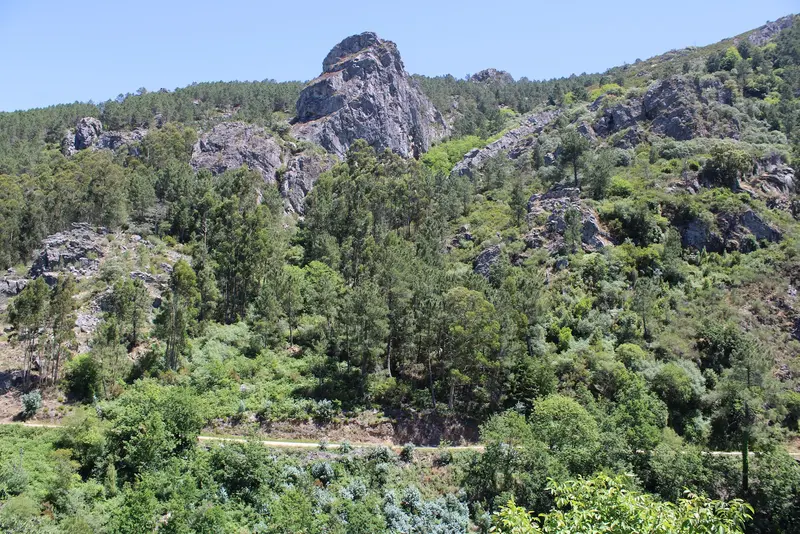
    The Baloiço Das Aigras, located in Portugal's Centro region, offers a unique perspective on the surrounding landscape. This viewpoint swing is part of a modern trend in Portugal aimed at attracting visitors to lesser-known, yet scenic, locations and providing an interactive way to enjoy nature. Here you'll find not just a simple swing, but a carefully selected spot that offers expansive panoramic views over valleys and hills. It's a place that invites you to slow down while also serving as a popular backdrop for memorable photos. Its cultural significance lies in its role as a meeting point for nature lovers and photographers who appreciate the tranquility and beauty of the Portuguese landscape. Our Tip: Visit the Baloiço in the late afternoon to capture the golden light of the setting sun for your photos. To avoid crowds, a weekday or early morning visit is recommended.
    Open in Google Maps

    Miradouro do Canhão da Pena

    The Miradouro do Canhão da Pena offers you a unique perspective on the majestic Pena Palace and the surrounding landscape of Sintra. This viewpoint, whose name 'Canon's View' hints at a strategic position or a particularly expansive panorama, is ideal for appreciating the palace's vibrant architecture in all its splendor. From here, you not only gaze upon the UNESCO World Heritage site but also the dense forests of the Sintra-Cascais Natural Park, which stretch all the way to the Atlantic. The Miradouro's location allows you to admire the complex details of the palace from a distance often not possible on the palace grounds themselves. Our Tip: Visit the Miradouro in the early morning to take advantage of the golden hours of light for stunning photos and to beat the largest tourist crowds. Ensure clear weather to optimally enjoy the panoramic views. Another advantage is the tranquility you'll find here compared to the bustling paths of the palace park.
    Open in Google Maps

    Comissão de Melhoramentos do Esporão

    The Comissão de Melhoramentos do Esporão, located in the heart of Centro, Portugal, represents an important chapter in local civic initiative. This building once housed an association dedicated to improving the community's infrastructure and social life. Founded in the early 20th century, it played a central role in the development of the Esporão district, from street lighting to cultural projects.Architecturally, the building presents itself in a simple yet dignified style, typical of public structures of that era. You'll recognize elements of Portuguese Neoclassicism reflected in the facade design and window frames. Although the original commission no longer exists in its initial form today, the building often serves as a cultural center or venue for local initiatives. A visit offers insights into Portugal's civic history and the importance of local self-governance.Our Tip: Look out for the memorial plaque at the entrance, which honors the founding members. For an unobstructed photo of the facade, early morning is recommended, before the main square becomes livelier.
    Open in Google Maps

    Canyoning Ribeira da Pena

    Canyoning in the **Ribeira da Pena** offers an authentic nature experience in Portugal's Centro region. This riverbed has been shaped over millennia by the erosive power of water, winding through a stunning, partly untouched landscape. Here, you'll experience a dynamic combination of abseiling down natural waterfalls, jumping into crystal-clear pools, and sliding over smoothly polished rocks. The lush, green vegetation and refreshing water create a unique backdrop for this adventure, actively introducing you to the region's geological features. It's an excellent way to discover Portugal's natural beauty from a new perspective.Practical Tip: The optimal time for canyoning is from May to October, when water levels are moderate and outdoor temperatures are pleasant. Always book your experience with a certified and experienced local provider who ensures your safety and provides all necessary equipment. This way, you guarantee a safe and unforgettable adventure.
    Open in Google Maps

    Penedos de Góis

    The Penedos de Góis, located in Portugal's Centro region, are an impressive natural formation near the municipality of Góis. This landscape, characterized by steeply rising rock faces and clear river courses, was shaped by millennia of erosion in the Serra da Lousã and defines the region. Along the Ceira River, natural river beaches (praias fluviais) invite visitors to swim and sunbathe in summer. You'll also find numerous hiking trails here, offering spectacular views of the rock formations and the green landscape.Our Tip: For a peaceful experience, it's best to visit the Penedos on weekdays or early in the morning, ideal for photos in soft light. Swimwear and sturdy footwear are recommended.
    Open in Google Maps

    Pena (Aldeias do Xisto)

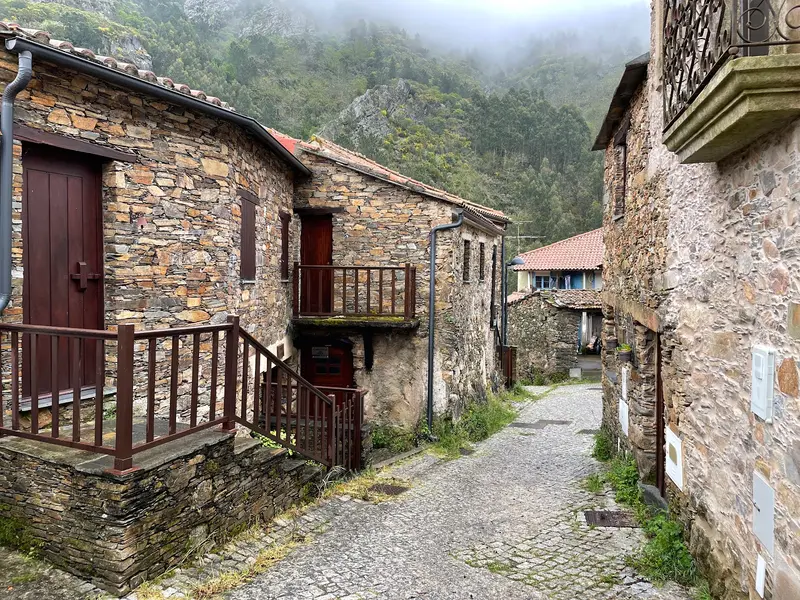
    Pena is one of the most picturesque villages in the network of the Aldeias do Xisto (Slate Villages) in the heart of Portugal. You'll find it nestled in the Serra da Lousã, where traditional architecture seamlessly merges with the surrounding nature. The houses here are built almost exclusively from local slate, giving them a unique, earthy aesthetic and perfectly integrating them into the landscape. Historically, these villages were often isolated, thus preserving their original way of life and culture for centuries.Visiting Pena, you'll experience an authentic Portuguese village idyll. Its narrow, winding streets invite exploration, constantly revealing new views of the surrounding mountains and valleys. It is a place of tranquility, far from the hustle and bustle of modern cities, where time seems to stand still. Here, you can admire the traditional architecture and enjoy the quiet of nature. Our Tip: Plan your visit for the morning hours or late afternoon to best utilize the soft light for photos of the slate houses and to avoid the largest crowds. For hiking enthusiasts, the surrounding trails offer excellent opportunities to discover the region's flora and fauna.
    Open in Google Maps

    Dining & Drinks

    Centro's Cultural Heritage

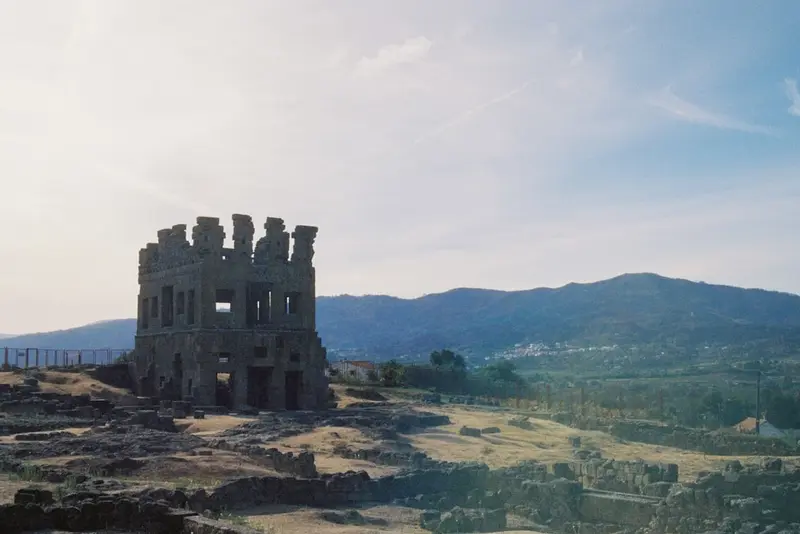
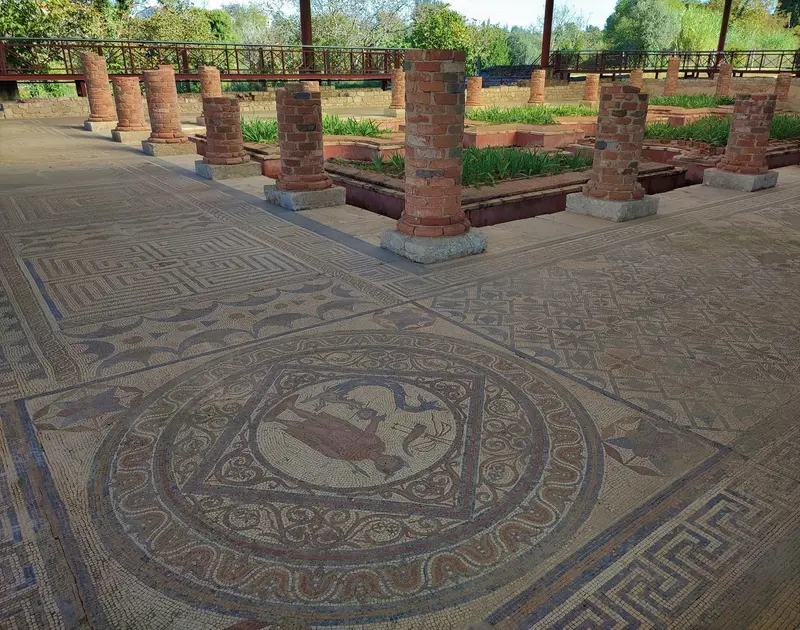
    Portugal's Centro region is a focal point of Portuguese culture and history, shaped by a deep-rooted past dating back to Roman times. The Roman presence is impressively manifested in the ruins of Conímbriga, one of the best-preserved Roman cities on the Iberian Peninsula, testifying to highly developed infrastructure and artistry.In the Middle Ages, the region played a decisive role in the formation of Portugal, especially Coimbra, which served as the kingdom's first capital. This is reflected in its architecture: Romanesque cathedrals like the Sé Velha in Coimbra, imposing Gothic monasteries such as those in Alcobaça and Batalha – both UNESCO World Heritage Sites – as well as the unique Manueline style of the Convento de Cristo in Tomar bear witness to a rich architectural history. These stylistic elements tell of kings, crusaders, and a flourishing cultural development.Local traditions are closely linked to the region's intellectual and religious centers. Coimbra is world-famous for its university, one of the oldest in Europe, whose student life and the melancholic Fado de Coimbra have deep cultural roots. The artistic craftsmanship, often associated with ceramic production and woodworking, reflects the region's down-to-earth identity and preserves traditional techniques.

    Locations nearby

    These places are nearby — perfect for additional days or a day trip.

    Coimbra

    Coimbra

    Coimbra, once the capital of Portugal, is now a vibrant university city on the Mondego River, its character strongly shaped by its historic university. The Universidade de Coimbra, a UNESCO World Heritage site, dominates the cityscape with its magnificent architecture and the world-renowned Biblioteca Joanina. You can explore the narrow, winding streets of the Upper Town, which lead to the university and the Romanesque Sé Velha. In the Baixa, the Lower Town, traditional shops and cafes invite you to linger while you observe daily life. Coimbra is also the birthplace of its own Fado style, often performed by students, characterized by its profound melancholy. For an authentic experience, you should visit a Fado performance in the evening and explore the historic Old Town on foot. The best time to visit is spring or autumn, to experience the city without the greatest summer heat or the student hustle and bustle of exam periods.
    Beiras and Serra da Estrela

    Beiras and Serra da Estrela

    The region Beiras e Serra da Estrela in the heart of Portugal beckons with a fascinating blend of majestic mountain landscapes and charming historic towns. Here, where Continental Portugal's highest peak, the Serra da Estrela, promises impressive natural experiences, travelers also discover unique cultural treasures and a warm hospitality that invites lingering.
    Serra da Estrela Natural Park

    Serra da Estrela Natural Park

    Portugal's largest nature park is an alpine oasis with glacial lakes, vast plateaus, and winter sports, surrounded by pristine wilderness.
    Covilhã

    Covilhã

    Covilhã, nestled on the southern slopes of the Serra da Estrela, is a historic hub of the Portuguese textile industry and a gateway to Continental Portugal's highest mountain range. The city combines its industrial past with a vibrant university culture. In the historic centre, you'll discover narrow alleys lined with traditional houses and impressive murals, which are part of an urban art route. The Museu dos Lanifícios, housed in former factory premises of the University of Beira Interior, highlights the historical significance of wool for the region. For a comprehensive overview of the city and the surrounding mountain landscape, the viewpoint at the Igreja de Santa Maria is ideal. The ideal time to visit Covilhã is spring or autumn, to leisurely explore both the city and the nature of the Serra da Estrela.
    Tomar

    Tomar

    { "enrichedDescription": "Tomar in Zentralportugal ist stark vom Templerorden geprägt. Das Convento de Cristo, ein UNESCO-Welterbe, zeigt romanische bis manuelinische Architektur und die Charola. Es war zentral für die portugiesischen Entdeckungen unter Heinrich dem Seefahrer. Die Altstadt birgt die mittelalterliche Synagoge, die Kirche São João Baptista und den Fluss Nabão. Plane deinen Besuch im Frühling oder Herbst für einen entspannten Besuch des Konvents ohne Massen." }