Fernweh
    ExploreTravel GuidesMy Trips
    de|en
    About FernwehImprintFAQPrivacy Policy
    ExploreTravel GuidesMy Trips
    Begur

    Begur

    City
    1. Home
    2. Destinations
    3. Spain
    4. Begur
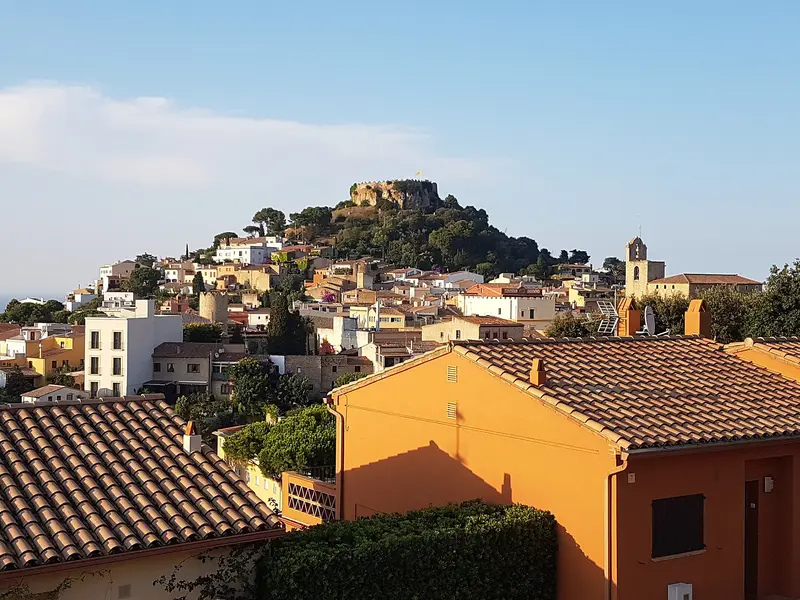
    Begur, a picturesque town on the Costa Brava, captivates with its medieval charm and rich history. Explore its narrow streets, winding up to Begur Castle, from where you can enjoy spectacular panoramic views over the coast and the hinterland. Characteristic are the magnificent Casas Indianas, built by returnees from overseas in the 19th century, which lend the town a unique architectural heritage. The central square, the Plaça de la Vila, is a lively meeting point to observe local life and sample Catalan cuisine in the surrounding restaurants. Ideally, plan your visit during the off-season (May/June or September/October) to experience charming coves like Sa Tuna or Aiguablava without the peak season crowds. For an authentic experience, a walk through the old town in the early morning is recommended, when shops open and the city awakens.
    • Neighborhoods & highlights
    • Walking tours
    • Eat & drink
    • Culture
    • Getting around
    • Accommodation
    • Plan trip
    • Nearby
    • Neighborhoods & highlights
    • Walking tours
    • Eat & drink
    • Culture
    • Getting around
    • Accommodation
    • Plan trip
    • Nearby

    Overview

    Begur, a coastal town on the Costa Brava, is distinguished by its well-preserved medieval core and rich history. You can explore its winding streets that lead up to Castell de Begur, from where a sweeping view over the coast and hinterland is offered. The Casas Indianas are prominent features, impressive mansions built by emigrants who returned from overseas in the 19th century, lending the town a unique architectural heritage. The central Plaça de la Vila forms the heart of local life, perfect for experiencing the atmosphere and tasting Catalan specialties. The surrounding coves such as Sa Tuna, Aiguablava, and Sa Riera offer clear waters and are easily accessible via short routes. For a relaxed visit, the shoulder season in late spring or early autumn is recommended to enjoy the coast without the high-season crowds. A morning stroll through the old town offers insights into local daily life.

    Places in Begur

    Discover the most important sights and attractions
    Sights in Begur

    Port des Pi

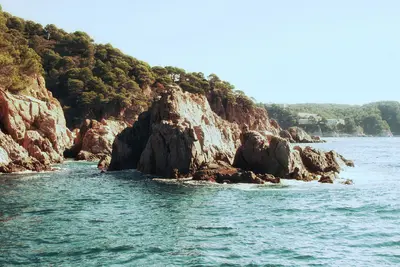
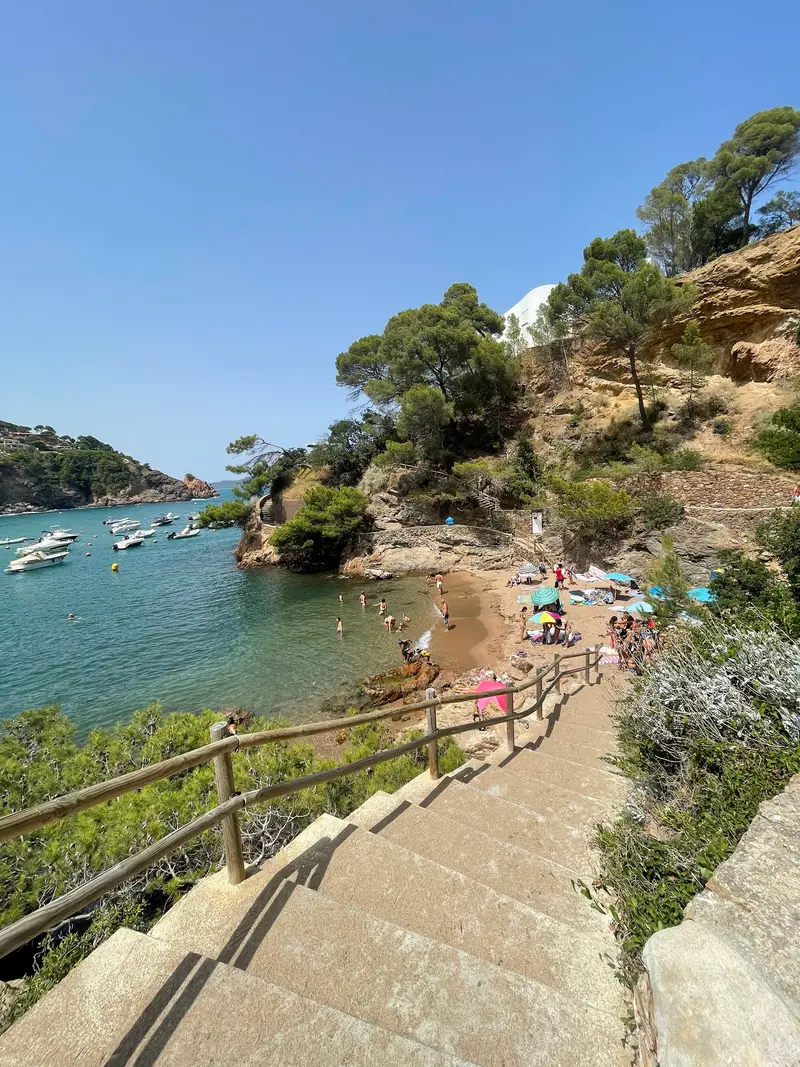
    The Port des Pi near Begur is a characteristic cove on the Costa Brava, captivating with its natural beauty and tranquility. Here you'll find a picturesque setting of rocky cliffs and crystal-clear, turquoise waters, perfect for swimming and snorkeling. Historically, such small harbors and coves were essential for local fishing and offered shelter for smaller boats. Today, visitors appreciate its unspoiled atmosphere, away from the larger tourist crowds. The cove is ideal for exploring the underwater world or simply enjoying the Mediterranean sun. Our Tip: Visit Port des Pi early in the morning to experience its unique tranquility and see the clear water at its most beautiful. For the best views of the cove and coastline, we recommend the coastal path leading there.
    Open in Google Maps

    Punta des Plom

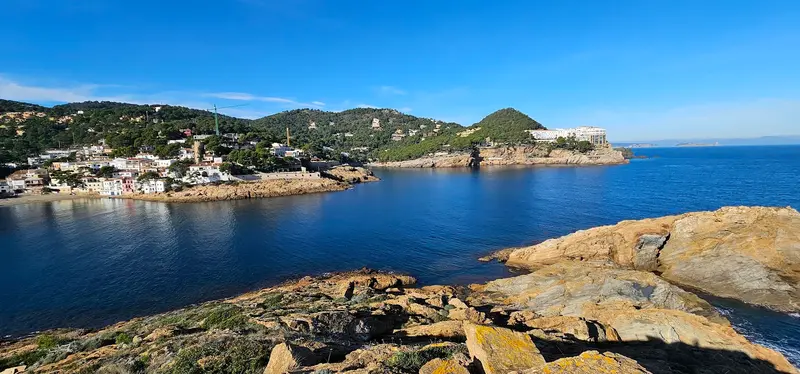
    The Punta des Plom near Begur is a striking coastal headland on the Costa Brava, offering an impressive perspective of the Mediterranean and its rugged coastline. From this natural viewpoint, you can survey Aiguafreda Bay and, on a clear day, see as far as the Medes Islands. The area is characterized by Mediterranean macchia and rock formations, creating a tranquil and unspoiled atmosphere. Historically, this coast often served as a strategic point for observations, though no major structures remain at Punta des Plom itself. You reach Punta des Plom via a picturesque section of the Camí de Ronda, a coastal path that winds along the entire coast. Our Tip: Visit this spot early in the morning to capture the golden hours of sunrise and enjoy the tranquility before the rush of day visitors. This is the ideal time for undisturbed photos of the coastal landscape. Avoid midday in high summer, as the sun is most intense then and shade is sparse.
    Open in Google Maps

    Platja d'Illa Roja

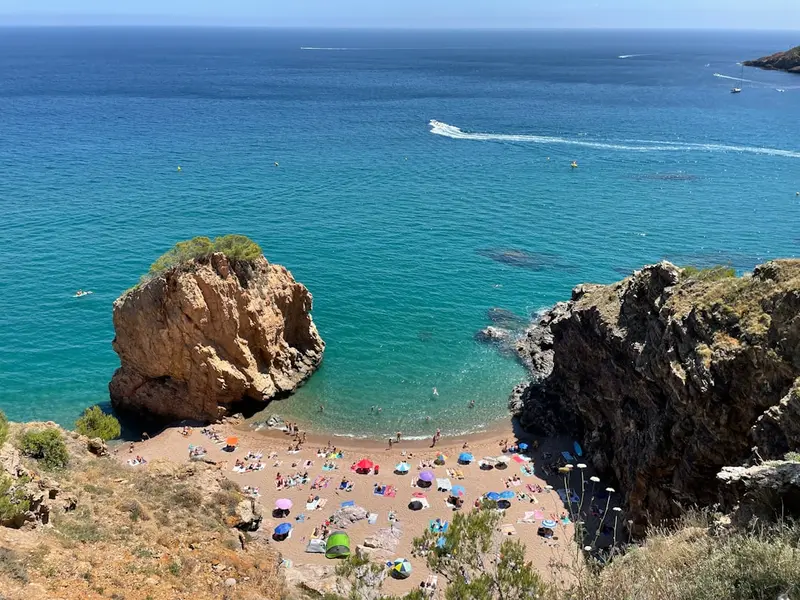
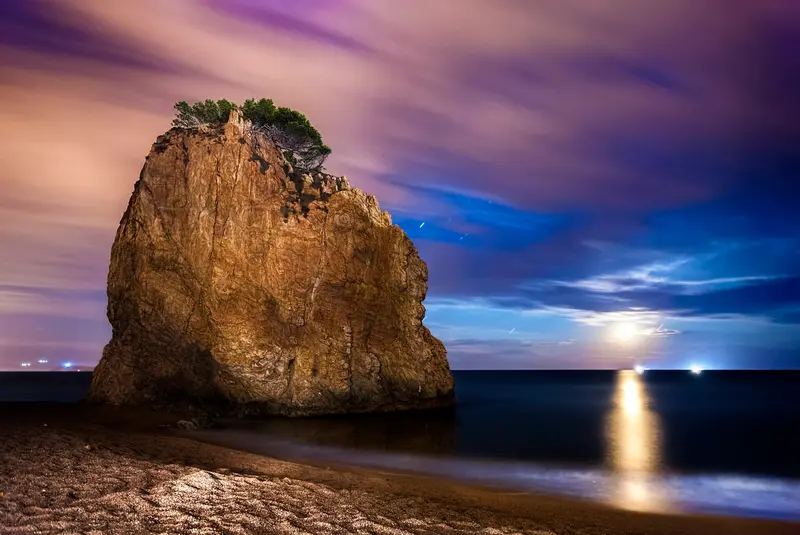
    The Platja d'Illa Roja near Begur is one of the most iconic coves on the Costa Brava, famous for its distinctive red rock that gives it its name. This rock, the 'Rote Insel' (Red Island), rises majestically from the sea, defining the picturesque backdrop of this secluded beach. Here you'll find fine golden sand and crystal-clear water, surrounded by Mediterranean vegetation. The cove is particularly popular with naturists, who appreciate its tranquil and unspoiled atmosphere. Our Tip: To avoid the crowds and capture the best light for photos, visit Illa Roja early in the morning. Access is usually via a section of the coastal path Camí de Ronda, leading from Platja de Sa Riera or Platja del Racó. This contributes to its exclusive character and rewards you with an unforgettable view of the coastal landscape.
    Open in Google Maps

    Camí de Ronda de Sa Riera

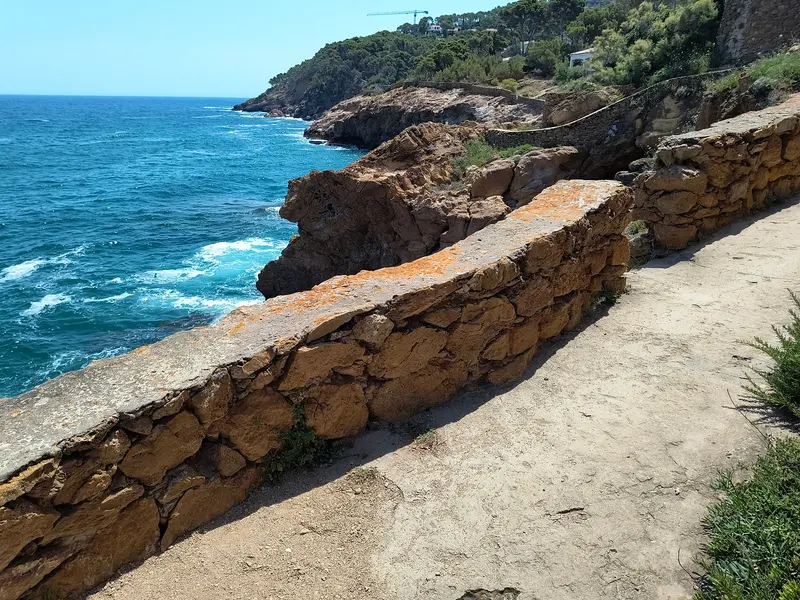
    The Camí de Ronda de Sa Riera near Begur is a classic example of the historic coastal paths of the Costa Brava. Originally, these paths served the Guardia Civil for coastal surveillance, to prevent smuggling and defend the coast. Today, they offer you a unique opportunity to explore the rugged coastal landscape and its hidden coves. On this section, you'll hike along impressive cliffs, enjoy expansive views of the turquoise Mediterranean Sea, and discover picturesque beaches like Sa Riera itself. The path is well-maintained but can be uneven in places, which makes sturdy footwear essential. Our Tip: Start your hike early in the morning to enjoy the tranquility and avoid the intense midday heat. For breathtaking photos of the coast and Sa Riera beach, make use of the elevated viewpoints available along the path.
    Open in Google Maps

    Muntanyes de Begur

    The Muntanyes de Begur shape the landscape around the eponymous town and are an integral part of the Costa Brava. Historically, these elevations, with the Castell de Begur at their summit, served as a strategic lookout post against pirate attacks, underscoring their importance to local history. Today, a diverse natural landscape awaits you here, characterized by dense pine and cork oak forests and Mediterranean scrubland.You'll find numerous hiking trails of varying difficulty, leading you through this pristine natural environment. From the higher elevations, you'll enjoy expansive panoramic views over the rugged coastline, the deep blue Mediterranean Sea, and the green hinterland. Particularly worthwhile is the ascent to the Castell de Begur, whose ruins not only tell tales of the past but also offer a 360-degree view, perfect for photographs.Our Tip: Visit the Muntanyes de Begur in spring or autumn. The temperatures are pleasantly mild then, and the vegetation is at its most beautiful. To avoid the crowds and fully enjoy nature's tranquility, it's best to start your hike early in the morning. Ensure you have sturdy footwear and plenty of water.
    Open in Google Maps

    City walks in Begur

    Curated walking tours through the city's highlights — handpicked by experienced travel journalists.

    Begurs Verborgene Schätze: Ein Spaziergang durch Geschichte und Charme

    Entdecken Sie Begur auf einem zweistündigen Spaziergang, der Sie durch verwinkelte Gassen, vorbei an prächtigen Indianos-Häusern und hinauf zur mittelalterlichen Burg führt. Genießen Sie atemberaubende Ausblicke auf die Costa Brava und tauchen Sie ein in die reiche Geschichte dieses bezaubernden Dorfes.

    ~2 Std.
    In Google Maps öffnen
    Stopps (6)

    Essen & Trinken

    Kultur, Kunst & Geschichte in Begur

    Begur blickt auf eine reichhaltige Geschichte zurück, deren Spuren sich in seiner Architektur und seinen Bräuchen widerspiegeln. Von mittelalterlichen Festungsanlagen bis hin zu prächtigen Kolonialhäusern erzählen die Gebäude von vergangenen Epochen und prägenden Einflüssen. Der Ort pflegt seine kulturelle Identität durch traditionelle Feste und die Bewahrung seines einzigartigen Erbes.Die Geschichte Begurs reicht bis ins Mittelalter zurück, als sich die Siedlung um die imposante Burg Begur entwickelte. Diese Festung diente strategischen Zwecken und bot Schutz vor Piratenangriffen, die die Küsten Kataloniens in der Vergangenheit heimsuchten. Die Region war bereits in iberischer und römischer Zeit besiedelt, doch das mittelalterliche Begur prägte seine heutige Struktur.Die Burg Begur ist das prominenteste Zeugnis dieser Zeit, obwohl heute nur noch Ruinen der einst mächtigen Festung stehen. Auch die zahlreichen Wachtürme entlang der Küste, wie der Torre de Sant Ramon, zeugen von der Notwendigkeit der Verteidigung. Ein weiterer prägender architektonischer Stil sind die sogenannten „Casas de Indianos“, prunkvolle Herrenhäuser, die von Bewohnern errichtet wurden, die im 19. Jahrhundert erfolgreich aus Kuba zurückkehrten. Diese verleihen Begur ein einzigartiges karibisch-katalanisches Flair.Kulturell ist Begur eng mit seinen Seefahrertraditionen und der „Indiano“-Vergangenheit verbunden. Jedes Jahr im September findet die Fira d'Indians statt, ein farbenfrohes Fest, das die historische Verbindung zu Kuba feiert. Bei diesem Ereignis beleben Musik, Tanz und Gastronomie die Straßen und erinnern an die Ära der Rückkehrer. Lokale Fischergemeinschaften pflegen zudem ihre traditionellen Bräuche und Handwerke, die tief in der Geschichte des Mittelmeerraums verwurzelt sind.

    Getting Around Here

    With its winding alleys and picturesque hillside location, Begur is best explored **on foot**, especially the historic old town around the castle ruins. There is no metro or tram here, but a local **bus network** reliably connects the center with nearby beaches like Sa Riera, Sa Tuna, and Aiguablava, particularly useful during the summer months. For these journeys, buying single tickets directly from the driver is recommended; specific apps or multi-journey passes are less common in this region.Bicycles are an option for active travelers looking to explore the coast and hinterland, although the sometimes-steep climbs can be challenging; e-scooters are less practical due to the terrain. Taxis are available in town and offer a convenient way to cover longer distances or reach the beaches without your own car; ride-sharing services are not widespread in Begur.For more extensive exploration of the Costa Brava, a **rental car** is the most flexible choice for reaching secluded coves and charming neighboring villages. Remember, sturdy footwear is essential for the cobblestone streets and hilly paths to fully enjoy Begur.

    Accommodations in Begur

    Accommodations in Begur

    Find perfect stay in Begur

    Booking.com
    Search Hotels
    Agoda
    Search Hotels
    Airbnb
    Vacation Rentals
    Hotels.com
    Hotels Worldwide
    Hostelworld
    Hostels

    Campgrounds in Begur

    Find perfect campground in Begur

    Search via Google Maps
    Campgrounds nearby (15km)
    Camping.info
    Find Campgrounds
    Park4Night
    RV Parks & Camping

    Plan your trip to Begur

    Save places, build a route and plan your city trip — all in one place.

    Save places

    Bookmark sights, restaurants and neighborhoods you're interested in.

    Build your route

    Turn your bookmarks into a route — define order, days and budget.

    Refine with AI

    Let Mein Fernweh suggest experiences and put together a tailored daily plan.

    Start trip planningOpen bookmarks

    Locations nearby

    These places are nearby — perfect for additional days or a day trip.

    Calella de Palafrugell

    Calella de Palafrugell

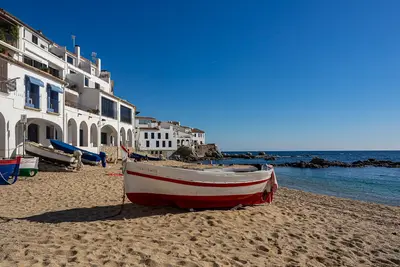
    Calella de Palafrugell is a former fishing village on the Costa Brava that has preserved its authentic charm. You'll find traditional, whitewashed houses clustered around picturesque coves like Port Bo. The characteristic 'Voltes' along the promenade attest to its maritime history and connections to Cuba. This is also reflected in the annual Cantada d'Havaneres, a significant singing festival in July. Along the Camí de Ronda, you can explore the coast and enjoy expansive views. Local restaurants serve fresh seafood and Catalan specialties. For a relaxed experience, a visit outside peak season in spring or autumn is recommended.
    Girona

    Girona

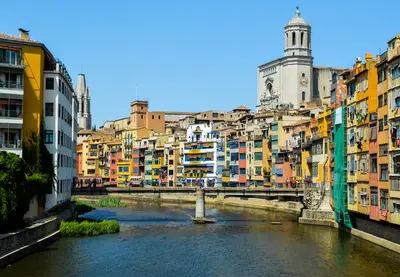
    Girona, a Catalan city in Spain, captivates with its rich history and an extraordinarily well-preserved medieval old town. Here you'll discover Roman foundations and an impressive cathedral, architecturally uniting various epochs. The Barri Vell, the historic centre, invites you to extensive explorations with its winding alleyways and the former Jewish Quarter, El Call. The iconic colourful houses along the Onyar river shape the cityscape and offer a picturesque backdrop. A walk along the Passeig de la Muralla, the old city walls, also offers expansive views over Girona and its surroundings. The Arab Baths offer insight into the region's historical bathing culture. To experience the city peacefully and authentically enjoy the local gastronomy, a visit in spring or autumn is recommended.
    Girona

    Girona

    The Catalan city of Girona impresses with a rich history and picturesque scenery. Colourful houses line the River Onyar, while the well-preserved Barri Vell, the Old Town, entices with narrow streets and a medieval charm. The impressive Girona Cathedral dominates the city's skyline and houses the world's widest Gothic nave. Explore the historic Jewish Quarter, El Call, with its winding alleys and visit the Roman and medieval city walls for panoramic views. Girona also offers Roman remains and the Banys Àrabs, the Arab baths. For a relaxed experience, a visit in spring or autumn is recommended to explore the city at leisure.
    Tossa de Mar

    Tossa de Mar

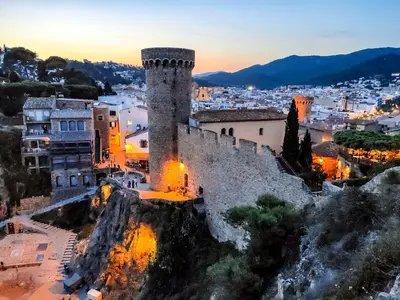
    Tossa de Mar, located on the Costa Brava, is renowned for its unique blend of medieval history and Mediterranean charm. The town's main landmark is the remarkably preserved 12th-century walled old town, Vila Vella. You can stroll along the impressive town walls and admire the seven defensive towers, which offer panoramic views over the sea and the bay. Inside Vila Vella, you'll discover winding alleys, the Municipal Museum, and the historic lighthouse. Beyond the fortress, the main beach, Platja Gran, invites you to relax, while the Roman villa dels Ametllers offers insights into the ancient past. To best experience the unique lighting and tranquility of the alleys, a visit in the early morning or late afternoon is recommended. The off-season, in spring or autumn, also offers a more pleasant climate and fewer visitors.
    Figueres

    Figueres

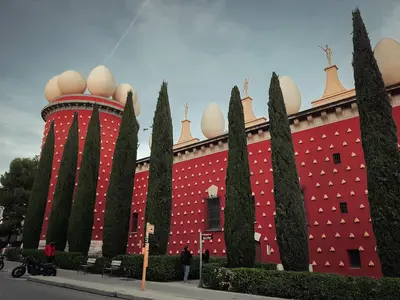
    Heimat des weltberühmten Dalí-Theater-Museums und ein wichtiges kulturelles Zentrum, das Besucher in die surreale Welt des Meisters entführt.