Fernweh: Home
    ExploreTravel GuidesPlan a tripMy tripLast visited
    de|en
    All Places & RegionsAll highlightsAbout FernwehFAQPrivacy PolicyImprint
    ExploreTravel GuidesPlan a tripMy tripLast visited
    Addo Elephants National Park

    South Africa

    Addo Elephants National Park

    National ParkFor Families

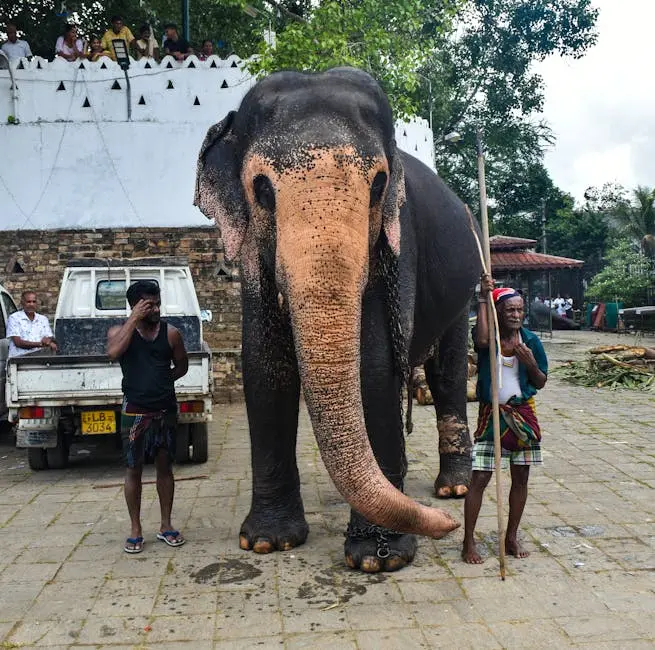
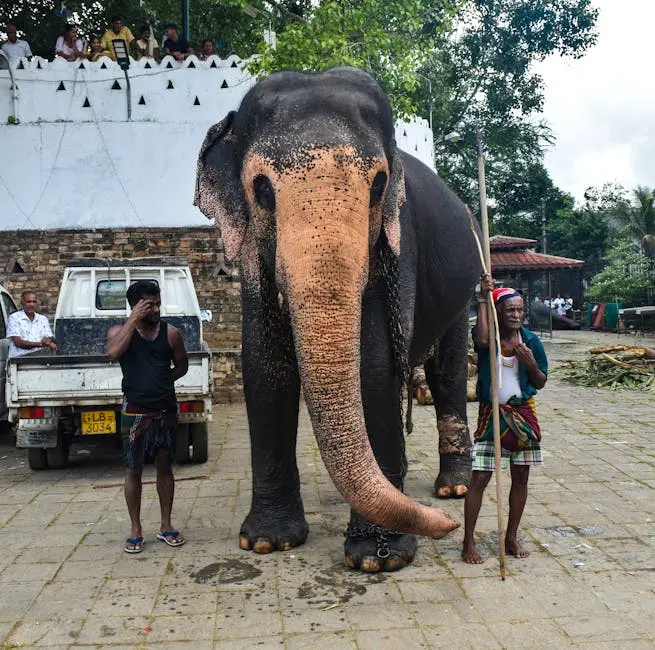
    The Addo Elephant National Park is located approximately 70 kilometres north of Gqeberha (Port Elizabeth). It was established in 1931 to protect the last eleven elephants in the region; today, over 600 live here.

    by Felix Gillen

    1. Home
    2. Destinations
    3. South Africa
    4. Addo and Sundays River Valley
    5. Addo Elephants National Park
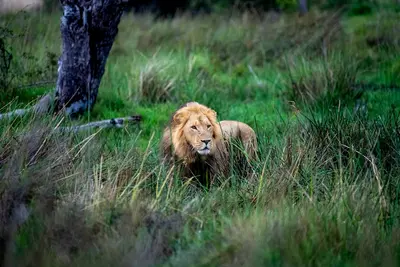
    The Addo Elephant National Park is located approximately 70 kilometres north of Gqeberha (Port Elizabeth). It was established in 1931 to protect the last eleven elephants in the region; today, over 600 live here. Besides them, there are lions, buffalo, rhinos, leopards, and zebras. The park is malaria-free and easily explored by private car.

    Sehenswürdigkeiten

    Discover the most important sights and attractions

    PPC Discovery Trail

    1PPC Discovery Trail

    A short interpretive trail at the main camp, where you can explore on foot. Information boards explain the dense Addo bushland, the plants, and animal tracks. A good spot for birdwatching between two game drives.
    Open in Google Maps
    Main Camp Interpretive Centre

    2Main Camp Interpretive Centre

    Small exhibition in the main camp on the history of the park, which was founded in 1931 to protect the last eleven elephants of the region, and on its flora and fauna. Good as an introduction before the first game drive.
    Open in Google Maps
    Main Camp Underground Hide

    3Main Camp Underground Hide

    Underground observation hide at the main camp's waterhole. You sit at eye level with the animals that come to drink, often elephants up close. Freely accessible for guests and day visitors.
    Open in Google Maps

    Essen & Trinken

    Addo: Past and Heritage

    While Addo Elephant National Park is primarily renowned for its impressive wildlife, it also holds a rich history and a deeply rooted cultural heritage.The region where the park is located bears witness to millennia of human settlement and dramatic changes.The park's origins date back to 1931, when it was established to protect the last eleven survivors of a once-large elephant population, severely decimated by conflicts with local farmers. Before the arrival of European settlers, the area was home to indigenous San and Khoikhoi communities, whose presence is evidenced by archaeological finds.The history of the Addo area is closely linked to the 'Frontier Country' era of the Eastern Cape, a period of intense conflicts between Xhosa peoples, Dutch Boers, and British colonialists. Although no elaborate architecture can be found within the park itself, some preserved farmhouses and the infrastructure from the early park development bear witness to its colonial past.Awareness of indigenous history and the necessity of species protection now shape the park's identity. Local communities from the surrounding area, often with Xhosa language skills, play a role in park management and contribute to cultural understanding, even if direct cultural 'traditions' are less visible in the park center itself than in the surrounding communities.

    Exploring locally

    Die Fortbewegung im Addo Elephant National Park unterscheidet sich grundlegend von urbanen Zentren. Ein U-Bahn- oder Straßenbahnnetz ist hier, mitten in der Wildnis, selbstverständlich nicht vorhanden. Auch öffentliche Buslinien für die Pirschfahrten gibt es nicht; der Zugang zum Park erfolgt meist mit dem eigenen Mietwagen oder über organisierte Transfers von umliegenden Städten. Innerhalb des Parks ist das Selbstfahren mit dem Pkw die beliebteste Option, um die beeindruckende Tierwelt in aller Ruhe zu entdecken.Fahrräder und E-Scooter sind nur auf sehr begrenzten, ausgewiesenen Routen außerhalb der Wildtiergebiete erlaubt und generell nicht für Wildbeobachtungen vorgesehen. Taxi- oder Ride-Sharing-Dienste können Reisende zum Parkeingang bringen, sind jedoch für Fahrten innerhalb des Parks aufgrund der Wildnis und der benötigten Geländetauglichkeit ungeeignet; hierfür müssen offizielle Safari-Fahrzeuge oder der eigene Wagen genutzt werden.Die Parks sind nicht fußgängerfreundlich im städtischen Sinne; das Verlassen des Fahrzeugs ist außerhalb spezieller, eingezäunter Picknick- oder Rastbereiche strengstens untersagt und lebensgefährlich. Praktische Tipps umfassen das Tanken außerhalb des Parks, das Mitführen einer gedruckten Karte und die Beachtung der Geschwindigkeitsbegrenzungen für Ihre Sicherheit und die der Tiere.

    Accommodations in Addo Elephants National Park

    Find perfect stay in Addo Elephants National Park

    Booking.com* (Affiliate link)
    Search Hotels
    Agoda* (Affiliate link)
    Search Hotels
    Airbnb
    Vacation Rentals

    * Affiliate link: if you book through it, we earn a small commission. The price stays the same for you.

    Nearby

    Addo and Sundays River Valley

    Addo and Sundays River Valley

    The region around the Addo Elephant National Park north of Gqeberha (Port Elizabeth) is the most important safari area in the Eastern Cape and is malaria-free. Besides the national park, private game reserves like Shamwari and Schotia are located here, plus the citrus valley of the Sundays River.
    Schotia Private Game Reserve

    Schotia Private Game Reserve

    Schotia is a small private game reserve on the edge of Addo Elephant National Park and one of the oldest in the Eastern Cape. Lions, rhinos, giraffes, hippos, and many antelopes live in a compact space. Schotia is known for game drives that extend into the darkness.
    Sundays River Valley

    Sundays River Valley

    The Sundays River Valley, stretching between Kirkwood, Addo, and its mouth near Colchester, is one of South Africa's largest citrus-growing regions. For travelers, it primarily serves as a base for the Addo Elephant National Park, offering many guesthouses and farm accommodations nestled among the orange groves.
    Shamwari Private Game Reserve

    Shamwari Private Game Reserve

    Shamwari is a large private game reserve in the Eastern Cape, approximately an hour's drive from Gqeberha (Port Elizabeth). On former farmland, the Big Five were re-introduced starting in 1990. Today, Shamwari is one of the most renowned luxury safari destinations in the country.
    Gqeberha (Port Elizabeth)

    Gqeberha (Port Elizabeth)

    Gqeberha, until 2021 Port Elizabeth, is the largest city of the Eastern Cape and lies on Algoa Bay. For most, it is the starting point for the Addo Elephant National Park, plus beaches and an interesting city center.

    Sources & method

    • Photos: Unsplash, Pexels. Each photo carries its credit.
    • The content is based on web research from public, traceable sources. How the content is made · The role of AI