South Africa
Addo and Sundays River Valley
Region
The region around the Addo Elephant National Park north of Gqeberha (Port Elizabeth) is the most important safari area in the Eastern Cape and is malaria-free.
by Felix Gillen
The region around the Addo Elephant National Park north of Gqeberha (Port Elizabeth) is the most important safari area in the Eastern Cape and is malaria-free. Besides the national park, private game reserves like Shamwari and Schotia are located here, plus the citrus valley of the Sundays River.
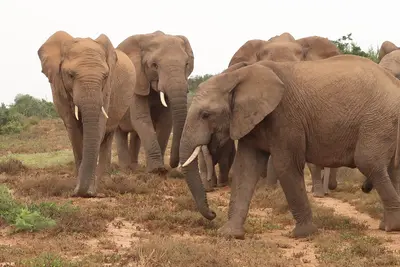
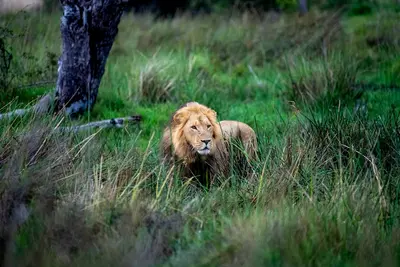
The **Addo Elephant National Park** is the region's heart, easily explored by self-drive. Due to its marine protected area in Algoa Bay, it boasts the Big Seven: Elephant, Rhino, Lion, Leopard, Buffalo, Southern Right Whale, and Great White Shark. Private reserves like **Shamwari** and **Schotia** offer lodge accommodation, with ranger-led game drives included. Around Addo town and the **Sundays River** valley with its orange groves, many guesthouses are available. The region combines well with the Garden Route; it's about an hour from Gqeberha. Check necessary health precautions for your trip via the Foreign Office link on the country page.


Culture, Art & History of the Addo Region
The Greater Addo Elephant National Park Region is rich in historical and cultural significance, deeply rooted in South Africa's history. Originally inhabited by the San (Bushmen) and later by the Khoi and Xhosa, rock paintings and archaeological finds bear witness to a long indigenous presence.With the arrival of European settlers in the 17th century, the region became a scene of the Cape Frontier Wars. The architecture of the historical farmhouses that still exist today often reflects the building style of these early European immigrants and is a visible legacy of this turbulent era.Local traditions are strongly influenced by Xhosa culture, whose language and customs continue to form an integral part of regional life. The region's cultural fabric is a blend of indigenous roots, colonial past, and modern influences, reflected in local cuisine, crafts, and the stories of its inhabitants.