Fernweh: Home
    ExploreTravel GuidesPlan a tripMy tripLast visited
    de|en
    All Places & RegionsAll highlightsAbout FernwehFAQPrivacy PolicyImprint
    ExploreTravel GuidesPlan a tripMy tripLast visited
    • Overview
    • Places in the region
    • Round trips
    • Nearby
    South Coast

    Sri Lanka

    South Coast

    Region

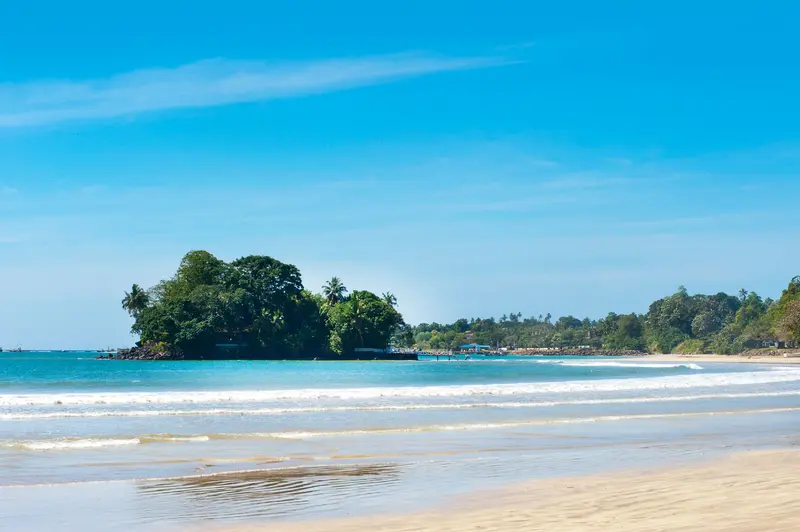
    Sri Lanka's south coast stretches from Hikkaduwa, about 100 kilometers south of Colombo, through Galle and the bays of Weligama and Mirissa, all the way to Tangalle.

    by Felix Gillen

    1. Home
    2. Destinations
    3. Sri Lanka
    4. South Coast
    Sri Lanka's south coast stretches from Hikkaduwa, about 100 kilometers south of Colombo, through Galle and the bays of Weligama and Mirissa, all the way to Tangalle. It connects a UNESCO-protected colonial city with surf beaches, fishing ports, and, further inland, some of the island's most renowned national parks.Most coastal towns are located along the coastal railway from Colombo to Matara and the A2 highway, making travel between them easy. Further inland lie the Sinharaja rainforest and the dry forests of Udawalawe and Yala, all of which can be visited from the coast as day or overnight excursions.
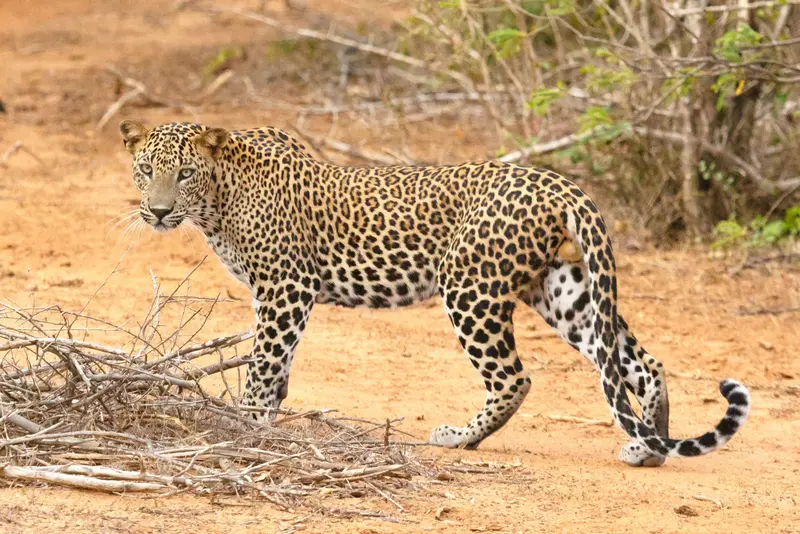
    Coast between Hikkaduwa and TangalleTo the west lies Hikkaduwa, home to Sri Lanka's first marine sanctuary and a fringing reef where sea turtles graze. A few kilometers further is Galle, whose fort, expanded by the Dutch, has been a UNESCO World Heritage site since 1988; nearby Unawatuna is the closest beach resort to the city. Further east, the sheltered bay of Weligama is considered one of the best beginner surfing spots, Mirissa is a starting point for whale watching tours, and Tangalle offers quieter beaches as well as the turtle nesting sites of Rekawa.National Parks and Rainforest in the HinterlandYala National Park in the southeast is known for its leopards, Udawalawe for its elephants and the Elephant Transit Home, where orphaned calves are raised. Sinharaja, a UNESCO World Heritage site since 1988, is the country's most famous lowland rainforest and a destination for birdwatchers.Travel SeasonOn the southwest coast, November to April is considered the season: the sea is calmer then, the surf spots are working, and whale watching off Mirissa is at its peak. Between May and July, few whale boats depart due to rough seas.
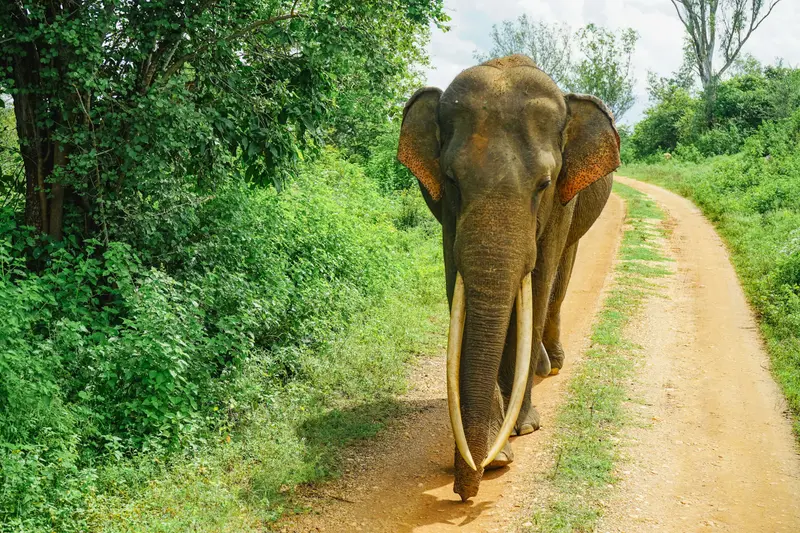
    Udawalawe National Park

    Place 1 of 4

    Udawalawe National Park

    Udawalawe National Park is situated on the border of Uva and Sabaragamuwa provinces, approximately 165 kilometers from Colombo and north of the South Coast.

    Discover

    Place 2 of 4

    Mirissa is a beach town in the Matara District, approximately 150 kilometers south of Colombo. It is primarily known as a starting point for whale watching tours, where blue whales are sighted during the season, and for its bright sandy beach with bars.

    Discover
    Yala National Park

    Place 3 of 4

    Yala National Park

    Yala National Park, located in southeast Sri Lanka, is the country's most famous protected area, spanning approximately 979 square kilometers; the shortest road connection from Colombo is about 270 kilometers.

    Discover
    Sinharaja Forest Reserve
    A.Savin / Wikimedia Commons / FAL

    Place 4 of 4

    Sinharaja Forest Reserve

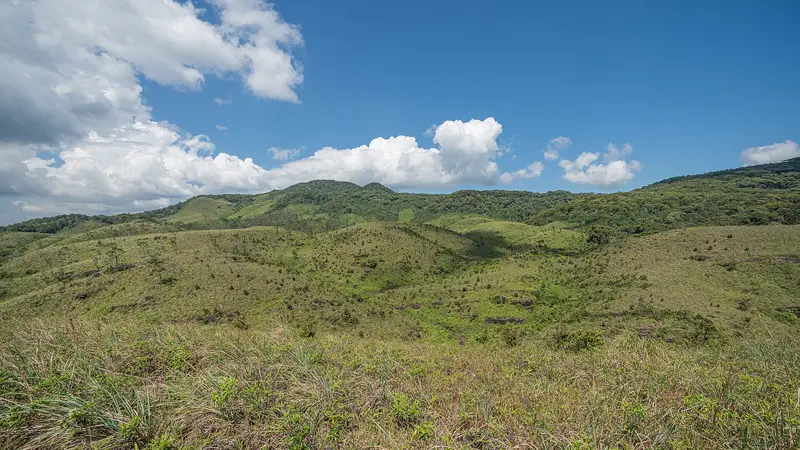
    Sinharaja is Sri Lanka's most famous lowland rainforest, located in the hinterland of the south coast, approximately 120 kilometers southeast of Colombo.

    Discover

    More places in South Coast

    Hikkaduwa is located approximately 98 kilometers south of Colombo and 17 kilometers northwest of Galle. The town is known for its coral reef in Sri Lanka's first marine protected area, for sea turtles near the beach, and for surf waves during the season.The fringing reef of Hikkaduwa National Park lies at a depth of about five meters and comprises around 70 coral species. Since 2023, a reef restoration program has been underway under the wildlife protection authority; touching corals is strictly forbidden. Green sea turtles and Hawksbill sea turtles graze on the reef year-round.The beach stretches for several kilometers. At the northern end is Turtle Beach, with Narigama to the south, where bars and guesthouses are abundant. North of the town, in Peraliya and Telwatta, memorials commemorate the 2004 tsunami.
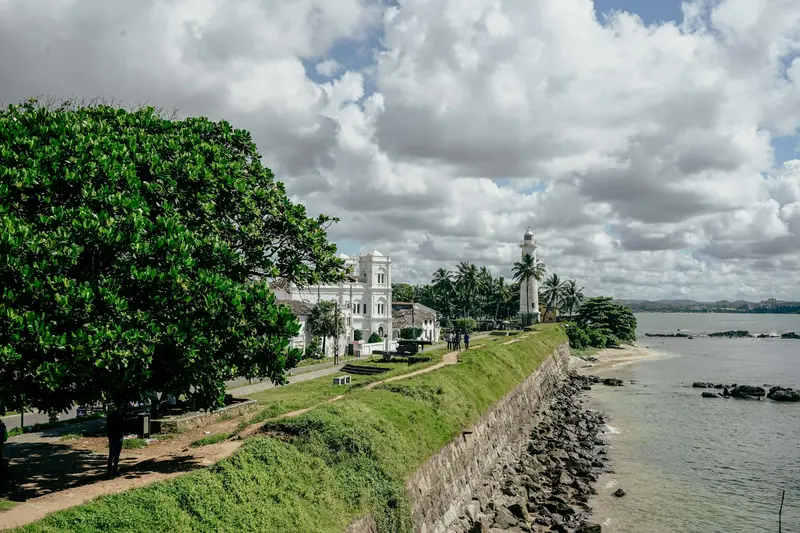
    Galle

    Galle

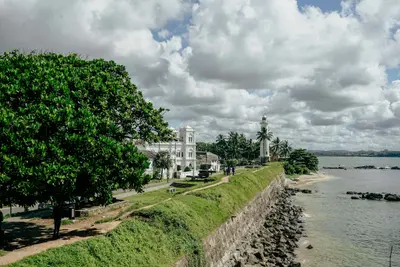
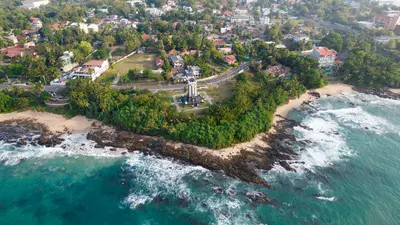
    Galle is the main city on the south coast, approximately 1.5 to 2 hours away from Colombo via the expressway. Its heart is the Fort, an old town enclosed by ramparts, which was declared a UNESCO World Heritage site in 1988 as the "Old Town of Galle and its Fortifications".The Portuguese established a first fortification here in the 16th century, which the Dutch expanded from 1649 onwards; the sea wall was completed in 1729. The Fort covers around 52 hectares with 14 bastions, churches, a mosque, and colonial houses, which today host cafés, boutiques, and restaurants. The walls largely withstood the 2004 tsunami, which damaged parts of the modern city.Outside the ramparts lies the new town with its train station and central bus terminal, both within walking distance of the Fort. Most visitors stay and dine within the walls, for example, around Church Street and Pedlar Street.
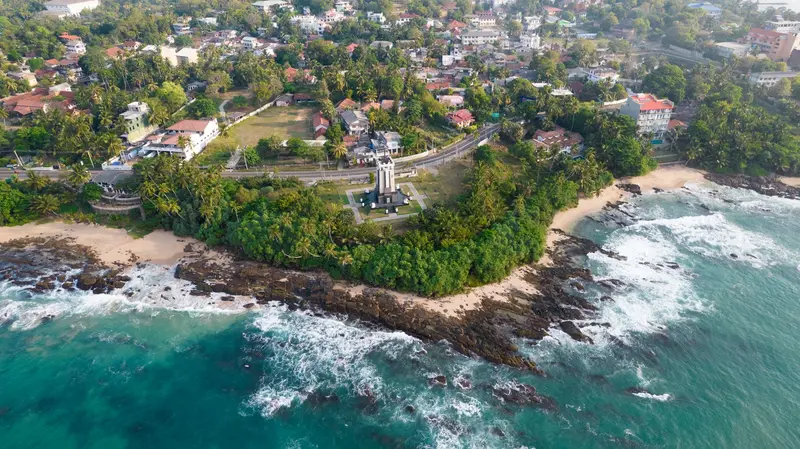
    Tangalle

    Tangalle

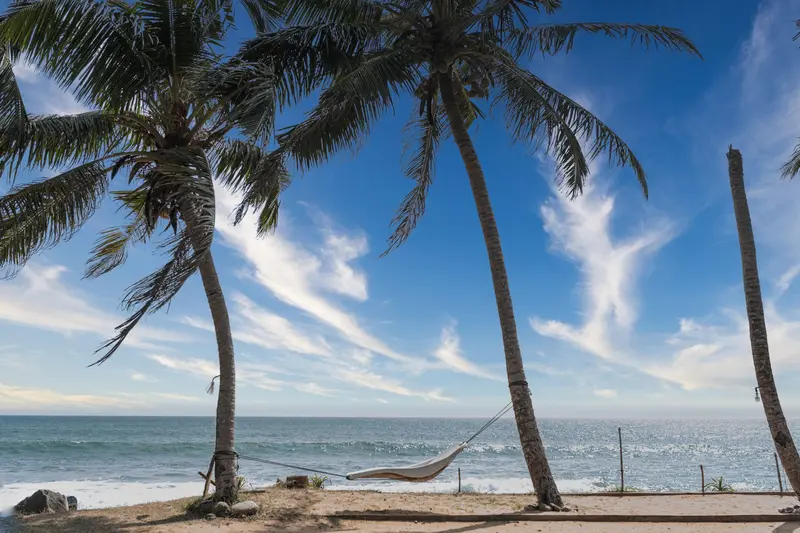
    Tangalle is a port town in the Hambantota District, approximately 195 kilometers south of Colombo and 35 kilometers east of Matara. Located on one of Sri Lanka's largest bays, with its tranquil beaches, the Mulkirigala rock temple, and the Rekawa turtle nesting sites, it's a destination for travelers who prefer a less bustling atmosphere.The name means "projecting rock" in Sinhalese. In the town center stands an old Dutch fort, which today serves as a prison. The Dutch and British utilized the bay as an anchorage.The beaches are divided into several sections: Medaketiya is the liveliest with cafés and guesthouses, Goyambokka is situated in a sheltered bay west of town, and Silent Beach is a small, palm-fringed cove away from the hustle and bustle.
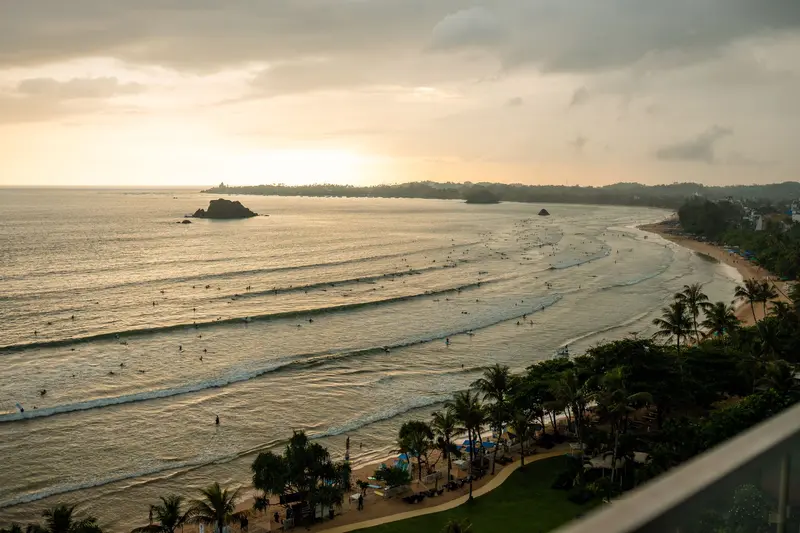
    Weligama

    Weligama

    Weligama is situated on a wide sandy bay about 144 kilometers south of Colombo, between Galle and Mirissa. The sheltered bay is considered one of the best beginner spots for surfing in Sri Lanka, with surf schools lining the central beach.The name means "sandy village". Off the western part of the bay lies the tiny island of Taprobane with a single villa, and on the outskirts of the village is the Kusta Raja Gala relief carved into the rock. West of Weligama, along the coast near Ahangama, Kathaluwa, and Koggala, the famous stilt fishermen sit on their poles.Besides simple surf camps, a variety of cafés and restaurants have established themselves in and around Weligama, ranging from brunch spots to the gourmet offerings of the Cape Weligama resort on the headland to the west.
    Unawatuna

    Unawatuna

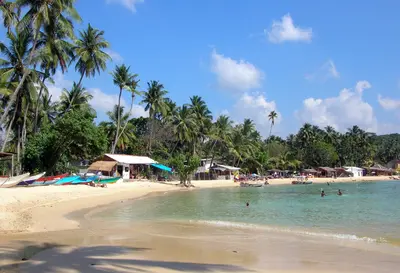
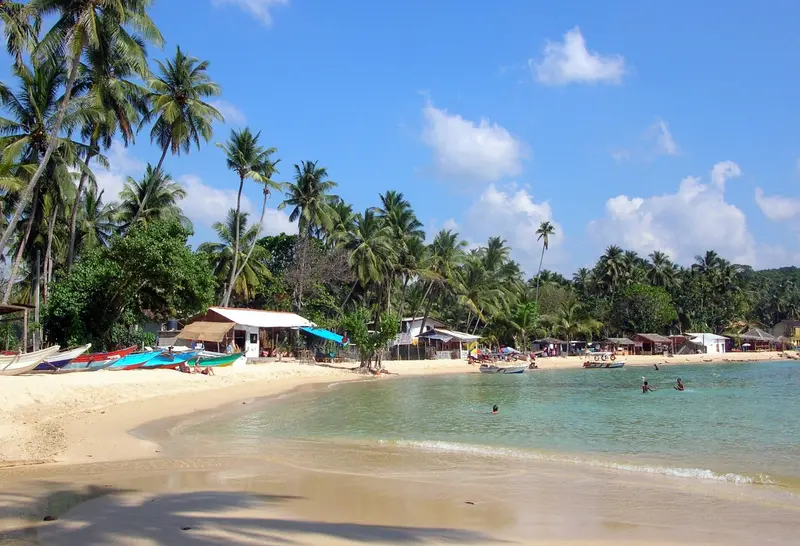
    Unawatuna is a seaside resort on a curving bay about five kilometers southeast of Galle and around 108 kilometers south of Colombo. Due to its proximity to the Fort and the coral reefs off the coast, it is one of the most visited beaches on the south coast.In front of the beach lie reefs and shipwrecks, home to fish and turtles. West of the bay rises the forested hill Rumassala, with the hidden Jungle Beach and the Japanese Peace Pagoda. The 2004 tsunami destroyed many beach restaurants; the development along the beach has since been rebuilt.Life unfolds along the beachfront promenade and in the alleys behind it; quieter accommodations are located towards Dalawella in the east.
    Round trips through this region

    Classic Tour: Culture Triangle, Highlands and South Coast

    Classic Tour: Culture Triangle, Highlands and South Coast

    The classic route connects the old royal cities in the north of the island's center with Kandy, the tea mountains around Nuwara Eliya and Ella, a national park in the south, and the beaches between Mirissa and Galle. It is best suited from December to March.

    15 Days
    9 stops

    Nearby

    Weligama

    Weligama

    Weligama is situated on a wide sandy bay about 144 kilometers south of Colombo, between Galle and Mirissa. The sheltered bay is considered one of the best beginner spots for surfing in Sri Lanka, with surf schools lining the central beach.The name means "sandy village". Off the western part of the bay lies the tiny island of Taprobane with a single villa, and on the outskirts of the village is the Kusta Raja Gala relief carved into the rock. West of Weligama, along the coast near Ahangama, Kathaluwa, and Koggala, the famous stilt fishermen sit on their poles.Besides simple surf camps, a variety of cafés and restaurants have established themselves in and around Weligama, ranging from brunch spots to the gourmet offerings of the Cape Weligama resort on the headland to the west.

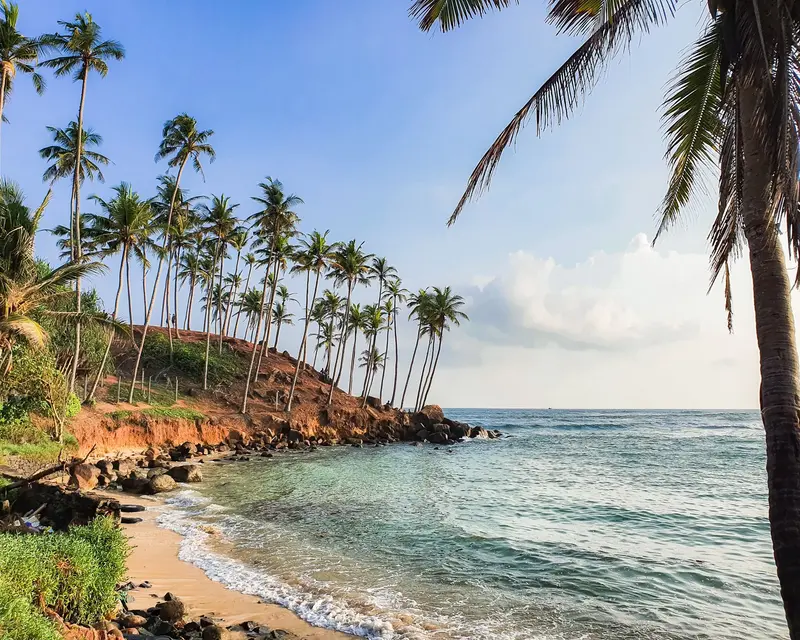
    Mirissa is a beach town in the Matara District, approximately 150 kilometers south of Colombo. It is primarily known as a starting point for whale watching tours, where blue whales are sighted during the season, and for its bright sandy beach with bars.The Mirissa boat harbor is considered the largest fishing port on the south coast, where tuna, mullet, and snapper, among other fish, are landed. On the beach lies the small rocky island Parrot Rock, and at its eastern end is the palm-covered Coconut Tree Hill.The main beach, with most restaurants and bars, lies between the A2 and the sea. Slightly off the beaten path, Secret Beach is reachable via a short walk.
    Unawatuna

    Unawatuna

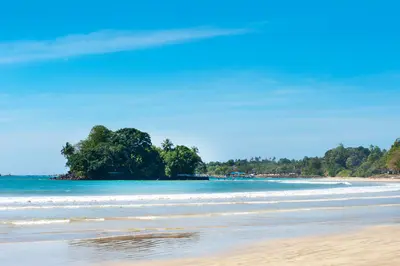
    Unawatuna is a seaside resort on a curving bay about five kilometers southeast of Galle and around 108 kilometers south of Colombo. Due to its proximity to the Fort and the coral reefs off the coast, it is one of the most visited beaches on the south coast.In front of the beach lie reefs and shipwrecks, home to fish and turtles. West of the bay rises the forested hill Rumassala, with the hidden Jungle Beach and the Japanese Peace Pagoda. The 2004 tsunami destroyed many beach restaurants; the development along the beach has since been rebuilt.Life unfolds along the beachfront promenade and in the alleys behind it; quieter accommodations are located towards Dalawella in the east.
    Galle

    Galle

    Galle is the main city on the south coast, approximately 1.5 to 2 hours away from Colombo via the expressway. Its heart is the Fort, an old town enclosed by ramparts, which was declared a UNESCO World Heritage site in 1988 as the "Old Town of Galle and its Fortifications".The Portuguese established a first fortification here in the 16th century, which the Dutch expanded from 1649 onwards; the sea wall was completed in 1729. The Fort covers around 52 hectares with 14 bastions, churches, a mosque, and colonial houses, which today host cafés, boutiques, and restaurants. The walls largely withstood the 2004 tsunami, which damaged parts of the modern city.Outside the ramparts lies the new town with its train station and central bus terminal, both within walking distance of the Fort. Most visitors stay and dine within the walls, for example, around Church Street and Pedlar Street.
    Tangalle

    Tangalle

    Tangalle is a port town in the Hambantota District, approximately 195 kilometers south of Colombo and 35 kilometers east of Matara. Located on one of Sri Lanka's largest bays, with its tranquil beaches, the Mulkirigala rock temple, and the Rekawa turtle nesting sites, it's a destination for travelers who prefer a less bustling atmosphere.The name means "projecting rock" in Sinhalese. In the town center stands an old Dutch fort, which today serves as a prison. The Dutch and British utilized the bay as an anchorage.The beaches are divided into several sections: Medaketiya is the liveliest with cafés and guesthouses, Goyambokka is situated in a sheltered bay west of town, and Silent Beach is a small, palm-fringed cove away from the hustle and bustle.

    Sources & method

    • Photos: Pexels. Each photo carries its credit.
    • The content is based on web research from public, traceable sources. How the content is made · The role of AI