ExploreTravel GuidesPlan a trip
    de|en
    All Places & RegionsAbout FernwehFAQPrivacy PolicyImprint
    ExploreTravel GuidesPlan a trip
    • Neighborhoods & highlights
    • Eat & drink
    • Food culture
    • Culture
    • Nightlife
    • Getting around
    • Accommodation
    • Plan trip
    • Nearby
    Charleston

    United States

    Charleston

    City

    Charleston, on South Carolina's Atlantic coast, is one of the USA's best-preserved historic cities.

    1. Home
    2. Destinations
    3. United States
    4. South Carolina
    5. Charleston
    Charleston, on South Carolina's Atlantic coast, is one of the USA's best-preserved historic cities. You'll be drawn by its pastel-colored housefronts, cobblestone alleyways, Lowcountry cuisine, and a history that stretches from the wealth of rice plantations to the first shots of the Civil War.The historic core lies on a peninsula between the Ashley and Cooper Rivers. From its southern tip, The Battery, you gaze across the harbor to Fort Sumter. Beyond the city, gardens and plantations await along the Ashley River, along with the immense Angel Oak on Johns Island, and beaches like Folly Beach.Charleston was one of the most significant ports of the transatlantic slave trade. The International African American Museum and the Old Slave Mart Museum tell this story directly in the city, and many plantations now also explore the lives of the enslaved.
    Charleston is a mid-sized city whose historic core on the peninsula between the Ashley and Cooper Rivers is compact enough to explore on foot. The free DASH buses connect the visitor center with King Street, City Market, Waterfront Park, and the College of Charleston. Particularly notable is the density of 18th and 19th-century houses, as Charleston was the first US city to enact historic preservation laws in 1931. Must-see areas include South of Broad with Rainbow Row and the Battery, the French Quarter around Church Street, the King Street shopping district, and the Upper King restaurant quarter. For Fort Sumter, the plantations on the Ashley River, and the beaches, you'll need a ferry or a car.

    Sights in Charleston

    Discover the most important sights and attractions

    Rainbow Row
    Historic Landmark

    1Rainbow Row

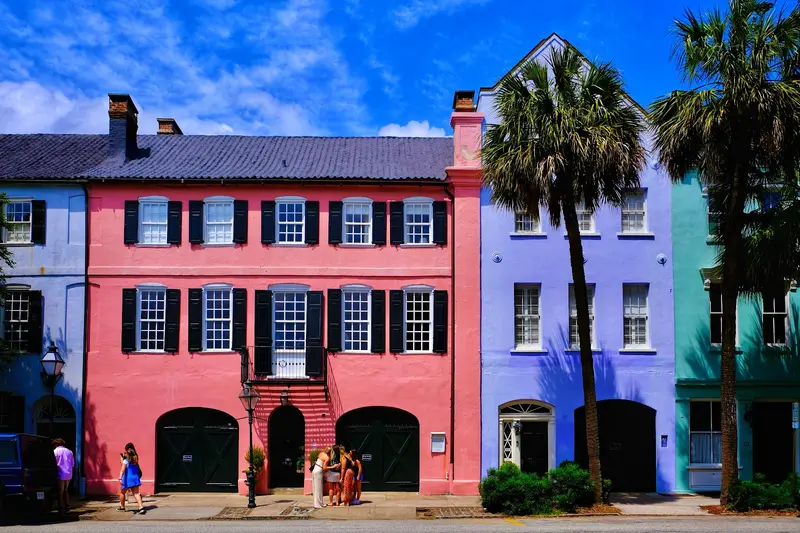
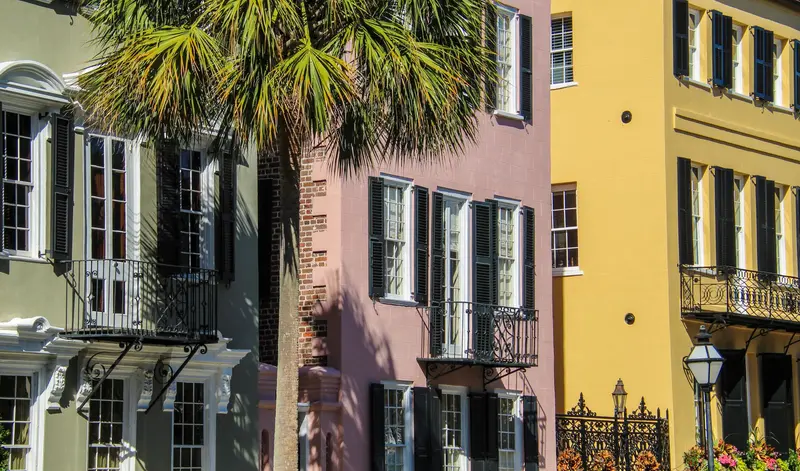
    The 13 pastel-colored houses on East Bay Street date from the 18th and early 19th centuries. Their colors were only added during renovations in the 1930s and 1940s.
    Open in Google Maps
    White Point Garden
    Park

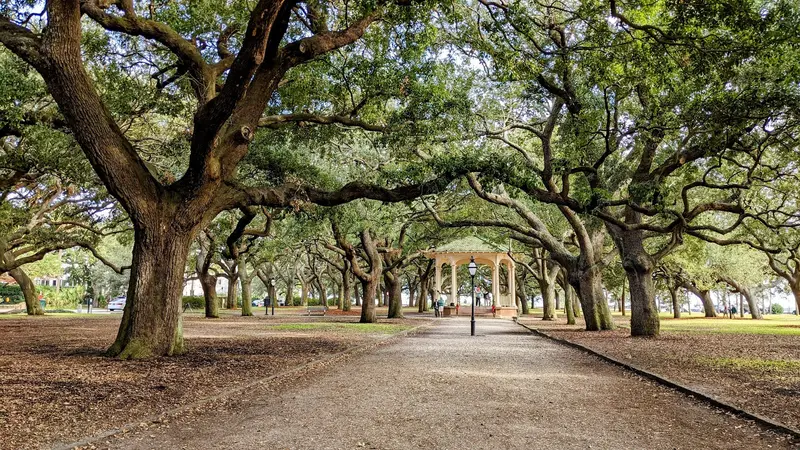
    2White Point Garden

    The park at the southern tip of the peninsula lies behind The Battery, the seawall where you can stroll along the harbor between the Ashley and Cooper Rivers. Cannons and monuments recall the site's military history.
    Open in Google Maps
    Charleston City Market
    Historic Landmark

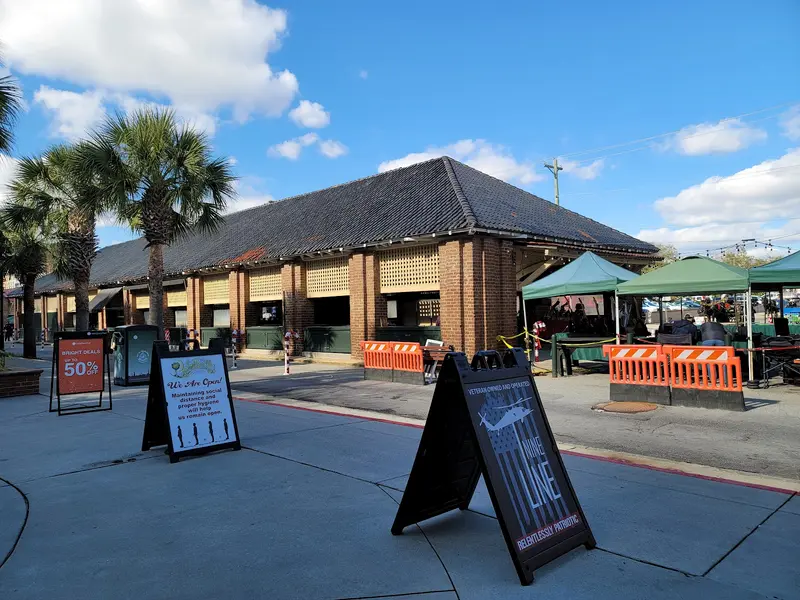
    3Charleston City Market

    The market stretches over four blocks from the Market Hall on Meeting Street to East Bay Street. Here, Gullah craftswomen sell their Sweetgrass baskets. Contrary to popular belief, slaves were never sold here.
    Open in Google Maps
    Fort Sumter
    Attraction

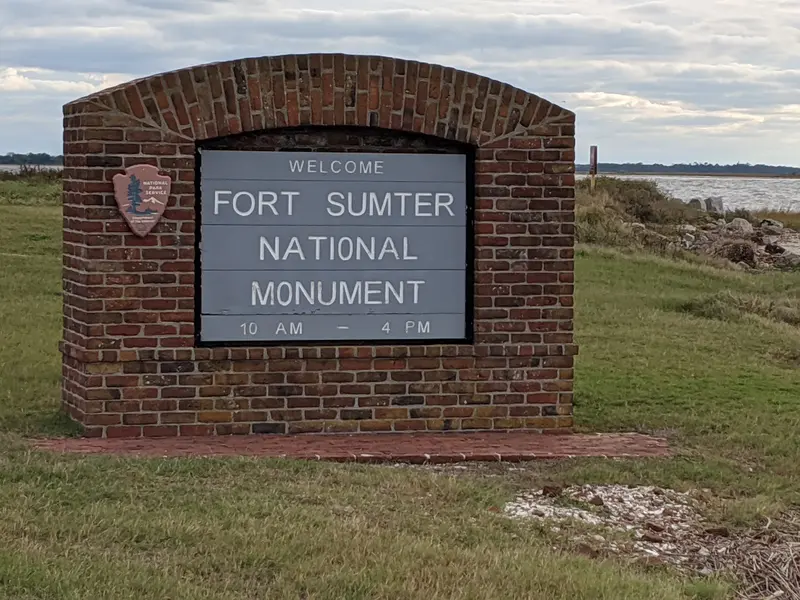
    4Fort Sumter

    This fort at the harbor entrance is where the American Civil War began on April 12, 1861. You can only reach it by ferry from Fort Sumter Tours, departing from Liberty Square or Patriots Point; the tour lasts approximately 2 hours 15 minutes.
    Open in Google Maps
    Old Slave Mart Museum
    Museum

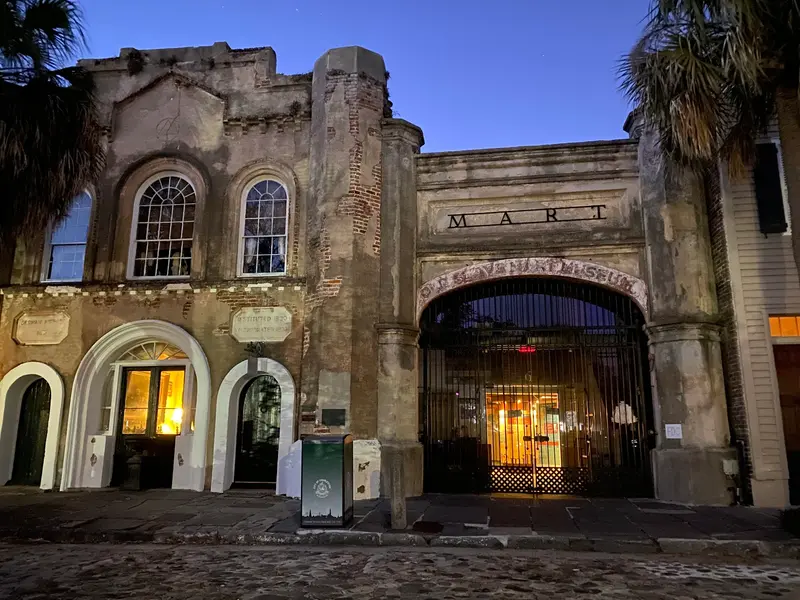
    5Old Slave Mart Museum

    The museum on cobblestone Chalmers Street stands in the only surviving building of Ryan's Mart, an auction house where enslaved people were sold. It explains how Charleston became the center of the domestic slave trade after the ban on the transatlantic trade in 1808.
    Open in Google Maps
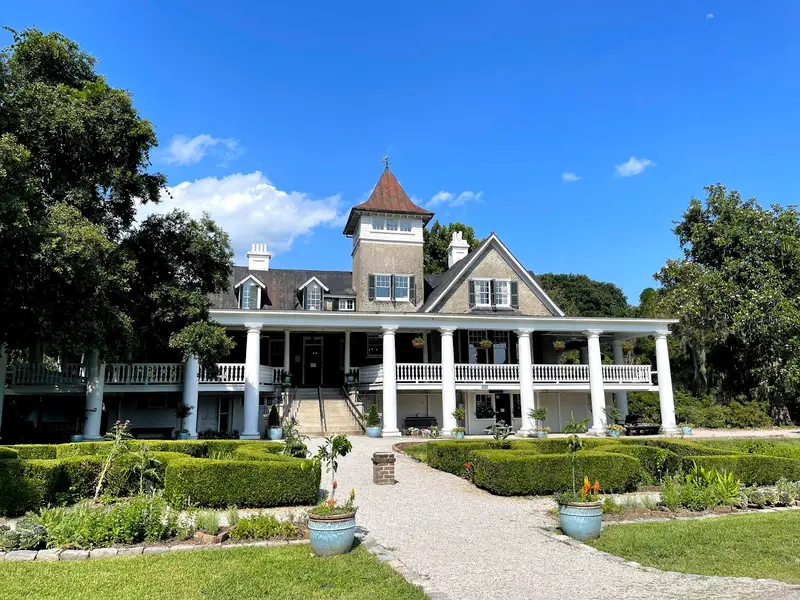
    Magnolia Plantation and Gardens
    Museum

    6Magnolia Plantation and Gardens

    The plantation on the Ashley River has belonged to the Drayton family since the late 17th century, and its gardens have been open to visitors since 1871. Enslaved people established the rice fields. In four restored cabins, you can learn more about their lives.
    Open in Google Maps

    Restaurants in Charleston

    1

    Leon's Oyster Shop

    In a former gas station on Upper King Street, you'll find oysters, shrimp roll, and fried chicken, alongside grower champagnes. Awarded a Bib Gourmand in the Michelin Guide.
    Show on Google Maps
    2

    Lewis Barbecue

    Texan Barbecue in Charleston: Brisket by weight and on weekends Beef Rib, enjoyed at picnic tables in a gravel courtyard. Bib Gourmand in the Michelin Guide.
    Show on Google Maps
    3

    Husk

    Since 2011, Husk serves Southern cuisine from regional ingredients in a historic house on Queen Street, featuring Pimento Cheese with Country Ham and cornbread. Recommended by the Michelin Guide.
    Show on Google Maps

    Dining and Drinks

    Lowcountry cuisine thrives on rice, seafood from the marshes, and West African influences. Three city restaurants have held a Michelin star since 2025.
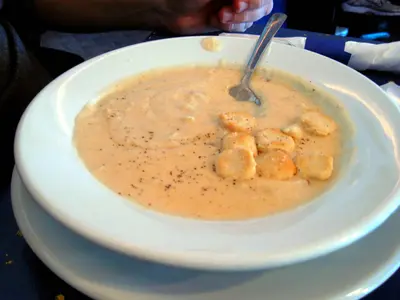
    She-Crab Soup

    She-Crab Soup

    Creamy crab soup, refined with the orange roe of female blue crabs. This renowned recipe dates back to William Deas, a butler and chef in Charleston in the early 20th century.
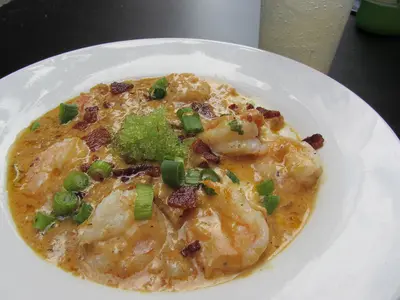
    Shrimp and Grits

    Shrimp and Grits

    Shrimp on creamy corn grits, often with bacon or sausage and a spicy sauce. The dish features on almost every menu in Charleston, from diners to fine restaurants.
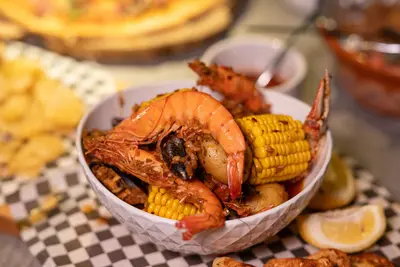
    Frogmore Stew

    Frogmore Stew

    Also known as Lowcountry Boil: shrimp, corncobs, potatoes, and smoked sausage, cooked and poured onto the table. Frogs are not included despite the name.

    Carolina Gold Rice

    The historic rice variety, the foundation of Lowcountry plantations' wealth, was almost extinct and has been cultivated again since the 1980s. It tastes nutty and appears in restaurants as a side dish or in the rice stew Purloo.

    Benne Wafers

    Thin, sweet-salty sesame biscuits, a colonial-era recipe. Find them in Old Town bakeries and souvenir shops.

    History and Culture

    English settlers and colonists from the Caribbean founded Charles Towne in April 1670 on the Ashley River, naming it after King Charles II. Around 1680, the city moved to the tip of the peninsula and received city walls. Rice, later indigo and cotton, made the planters wealthy, cultivated by enslaved Africans. By 1800, more Black residents than white lived in Charleston, and between 1783 and 1807, an estimated over 40 percent of all enslaved Africans brought to North America arrived via Gadsden's Wharf, where the International African American Museum now stands.On April 12, 1861, Confederate troops fired on Union-held Fort Sumter at the harbor entrance, the beginning of the American Civil War. Later, the city was under fire, and in 1886, an earthquake caused severe damage. Charleston owes the preservation of so much historic architecture to dedicated citizens like Susan Pringle Frost and the landmark protection laws of 1931.The descendants of the enslaved in the Lowcountry developed the Gullah culture with its own language and traditions. It is most visible to visitors in the braided sweetgrass baskets sold at the City Market.

    Nightlife

    1

    The Rooftop at the Vendue

    Rooftop terrace above Waterfront Park with views over the Old Town and harbour. Perfect for a sunset cocktail.
    Show on Google Maps
    2

    Edmund's Original

    Gastropub on Morrison Drive, formerly known as brewery pub Edmund's Oast. Large patio, beer selection, and Sunday brunch.
    Show on Google Maps
    3

    Pavilion Bar

    Rooftop bar at the Market Pavilion Hotel on East Bay Street with a pool and views over the Old Town steeples.
    Show on Google Maps

    Getting There and About

    AirportCharleston International (CHS) is in North Charleston, north of the peninsula. CARTA bus line 11 Dorchester/Airport stops near the pick-up and car rental areas. Taxis and rental cars are also available.Train and BusThe Amtrak station is in North Charleston (4565 Gaynor Avenue). The Palmetto and Silver Meteor stop here, connecting New York and Florida. Greyhound also uses this station, and CARTA line 10 links it to Downtown.Car and ParkingA car is essential for visiting the Ashley River plantations, Angel Oak, and the beaches. Parking in the historic district is limited, so it's best to use a parking garage.On-siteExplore the historic district best on foot. Free DASH buses (Orange, Green, and Purple Line) connect the Visitor Center, King Street, City Market, Waterfront Park, and Aquarium. Ferries to Fort Sumter leave from Fort Sumter Tours at Liberty Square in Downtown and Patriots Point in Mount Pleasant.

    Accommodations in Charleston

    Find perfect stay in Charleston

    Booking.com* (Affiliate link)
    Search Hotels
    Agoda* (Affiliate link)
    Search Hotels
    Airbnb
    Vacation Rentals

    * Affiliate link: if you book through it, we earn a small commission. The price stays the same for you.

    Campgrounds in Charleston

    Find perfect campground in Charleston

    Search via Google Maps
    Campgrounds nearby (15km)
    Camping.info
    Find Campgrounds
    Park4Night
    RV Parks & Camping

    Plan your trip to Charleston

    Save places, build a route and plan your city trip, all in one place.

    1. 1
      1234

      Round trip

      12 days · 4 stops

      Saved

      Pick a route

      Pick a ready-made one or save places and plan your own.

      Open bookmarks
    2. 2

      Trip to Charleston

      Live
      • 1Rainbow Row3 days
      • 2White Point Garden4 days
      • 3Charleston City Market5 days
      Budget

      Plan your trip

      The planner sorts stops, days and budget. Plan together in real time.

      Start trip planning
    3. 3
      9:41 No signal
      Available offline

      Use it on the road

      Download the guide to your phone and use it on site, even offline.

    Nearby

    Savannah

    Savannah

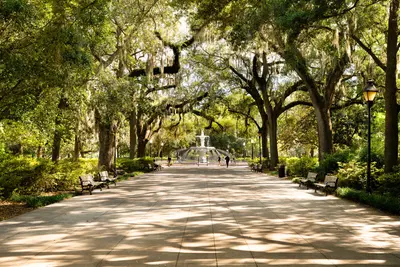
    Savannah, on the Savannah River, just before its mouth into the Atlantic and directly on the border with South Carolina, is Georgia's oldest city. You come for its 22 shady squares under oaks draped with Spanish moss, its 19th-century mansions, and an Old Town you can easily explore on foot.Its street grid with its squares dates back to city founder James Oglethorpe and remains intact today. To the south of the Historic District lies Forsyth Park with its famous fountain; to the north, River Street with old cotton warehouses by the river. On the city's outskirts, Bonaventure Cemetery and the oak alley of Wormsloe await.Like Charleston, Savannah was built on the riches of slave labor. At the Owens-Thomas House and in Wormsloe, you can learn how enslaved people lived in the city and on plantations.
    South Carolina

    South Carolina

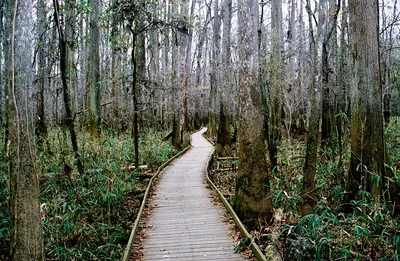
    South Carolina is the small coastal state between North Carolina and Georgia, and for travelers, almost everything revolves around the Lowcountry: flat marshlands, islands with oak-lined avenues, and cities where the history of the South is visible at every turn. You come for Charleston, for the Atlantic beaches, and for one of the USA's most unusual national parks.The capital, Columbia, is located inland; right next to it, Congaree National Park protects the largest contiguous tract of old-growth bottomland hardwood forest in the southeastern USA. Along the coast, diverse destinations await: in the north, the Grand Strand around Myrtle Beach with approx. 60 miles of beach; in the south, Hilton Head Island with bike paths and golf courses; and in between, Beaufort, where a national park tells the story of the Reconstruction era after the Civil War.The state's history is closely tied to rice cultivation and slavery. Many plantations and museums now address this openly, and especially in the Lowcountry, it's worth choosing tours that focus on the lives of enslaved people.
    Georgia

    Georgia

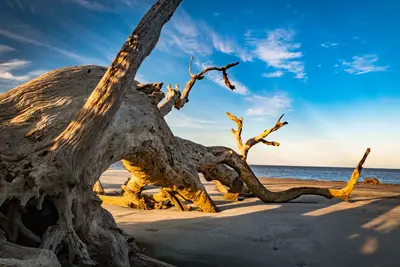
    Georgia in the southeastern USA connects the metropolis of Atlanta with a tranquil Atlantic coast full of marshland and barrier islands. You travel here for Savannah, for the history of the Civil Rights Movement in Atlanta, and for nature not typically expected in the Southeast: the Okefenokee Swamp and undeveloped islands like Cumberland Island.In Atlanta, the Martin Luther King Jr. National Historical Park commemorates the USA's most famous civil rights leader, who was born and preached here. Along the coast, historical sites and nature alternate: Jekyll Island was a hunting ground for the Rockefellers and Vanderbilts in the late 19th century and is now a State Park, while on Cumberland Island, wild horses roam the dunes. In the southeast of the state lies the Okefenokee, a vast wetland and source of the Suwannee and St. Marys Rivers.Georgia was one of the 13 founding colonies and later part of the Confederacy. The traces of slavery, the Civil War, and the Civil Rights Movement still shape many places you visit today.
    Orlando

    Orlando

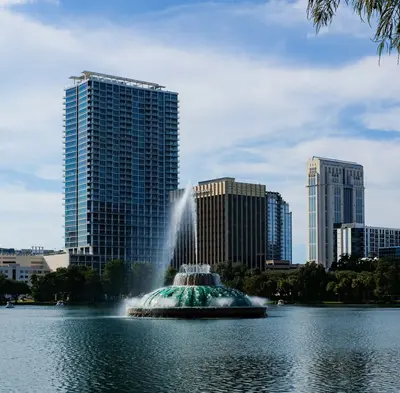
    Orlando lies in the heart of Florida, 80 km from the Atlantic coast, and is the capital of theme parks: Walt Disney World, Universal Orlando with its Epic Universe opening in 2025, and SeaWorld are all located in the south and southwest of the city. You come for the rollercoasters, themed worlds, and shows, but the city itself offers more than many expect, with lakes, parks, and a good restaurant scene.Plan a full day for each of the major parks, and in between, take time for the real Orlando: a stroll around Lake Eola in Downtown, dinner at one of the Vietnamese restaurants on Colonial Drive, or an afternoon in Winter Park with a boat tour across the lakes and the Tiffany glass at the Morse Museum.Orlando is also ideal as a base for excursions: The Kennedy Space Center at Cape Canaveral is about 80 km east, and the Brightline train takes you to Miami in about three hours.
    Florida

    Florida

    Florida is the peninsula in the southeastern USA, between the Atlantic and Gulf of Mexico, bordered north by Georgia and Alabama. Visitors come for its approximately 2,170 km of coastline, subtropical to tropical nature, and space and colonial history.To the south, the Everglades National Park preserves over 6,100 km² of the largest tropical wilderness in the USA, a UNESCO World Heritage site since 1979. Southwest of Miami, the Florida Keys string together across 42 bridges to Key West, located about 150 km from Cuba. Roughly 110 km further west lies Dry Tortugas National Park with Fort Jefferson; Biscayne is the state's third national park.On the Atlantic coast, the Kennedy Space Center on Merritt Island showcases the Space Shuttle Atlantis and a Saturn V rocket. In the northeast, St. Augustine, founded in 1565, is recognized as the oldest continuously inhabited European settlement on the North American mainland. Inland, around Orlando, you'll find major theme parks such as Walt Disney World and Universal Studios.