United Arab Emirates
Emirate of Ras al-Khaimah
Region
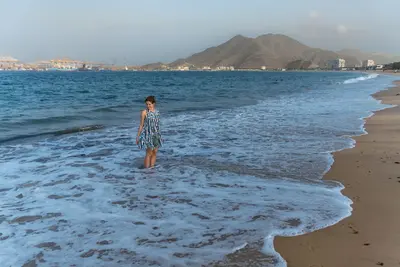
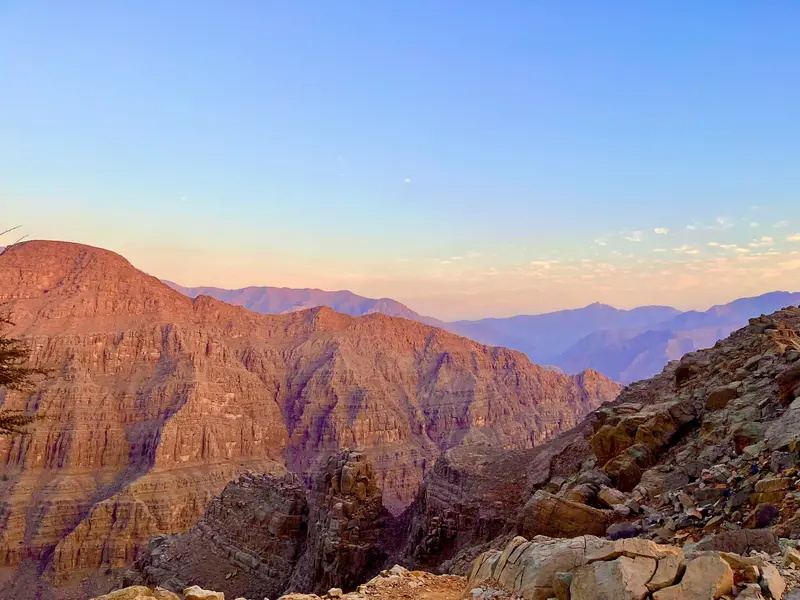
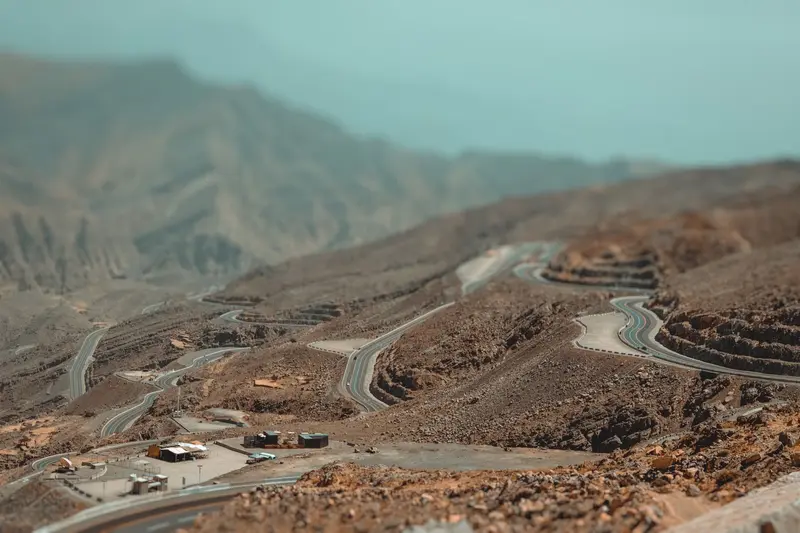
The Emirate of Ras al-Khaimah is located in the north of the United Arab Emirates and stretches from 68 kilometres of coastline on the Persian Gulf up into the Hajar Mountains with Jebel Jais.
by Felix Gillen
The Emirate of Ras al-Khaimah is located in the north of the United Arab Emirates and stretches from 68 kilometres of coastline on the Persian Gulf up into the Hajar Mountains with Jebel Jais. According to the tourism authority, its eponymous capital can be reached from Dubai Airport in about 45 minutes by car; during rush hour, it takes longer. Mangroves, old fortresses, an abandoned pearl fishing village, and beach resorts on Al Marjan Island lie close together here.
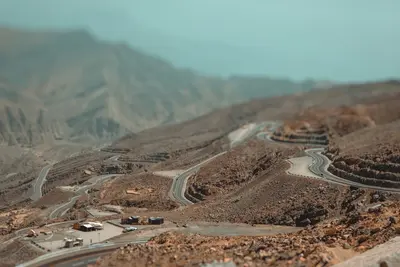
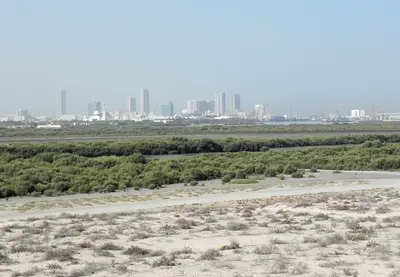
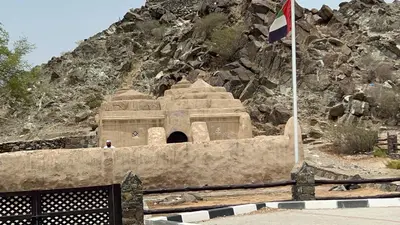
CharacterRas al-Khaimah is quieter and more rural than Dubai. Between the coast and mountains lie date groves, mangrove lagoons, and villages inhabited since the Bronze Age. West of the capital, Al Hamra and Al Marjan Island are growing into a hotel and beach zone. Wynn Al Marjan Island resort is being built on Al Marjan Island, with an announced opening in September 2027.What you can seeJebel Jais: Mountain road into the Hajar Mountains with viewing platforms, the 2.83 km long Jais Flight zipline, and hiking trails.History: National Museum in the old fortress of the ruling family, Dhayah Fort on a 70-meter high hill, and the abandoned pearl diving village of Al Jazirat al-Hamra.Coast: Mangroves along the Corniche, kayak tours, and the Suwaidi Pearls farm in Al Rams.Getting Around the EmirateMost destinations are best reached by car, as forts, villages, and the mountain are spread out. Public buses link the capital with Dubai; a rental car or taxi is the practical choice within the Emirate.
Food and Drink
In Ras al-Khaimah the range runs from simple places at the fish market and cafeterias in town to the restaurants of the beach resorts and the highest restaurant in the Emirates on Jebel Jais.
At the city fish market
At the city fish market, Luluat Bahriy serves Egyptian fish cuisine from Alexandria, such as Sayadiyah rice, grilled shrimp and a seafood stew. Visit Ras Al Khaimah recommends the area around the fish market for authentic food.
Karak and snacks
At the Mandarin Cafeteria you'll find karak tea with crushed biscuits; at Sidrouh Restaurant, samboosa and Chips Oman.
Eating on Jebel Jais
1484 by Puro sits at 1,484 metres and is considered the highest restaurant in the Emirates; you need a reservation to visit. Red Rock BBQ grills over an open fire and reopened in February 2026.
Beachside restaurants
Al Hamra and Al Marjan Island have many hotel restaurants overlooking the water, such as the Shore House at the Ritz-Carlton on Al Hamra beach, with fish and seafood.
Culture and History
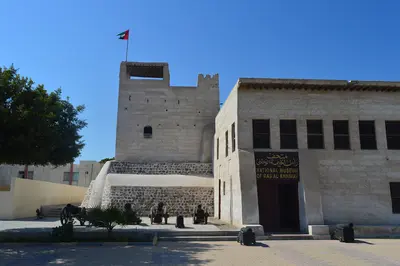
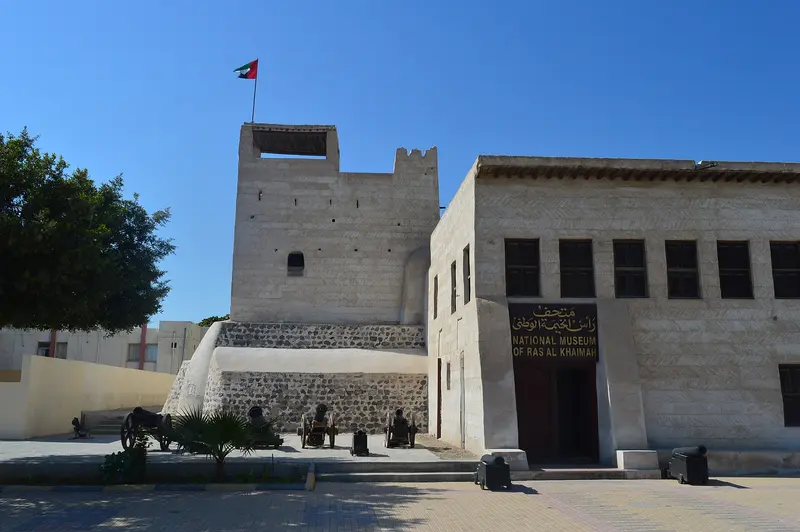
Legacy of the QawasimThe fort of the ruling Al Qasimi family in the old town served as a residence until 1964 and today houses the National Museum of Ras Al Khaimah. In 1819 British troops conquered the region; the fighting at Dhayah Fort preceded the General Maritime Treaty of 1820.Sites on the Tentative ListFour sites in the emirate are on UNESCO's Tentative List: the pearling village of Al Jazirat al-Hamra, Dhayah Fort, the Shimal site with its megalithic tombs and the old port city of Julfar.Pearls and datesPearl diving and date farming shaped life on the coast. The Suwaidi Pearls farm in Al Rams shows how pearls are cultured today, and the museum devotes rooms of its own to the date palm.
Getting There and Around
Getting ThereCar: From Dubai Airport, according to the tourism authority, about 45 minutes via the E311 (Sheikh Mohammed Bin Zayed Road), significantly longer during rush hour.Bus: The transport authority RAKTA operates buses between Union Metro Station in Dubai and Al Hamra Bus Station in Ras al-Khaimah, journey time approximately 1.5 to 2 hours. According to RAKTA, since August 2026, buses run every 30 minutes during peak hours.Flight: Ras Al Khaimah International Airport has its own international connections.Getting AroundWithin the Emirate, you are most flexible with a rental car or taxi. A developed mountain road of about 36 kilometers leads to Jebel Jais; petrol stations are only available before the ascent.