Fernweh: Home
    ExploreTravel GuidesPlan a tripMy tripLast visited
    de|en
    All Places & RegionsAll highlightsAbout FernwehFAQPrivacy PolicyImprint
    ExploreTravel GuidesPlan a tripMy tripLast visited
    • Overview
    • Places in the region
    • Getting around
    • Round trips
    • Nearby
    Cusco and Sacred Valley

    Peru

    Cusco and Sacred Valley

    Region

    The region around Cusco is the heartland of the Incas and Peru's most important travel destination. The former Inca capital, Cusco, is situated at around 3,500 meters, its center has been a UNESCO World Heritage site since 1983.

    by Felix Gillen

    1. Home
    2. Destinations
    3. Peru
    4. Cusco and Sacred Valley
    The region around Cusco is the heartland of the Incas and Peru's most important travel destination. The former Inca capital, Cusco, is situated at around 3,500 meters, its center has been a UNESCO World Heritage site since 1983. Northwest lies the Sacred Valley of the Urubamba with the ruins and markets of Pisac, the Inca town of Ollantaytambo, and the terraces of Moray and Maras. At the end of the valley is Machu Picchu, accessible by train to Aguas Calientes.
    Heart of the Inca EmpireCusco was the capital of the Incas and is now the starting point for almost everything that makes Peru famous. At around 3,400 meters, colonial churches stand upon Inca walls, surrounded by fortresses and sacred sites.The Sacred ValleyThe Urubamba Valley lies lower than Cusco and is ideal for acclimatizing to the altitude. Pisac, Moray, the Maras salt terraces, and Ollantaytambo are easily combined into a circuit tour.Machu PicchuFrom Ollantaytambo, the train travels to Aguas Calientes; from there, buses shuttle up to the citadel. Plan at least four, preferably five days for the region.
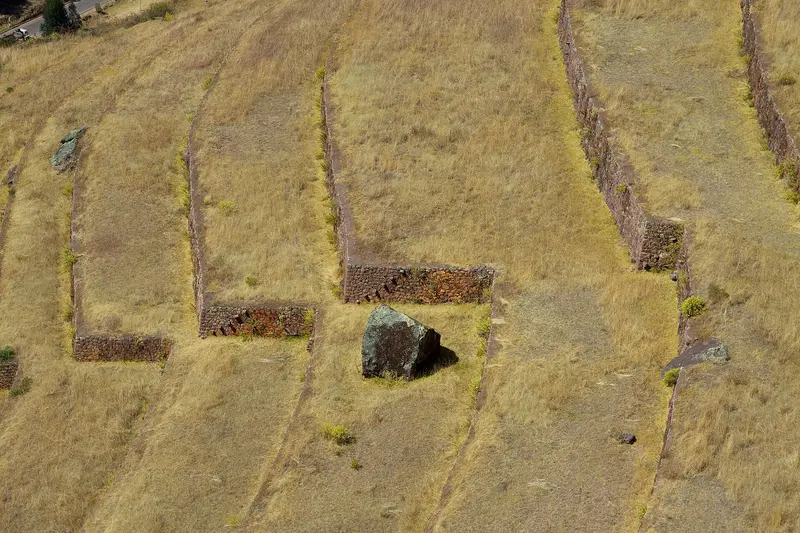
    McKay Savage from London, UK / Wikimedia Commons / CC BY 2.0

    Place 1 of 4

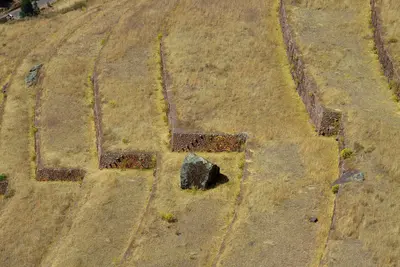
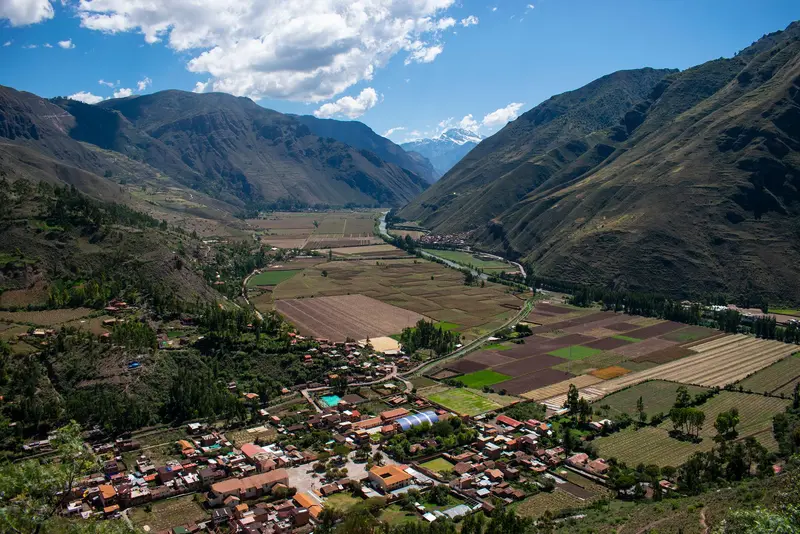
    The Sacred Valley follows the Río Urubamba northwest of Cusco and was an important agricultural region for the Inca. The town of Pisac is located about 30 kilometers from Cusco, known for its handicraft market, especially on Sundays, and the terraces and…

    Discover

    Place 2 of 4

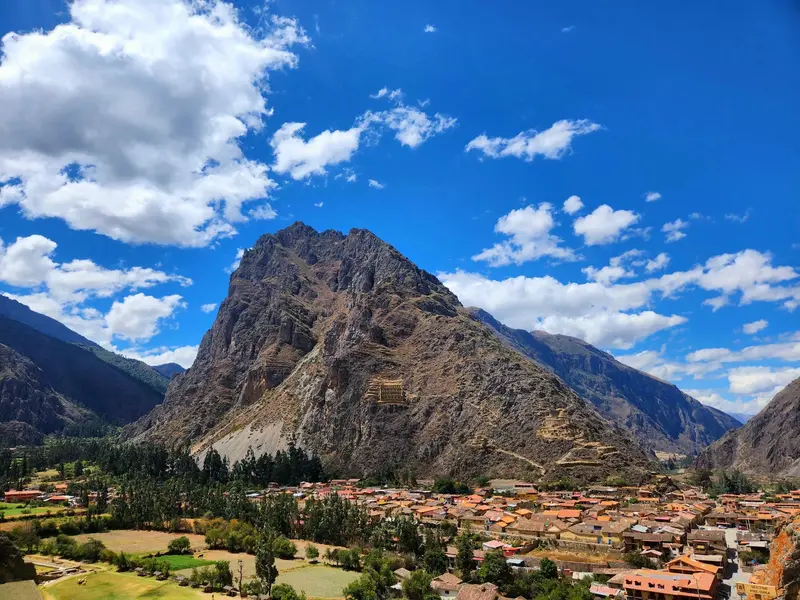
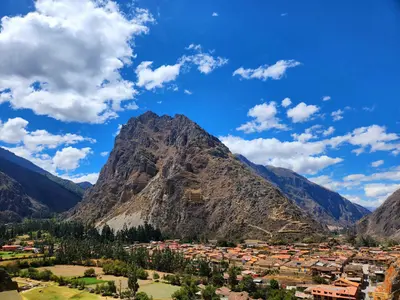
    Ollantaytambo is situated at approximately 2,800 meters at the western end of the Sacred Valley.

    Discover
    Cusco

    Place 3 of 4

    Cusco

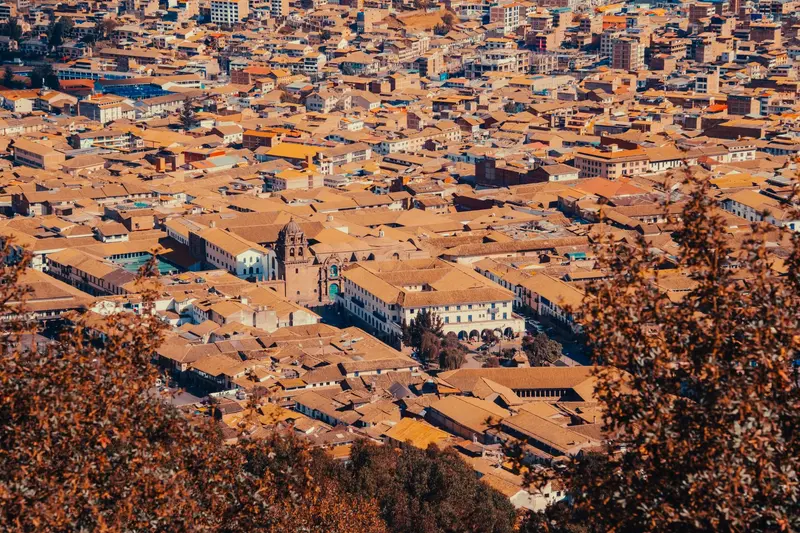
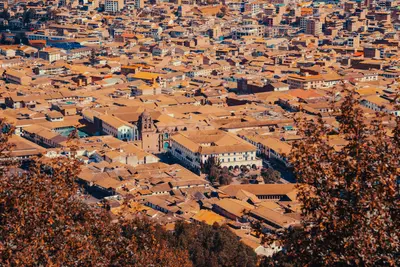
    Cusco was the capital of the Inca Empire and is now the starting point for almost every trip to Machu Picchu. Under Pachacútec, a planned city with religious and administrative areas emerged.

    Discover

    Place 4 of 4

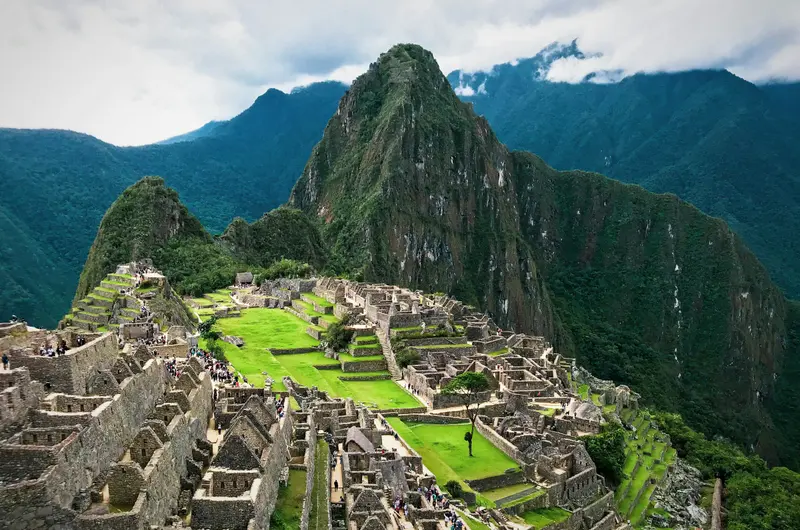
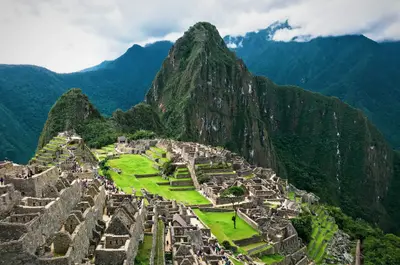
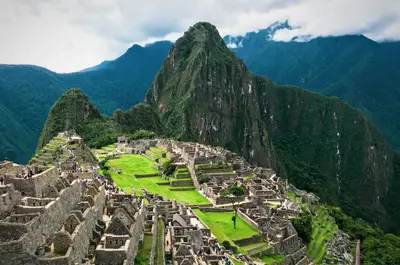
    Machu Picchu is the most famous Inca site and the reason most travelers come to Peru.

    Discover

    Exploring locally

    Getting ThereCusco has its own airport with numerous connections to Lima, and long-distance buses also arrive from Puno, Arequipa, and Puerto Maldonado.Around the ValleyShared taxis and minibuses connect Cusco with Pisac, Urubamba, and Ollantaytambo. For Moray and Maras, a half-day taxi or a tour is recommended. Getting to Machu Picchu from Ollantaytambo or Cusco is only possible by train or on foot via a trek.
    Round trips through this region

    Peru's South: From the Coast to Machu Picchu

    Peru's South: From the Coast to Machu Picchu

    Eighteen days from Lima via Paracas, Huacachina, and Nazca to Arequipa and the Colca Canyon, then on to Lake Titicaca, and finally to Cusco, the Sacred Valley, and Machu Picchu. You travel to Cusco comfortably by long-distance bus; return to Lima by plane.

    17 Days
    11 stops

    Nearby

    Cusco

    Cusco

    Cusco was the capital of the Inca Empire and is now the starting point for almost every trip to Machu Picchu. Under Pachacútec, a planned city with religious and administrative areas emerged. The Spanish retained the layout and built their churches and palaces on the Inca walls. Since 1983, the city has been a UNESCO World Heritage site.The heart of the city is the Plaza de Armas with its Cathedral and arcades. The Santo Domingo Monastery stands on Qorikancha, the Inca Sun Temple, whose walls are still visible. On Calle Hatun Rumiyoc is the famous twelve-angled stone, above it the artisan quarter San Blas. The Mercado San Pedro is the city's main market. Above the city lies the Inca site of Sacsayhuamán with its mighty stone walls, the venue for Inti Raymi on June 24.Cusco is located at around 3,500 meters: Take it easy for the first few days.For Sacsayhuamán and the Inca sites in the Sacred Valley, you'll need the Boleto Turístico, available as a ten-day general ticket or as partial tickets. Qorikancha and the Cathedral are not included.

    The Sacred Valley follows the Río Urubamba northwest of Cusco and was an important agricultural region for the Inca. The town of Pisac is located about 30 kilometers from Cusco, known for its handicraft market, especially on Sundays, and the terraces and temples of the Inca site on the mountain above the town.On the high plateau above the valley are the circular terraces of Moray, which the Inca presumably used for agricultural experiments, and the salt pans of Maras, where salt still evaporates from a spring today. At the western end of the valley lies Ollantaytambo, with the train station to Machu Picchu.Pisac, Ollantaytambo, Moray, and Chinchero are included in Cusco's Boleto Turístico.The valley lies lower than Cusco and is well-suited for the first days of acclimatization.

    Ollantaytambo is situated at approximately 2,800 meters at the western end of the Sacred Valley. The town is often referred to as a living Inca village: Its old town still follows the rectilinear street grid of the Inca, water flows through the alleys in stone channels, and many houses stand on Inca walls.Above the town rise the Inca terraces and temple complexes, which were expanded under Pachacútec. During the Spanish conquest, Ollantaytambo served as a fortress for Manco Inca. On the opposite slope lie ancient storage structures.From the station, PeruRail and Inca Rail run several times daily to Aguas Calientes; the journey takes about two hours.The Inca site is included in Cusco's Boleto Turístico.

    Machu Picchu is the most famous Inca site and the reason most travelers come to Peru. The complex lies at around 2,430 meters on a mountain ridge between the peaks of Machu Picchu and Huayna Picchu high above the Urubamba River, approximately 80 kilometers northwest of Cusco. Most archaeologists consider it an estate of the Inca ruler Pachacútec, built around 1450. It remained hidden from the Spanish, becoming internationally known in 1911 through Hiram Bingham. It has been a UNESCO World Heritage site since 1983.Tickets: Entry is organized into three circuits with a total of ten routes and fixed entry times. The daily capacity is 4,500 visitors, increasing to 5,600 on designated high-season days. Tickets are sold online by the Ministry of Culture; a small contingent for the next day is available locally in Aguas Calientes. For June to October, book well in advance.Getting there: By train from Cusco or Ollantaytambo to Aguas Calientes, then by Consettur bus or on foot via stairs up to the entrance.Inca Trail: The classic trail requires a permit and is closed every February.
    Colca Canyon

    Colca Canyon

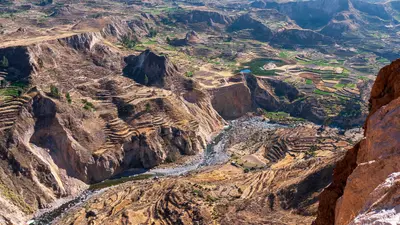
    The Colca Canyon is located approximately 160 kilometers northwest of Arequipa and is one of the deepest canyons in the world. Along the valley, villages still cultivate ancient agricultural terraces, some of which date back to pre-Incan times. At the Cruz del Cóndor viewpoint, where the canyon floor lies approximately 1,200 meters deeper, Andean condors circle, best observed in the morning.The starting point is the town of Chivay, about a four-hour drive from Arequipa, with thermal baths in the surrounding area.To visit the viewpoints, you need the Colca Tourist Ticket, which you can purchase in Chivay or at the checkpoints.The road leads over high altitudes; plan for acclimatization.

    Sources & method

    • Photos: Pexels. Each photo carries its credit.
    • The content is based on web research from public, traceable sources. How the content is made · The role of AI