Fernweh: Home
ExploreGuideDestinationsMy tripsMy trip
de|en
All Places & RegionsRound tripsNight trains in EuropeAll highlightsAbout FernwehFAQPrivacy PolicyImprint
Download on the App StoreGet it on Google Play
ExploreGuideDestinationsMy tripsMy trip
    • Neighborhoods & highlights
    • Eat & drink
    • Culture
    • Getting around
    • Accommodation
    • Plan trip
    • Nearby
    Akihabara

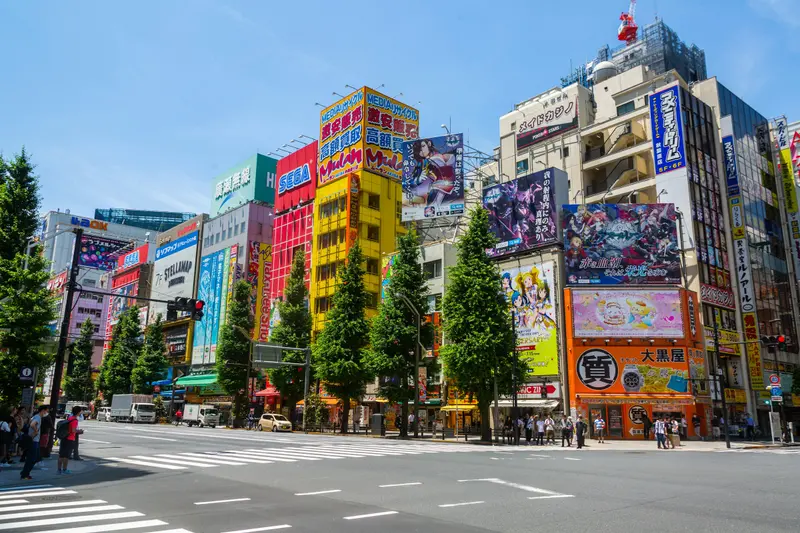
    Photo by Sebastian Kurpiel on Unsplash

    Japan

    Akihabara

    CityCulture

    Akihabara in Chiyoda Ward is known worldwide as Akiba, as an electronics district and a hub for pop culture.

    by Felix Gillen

    1. Home
    2. Destinations
    3. Japan
    4. Tokyo
    5. Akihabara
    Akihabara in Chiyoda Ward is known worldwide as Akiba, as an electronics district and a hub for pop culture. Across approximately one square kilometer around Akihabara Station, shops for computers, anime, manga, games, and figures line the streets, and in the side alleys, you'll find specialty stores for retro games and computer parts.Just a few minutes' walk away lie older layers of the city: Kanda Myojin Shrine, Yushima Seido Confucian Temple, and beneath the railway viaducts, the shops of mAAch ecute and 2k540. On Sundays, the main street Chuo-dori is closed to cars in the afternoon.
    Japan travel guideRound trips in JapanPlan a trip with Akihabara

    Contents

    • Neighborhoods & highlights
    • Eat & drink
    • Culture
    • Getting around
    • Accommodation
    • Nearby

    Sights in Akihabara

    Discover the most important sights and attractions

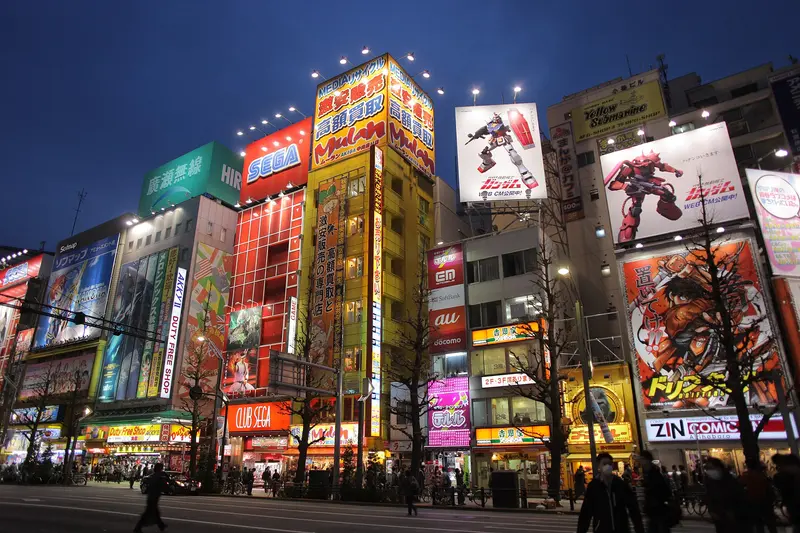
    Akihabara Electric Town and Chuo-dori

    ElHeineken / Wikimedia Commons / CC BY 4.0, mod.

    Attraction

    1Akihabara Electric Town and Chuo-dori

    The electronics district around Akihabara Station was once densely packed with about 1,000 electronics stores across roughly one square kilometer. Today, along Chuo-dori, you'll find shops for computers, anime, manga, games, and figures; in the side streets, specialty stores for retro games and computer parts. On Sundays, Chuo-dori is a pedestrian zone from 1 PM to 6 PM, April to September, and from 1 PM to 5 PM, October to March; it may be canceled in bad weather.
    Open in Google Maps
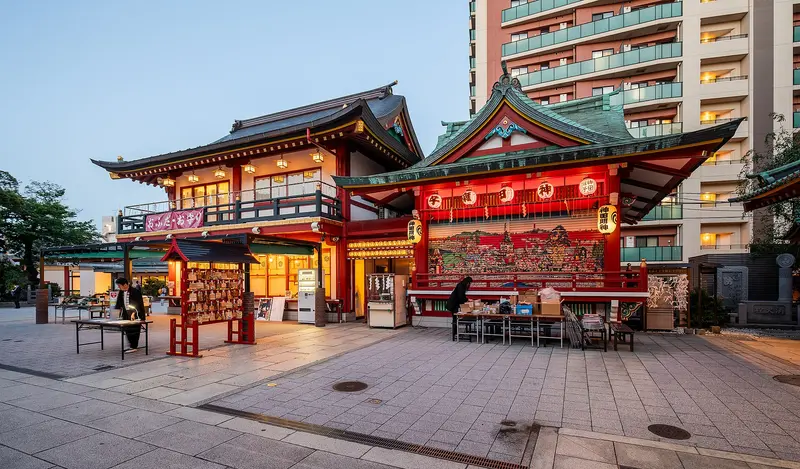
    Kanda Myojin

    Ximonic (Simo Räsänen) / Wikimedia Commons / CC BY-SA 4.0, mod.

    Place of Worship

    2Kanda Myojin

    The shrine was founded in 730 near present-day Otemachi and moved to its current location during the Edo period. Daikokuten and Ebisu, two of the Seven Lucky Gods, as well as Taira no Masakado, are enshrined here. As the guardian shrine of 108 districts, including Akihabara, it also sells amulets intended to bless electronic devices. In odd-numbered years, the Kanda Matsuri, one of Japan's three great festivals, takes place in May.
    Open in Google Maps
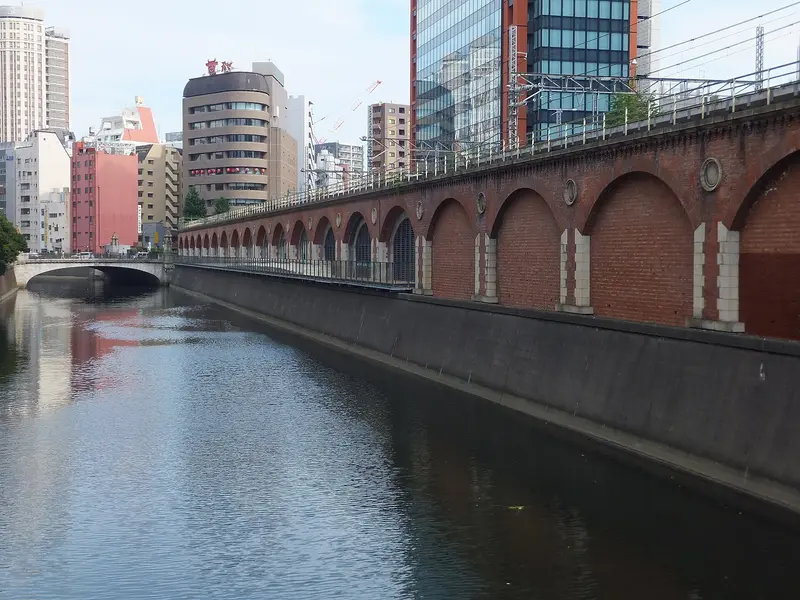
    mAAch ecute Kanda Manseibashi

    “MAAch ecute Kanda-Manseibashi riverside deck 20130721-1” by 掬茶 / Wikimedia Commons / CC BY-SA 3.0, mod.

    Shopping Mall

    3mAAch ecute Kanda Manseibashi

    In the red brick arches of the Manseibashi Viaduct and the former Manseibashi Station, once the starting point of the Chuo Line, are now cafés, restaurants, and small shops. Above you, Chuo Line trains continue to pass, and on the old Platform 2013, you sit in a glass-enclosed café directly between the tracks. From Akihabara Station, it's about a four-minute walk.
    Open in Google Maps
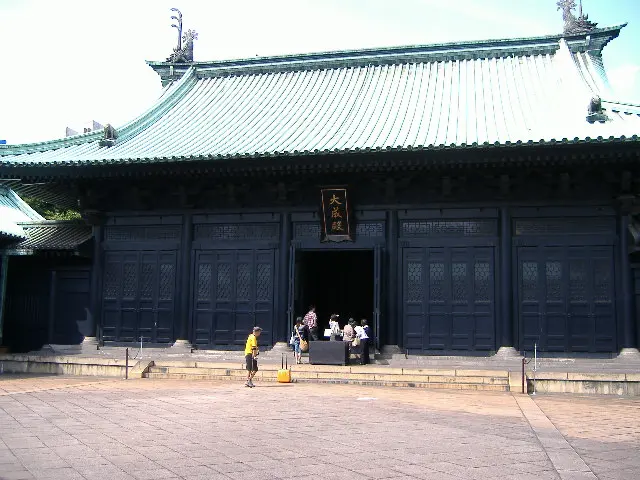
    Yushima Seido

    Abasaa / Wikimedia Commons / public domain

    Historic Landmark

    4Yushima Seido

    The 1690 temple dedicated to Confucius served as a school for Tokugawa officials in the Edo period. It later produced the forerunners of Tsukuba University and Ochanomizu University. The grounds are open daily from 9:30 AM to 5 PM, except during New Year and summer holidays, and are located about five minutes from Ochanomizu Station.
    Open in Google Maps
    Shopping Mall

    52k540 AKI-OKA ARTISAN

    In 2010, independent craft shops came together under the elevated tracks between Akihabara and Okachimachi stations. Next door, the Chabara Aki-Oka Marché showcases seasonings and spices from across Japan, alongside a café and a restaurant serving Buddhist vegetarian cuisine. Mostly open 11 AM to 8 PM, varying by shop.
    Open in Google Maps
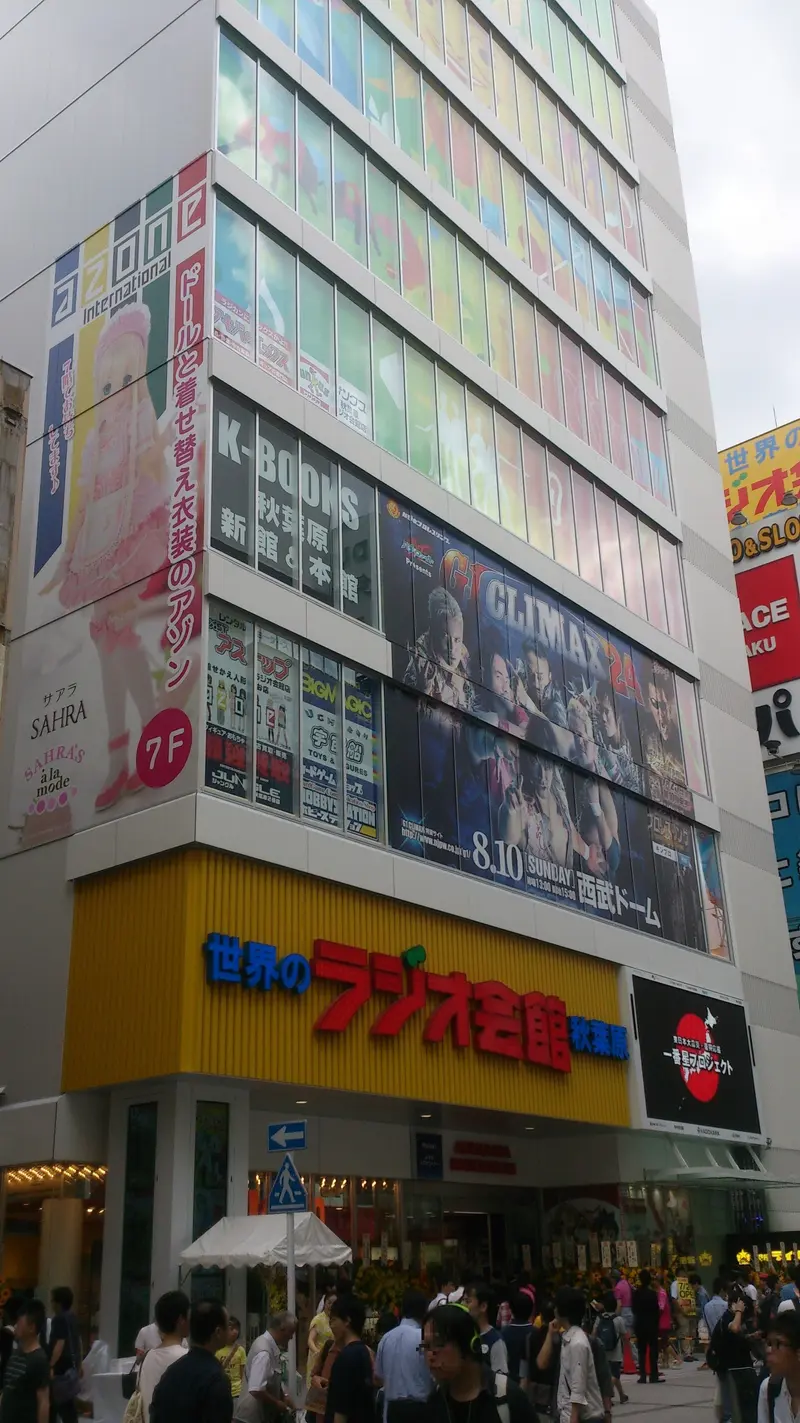
    Akihabara Radio Kaikan

    Yuukokusya / Wikimedia Commons / CC BY-SA 4.0, mod.

    Shopping Mall

    6Akihabara Radio Kaikan

    The department store right by the station was founded in 1950, closed in 2011 for redevelopment, and reopened in 2014 with more shops. On several floors, you'll find figures, idol merchandise, trading cards, and electronics – a good entry point into the district.
    Open in Google Maps

    Restaurants in Akihabara

    1

    Myojinshita Soba Oshin

    Guide Michelin-reviewed Soba restaurant below Kanda Myojin Shrine. It offers many small appetizers and creative Soba dishes, for instance with fresh tofu skin or dried mullet roe, and cold Soba in Seiro and Inaka varieties. In the evening, you can also order just a single portion of Soba.
    Show on Google Maps

    Custom

    Pop Culture on Chuo-doriFrom a dense district with around 1,000 electronics shops, it transformed into a hub for anime, manga, games, and figures. Chuo-dori, the main street, and department stores like Radio Kaikan, established in 1950, are the first stop, while the side alleys house small specialty shops for retro games and computer parts.Shrine and Confucian TempleThe Kanda Myojin Shrine, founded in 730, is the guardian shrine for 108 city districts, including Akihabara. In odd-numbered years, the Kanda Matsuri parades through the city center in May. Right next door, the Yushima Seido Confucian Temple (1690) recalls the Tokugawa-era scholarly school.Life Under the TracksThe elevated tracks define the district to this day. In the brick viaduct of the former Manseibashi Station, once the Chuo Line's starting point, is mAAch ecute with cafes and shops. Between Akihabara and Okachimachi, independent craft businesses have been selling at 2k540 AKI-OKA ARTISAN since 2010.

    Local Adventures

    Getting ThereAkihabara Station is served by the JR Yamanote, Keihin-Tohoku, and Sobu lines, the Tokyo Metro Hibiya Line, and the Tsukuba Express. From the Electric Town Exit, you can reach Chuo-dori in just a few minutes. For Kanda Myojin, Suehirocho Station (Ginza Line) is closest, about a five-minute walk. For Yushima Seido, use Ochanomizu Station.Good to KnowOn Sundays, Chuo-dori is a pedestrian zone, from 1 PM to 6 PM (April to September) and 1 PM to 5 PM (October to March). It may be canceled in case of rain or strong winds.Opening hours vary by store and floor; check store websites in advance.Around New Year and during festivals, the streets around Kanda Myojin get very crowded.In Case of RainRadio Kaikan and the department stores on Chuo-dori are covered, as are mAAch ecute and 2k540 under the railway viaducts.

    Accommodations in Akihabara

    Find perfect stay in Akihabara

    Booking.com* (Affiliate link)
    Search Hotels
    Agoda* (Affiliate link)
    Search Hotels
    Airbnb
    Vacation Rentals

    * Affiliate link: if you book through it, we earn a small commission. The price stays the same for you.

    Plan your trip to Akihabara

    Save places, build a route and plan your city trip, all in one place.

    1. 1
      Sunrise over alpine peaks and a sea of clouds
      1234

      Round trip

      12 days · 4 stops

      Saved

      Pick a route

      Pick a ready-made one or save places and plan your own.

      Open bookmarks
    2. 2

      Trip to Akihabara

      Live
      • 1Akihabara Electric Town and Chuo-dori3 days
      • 2Kanda Myojin4 days
      • 3mAAch ecute Kanda Manseibashi5 days
      Budget

      Plan your trip

      The planner sorts stops, days and budget. Plan together in real time.

      Start trip planning
    3. 3
      9:41 No signal
      Akihabara
      Available offline

      Photo by Sebastian Kurpiel on Unsplash

      Use it on the road

      Download the guide to your phone and use it on site, even offline.

    Nearby

    Ueno

    Ueno

    Ueno, located north of the city center, is Tokyo's museum district. The extensive Ueno Park is home to the Tokyo National Museum, the National Museum of Western Art, the Ueno Royal Museum, Tokyo University of the Arts, and Ueno Zoo. South of the station, running under and beside the railway tracks all the way to Okachimachi, is the market street Ameya-Yokochō, which originated from a post-war black market. Ueno Station is served by several JR lines, the Tōhoku Shinkansen, and two subway lines; from the adjacent Keisei Ueno Station, trains depart for Narita Airport, making Ueno a convenient location in the eastern part of the city.

    Bruna Santos·Pexels

    Marunouchi and Ginza

    Marunouchi and Ginza

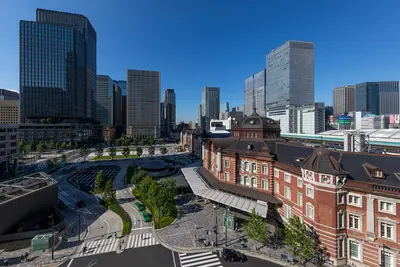
    Between Tokyo Station and the Imperial Palace lies Marunouchi, the city's business district. The red-brick Tokyo Station building, dating from 1914, is the hub for all Shinkansen lines. From here, you can reach the Imperial Palace East Garden in about ten minutes on foot. South of this lies Ginza, Tokyo's premier luxury shopping district, boasting department stores, designer boutiques, and jewelers. Further towards the bay, you'll find Tsukiji's Outer Market, home to fishmongers and sushi restaurants. Given its proximity to the station, the area is an excellent base for Shinkansen day trips.

    Basile Morin·CC BY-SA 4.0

    Asakusa

    Asakusa

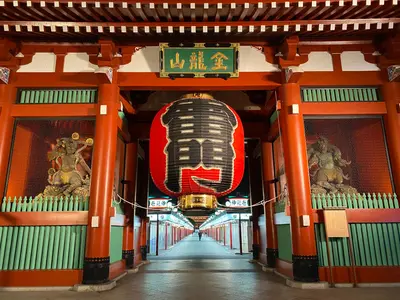
    Asakusa, located on the Sumida River in Taitō District, is considered the heart of Shitamachi, Tokyo's old downtown, and has preserved more traditional atmosphere than any other district. Its focal point is the Sensō-ji Temple, featuring the Kaminarimon (Thunder Gate) and the Nakamise-dōri shopping street. Around it, shops sell sweet potatoes, grilled fish cakes, and spices like Shichimi; Kappabashi-dōri is the street for kitchenware suppliers, and Hanayashiki is considered Japan's oldest amusement park. In May, the Sanja Matsuri sees portable shrines parade through the streets for three days. Opposite, on the other riverbank, the Tokyo Skytree soars, and boat trips on the Sumida depart just minutes from the temple. Asakusa is accessible via the Ginza Line, the Toei Asakusa Line, the Tobu Skytree Line, and the Tsukuba Express.

    Yumiko Yamanaka·Pexels

    Roppongi

    Roppongi

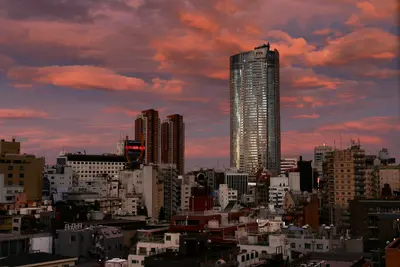
    Roppongi in Minato Ward combines international offices, embassies, and clubs with some of Tokyo's most important art museums. After World War II, the district was primarily an entertainment quarter; today, major complexes like Roppongi Hills and Tokyo Midtown shape its image.The National Art Center, the Mori Art Museum, and the Suntory Museum of Art together form the so-called Art Triangle Roppongi; all three are a few minutes' walk apart. From the 52nd floor of the Mori Tower, you can see Mount Fuji on a clear day.

    Cem Ersozlu·Unsplash

    Shinjuku

    Shinjuku

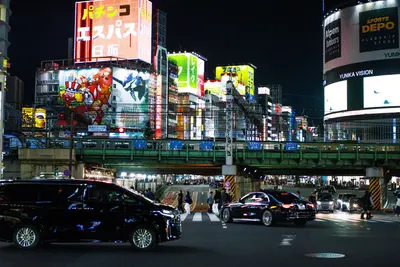
    Shinjuku is Tokyo's largest hotel district, built around one of the world's busiest train stations, served by JR, Keiō, Odakyū, Tokyo Metro, and Toei lines; it's about a 15-minute ride from Tokyo Station on the Chuo Line. West of the tracks in Nishi-Shinjuku stand the skyscrapers, including the Prefectural Government Building with its free observation decks, while to the east are department stores, restaurants, and the neon-lit entertainment district of Kabukichō, packed with small, bustling bars. Right outside the West Exit, tiny grill and izakaya eateries line Omoide Yokochō alley, and in the southeast, the Shinjuku Gyoen garden offers tranquility amid the high-rises.

    Faruk Tokluoğlu·Pexels

    Your next steps

    Akihabara is in Japan. Ways to carry on from here.

    • More in Japan

      Highlights, areas, routes and the best time to travel for all of Japan.

      Japan travel guide
    • Round trips in Japan

      Ready-made routes through Japan, with stops, nights and a map.

      See the routes

    Sources & method

    • Photos: Wikimedia Commons, Unsplash. Each photo carries its credit.
    • Place data such as addresses and ratings comes from Google Maps.
    • The content is based on web research from public, traceable sources. How the content is made · The role of AI