ExploreTravel GuidesPlan a trip
    de|en
    All Places & RegionsAbout FernwehFAQPrivacy PolicyImprint
    ExploreTravel GuidesPlan a trip
    • Overview
    • Places in the region
    • Food culture
    • Culture
    • Getting around
    • Round trips
    • Nearby
    Oregon

    United States

    Oregon

    Region

    Located on the Pacific Coast between California and Washington, Oregon offers a diverse landscape within a short distance: wild coastline, volcanoes, waterfalls, and Crater Lake, the deepest lake in the USA.

    1. Home
    2. Destinations
    3. United States
    4. Oregon
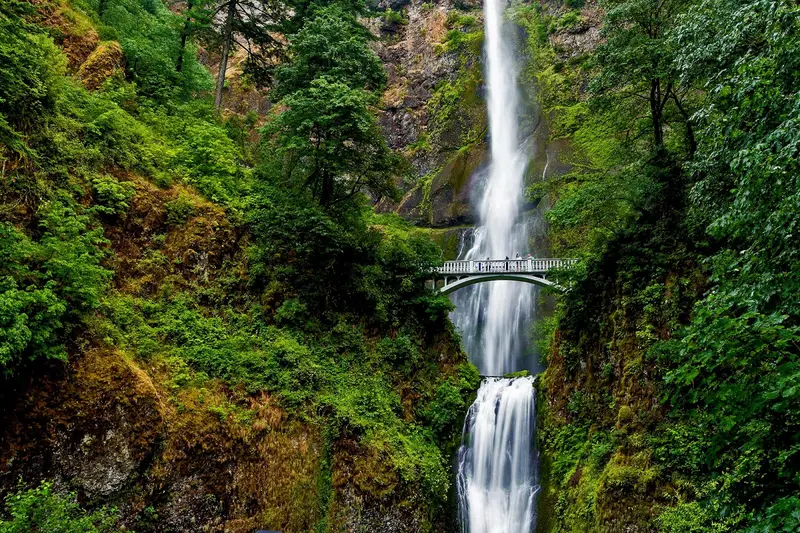
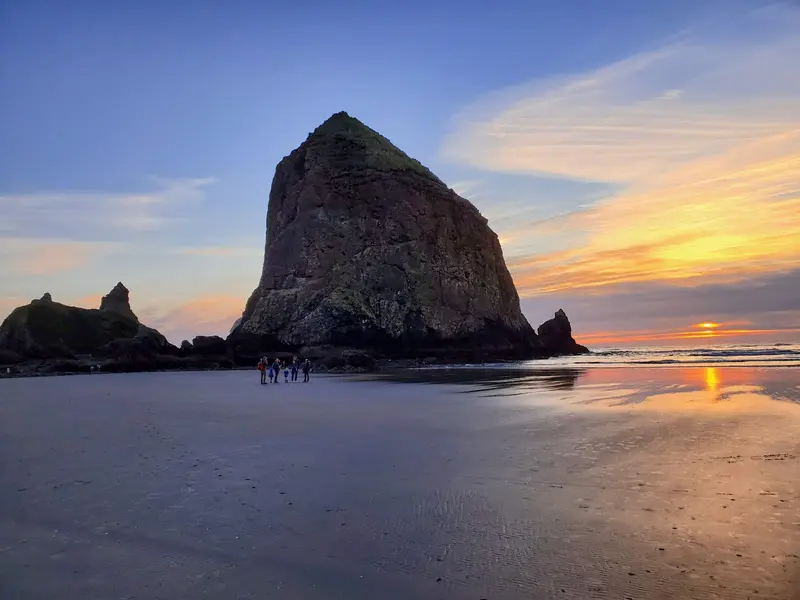
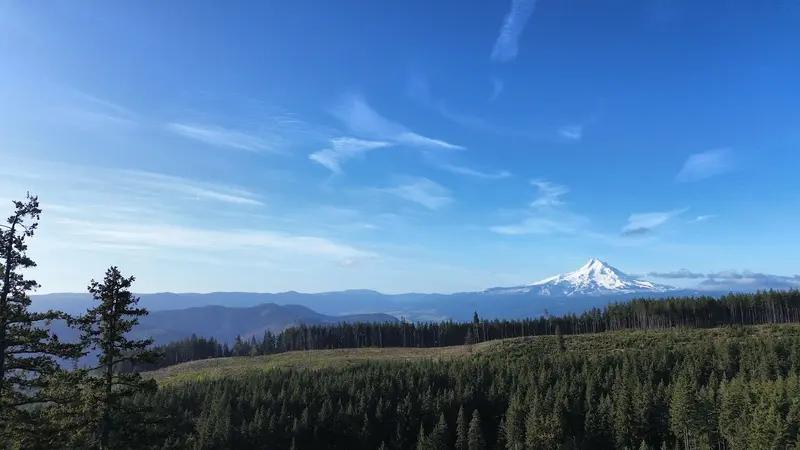
    Located on the Pacific Coast between California and Washington, Oregon offers a diverse landscape within a short distance: wild coastline, volcanoes, waterfalls, and Crater Lake, the deepest lake in the USA. The main starting point is usually Portland, the state's largest city, known for its vibrant food and beer culture.East of Portland, the Columbia River Gorge, featuring Multnomah Falls nestled between basalt cliffs, stretches inland. Above it rises Mount Hood, Oregon's highest peak at 11,249 feet (3,429 m). To the west, about 80 miles away, you'll find Cannon Beach and its iconic Haystack Rock. In the southern Cascades, Crater Lake fills the crater of a volcano that collapsed approximately 7,700 years ago.South of Portland lies the Willamette Valley, Oregon's premier wine-growing region, renowned especially for its Pinot Noir. The best time for a road trip is summer, when the higher elevations around Crater Lake are also snow-free.
    At roughly 255,000 square kilometers, Oregon is the ninth-largest US state. Most travelers arrive in Portland, ideal base for the Columbia River Gorge, Mount Hood, and the Willamette Valley. The coast, with Cannon Beach and fishing villages, is two hours away; Crater Lake is further south of the Cascades. Many combine Oregon on a road trip with northern Washington or Northern California's Redwoods. The dry east beyond the mountains is hardly touristy, but ideal for seeking open spaces.

    More places in Oregon

    Portland

    Portland

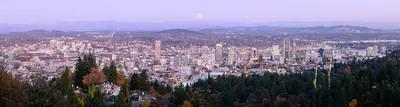
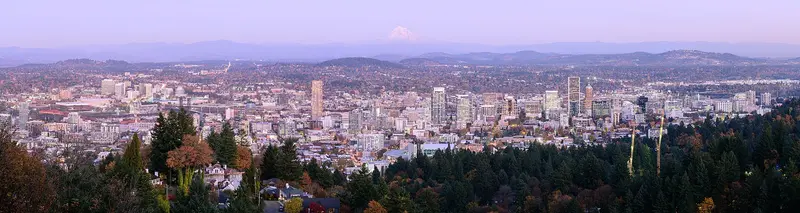
    Portland is Oregon's largest city, situated on the Willamette River near its confluence with the Columbia River, on the border with Washington. You come for the gardens in the West Hills, Powell's colossal bookstore, over 500 food carts, more than 80 breweries, and because the Columbia River Gorge, Mount Hood, and the Pacific Coast are on your doorstep.The city is compact, green, and easy to explore on foot, by bike, and by light rail. To the west, Forest Park, a forested hill area, directly borders the residential neighborhoods, while the entertainment and dining districts are located on the river's east side.
    Sights in Oregon

    Discover the most important sights and attractions

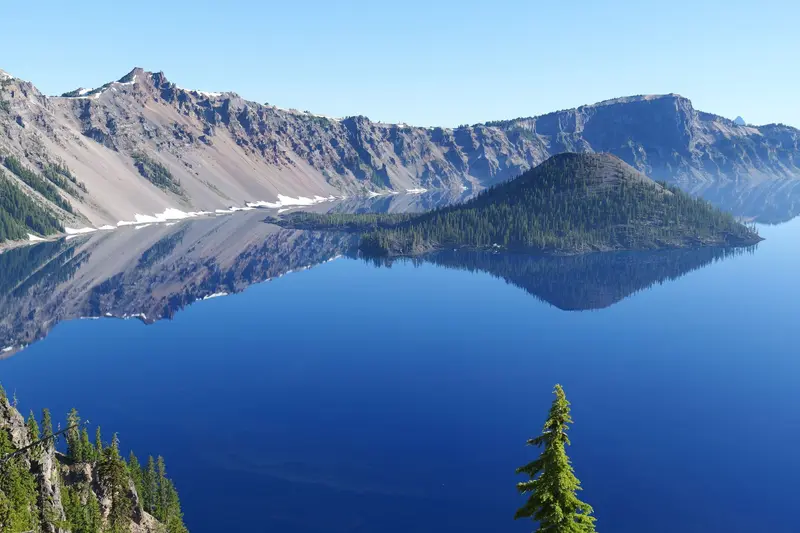
    Crater Lake National Park
    National Park

    Crater Lake National Park

    At up to 1,949 feet (594 m) deep, the USA's deepest lake, formed in Mount Mazama's collapsed crater. The 33-mile Rim Drive encircles the caldera; the Cleetwood Cove Trail to the shore is undergoing multi-year rehabilitation.
    Open in Google Maps
    Multnomah Falls
    Museum

    Multnomah Falls

    At 620 feet (189 m) in two tiers, the most famous waterfall of the Columbia River Gorge and the most visited natural destination in the Pacific Northwest. The Benson Bridge spans the lower tier, below stands the 1925 Lodge.
    Open in Google Maps
    Haystack Rock
    Attraction

    Haystack Rock

    The 235-foot-tall rock on Cannon Beach, about 80 miles west of Portland. At low tide, you can explore the tide pools, and from March to September, puffins nest here.
    Open in Google Maps
    Mount Hood
    Park

    Mount Hood

    Oregon's highest mountain, approximately 50 miles east of Portland. At approximately 1,800 m, the historic Timberline Lodge stands, and Timberline ski area is the only one in North America offering year-round lift service.
    Open in Google Maps

    Food & Beverages

    Oregon is a paradise for those who love regional food and drink. From the sea come crabs, from the valleys berries and nuts, and in Portland, beer has been brewed for decades.
    Craft Beer

    Craft Beer

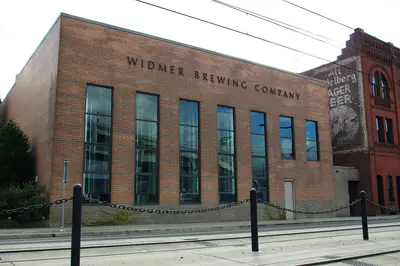
    Portland, nicknamed "Beervana," boasts over 80 breweries. The boom started in 1984 with the first microbreweries in the Pearl District. In autumn, Fresh-Hop beers are a must, as brewers use freshly harvested hops from the Willamette Valley.
    Dungeness Crab

    Dungeness Crab

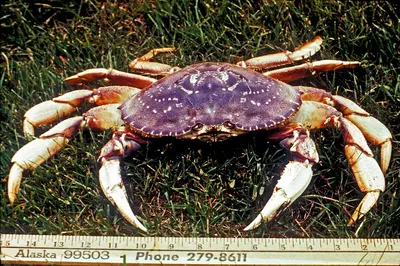
    Dungeness crabs have been Oregon's official crustacean since 2009, and their catch is the state's most valuable single fishery. The season begins on December 1st, when the crabs have a hard shell and are full of meat.
    Marionberry

    Marionberry

    The dark blackberry variety was released in 1956 and named after Marion County, where it was tested. You'll find it in jams, ice cream, and cakes, a typical souvenir from Oregon.
    Hazelnuts

    Hazelnuts

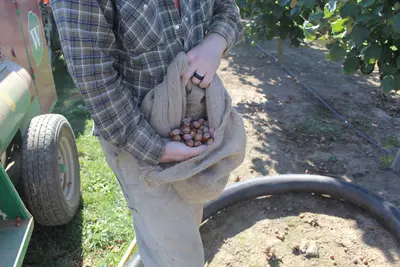
    Oregon grows some 99% of US hazelnuts, mostly in Willamette Valley. Find them roasted, salted, or chocolate at any farmers' market.
    Tillamook Cheese

    Tillamook Cheese

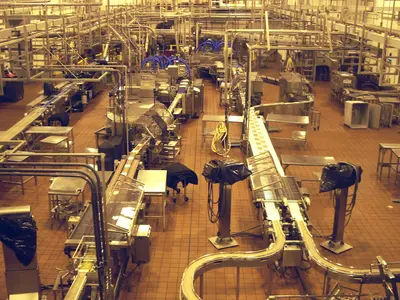
    In 1909, the cheesemakers in Tillamook County formed a co-operative. At the Creamery on Highway 101, you can watch the production from a gallery, taste cheese, and get an ice cream at the counter.

    History and Culture

    Before Europeans arrived, over 200,000 people speaking more than 60 languages lived in present-day Oregon. Today, there are nine federally recognized tribes. Several communities lost their recognition in the 20th century and fought for its return in the 1970s and 80s.During the winter of 1805-06, the Lewis and Clark Expedition wintered at Fort Clatsop near Astoria. Starting in 1843, settlers followed the Oregon Trail for about 3,200 kilometers west from Independence, Missouri. Until the 1860s, up to 400,000 people used it; about 20,000 died along the way. On February 14, 1859, Oregon became the 33rd state.The "Beaver State" retains an independent spirit, fitting its state motto "She Flies With Her Own Wings." This is most palpable in Portland, with its microbreweries, food trucks, coffee roasters, and a strong connection to nature.

    Getting There and Around

    AirportThe main airport is Portland International (PDX). The MAX Red Line travels from there to downtown in about 38 minutes.TrainAmtrak Cascades connects Portland with Seattle, Salem, and Eugene, while the Coast Starlight goes to Los Angeles.CarYou'll need a car for the Coast, Gorge, Mount Hood, and Crater Lake. The North Entrance to Crater Lake is usually closed from November until late May, with an average of 41 feet of snow falling in the park annually. Fill up beforehand; gas is only available in the park during summer.

    Round trips through this region

    Pacific Northwest: Rainforest, Coast, and Volcanoes

    Von Seattle setzt du mit der Fähre nach Bainbridge Island über und fährst auf die Olympic Peninsula: Hurricane Ridge, Lake Crescent, Hoh Rain Forest und die Pazifikstrände des Olympic-Nationalparks. Auf dem US 101 geht es über Astoria nach Cannon Beach an der Oregon-Küste und dann landeinwärts nach Portland. Von dort führt die Runde in die Columbia River Gorge und auf den Mount Hood Scenic Byway rund um den Vulkan, bevor du nach Seattle zurückfährst. Am Hoh Rain Forest kann die Wartezeit an der Einfahrt im Sommer bis zu zwei Stunden betragen; die Parkverwaltung empfiehlt, vor 8 Uhr oder nach 17 Uhr zu kommen. Für den Parkplatz bei Multnomah Falls an der I-84 (Exit 31) brauchst du in der Sommersaison ein zeitgebundenes Timed Use Permit über recreation.gov; die Termine werden jedes Jahr neu festgelegt. Wer zwei bis drei Tage mehr hat, hängt im Süden Oregons den Crater Lake an: Der Rim Drive ist meist erst ab Mitte Juli komplett offen und schließt mit dem ersten großen Schnee, spätestens am 1. November.

    15 Days
    7 stops

    Nearby

    Portland

    Portland

    Portland is Oregon's largest city, situated on the Willamette River near its confluence with the Columbia River, on the border with Washington. You come for the gardens in the West Hills, Powell's colossal bookstore, over 500 food carts, more than 80 breweries, and because the Columbia River Gorge, Mount Hood, and the Pacific Coast are on your doorstep.The city is compact, green, and easy to explore on foot, by bike, and by light rail. To the west, Forest Park, a forested hill area, directly borders the residential neighborhoods, while the entertainment and dining districts are located on the river's east side.
    Washington (Federal State)

    Washington (Federal State)

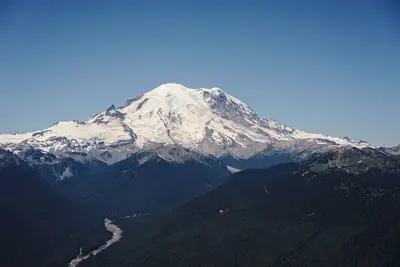
    The state of Washington in the far northwestern USA connects the major city of Seattle with three national parks, which you can reach from there in just a few hours by car. Glacier-covered volcanoes, temperate rainforest, fjord landscapes along Puget Sound, and islands on the border with Canada lie surprisingly close to one another here.Mount Rainier, with 14,410 feet (around 4,392 m), the most heavily glaciated peak in the lower 48 states, towers above everything. West of Puget Sound, Olympic National Park protects nearly one million acres of glaciated peaks, ancient rainforests, and over 70 miles of wild coastline. To the north rise the North Cascades with more than 300 glaciers, and the San Juan Islands are located in the Salish Sea.It's best to plan a round trip in summer and early autumn, when all mountain passes are open. Mount St. Helens to the south serves as a reminder of the 1980 eruption and can be easily combined with an onward journey to Oregon.
    Seattle

    Seattle

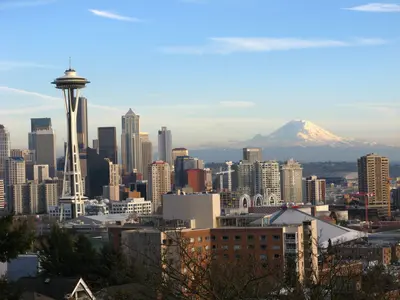
    Seattle is the largest city in Washington state, situated between Puget Sound and Lake Washington, with Mount Rainier as a backdrop on the horizon. You come for the Pike Place Market, the Space Needle, a strong music and coffee culture, and because national parks like Mount Rainier and Olympic are just a few hours' drive away.The city is hilly and shaped by water: ferries depart directly from Downtown, locks connect the lakes to the sea, and from viewpoints like Kerry Park, you see the skyline, bay, and volcano in one picture. Neighborhoods like Ballard, Fremont, and Capitol Hill each have their own character.
    Redwood National and State Parks

    Redwood National and State Parks

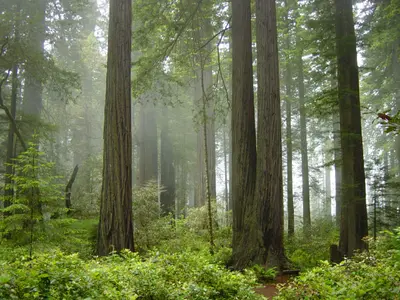
    In California's far north, Redwood National Park and the three State Parks – Jedediah Smith Redwoods, Del Norte Coast Redwoods, and Prairie Creek Redwoods – jointly protect the world's tallest trees. The National Park Service and California State Parks have jointly managed the area since 1994, and it has been a UNESCO World Heritage site since 1980.Approximately 96 percent of the original old-growth coast redwood forests were logged. Today, the parks preserve 45 percent of California's remaining old-growth stands. The tallest known tree measures 379 feet, or about 115 meters, and stands in the Redwood Creek watershed. Besides the forests, the parks also encompass prairies, oak woodlands, rivers, and approximately 64 kilometers of coastline.Admission to Redwood National Park is free, and there are no entrance stations. Fees apply only in some State Park areas, such as for access to Gold Bluffs Beach and Fern Canyon. With over 160 kilometers of hiking trails, four campgrounds, and five visitor centers, it's worth more than a quick stop along US 101.
    Victoria

    Victoria

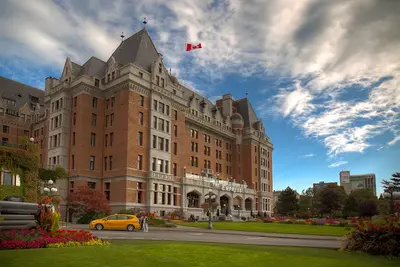
    Victoria, the capital of British Columbia, is located at the southern tip of Vancouver Island. Around the Inner Harbour are the Parliament and the Fairmont Empress; plus gardens, a compact old town with Chinatown, and Canada's mildest climate.