Fernweh: Home
ExploreGuideDestinationsMy tripsMy trip
de|en
All Places & RegionsRound tripsNight trains in EuropeAll highlightsAbout FernwehFAQPrivacy PolicyImprint
Download on the App StoreGet it on Google Play
ExploreGuideDestinationsMy tripsMy trip
    • Places in the region
    • Eat & drink
    • Culture
    • Getting around
    • Nearby
    Guernsey

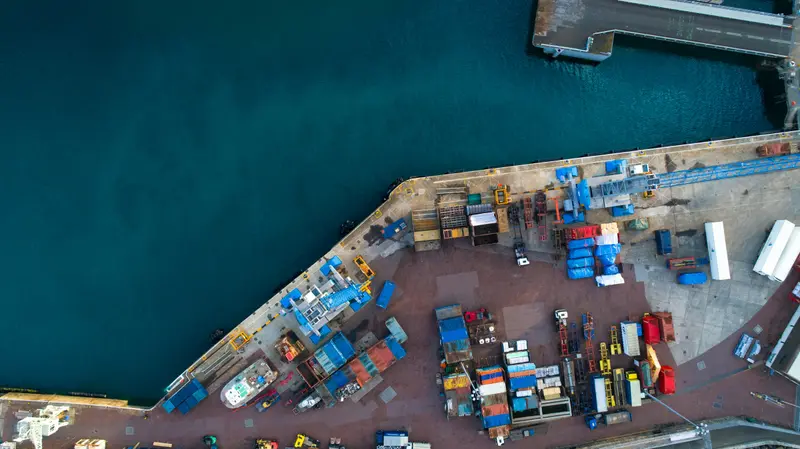
    Photo by Enrapture Captivating Media on Unsplash

    Great Britain

    Guernsey

    Region

    Guernsey is the second-largest of the Channel Islands and lies off the coast of Normandy. The island covers approximately 62 km² and has about 64,000 inhabitants.

    by Felix Gillen

    1. Home
    2. Destinations
    3. Great Britain
    4. Guernsey
    Guernsey is the second-largest of the Channel Islands and lies off the coast of Normandy. The island covers approximately 62 km² and has about 64,000 inhabitants. It is a Crown Dependency of the British Crown and does not belong to the United Kingdom; defence and foreign policy are largely handled by London. The Bailiwick of Guernsey also includes Alderney, Sark, and Herm; its capital is St Peter Port.Guernsey has its own pound banknotes and coins, which are valid alongside the British pound but are not accepted in Great Britain. Official languages are English and Guernésiais, the island's Norman dialect. You'll find centuries-old fortresses, bunkers from the German occupation, cliff paths along the south coast, and the house where Victor Hugo lived in exile; short ferry trips will take you to the car-free islands of Herm and Sark.
    Great Britain travel guideRound trips in Great BritainPlan a trip with Guernsey

    Contents

    • Places in the region
    • Eat & drink
    • Culture
    • Getting around
    • Nearby

    Sights in Guernsey

    Discover the most important sights and attractions

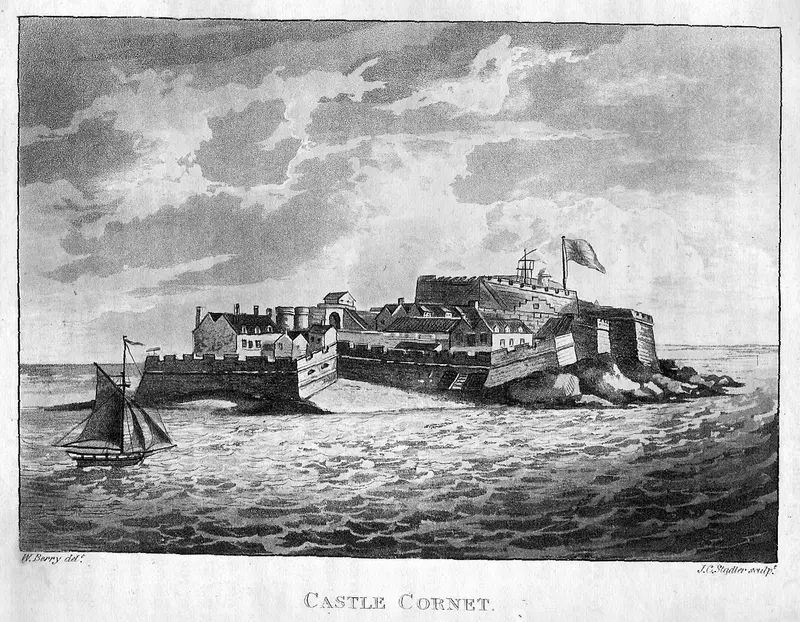
    Castle Cornet

    The original uploader was Sgfoote at English Wikipedia. / Wikimedia Commons / public domain

    Museum

    Castle Cornet

    The fortress was established between 1206 and 1256 on a tidal island off St Peter Port and has been connected to the land since 1859 via the harbour's breakwater. During the English Civil War, it sided with the King and surrendered in 1651 as the penultimate Royalist garrison in the British Isles; in 1672, a lightning strike on the powder magazine destroyed the keep. Today, the castle houses several museums, and a cannon is fired daily at 12 noon, except during some winter months.
    Open in Google Maps
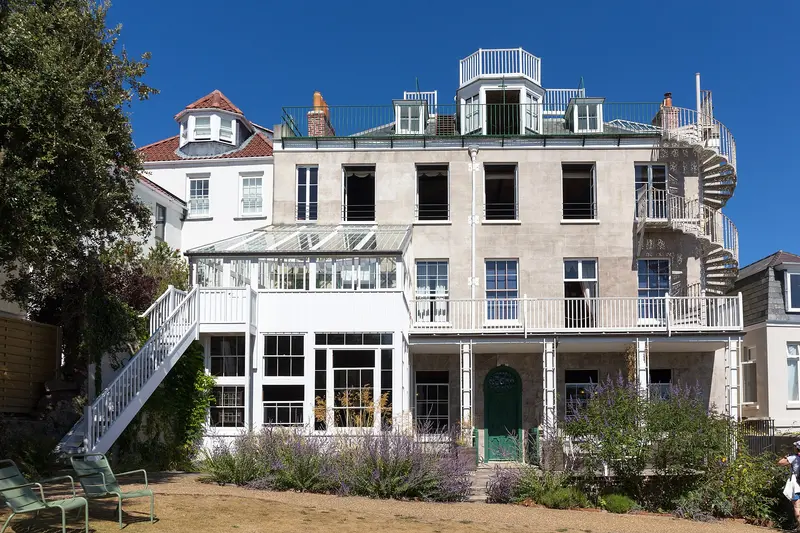
    Hauteville House

    Pymouss / Wikimedia Commons / CC BY-SA 4.0, mod.

    Museum

    Hauteville House

    Victor Hugo, who lived in exile on Guernsey from 1855 to 1870, bought the house in St Peter Port in 1856 with the proceeds from his poetry collection "Les Contemplations". He and his wife Adèle furnished it themselves and lavishly. In the glass-enclosed lookout on the top floor, Hugo wrote, with views of Herm and Sark, including parts of "Les Misérables". In 1927, his descendants gifted the house to the city of Paris; after a renovation, it reopened in April 2019.
    Open in Google Maps
    Little Chapel

    “Little Chapel op Guernsey” by Henkgron at Dutch Wikipedia / Wikimedia Commons / CC BY-SA 3.0, mod.

    Church

    Little Chapel

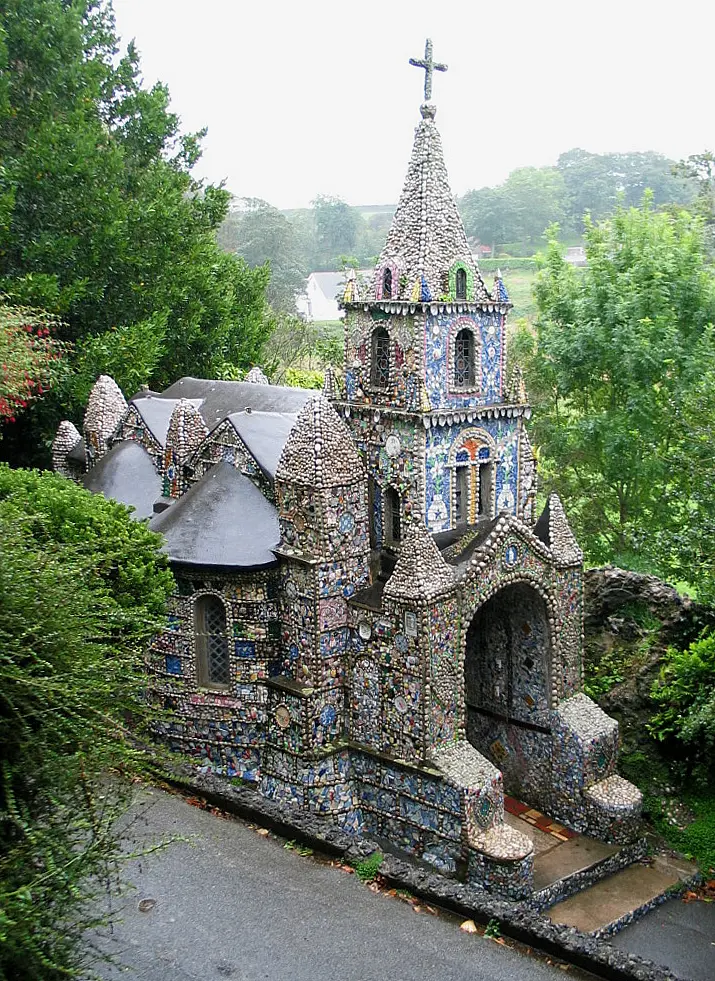
    The Little Chapel in Les Vauxbelets Valley in St Andrew measures only 4.9 by 2.7 meters. Brother Déodat began construction in 1914; the current version is the third and was built after 1923. It is decorated inside and out with shells, pebbles, and porcelain shards, and was structurally secured from 2015 to 2017.
    Open in Google Maps
    Museum

    Fort Grey (Shipwreck Museum)

    Fort Grey stands on a tidal rock in Rocquaine Bay on the west coast. The British built the Martello Tower in 1804 during the Napoleonic Wars, and due to its shape, it's popularly known as “Cup and Saucer”. Today, it houses a museum about shipwrecks off the coast; a cannon from HMS Boreas, which sank off the Hanois Rocks in 1807, points towards the reef.
    Open in Google Maps
    German Occupation Museum

    “Occupation Museum in Guernsey 1” by Heather Cowper / Wikimedia Commons / CC BY 2.0, mod.

    Museum

    German Occupation Museum

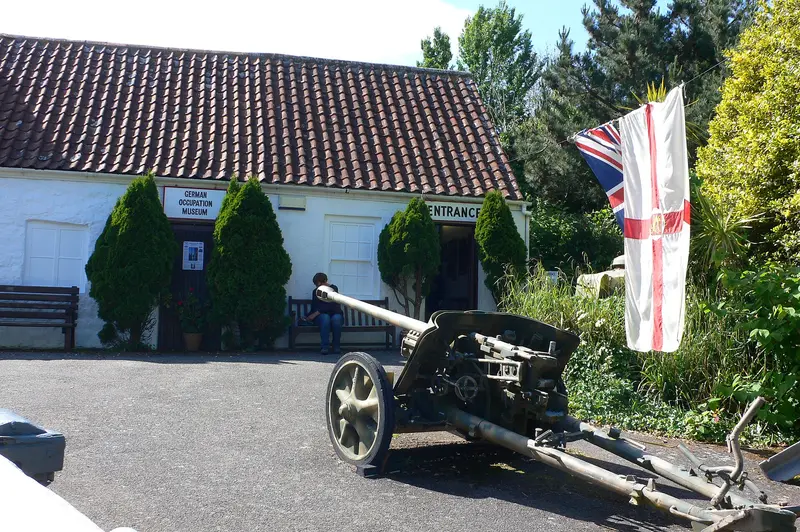
    German troops occupied Guernsey from June 30, 1940, to May 9, 1945. The museum on Les Houards Road in the south of the island was founded by Richard Heaume, who began collecting objects from this period in 1966; the collection is considered the largest of its kind in the Channel Islands. Among the exhibits are a reconstructed command post, an anti-tank gun, and an Enigma cipher machine.
    Open in Google Maps
    Beach

    Herm and Shell Beach

    Herm, roughly 2 km² in size, is Crown property and administered by the States of Guernsey; cars and bicycles are prohibited. Travel Trident runs year-round from St Peter Port. From the harbour, you can walk to Shell Beach in about 20 minutes and Belvoir Bay on the east side in about 15 minutes; St Tugual's Chapel dates back to the 11th century.
    Open in Google Maps

    Restaurants in Guernsey

    1

    Vraic

    Restaurant in Chouet, in the north of the island, holding a Michelin star since February 2026 – the first on Guernsey in 17 years. Head Chef Nathan Davies serves a seasonal tasting menu, much of it cooked over an open fire, featuring produce from the island's fishermen, farmers, and foragers. Reservations essential.
    Show on Google Maps
    2

    Pier 17

    Restaurant on Albert Pier in St Peter Port Harbour, open since 2009. The simple, modern menu focuses on seasonal produce and fish, also offering an affordable set menu and vegetarian dishes.
    Show on Google Maps
    3

    The Hook

    Restaurant on St Peter Port's waterfront, offering seasonal small sharing plates, grilled over charcoal or served raw, featuring island fish and meat.
    Show on Google Maps

    History and Culture

    German Occupation 1940 to 1945From June 30, 1940, German troops occupied the Channel Islands. Guernsey was liberated on May 9, 1945, a day still celebrated annually as Liberation Day. Bunkers and museums recall this period.Victor Hugo in ExileFrom 1855 to 1870, Victor Hugo lived in exile on Guernsey. At Hauteville House in St Peter Port, which he purchased in 1856, he worked on "Les Misérables" among other works; the house has belonged to the City of Paris since 1927.Language and CuisineAlongside English, Guernésiais is an official language, a Norman dialect of the island. Traditional dishes include Bean Jar, a stew of beans, pork, and beef shin; Gâche is a fruit bread with raisins and candied peel. The creamy milk of Guernsey cattle is also well-known.

    Getting Here and About

    Entry RequirementsGerman citizens need a valid passport for Guernsey; an ID card is not sufficient. From April 23, 2026, visa-free travellers arriving directly in Guernsey from outside the Common Travel Area, including children, require an Electronic Travel Authorisation (ETA); apply via gov.uk or the official UK-ETA-App. If arriving via Great Britain, British entry rules apply. For current and binding information, consult the Federal Foreign Office.By FerryBrittany Ferries operates services from Poole, Portsmouth, and Saint-Malo to St Peter Port. Manche Îles Express offers summer passenger connections from Diélette in Normandy and from Jersey.By PlaneThe airport is located about 5 km southwest of St Peter Port. The state-owned island airline Aurigny flies to London and other British airports, as well as to Jersey and Alderney; there are no direct flights from Germany.On the IslandTraffic drives on the left; the speed limit is 35 mph, reducing to 25 mph in built-up areas. At some junctions, drivers proceed in turn ('Filter in Turn'). Parking is mostly free, but a parking disc is required. Buses all depart from the Bus Terminus in St Peter Port; lines 91 and 92 circle the island.To Herm and SarkTravel Trident operates year-round from St Peter Port to Herm; the Isle of Sark Shipping Company sails to Sark in about 55 minutes. Cars are prohibited on both islands.Good to KnowGuernsey Pounds are not accepted in Great Britain. Visit Guernsey strongly recommends travel health insurance for non-UK residents.

    Nearby

    Côte de Granit Rose

    Côte de Granit Rose

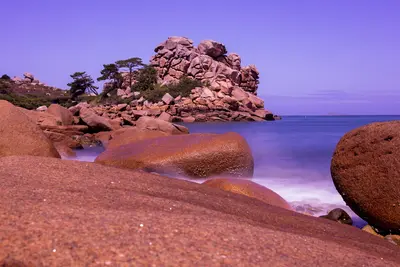
    The Côte de Granit Rose in northern Brittany is known for its pink granite rocks, which wind and sea have sculpted into unusual shapes. The most famous section is the Sentier des Douaniers, the customs officers' path between Trestraou beach in Perros-Guirec and Ploumanac'h; the rocky coast continues past Trégastel to Trébeurden. In Ploumanac'h stands the Phare de Mean Ruz, a pink granite lighthouse with views over the sea and coast. Spring and autumn are quieter than the summer months. Pay attention to the tides; at low tide, some rocks and coves are more accessible.

    Unsplash

    Saint-Malo

    Saint-Malo

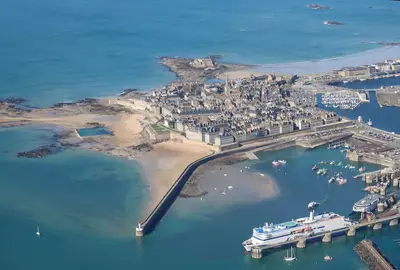
    Saint-Malo is a fortified city on Brittany's north coast, whose granite walls enclose the old town, Intra-Muros.The city is closely linked to its history as the home port of the corsairs, who set sail from here in the 17th and 18th centuries.A walk along the largely preserved Remparts offers expansive views of the bay and the offshore tidal islands like Grand Bé, where Chateaubriand is buried.After its destruction in World War II, the old town was faithfully rebuilt and is now home to narrow streets, boutiques, and traditional restaurants.The Château de Saint-Malo houses the City Museum; check in advance for opening hours.Outside the walls, the Plage du Sillon invites you for long beach walks. Spring and autumn are the most relaxed times to visit.

    Marie-Claude Vergne·Pexels

    Dinan

    Dinan

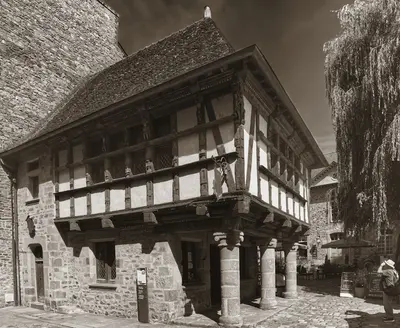
    Dinan in Brittany has preserved its medieval character with numerous half-timbered houses. You can walk large parts of the approximately three-kilometer-long city walls and climb the Clock Tower (Tour de l'Horloge). The steep, cobblestone Rue du Jerzual leads down to the port on the Rance, once an important trading post and today a quiet spot with waterside eateries. The Château de Dinan with Duchess Anne's keep and the Basilica Saint-Sauveur are among the architectural highlights. Outside of peak season, the lanes are noticeably quieter.

    Unsplash

    Mont Saint-Michel

    Mont Saint-Michel

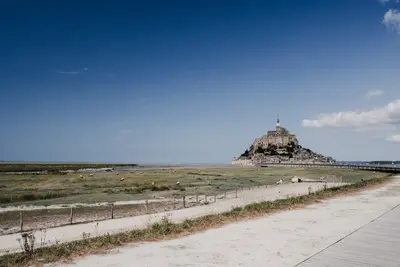
    The Mont Saint-Michel rises as a rocky island from the tidal bay on the border between Normandy and Brittany. Since 1979, it and its bay have been a UNESCO World Heritage site, known primarily for its medieval abbey, which was a significant pilgrimage site for centuries. The Benedictine Abbey at the summit combines Romanesque and Gothic architectural elements and offers you insight into religious architecture and history. Through the narrow streets of the village, you ascend around the rock to the abbey. Pay attention to the tides: During spring tides, the water can completely encircle the mount. In the early morning, late afternoon, and outside peak season, it is significantly quieter.

    Unsplash

    Isle of Portland

    Isle of Portland

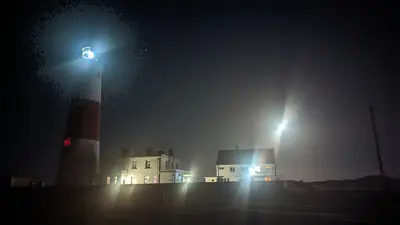
    The Isle of Portland is a limestone peninsula on the Dorset coast, connected to the mainland only by the shingle beach Chesil Beach. From its quarries comes Portland stone, which was used, among other things, to build St Paul's Cathedral in London.At its southern tip, Portland Bill, stands a red-and-white lighthouse, and to the north lies Portland Castle, a fortress from the time of Henry VIII. The seaside resort of Weymouth is nearby.

    Chase me ladies, I'm the Cavalry·CC BY-SA 4.0

    Your next steps

    Guernsey is in Great Britain. Ways to carry on from here.

    • More in Great Britain

      Highlights, areas, routes and the best time to travel for all of Great Britain.

      Great Britain travel guide
    • Round trips in Great Britain

      Ready-made routes through Great Britain, with stops, nights and a map.

      See the routes
    • Plan a trip with Guernsey

      The Guide asks about season, length and who is coming, and suggests a trip with Guernsey.

      Plan the trip

    Sources & method

    • Photos: Wikimedia Commons, Unsplash. Each photo carries its credit.
    • Place data such as addresses and ratings comes from Google Maps.
    • The content is based on web research from public, traceable sources. How the content is made · The role of AI