Fernweh: Home
ExploreGuideDestinationsMy tripsMy trip
de|en
All Places & RegionsRound tripsNight trains in EuropeAll highlightsAbout FernwehFAQPrivacy PolicyImprint
Download on the App StoreGet it on Google Play
ExploreGuideDestinationsMy tripsMy trip
    • Neighborhoods & highlights
    • Recommendations
    • Tours
    • Eat & drink
    • Culture
    • Getting around
    • Accommodation
    • Plan trip
    • Round trips
    • Nearby
    Gyeongju

    Basile Morin / Wikimedia Commons / CC BY-SA 4.0, mod.

    South Korea

    Gyeongju

    City

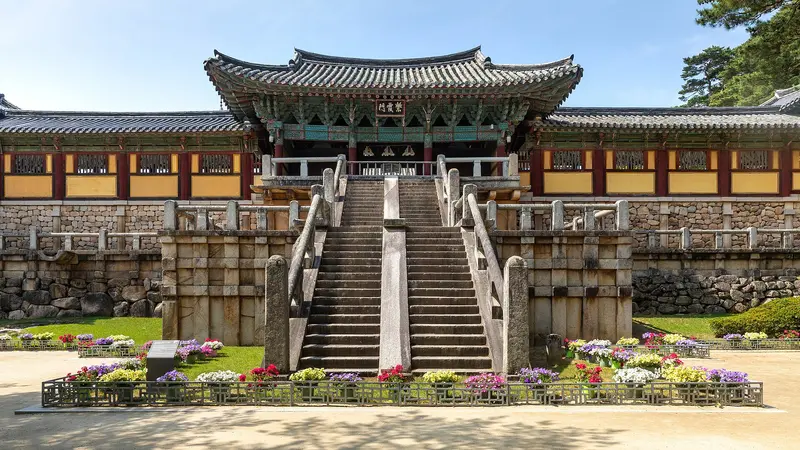
    Gyeongju was the capital of the Silla Kingdom for about 1,000 years, from 57 BC to 935 AD. Burial mounds, palace ponds, and temples are still found within the city today.

    by Felix Gillen

    1. Home
    2. Destinations
    3. South Korea
    4. Gyeongju
    Gyeongju was the capital of the Silla Kingdom for about 1,000 years, from 57 BC to 935 AD. Burial mounds, palace ponds, and temples are still found within the city today. The city in the far southeast of Gyeongsangbuk-do Province has several sites on the UNESCO World Heritage List, including Bulguksa and Seokguram, the Historic Areas, and Yangdong Village. Several central sites such as Cheomseongdae, Woljeonggyo, and Wolji are accessible in the evenings until 10 PM.
    South Korea travel guideSee the round tripPlan a trip with Gyeongju

    Contents

    • Neighborhoods & highlights
    • Recommendations
    • Tours
    • Eat & drink
    • Culture
    • Getting around
    • Accommodation
    • Round trips
    • Nearby

    Sights in Gyeongju

    Discover the most important sights and attractions

    Bulguksa

    Bernard Gagnon / Wikimedia Commons / CC0

    Place of Worship

    1Bulguksa

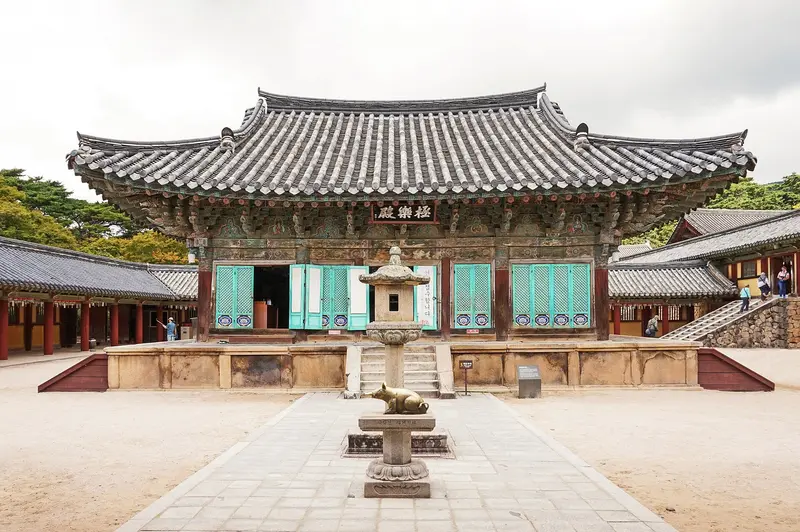
    The current temple was begun in 751 under Kim Daeseong and completed in 774. Since 1995, it, along with Seokguram, has been a UNESCO World Heritage site. The complex includes the pagodas Dabotap (approx. 10.4 m, depicted on the 10-won coin) and Seokgatap (approx. 8.2 m). Admission is free, open from 9 AM to 6 PM, with last entry at 5 PM. The main hall, Daeungjeon, is scheduled from late 2026 to be dismantled and renovated for about two to three years, and is then expected to be only partially visible.
    Open in Google Maps
    Seokguram

    “Korea-Gyeongju-Seokguram-13” by by eimoberg / Wikimedia Commons / CC BY 2.0, mod.

    Place of Worship

    2Seokguram

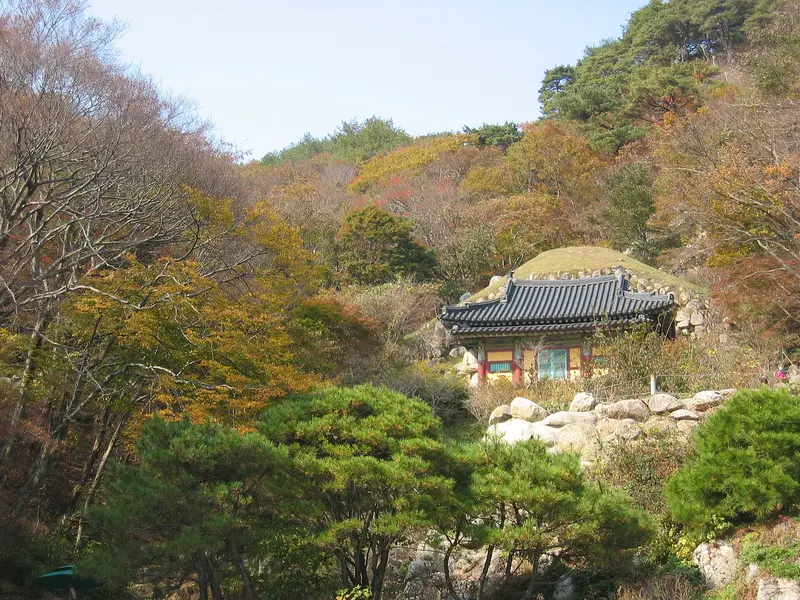
    Artificial granite grotto with a 3.5 m tall Buddha, a UNESCO World Heritage Site since 1995 along with Bulguksa. The figure can only be seen through a glass wall. The grotto is located approximately 3 km from Bulguksa. Bus 12 takes about 20 minutes to go up, on foot you'll need about 1.5 hours.
    Open in Google Maps
    Attraction

    3Daereungwon and Cheonmachong

    The complex comprises 23 tombs of kings, queens, and nobles from Silla. Cheonmachong Tomb was excavated in 1973. Open 9 AM to 10 PM, last admission 9:30 PM (as of 12/2023).
    Open in Google Maps
    Cheomseongdae

    “Korea-Gyeongju-Cheomseongdae-04” by by Junho Jung at Flickr from South Korea / Wikimedia Commons / CC BY-SA 3.0, mod.

    Attraction

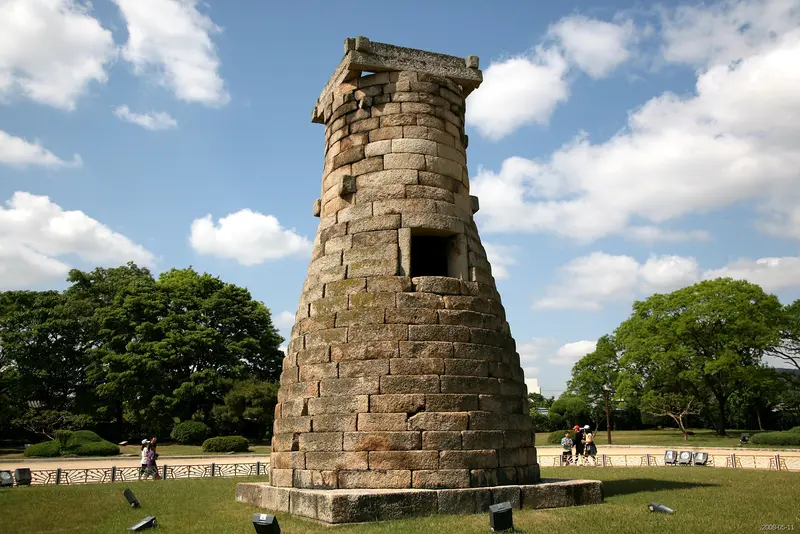
    4Cheomseongdae

    The observatory dates back to the 7th century, from the reign of Queen Seondeok (632 to 647), and is 9.17 m high. Traditionally, it comprises 365 granite stones; a 1962 count found 366. Since 1962, it has been National Treasure No. 31. Free admission, open 9 AM to 10 PM, in winter until 9 PM (As of 12/2023).
    Open in Google Maps
    Historic Landmark

    5Donggung and Wolji

    King Munmu established the palace complex with its pond in 674. Excavations (1975-1986) unearthed almost 33,000 finds, 700 of which are at the Gyeongju National Museum. The oval pond (approx. 200x180m) has three islands and is lit up nightly. Best visits are at dusk or evening. Open daily 9 AM-10 PM. Last entry 9:30 PM. Adult admission 3,000 KRW.
    Open in Google Maps
    Gyeongju National Museum

    “Korea-Gyeongju.National.Museum-04” by by martinroell / Wikimedia Commons / CC BY-SA 2.0, mod.

    Museum

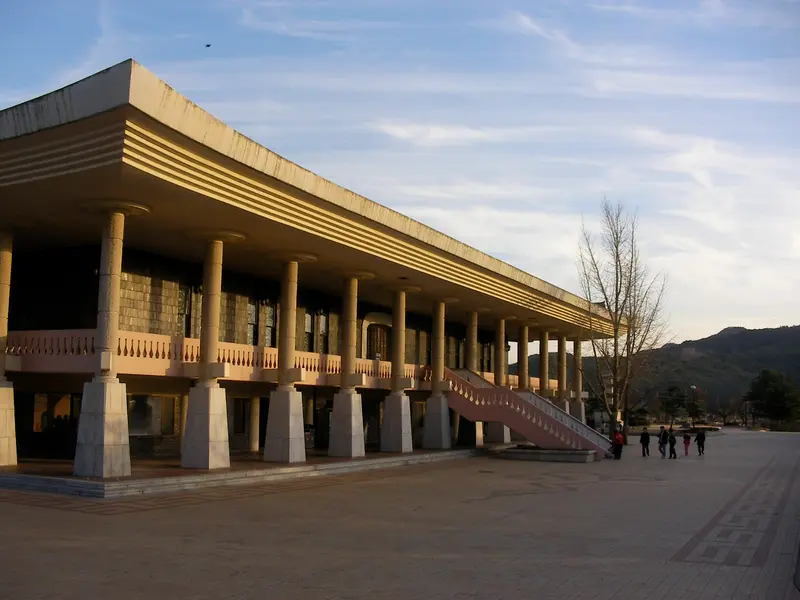
    6Gyeongju National Museum

    Founded in 1945 as a branch. On display: the Bell of King Seongdeok (cast 771, weighing 18.9 t, 3.75 m high, National Treasure No. 29). Also on display are approximately 700 finds from Wolji. Admission is free (special exhibitions excluded). Open Monday to Friday 10 AM to 6 PM, Saturday, Sunday and public holidays 10 AM to 7 PM, Saturdays from March to December until 9 PM; last admission 30 minutes before closing. Closed on January 1, Seollal, and Chuseok. Address: 186 Iljeong-ro.
    Open in Google Maps

    Tours & experiences in Gyeongju

    Search tours for Gyeongju on GetYourGuide* (Affiliate link)On GetYourGuide, with reviews from other travellers

    * Affiliate link: if you book through it, we earn a small commission. The price stays the same for you.

    Restaurants in Gyeongju

    1

    TAK!

    Bakery and café on Bonghwang-ro. Fodor's recommends it, saying "the wait is worth it".
    Show on Google Maps
    2

    Hongsi

    Restaurant for Hanjeongsik, the Korean set meal with many side dishes, in a Hanok. The menu is available in a regular version or with Bulgogi, including 16 side dishes and, for dessert, Kaki and Ssanghwa-cha. Cooked without MSG. According to Kyongbuk Maeil, operating for 27 years; Fodor's also recommends it. Address: 5 Hwarang-ro 19beon-gil.
    Show on Google Maps
    3

    Yosukgung 1779

    Restaurant for traditional Korean cuisine with organic ingredients in Gyochon Hanok Village. Managed by the 12th-generation Choi family, it stands on the site of Princess Yoseok's house. Open 12 PM to 9 PM, with a break from 4 PM to 5:30 PM. Last order 8:30 PM. Closed Tuesdays, and on Seollal and Chuseok. Reservations by phone. Address: 19-4 Gyochonan-gil.
    Show on Google Maps

    Culture and Food

    Hwangnam-ppangThis red bean paste pastry dates back to 1939, originating from Choi Yeonghwa's bakery. The filling makes up almost 70% of the pastry and features a chrysanthemum imprint on top. The original store in Hwango-dong has been open since 1974, from 8 AM to 10 PM.Gyodong BeopjuIn Gyochon Hanok Village, the rice wine Gyodong Beopju is brewed at the Choe family's house. It is designated as a national intangible cultural heritage.FestivalsCherry blossoms typically bloom from late March to early April. The Gyeongju Cherry Blossom Festival then takes place Friday to Sunday along the Daereungwon Stone Wall Trail. The double cherry blossoms at Bulguksa bloom approximately two weeks later.The Silla Cultural Festival has been held annually in October since 1962. In 2026, its 53rd edition took place from October 9th to 11th at Bonghwangdae and Woljeonggyo, featuring a drone and fireworks show.

    Arrival and on the way

    Getting There by KTXThe KTX stops at Gyeongju Station, which was called Singyeongju until December 2023. From Seoul, the journey takes about 2 hours to 2 hours 10 minutes; from Busan, about 30 minutes. Bus 700 runs directly from the KTX station to Bulguksa, taking about 55 minutes, with stops at Wolji and Bomun.City BusesCircular routes 10 (clockwise) and 11 (counter-clockwise) run every 20 minutes from 6:00 to 21:40, with a fare of 1,650 KRW. Route 10 is suitable for Cheomseongdae and Bomun; Route 11 for Wolji, the National Museum, and Namsan. Bus 12 goes from Bulguksa up to Seokguram, Bus 203 to Yangdong, and Buses 500 and 506 towards Namsan.BicycleYou can rent bicycles at bus and train terminals, according to Lonely Planet, for about 4,000 KRW per hour or 15,000 KRW per day.

    Accommodations in Gyeongju

    Find perfect stay in Gyeongju

    Booking.com* (Affiliate link)
    Search Hotels
    Agoda* (Affiliate link)
    Search Hotels
    Airbnb
    Vacation Rentals

    * Affiliate link: if you book through it, we earn a small commission. The price stays the same for you.

    Plan your trip to Gyeongju

    Save places, build a route and plan your city trip, all in one place.

    1. 1
      Sunrise over alpine peaks and a sea of clouds
      1234

      Round trip

      12 days · 4 stops

      Saved

      Pick a route

      Pick a ready-made one or save places and plan your own.

      Open bookmarks
    2. 2

      Trip to Gyeongju

      Live
      • 1Bulguksa3 days
      • 2Seokguram4 days
      • 3Daereungwon and Cheonmachong5 days
      Budget

      Plan your trip

      The planner sorts stops, days and budget. Plan together in real time.

      Start trip planning
    3. 3
      9:41 No signal
      Gyeongju
      Available offline

      Basile Morin / Wikimedia Commons / CC BY-SA 4.0, mod.

      Use it on the road

      Download the guide to your phone and use it on site, even offline.

    Round trips with Gyeongju

    Classic: Seoul, Gyeongju, Busan and Jeju

    Classic: Seoul, Gyeongju, Busan and Jeju

    The round trip links the capital with ancient Silla capital Gyeongju, port metropolis Busan, and volcanic island Jeju. Between Seoul, Gyeongju, and Busan, you travel comfortably by high-speed train KTX; to Jeju and back by short domestic flights.

    12 Days
    5 stops

    Hyeok Jang·Pexels

    Nearby

    Daegu

    Daegu

    Daegu was less devastated in the Korean War than many other cities. Consequently, traces of modernity remain in the alleys of its old town, which you can explore on the city's "Modern Alley" tours.During the Joseon period, Seomun Market was one of the country's three largest markets. To the city's northeast lies Palgongsan, a national park since 2023, home to Donghwasa Temple.Daegu is known for Chimaek – chicken with beer – and celebrates it annually in July with its own festival.

    Jc Laurio·Pexels

    Busan

    Busan

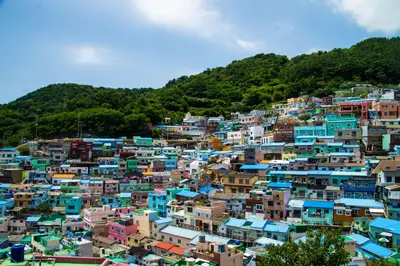
    Located on the southeastern tip of the Korean Peninsula, Busan is a port and beach metropolis with approximately 3.2 million inhabitants. City beaches like Haeundae and Gwangalli are found here alongside mountain temples such as Beomeosa and hillside villages from the Korean War era like Gamcheon. During the war, the city grew significantly due to refugees, a history still told today by Gukje Market and the pork soup Dwaeji-gukbap. Every October, Busan hosts the Busan International Film Festival, Korea's first international film festival.

    Saksham Vikram·Pexels

    Andong and Hahoe

    Andong and Hahoe

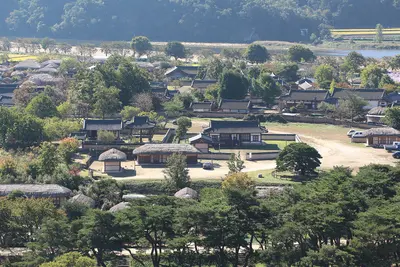
    Andong ist die Hauptstadt der Provinz Gyeongsangbuk-do und das Zentrum einer konfuzianisch geprägten Kulturregion mit den Akademien Dosan Seowon und Byeongsan Seowon. Zur Stadt gehört das Dorf Hahoe des Pungsan-Ryu-Klans, das seit 2010 zusammen mit Yangdong als „Historic Villages of Korea“ zum UNESCO-Welterbe zählt. Bekannt ist Hahoe auch für den Maskentanz Hahoe Byeolsingut Talnori, ein nationales immaterielles Kulturgut. Ende September oder Anfang Oktober findet das Andong International Mask Dance Festival statt.

    Bernard Gagnon·CC0

    Haeinsa and Gayasan

    Haeinsa and Gayasan

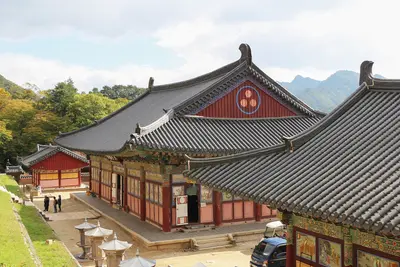
    Haeinsa Temple is located on Mount Gayasan in Hapcheon County, Gyeongsangnam-do. Founded in 802 by monks Suneung and Ijung, its name comes from the Hwaeom Sutra.Haeinsa is renowned for the Tripitaka Koreana: some 80,000 wooden printing blocks from 1237-1248. They are kept in the 15th-century Janggyeong Panjeon depots, a UNESCO World Heritage site since 1995. Buildings and blocks are National Treasures.

    Bernard Gagnon·CC0

    Tongyeong

    Tongyeong

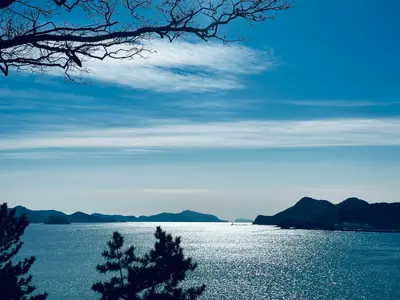
    Tongyeong is a coastal city in Gyeongsangnam-do Province at the southern tip of the Goseong Peninsula, surrounded by the sea on three sides. The city area includes 41 inhabited and 110 uninhabited islands, and the port is the gateway to Hallyeohaesang National Park. Take the cable car up 461-meter-high Mireuksan; the mural village of Dongpirang is by Gangguan Port. Tongyeong is home to composer Isang Yun, and Chungmu-Gimbap is named after the former city name, Chungmu.

    Peter Kang·Unsplash

    Your next steps

    Gyeongju is in South Korea. Ways to carry on from here.

    • More in South Korea

      Highlights, areas, routes and the best time to travel for all of South Korea.

      South Korea travel guide
    • Round trips with Gyeongju

      One route passes through Gyeongju, with stops, nights and a map.

      See the round trip

    Sources & method

    • Photos: Wikimedia Commons. Each photo carries its credit.
    • Place data such as addresses and ratings comes from Google Maps.
    • The content is based on web research from public, traceable sources. How the content is made · The role of AI