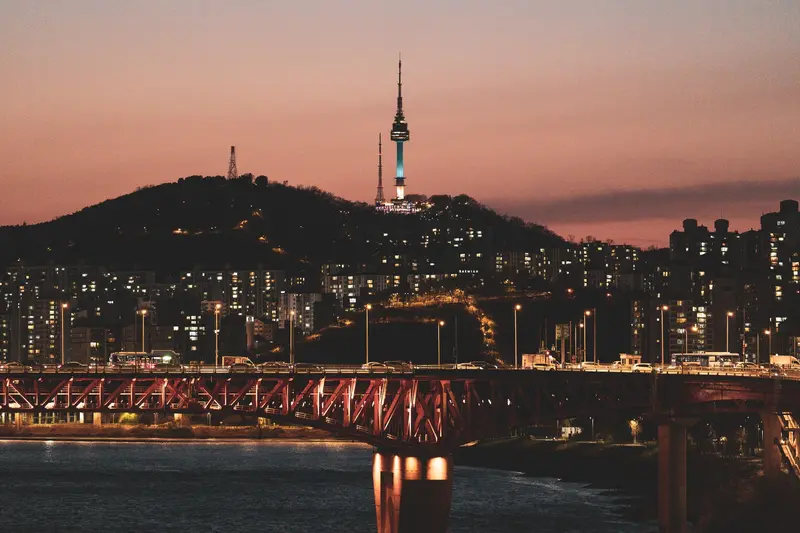
Photo by Hyeok Jang on Pexels
Round trip · South Korea
Classic: Seoul, Gyeongju, Busan and Jeju
by Felix Gillen
- 12 Days / 11 Nights
- Seoul → Seoul
The round trip links the capital with ancient Silla capital Gyeongju, port metropolis Busan, and volcanic island Jeju. Between Seoul, Gyeongju, and Busan, you travel comfortably by high-speed train KTX; to Jeju and back by short domestic flights.
At a glance
- Duration
- 12 Days / 11 Nights
- Stops
- 5 · Seoul → Seoul
- Arrival
- Flight · Seoul Incheon (ICN)
- Best Time to Go
- April to May and September to November
5 stops
Why This Route?
It showcases South Korea's highlights in just under two weeks: palaces and city life in Seoul, Silla-era World Heritage in Gyeongju, coast and markets in Busan, as well as volcanic landscapes and beaches on Jeju, with short journeys by train and plane.
Hidden Gems
- City wall at Naksan in Seoul in the evening
- Night walk to Cheomseongdae, Woljeonggyo, and Wolji in Gyeongju
- Buy fish on the ground floor of Jagalchi Market and have it prepared upstairs
- Cross over to Udo without a car
Getting there and back
Round trip, returning to where you started
- Arrival
- Flight · Seoul Incheon (ICN)From Incheon Airport, the AREX Express train travels to Seoul Station in 43 minutes (9,500 Won).
- Departure
- Flight · Seoul Incheon (ICN)From Jeju, fly back to Seoul (Gimpo) in about an hour; from there, take the AREX commuter train to Incheon Airport.
Itinerary
Seoul
Seoul ist das politische, wirtschaftliche und kulturelle Zentrum Südkoreas: rund 9,3 Millionen Menschen leben in der Stadt am Han-Fluss, im Großraum sind es rund 26 Millionen. Fünf Königspaläste und der Ahnenschrein Jongmyo erinnern an die über 500 Jahre, in denen Seoul Hauptstadt der Joseon-Dynastie war. Daneben findest du Hanok-Gassen in Bukchon und Ikseon-dong, quirlige Märkte wie Gwangjang, das Designzentrum DDP von Zaha Hadid und den 555 Meter hohen Lotte World Tower. Abends locken die Studenten- und Musikszene in Hongdae, das internationale Itaewon und das schicke Gangnam südlich des Flusses.
Palaces, Bukchon, Insadong, Namsan and Gangnam; day trip to Suwon or the DMZ possible (DMZ closed Mondays, passport required).
12 Sights
3 Restaurants
Culture & Practice
Clever Palace VisitsGyeongbokgung and Jongmyo are closed on Tuesdays, Changdeokgung and Deoksugung on Mondays. Therefore, it's best to plan your palace tour from Wednesday to Sunday.Wearing a Hanbok grants free entry to all five palaces. Visitors under 19 and over 65 also enter Gyeongbokgung for free.The changing of the guard at Gwanghwamun Main Gate happens at 10 AM and 2 PM, except Tuesdays and in heavy rain.You can only visit Changdeokgung's Huwon Secret Garden on a guided tour, booked online in advance. English tours run several times daily.Markets and FoodGwangjang Market is one of the city's most traditional markets. In its food alleys, you'll find Bindaetteok (mung bean pancakes), Mayak-Gimbap, and Yukhoe. Seoul's restaurant scene spans from noodle classics to Mingles, the only three-Michelin-star restaurant in the Michelin Guide Seoul and Busan 2026.FestivalsYeondeunghoe: Before Buddha's Birthday in May, a lantern parade proceeds from Dongdaemun via Jongno Street to Jogyesa Temple. The festival has been a UNESCO Intangible Cultural Heritage since 2020.Seoul Lantern Festival: Around the New Year, light installations illuminate along the Cheonggyecheon Stream.
Gyeongju
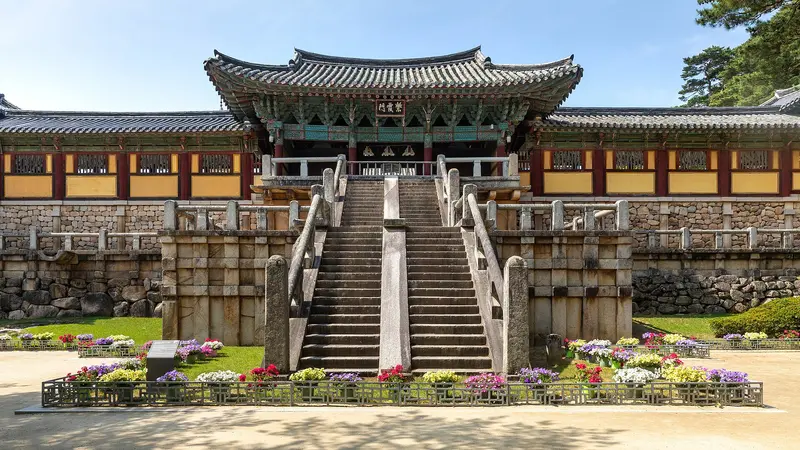
Gyeongju was the capital of the Silla Kingdom for about 1,000 years, from 57 BC to 935 AD. Burial mounds, palace ponds, and temples are still found within the city today. The city in the far southeast of Gyeongsangbuk-do Province has several sites on the UNESCO World Heritage List, including Bulguksa and Seokguram, the Historic Areas, and Yangdong Village. Several central sites such as Cheomseongdae, Woljeonggyo, and Wolji are accessible in the evenings until 10 PM.
From Seoul by KTX in approx. 2 hours to Gyeongju Station (Singyeongju until end 2023). Bulguksa, Seokguram, royal tombs and Wolji in the evening.
12 Sights
3 Restaurants
Culture and Food
Hwangnam-ppangThis red bean paste pastry dates back to 1939, originating from Choi Yeonghwa's bakery. The filling makes up almost 70% of the pastry and features a chrysanthemum imprint on top. The original store in Hwango-dong has been open since 1974, from 8 AM to 10 PM.Gyodong BeopjuIn Gyochon Hanok Village, the rice wine Gyodong Beopju is brewed at the Choe family's house. It is designated as a national intangible cultural heritage.FestivalsCherry blossoms typically bloom from late March to early April. The Gyeongju Cherry Blossom Festival then takes place Friday to Sunday along the Daereungwon Stone Wall Trail. The double cherry blossoms at Bulguksa bloom approximately two weeks later.The Silla Cultural Festival has been held annually in October since 1962. In 2026, its 53rd edition took place from October 9th to 11th at Bonghwangdae and Woljeonggyo, featuring a drone and fireworks show.
Busan
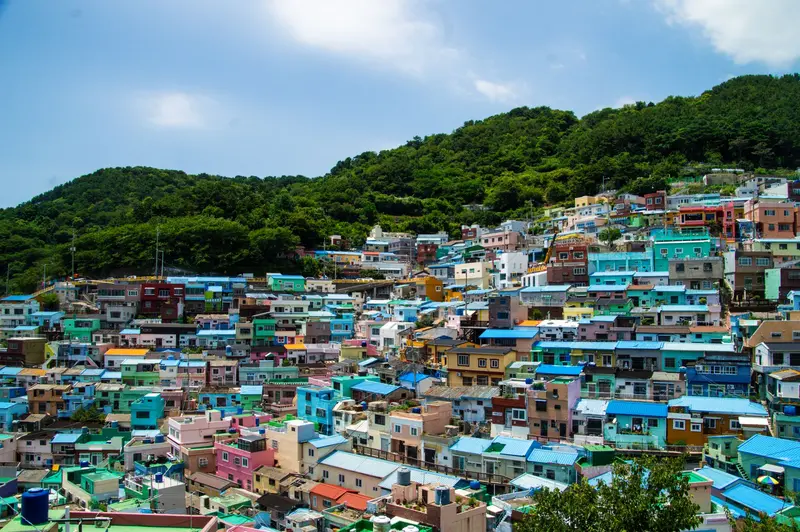
Located on the southeastern tip of the Korean Peninsula, Busan is a port and beach metropolis with approximately 3.2 million inhabitants. City beaches like Haeundae and Gwangalli are found here alongside mountain temples such as Beomeosa and hillside villages from the Korean War era like Gamcheon. During the war, the city grew significantly due to refugees, a history still told today by Gukje Market and the pork soup Dwaeji-gukbap. Every October, Busan hosts the Busan International Film Festival, Korea's first international film festival.
From Gyeongju by KTX in 30 mins. Haeundae, Gamcheon, Jagalchi and Haedong Yonggungsa.
17 Sights
6 Restaurants
Culture and Food
FoodDwaeji-gukbap: a hearty pork soup with rice, originating from the Korean War. The Michelin Guide lists several Dwaeji-gukbap restaurants in Busan as Bib Gourmand.Milmyeon: a wheat flour variation of the cold noodle dish Naengmyeon.Ssiat-hotteok: a sliced hotteok, filled with pine nuts, sunflower and pumpkin seeds. You can find it at the stalls in BIFF Square.FestivalsBusan International Film Festival (BIFF): held every October, in 2026 from October 6th to 15th at the Busan Cinema Center in Haeundae-gu. The first edition took place in 1996.Busan Fireworks Festival: in autumn at Gwangalli Beach, in 2026 in early November. The Gwangan Bridge is closed for this event. It's best to check the date annually.Busan Sea Festival: in August at Dadaepo Beach, in 2026 from August 7th to 13th.Polar Bear Festival: ice swimming at Haeundae Beach, held every January since 1988.
Jeju
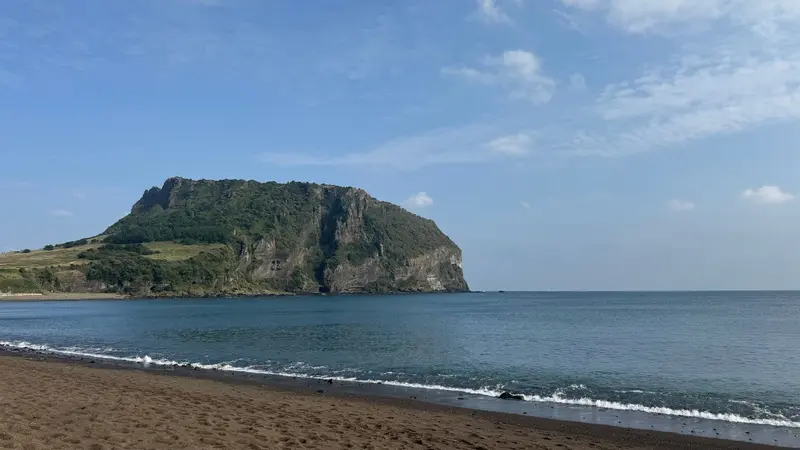
Jeju is a volcanic island in the south of South Korea with approximately 663,000 inhabitants. It is administered in two parts: Jeju-si in the north and Seogwipo-si in the south. In the center of the island stands the 1,947 m high Hallasan with the crater lake Baengnokdam.Since 2007, Hallasan, Seongsan Ilchulbong, and the Geomunoreum lava tube system have been protected as a UNESCO Natural Heritage site "Jeju Volcanic Island and Lava Tubes."
Flight from Busan (Gimhae) in about an hour; ferry service stopped. A rental car is practical on the island. Hallasan summit by reservation only.
15 Sights
5 Restaurants
Culture & Cuisine
HaenyeoJeju's Haenyeo women divers made the UNESCO Intangible Cultural Heritage list in 2016. They dive up to 20 m deep, holding their breath for 1 to 3 minutes. By late 2025, only 2,371 registered Haenyeo remained; approximately 63% were 70 or older. The Haenyeo Museum in Gujwa reveals more.FoodHeukdwaeji: the black pig, a local breed often served as barbecue meat.Gogi-guksu: Noodle soup with pork.Hallabong: Tangerines, available at Dongmun Market and Seogwipo Maeil Olle Market, for example.FestivalsThe Jeju Fire Festival (Deulbul) occurs in March at Saebyeol Oreum. The hillside burning was cancelled in 2023; 2026 saw a "digital fire" with media art and LED torches instead. In September, the Jeju Haenyeo Festival celebrates the divers at the Haenyeo Museum.
Seoul
Seoul ist das politische, wirtschaftliche und kulturelle Zentrum Südkoreas: rund 9,3 Millionen Menschen leben in der Stadt am Han-Fluss, im Großraum sind es rund 26 Millionen. Fünf Königspaläste und der Ahnenschrein Jongmyo erinnern an die über 500 Jahre, in denen Seoul Hauptstadt der Joseon-Dynastie war. Daneben findest du Hanok-Gassen in Bukchon und Ikseon-dong, quirlige Märkte wie Gwangjang, das Designzentrum DDP von Zaha Hadid und den 555 Meter hohen Lotte World Tower. Abends locken die Studenten- und Musikszene in Hongdae, das internationale Itaewon und das schicke Gangnam südlich des Flusses.
Return flight from Jeju to Gimpo in about an hour, last evening in Seoul.
12 Sights
3 Restaurants
Culture & Practice
Clever Palace VisitsGyeongbokgung and Jongmyo are closed on Tuesdays, Changdeokgung and Deoksugung on Mondays. Therefore, it's best to plan your palace tour from Wednesday to Sunday.Wearing a Hanbok grants free entry to all five palaces. Visitors under 19 and over 65 also enter Gyeongbokgung for free.The changing of the guard at Gwanghwamun Main Gate happens at 10 AM and 2 PM, except Tuesdays and in heavy rain.You can only visit Changdeokgung's Huwon Secret Garden on a guided tour, booked online in advance. English tours run several times daily.Markets and FoodGwangjang Market is one of the city's most traditional markets. In its food alleys, you'll find Bindaetteok (mung bean pancakes), Mayak-Gimbap, and Yukhoe. Seoul's restaurant scene spans from noodle classics to Mingles, the only three-Michelin-star restaurant in the Michelin Guide Seoul and Busan 2026.FestivalsYeondeunghoe: Before Buddha's Birthday in May, a lantern parade proceeds from Dongdaemun via Jongno Street to Jogyesa Temple. The festival has been a UNESCO Intangible Cultural Heritage since 2020.Seoul Lantern Festival: Around the New Year, light installations illuminate along the Cheonggyecheon Stream.
Plan this route as your trip
All stops, trains and nights go into your trip planner. You adjust dates and places to stay afterwards.
This route is a suggestion from our research. Please check timetables, times in port, opening hours and prices before you book – what your tour operator or carrier says is what counts.
Fernweh is a free travel guide and trip planner: routes researched by people, taken over in one click, used day by day on the road. More about Fernweh
5 stops
Route Summary
Duration12 Days
Stops5 Places
TypeMixed